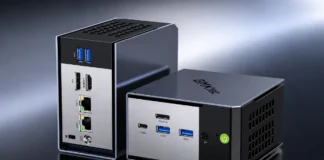

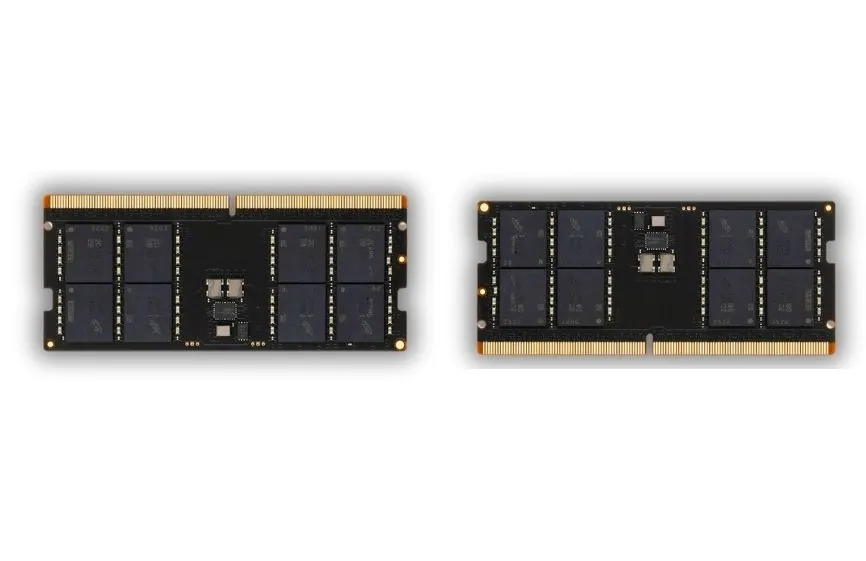
DDR5 memory prices may rise again in the near future, potentially driving up laptop and PC prices across the market. This warning comes as memory suppliers are raising prices amid tight supply and strong demand from data centers and AI infrastructure, which use large amounts of high-capacity RAM.
Frameworks, a laptop manufacturer known for its modular design, has warned customers that DDR5 prices may rise further in the coming weeks. The company says supplier prices have become more volatile, making it difficult for systems relying on DDR5 memory to maintain current rates. Because Frameworks allows users to choose and upgrade memory, changes in RAM prices directly impact how much customers pay at checkout.
According to the company, global DDR5 prices have already risen sharply due to limited production capacity and continued demand from enterprise customers. AI servers and cloud platforms are prioritizing high-density memory, reducing availability for consumer devices like laptops, mini PCs, and desktops.
If DDR5 prices continue to rise, the impact won’t be limited to just one brand. DDR5 has become a standard requirement for most new Intel and AMD platforms, leaving manufacturers with fewer low-cost options. Unlike previous changes, DDR4 is no longer supported on many new platforms, making it difficult for PC manufacturers to offer affordable configurations as memory prices rise.
This sets off a chain reaction in the PC market. Even if processor, storage, and display prices remain stable, higher DDR5 prices alone could increase the final price of laptops, compact desktops, and pre-built PCs. Some manufacturers may respond by offering fewer memory configurations, while others may pass the increased costs directly to consumers.
Industry analysts say the situation is unlikely to improve soon. Memory prices are impacted by long production cycles, and suppliers are currently prioritizing high-margin enterprise and AI customers. As a result, consumer memory prices may remain high into next year, with further increases expected in the future.
For buyers, this situation suggests careful timing and planning. While delaying purchases may lead to higher prices later, experts also warn against panic buying, as memory markets can change suddenly if supply improves or demand decreases. Users who already own compatible DDR5 modules can better manage costs than those purchasing fully configured systems.
Overall, the renewed pressure on DDR5 prices highlights a major challenge facing the PC industry. Memory prices are once again becoming a major factor in determining system pricing, and unless the supply situation improves, rising RAM prices could make laptops and PCs even more expensive for some buyers in the coming months.
Source: Framework Blog