
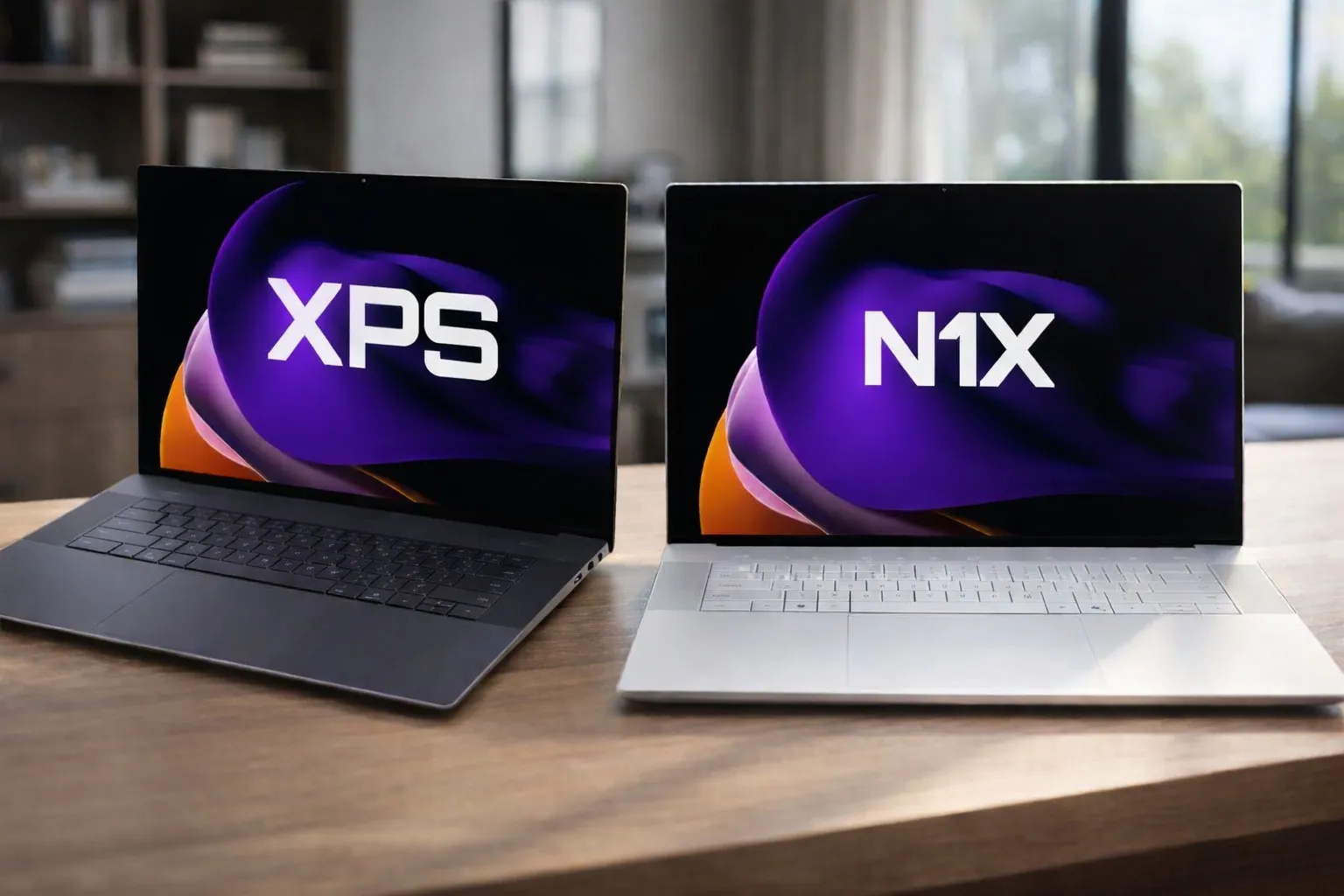
Dell quietly tested a laptop powered by NVIDIA’s unreleased N1X processor in late 2025, according to a shipping record that confirms a real device was moved for internal testing.
The entry comes from a logistics database dated November 20, 2025, and was first shared by hardware tracker Gray (@Olrak29) on X. The record lists a system described as “Dell 16 Premium DVT N1X ES2 16 OLED” and clearly states it was an engineering technical sample for research and development.
This confirms that Dell physically received and tested an NVIDIA N1X laptop, rather than the chip existing only as a rumor or software entry.
This was real hardware, not a paper leak
Shipping records are used for customs clearance, transport tracking, and regulatory compliance. Because they document the movement of physical goods, they are much more difficult to falsify than benchmark results or software test listings.
In this case, the records show that Dell received a Design Validation Test (DVT) unit. DVT is a late stage of development where a product is tested not just as individual parts, but as a complete system.
This means the laptop was fully assembled and stable enough for hands-on testing.

Gray (@Olrak29_) on X
What “N1X ES2” reveals about development
The processor inside the system is labeled N1X ES2, which stands for Engineering Sample 2. This indicates the chip had already gone through earlier testing versions before reaching this stage.
By the time hardware reaches ES2 and DVT, key elements like power usage, thermal behavior, and system stability are already functioning at a practical level.
In simple terms, NVIDIA’s N1X was advanced enough to run inside a thin, premium laptop with an OLED display.
Why design validation testing matters
Design validation testing is not an initial experiment. It takes place after the initial prototyping phase, when a platform is nearing its final design.
At this stage, companies assess whether a product can meet performance, efficiency, and reliability targets under real-world conditions.
Dell’s testing of the N1X at this level indicates that the project has reached a stage of serious evaluation by a major laptop manufacturer.
The “Dell 16 Premium” name explains the timing
The shipping record uses the name “Dell 16 Premium,” a branding Dell later dropped when it returned to the XPS name at CES 2026.
Because of this, the document reflects an earlier development snapshot, before Dell finalized its product naming strategy. It shows the testing happened during active development, not after a cancellation decision.
Some reports have linked the branding change to claims that the N1X project was dropped. The shipping record itself does not support that idea.
Why was NVIDIA testing this platform
The testing took place during a period when laptop makers were exploring new processor designs focused on efficiency and on-device AI features.
Companies like Qualcomm, Intel, and AMD were all pushing new architectures, especially in the Windows-on-ARM space. NVIDIA testing a laptop-class ARM chip suggests the company was seriously exploring whether its AI-focused technology could work in premium consumer laptops, not just servers or developer systems.
Even if the chip never reaches retail, this kind of testing provides valuable data for future products.
What the shipping record does not show
The document confirms testing, but it does not reveal the outcome.
There is no information on whether Dell approved the platform for further development or whether NVIDIA plans to release the N1X in consumer laptops. Performance numbers, software support, driver readiness, pricing, and launch plans remain unknown.
Why this shipping record matters
This record answers a key question surrounding NVIDIA’s long-rumored N1X project.
The hardware existed, and Dell had tested it at an advanced development stage.
Rather than proving a cancellation, this document shows that NVIDIA had produced working N1X silicon and that Dell had invested time in evaluating it in a premium laptop. What happened after that testing phase is not revealed.
Source: Gray (@Olrak29) on Twitter (X)