
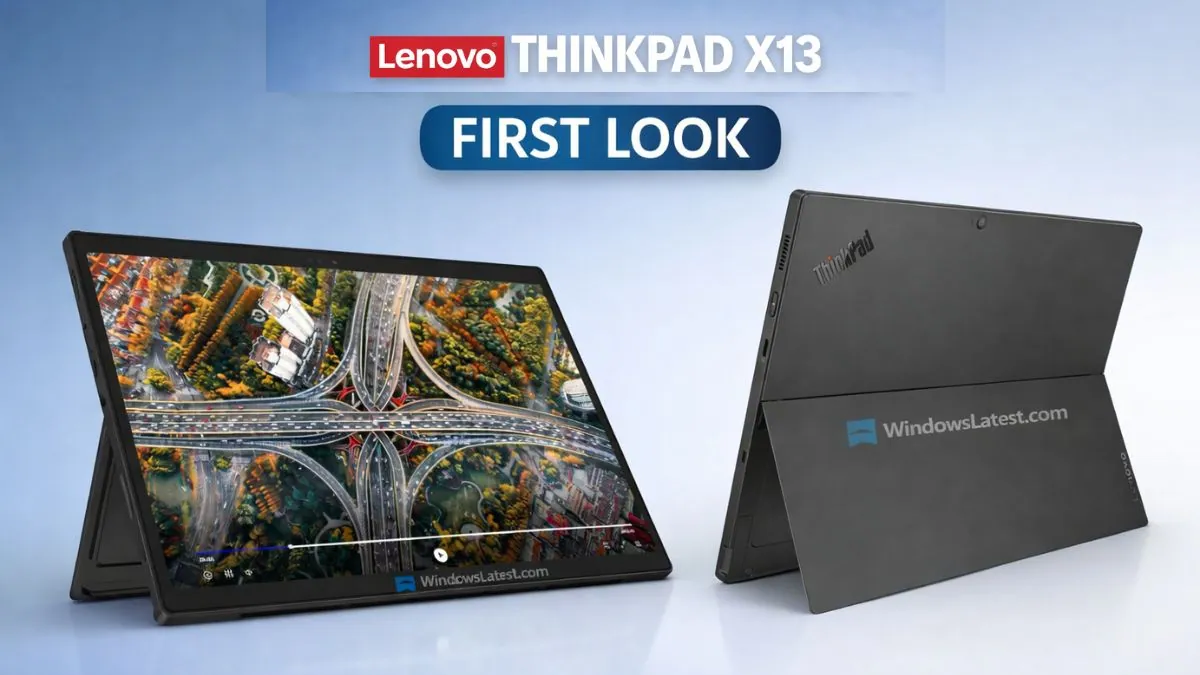
Lenovo’s ThinkPad X13 Detachable has surfaced in a fresh leak ahead of Mobile World Congress 2026, signaling the return of the company’s business-focused 2-in-1 tablet after a two-year gap. Images and early details indicate a thinner chassis, revised keyboard mechanism, and potential adoption of Intel’s upcoming Panther Lake platform, suggesting Lenovo is repositioning its detachable for the next wave of AI-driven enterprise PCs.
The images were first published by Windows Latest, which has previously revealed multiple Lenovo ThinkPad launches ahead of official announcements. The leak positions the ThinkPad X13 Detachable Gen 1 as a direct Surface Pro competitor but engineered with traditional ThinkPad durability and serviceability in mind.
According to the leak, the X13 Detachable is expected to be unveiled at MWC in Barcelona between March 2 and March 5, 2026. The timing is notable. Many enterprise refresh cycles are aligning with Windows’ AI feature rollout in 2026, and hardware vendors are preparing systems designed to meet stricter performance, security, and NPU requirements for on-device AI workloads.
Microsoft’s 2026 Windows roadmap is increasingly centered around Copilot+ capabilities and local AI acceleration, raising minimum NPU performance expectations for enterprise deployments.
The move from X12 to X13 branding suggests a larger display than the previous 12.3-inch panel found on the ThinkPad X12 Gen 2 Detachable. Slimmer bezels appear to expand screen real estate without increasing overall footprint. The naming also aligns the detachable more closely with Lenovo’s broader X13 family, creating a unified premium business tier across clamshell and 2-in-1 models.
While there are thinner consumer tablets on the market, ThinkPads historically prioritize durability and sustained performance over minimalism, and the design language here reflects that philosophy.
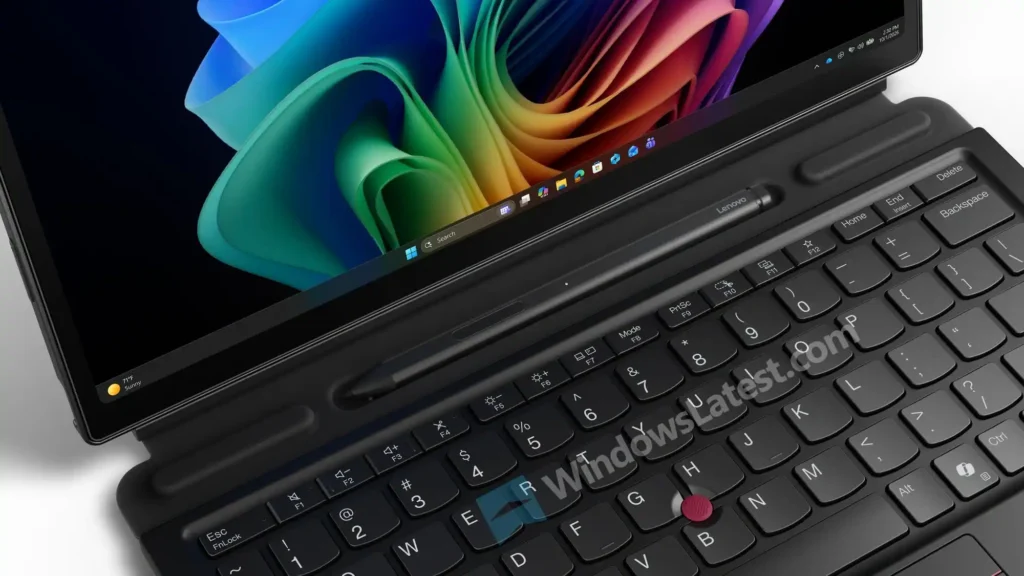
The detachable keyboard connects magnetically using pogo pins and includes a recessed Lenovo Digital Pen slot. The keyboard appears slightly angled when attached, a subtle but potentially important change. Kickstand tablets have long faced criticism for lap instability, where the thin metal edge of the stand can dig into the user’s legs and wobble during typing.
The X13’s angled keyboard design may be Lenovo’s attempt to improve stability while retaining the kickstand form factor. TrackPoint buttons and the iconic red TrackPoint remain integrated despite the thin removable design, reinforcing its ThinkPad identity.
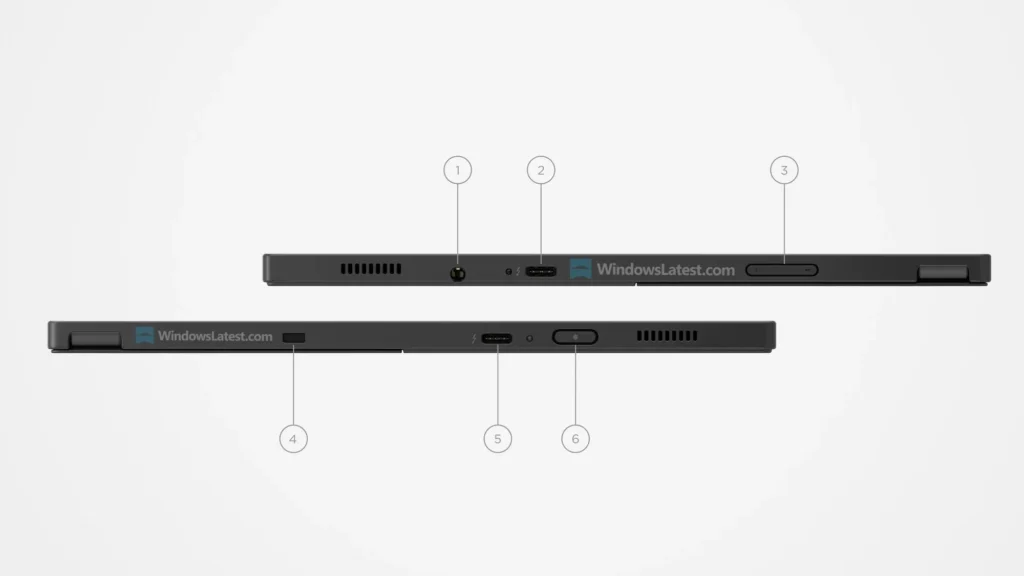
Port selection reinforces the business positioning. The leaked images show USB-C ports on both sides for left or right charging, alongside a 3.5 mm audio jack, physical volume controls, a power button, and a Kensington security slot.
The dual USB-C configuration marked with lightning symbols likely indicates Thunderbolt 4-class support, enabling standardized docking deployments across enterprise fleets. This is not a minimalist tablet it is engineered for enterprise infrastructure.
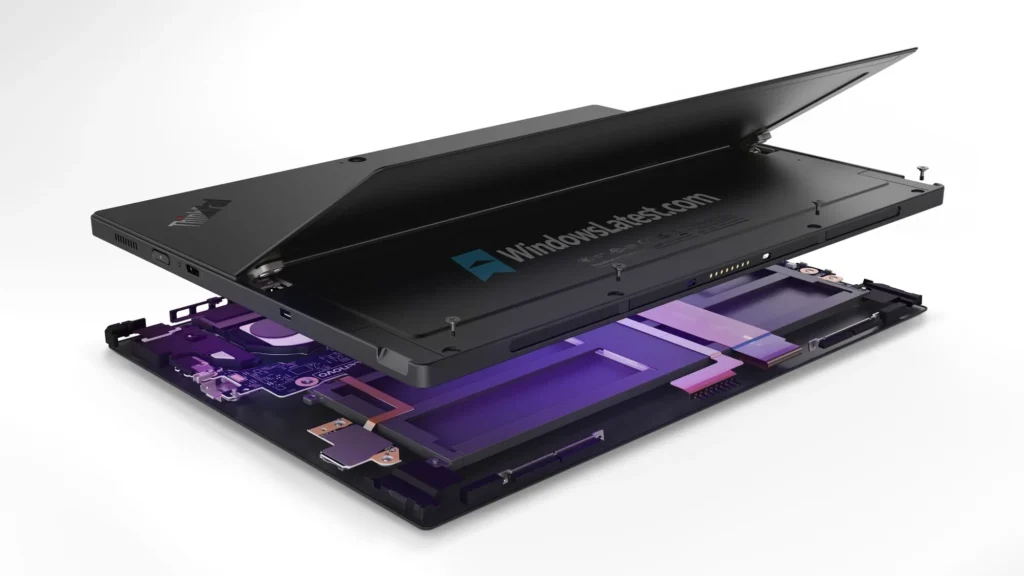
Internal images suggest visible screws along the bottom panel and at least one cooling fan near the top edge. The inclusion of active cooling is significant. Many detachable tablets prioritize silence and thinness over sustained performance, but ThinkPad users typically run prolonged workloads such as virtualization, enterprise apps, analytics tools, and multi-display docking setups.
Active cooling implies Lenovo is optimizing for consistent output under load rather than short benchmark bursts. The visible screws also suggest improved serviceability, directly impacting total cost of ownership for IT departments managing long-term deployments.
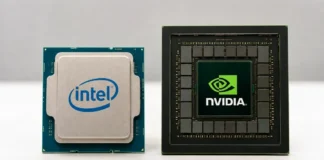
Processor details remain unconfirmed. However, reports indicate the system may adopt Intel’s Core Ultra 300 series, codenamed Panther Lake. The previous ThinkPad X12 Gen 2 Detachable shipped with up to an Intel Core Ultra 7 164U processor and a 42Wh battery. If Lenovo transitions to Panther Lake silicon, improvements in efficiency and integrated NPU capability could extend runtime even without increasing battery capacity.
Panther Lake is expected to deliver stronger on-device AI acceleration, improved efficiency, and enhanced graphics performance, aligning the X13 Detachable with emerging AI PC standards.
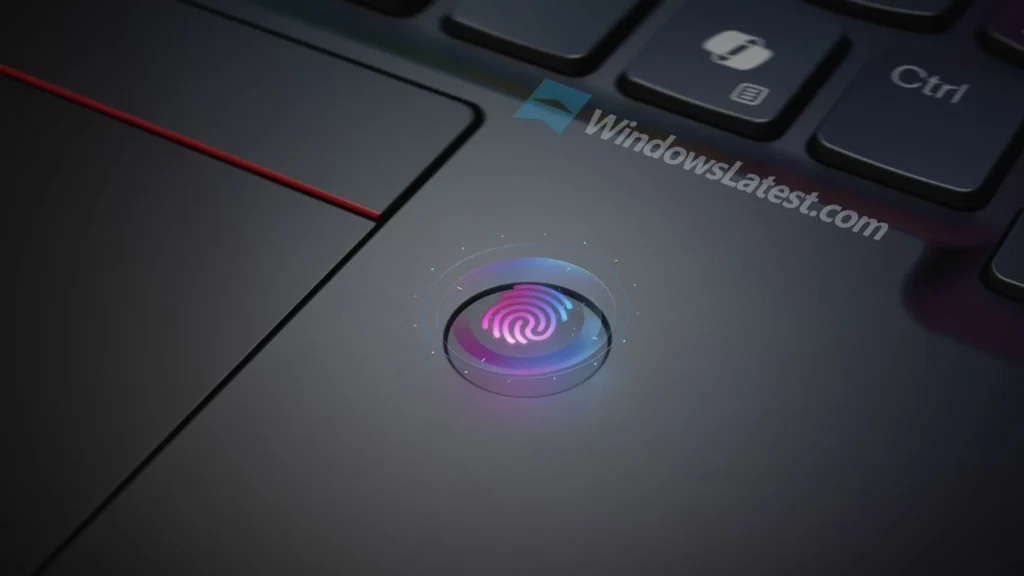
The security features follow the usual ThinkPad standards. The leaked model shows a physical privacy shutter for the front camera, which lets users block the camera when not in use. There is also a round fingerprint reader near the touchpad. The device is expected to support an IR camera for Windows Hello face login. With possible Intel vPro options, this tablet appears designed for industries like finance, healthcare, and government that require strong security and compliance.
Detachable Windows tablets are mostly led by Microsoft’s Surface Pro series, but the approach is different. Surface focuses on slim design and a premium look. ThinkPad, on the other hand, focuses more on durability, easy repairs, and long-term business use. Surface highlights design and style, while ThinkPad emphasizes reliability and enterprise management.
Comparison of the upcoming X13 Detachable against the Surface Pro class and the previous X12 Gen 2
| Processor | Intel Core Ultra 300 (Panther Lake – expected) | Intel Core Ultra / ARM variants (depending on model) | Intel Core Ultra 7 164U |
| Cooling | Active cooling (visible fan) | Mixed (active or passive depending on config) | Active cooling |
| Display | Larger than 12.3”, slimmer bezels | ~13” class display | 12.3” display |
| Battery | Not confirmed | Varies by configuration | 42Wh |
| Ports | Dual USB-C (likely Thunderbolt 4), audio jack, Kensington lock | USB-C / Thunderbolt (varies), limited legacy ports | Dual USB-C (Thunderbolt) |
| Keyboard | Magnetic pogo-pin with TrackPoint | Magnetic detachable (Bluetooth on some models) | Magnetic pogo-pin |
| AI Capability | Expected enhanced NPU (Panther Lake) | AI acceleration depending on platform | Limited NPU capability |
| Enterprise Focus | High – serviceable design, security features | Medium – premium business + consumer blend | High – traditional ThinkPad durability |
The timing of this launch is important. Hybrid work has become normal, and many professionals now need devices that can work in different ways. They want a tablet for taking notes and giving presentations, a laptop for daily office work, and a docked setup for using multiple monitors at a desk.
At the same time, companies are increasing their use of AI tools. Many organizations are looking at running AI tasks directly on the device instead of in the cloud. This helps improve privacy, reduce delays, and lower long-term costs. A durable detachable device with active cooling, Thunderbolt support, strong security features, and built-in AI acceleration fits well into these needs.
Lenovo has not announced pricing yet. The previous ThinkPad X12 Gen 2 Detachable was priced in the premium range, sometimes close to workstation-level pricing depending on the configuration. If Lenovo launches the ThinkPad X13 Detachable with Panther Lake processors and improved AI features, it will likely stay in the higher price segment. It would compete more with high-end Surface Pro models rather than regular consumer tablets.
Lenovo is expected to share full specifications and availability details at MWC Barcelona in early March 2026. Until then, the leak suggests that the ThinkPad detachable line is not just returning. It appears to be evolving into an enterprise-focused AI device designed for the next hardware upgrade cycle, where performance, security, docking support, and AI readiness play a key role in buying decisions.
Source: Windows Latest