
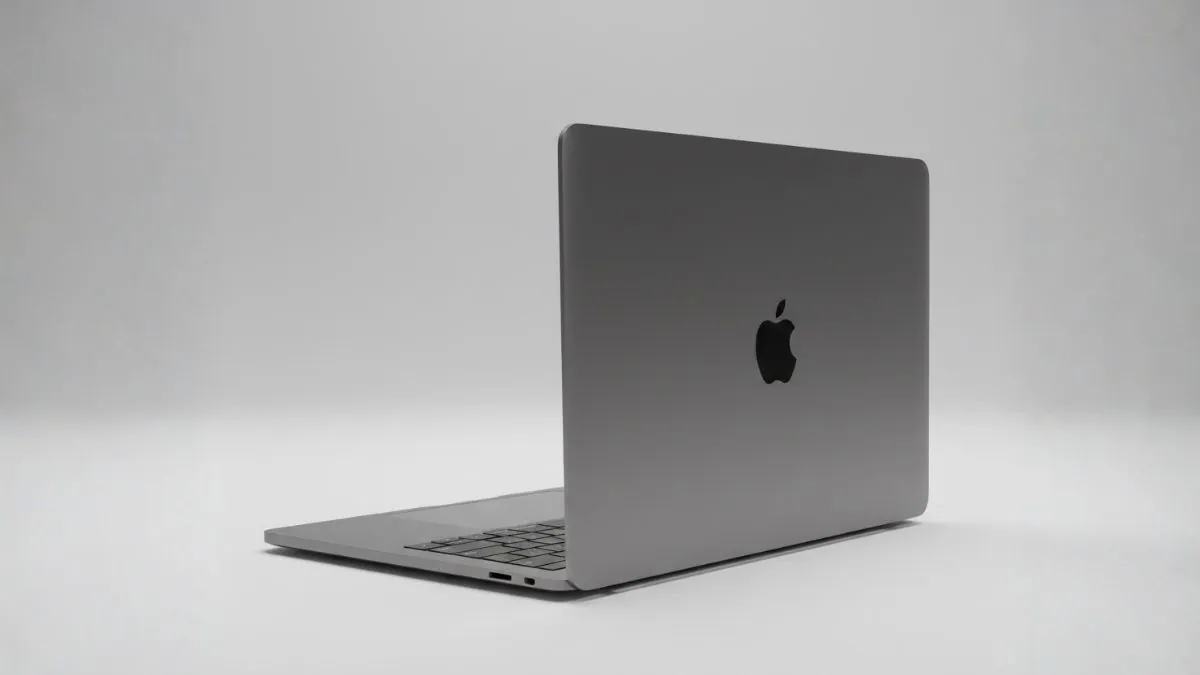
A previously unseen MacBook hardware reference has been discovered inside the latest macOS 26.3 beta, also referred to in some reports as macOS Tahoe 26.3. The entry appears as a new board ID within the operating system’s device support tables, separate from all currently shipping MacBook Air and MacBook Pro mappings. The identifier does not correspond to any known SKU in Apple’s active lineup.
Apple routinely seeds macOS builds with board identifiers ahead of hardware launches. These internal references typically enable software compatibility before a public announcement. The important detail here is that this board ID is not mapped to any existing MacBook configuration. That strongly suggests Apple is preparing support for an unreleased model.
At this stage, no specifications, pricing, or release timeline have been confirmed. The only verified fact is the presence of a new MacBook board ID inside macOS 26.3. However, the discovery has triggered speculation because of what it may signal about Apple’s pricing strategy.
Apple’s MacBook Air has maintained a starting price of $999 in the United States for several product cycles. While older models occasionally drop below $900 during promotional periods, those are temporary discounts rather than permanent structural pricing changes. A critical distinction is whether this new hardware reference indicates a lasting lower-priced tier rather than short-term discounting of previous-generation inventory.
If Apple introduces a MacBook closer to the $799 range, it would represent the company’s most direct push into the sub-$900 mainstream segment in years. That shift would place Apple into more direct competition with midrange Windows systems.
The broader competitive landscape illustrates why the pricing boundary matters.
| Segment | Typical Price Range | Common CPU Class | Market Positioning |
|---|---|---|---|
| Windows Mainstream | $600–$800 | Ryzen 5 / Core i5 | High-volume, aggressive retail pricing |
| ARM Windows | $700–$900 | Snapdragon X Elite / X Plus | Efficiency-focused thin-and-light systems |
| Apple MacBook Air | ~$999 base | M-series Apple Silicon | Premium entry with strong battery life |
Windows OEMs frequently ship 16GB RAM and 512GB SSD configurations within the $700–$800 bracket. Qualcomm’s Snapdragon X Elite and X Plus platforms are targeting battery life and efficiency in this same price range, historically one of Apple’s strongest differentiators. If Apple crosses below the $999 threshold with a permanently lower tier, the competitive framing changes from premium alternative to direct mainstream contender.
Historically, Apple has lowered effective pricing through segmentation rather than by reducing industrial quality. During the M1 transition, Apple kept the M1 MacBook Air available alongside newer models, using it as a value anchor while maintaining higher-tier configurations above it. When Apple adjusts pricing tiers, it typically relies on silicon binning, limiting GPU core counts, reducing base storage, or deploying prior-generation chips rather than altering chassis materials or build standards.
A realistic scenario would involve a prior-generation M-series chip with fewer GPU cores enabled, paired with 256GB base storage and controlled memory ceilings. That would preserve macOS performance consistency while reducing bill-of-materials costs. Apple’s vertically integrated silicon model gives it flexibility that most Windows OEMs do not have.
Also Read: Apple MacBook Pro M5 Review: Full Spes, Real Performance, Battery & Testing
There is also a scale advantage to consider. Expanding shipment volume of lower-tier MacBooks would increase Apple Silicon utilization rates and improve yield economics. Higher chip volume spreads fixed research and fabrication costs across more units, supporting long-term margin sustainability even if per-unit profit declines. A broader install base also strengthens Apple’s services revenue ecosystem.
Apple has historically targeted students and institutional buyers with entry-tier Macs, particularly in regions where sub-$900 pricing influences bulk purchasing decisions. A permanently lower-priced MacBook would strengthen Apple’s position in those procurement cycles, especially as Windows vendors aggressively discount Ryzen and Core-based laptops.
The strategic contrast between platforms remains clear.
| Factor | Apple Silicon MacBook | Sub-$800 Windows Laptop |
|---|---|---|
| Architecture | ARM, vertically integrated | x86 or ARM, OEM diversified |
| Battery Life | Typically class-leading | Varies by platform and OEM |
| Upgradability | None | Sometimes user-upgradeable |
| OS Integration | Hardware-software optimized | Broad hardware compatibility |
| Resale Value | Historically strong | Faster depreciation |
Apple’s strength lies in tight hardware-software integration and long-term ecosystem retention. Windows systems compete heavily on specification-per-dollar value and hardware flexibility. A lower-priced MacBook would test whether ecosystem value can compete directly against aggressive hardware pricing.
It is unclear whether the device would replace an existing MacBook Air configuration or sit alongside the current lineup. The specific chip choice is unknown, including whether Apple would use an M2, a cut-down M3, or another binned variant. It is not confirmed whether the system would maintain a fanless thermal design. Memory configuration limits are also unclear, particularly whether 16GB would remain configurable at entry pricing. Chassis size is uncertain, including whether it would remain a 13-inch form factor.
Some observers suggest the reference could align with Apple’s typical spring hardware window, though no event has been announced. Apple frequently prepares macOS support weeks ahead of product launches, but internal board IDs alone do not confirm timing.
Also Read: Apple Reportedly Planning $699 MacBook With A-Series Chip for March
For buyers, the practical question is whether to wait. Those needing a laptop immediately should compare current MacBook Air pricing with competitive Windows offerings. Buyers focused on sub-$900 budgets may prefer to monitor Apple’s next hardware announcements. The more meaningful development would be a permanently lower price tier rather than temporary discounting of older models.
At present, the only confirmed detail is the presence of an unreleased MacBook board ID within macOS Tahoe 26.3. There are no leaked benchmarks, regulatory filings, or official specifications tied to the identifier. Everything beyond the software reference remains interpretation.
If Apple formally introduces a MacBook below its long-standing $999 entry point, the shift would be strategic rather than incremental. It would place Apple directly into the highest-volume segment of the global laptop market, increasing competitive pressure on sub-$800 Windows systems powered by Ryzen, Core, and Snapdragon silicon.
Until Apple confirms new hardware, the macOS 26.3 reference signals preparation, not product details. But if that identifier corresponds to a permanently lower-tier MacBook, it could represent Apple’s most significant expansion into mainstream pricing in years.
Source: Macworld