
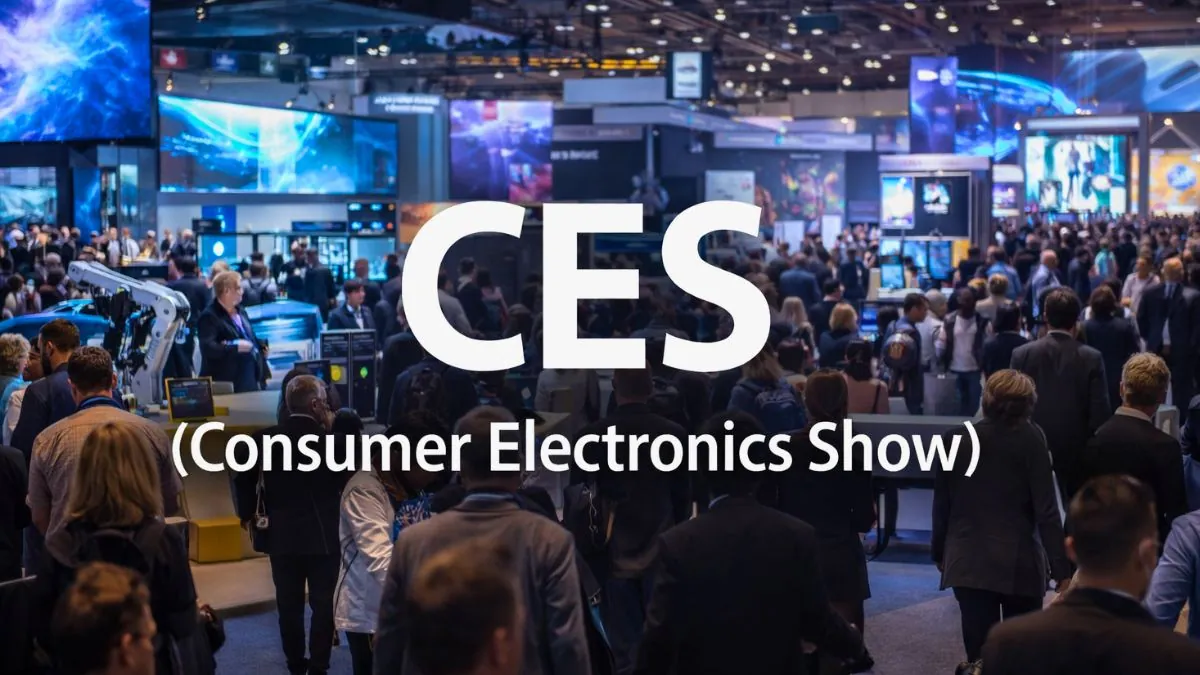
CES (Consumer Electronics Show) has always shown where the technology industry is headed, but CES 2026 stands out as a major moment for how artificial intelligence is being used. This isn’t just another year of minor product updates or early AI demos. CES 2026 focuses on AI systems designed to operate in real-world scenarios.
Over the past two years, generative AI has dominated the headlines. Language models, image generation, and AI copilot tools have transformed how people work, create content, and use software.
At CES 2026, the focus is shifting to physical AI. These are systems that can perceive their surroundings, make decisions, and take action. Robots navigating factory floors, self-operating laptops, vehicles integrating sensors with intelligence, and edge devices operating without constant cloud access are all part of this shift.
CES 2026 will take place in Las Vegas from January 6th to 9th, 2026, with Media Days on January 4th and 5th. At the Las Vegas Convention Center, The Venetian, Fontainebleau, and The Sphere, the industry will focus on a central question: How can artificial intelligence become practical, autonomous, and useful at scale?
This guide brings together dates, keynotes, logistics, and industry analysis in one place for anyone closely following CES 2026.
This guide is written and maintained by an independent technology editorial team covering CES, silicon platforms, and emerging computing trends. The page is updated before, during, and after CES 2026 to reflect confirmed announcements, verified schedules, and post-event analysis.
Table of Contents
Recent Updates
- January 1, 2026: Added a new How to Register for CES 2026 section with step-by-step guidance covering badge selection, verification requirements, payment, on-site badge pickup to help attendees prepare ahead of the event, and FAQs related to fees.

- December 24, 2025: Initial publication of the CES 2026 guide, covering event dates, venues, keynote schedules, logistics, and major technology themes.
CES 2026 Dates, Location, and How the Event Works
CES 2026 follows a multi-phase structure designed to separate major announcements from hands-on product discovery. Understanding how the event is organized is essential for anyone planning coverage, attendance, or remote viewing.
CES 2026 Timeline Overview
| Phase | Dates | What Happens |
| Media Days | Jan 4–5 | Keynotes, major announcements |
| Show Floor | Jan 6–9 | Demos, exhibits, meetings |
| Post-CES | After Jan 9 | Product analysis, shipping timelines |
Media Days are reserved for press conferences, keynote addresses, and closed-door briefings. Historically, this is when the most market-moving announcements are made, before the exhibition halls officially open. Products launched during Media Days often set the narrative for the rest of the week.
The show floor opens on Tuesday, January 6th and runs through Thursday, January 9th. These four days focus on hands-on demonstrations, partner showcases, and meetings between manufacturers, suppliers, and enterprise buyers.
CES 2026 Venues
CES 2026 is spread across multiple venues in Las Vegas, each playing a distinct role in the show’s ecosystem.
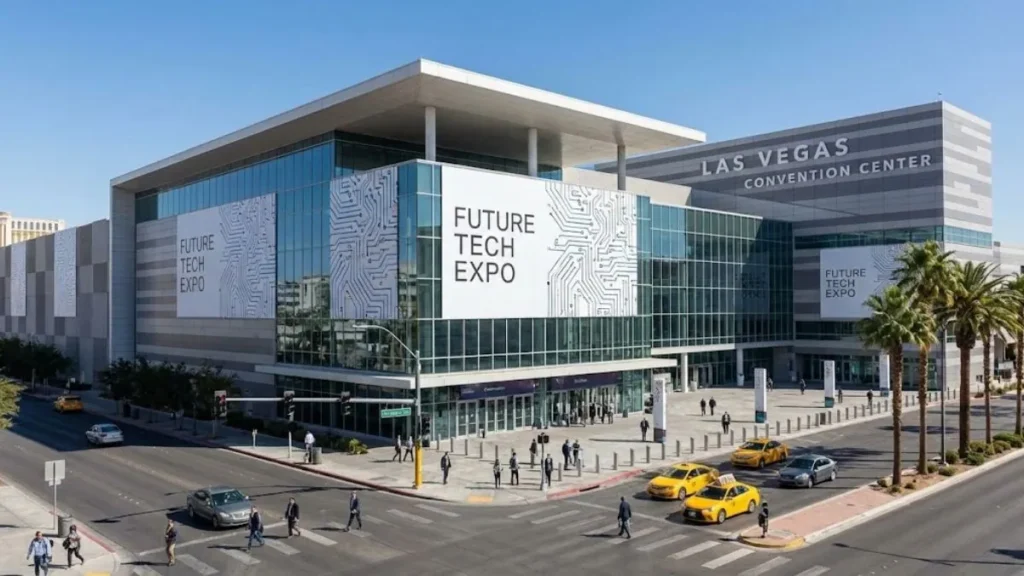
1. Las Vegas Convention Center (LVCC)
The LVCC remains the central hub of CES. It houses major exhibits related to computing hardware, displays, automotive technology, industrial innovation, and infrastructure. The Central Hall is home to the largest global brands, while the North, South, and West Halls focus on components, mobility, and emerging platforms.
2. The Venetian and Palazzo Expo
These connected venues host digital health, smart infrastructure, advertising technology, and startup exhibits. Eureka Park, CES’s startup-focused pavilion, is also located here and serves as a launchpad for early-stage companies and new product categories.
3. Fontainebleau Las Vegas
Fontainebleau plays a significant role in CES 2026 as a key keynote and enterprise event venue. Several high-profile announcements are expected here, making it a crucial stop for press and analysts.
4. The Sphere
The Sphere adds a new dimension to CES programming. Designed for immersive presentations, it is being used extensively for large-scale product launches and visual demonstrations that emphasize spatial computing, AI-powered visualization, and next-generation interfaces.
How to Register for CES 2026 (Quick Guide)
CES 2026 is a trade-only event, and registration requires professional verification. Completing registration early helps avoid badge delays and access issues during Media Days and show-floor opening.
Steps to Register:
- Visit the official CES registration page and select CES 2026.
- Create or sign in to your CES account using a work email address.
- Choose the correct badge type (Exhibits Plus, Conference, Media, Analyst, or Startup).
- Submit professional verification details such as company role or editorial credentials.
- Complete payment if required; media badges are complimentary upon approval.
- Confirm registration and download the CES app for schedules and venue access.
- Pick up your badge at designated locations in Las Vegas before the show begins.
How CES’s Structure Affects Coverage
CES is not a single-hall exhibition. It operates as a distributed event where timing, location, and access matter. Media days shape headlines and investor reactions, while on-the-show-floor demos ensure that announced products are ready for real-world use.
For professionals, planning based on location and priorities is the only effective approach, rather than attempting to cover everything. Most attendees focus on only one or two locations each day, as traveling between venues during peak hours can be time-consuming.
Registration, Badges, and Transportation
CES is a trade-only event, and access is tightly controlled. Understanding registration options and transportation logistics ahead of time is essential, especially given the scale and dispersion of CES 2026 venues across Las Vegas.
CES 2026 Registration and Badge Types
CES 2026 requires advance registration and professional credentials. The event is not open to the general public.
- Exhibits Plus Pass
This is the most common badge type. It provides access to all official exhibit halls, most brand activations, and keynote livestream viewing areas. It does not include in-person conference sessions or reserved keynote seating.
2. Conference Pass
The Conference Pass includes all Exhibits Plus benefits, along with access to paid conference sessions, panels, and workshops. This badge is designed for executives, enterprise buyers, analysts, and professionals attending CES for strategic planning rather than product discovery alone.
3. Media and Analyst Badges
Credentialed journalists, editors, and industry analysts can apply for complimentary badges. Approval requires verification of editorial role or analytical coverage and typically opens several months before the event.
4. Startup and Investor Access
Founders, investors, and early-stage companies often qualify for discounted registration, particularly those participating in Eureka Park programming at the Venetian Expo.
Registration pricing varies depending on badge type and timing, with early registration offering the lowest rates. On-site registration is possible but strongly discouraged due to limited availability and long wait times.
Badge Pickup Locations
CES badge pickup typically opens several days before the show floor. Common pickup locations include:
- Las Vegas Convention Center
- Venetian Expo
- Select partner hotels
Airport pickup stations operate on a limited basis and are often the fastest option for early arrivals. Waiting until the first morning of the show to collect a badge can result in significant delays.
Transportation Between CES Venues
CES 2026 spans multiple venues that are not all within walking distance. Travel planning directly affects how many briefings, demos, or meetings can realistically fit into a day.
Las Vegas Monorail
The monorail connects the Las Vegas Convention Center with several major Strip hotels and provides one of the most reliable ways to avoid road congestion. It does not reach every CES venue but significantly reduces transit time between core locations.
CES Shuttle Network
Official CES shuttles operate between designated hotels and event venues. Shuttle schedules vary by day and location, and wait times can increase during peak morning and evening hours.
Rideshare and Walking
Rideshare services experience heavy surge pricing during CES, particularly around keynote times. Walking is feasible between closely grouped venues such as the Venetian and Palazzo but can be time-consuming during crowded periods.
Common CES Logistics Mistakes
Even experienced attendees make avoidable mistakes at CES. The most common include:
- Assuming CES is open to the public
- Choosing a Conference Pass when an Exhibits Plus Pass is sufficient
- Underestimating travel time between venues, especially during Media Days
- Delaying badge pickup until the first show morning
Planning registration and transportation in advance is not a convenience—it is a competitive advantage at CES 2026.
Quick Planning Checklist
- Register at least 2 weeks early
- Pick up badge at airport if possible
- Plan one venue per day
- Budget 45–60 minutes between keynotes
Confirmed Keynote Schedule (Full Venue Details)
CES keynotes are not ceremonial openings. They define the technical and commercial narrative that shapes coverage, partnerships, and market reactions throughout the week. At CES 2026, keynote timing and location matter as much as the announcements themselves.
Below is the confirmed keynote schedule, listed in local Las Vegas time.
| Company | Date | Time (PT) | Full Venue Name | Venue Type |
| NVIDIA | January 5, 2026 | 11:30 AM | Fontainebleau Las Vegas | Hotel conference venue |
| AMD | January 5, 2026 | 6:30 PM | Venetian Palazzo Ballroom | Convention ballroom |
| Siemens (Opening Keynote) | January 6, 2026 | 8:30 AM | Las Vegas Convention Center West Hall | Convention center |
| Lenovo | January 6, 2026 | 5:00 PM | Sphere at The Venetian Resort | Immersive venue |
| Samsung | January 7, 2026 | 2:00 PM | Venetian Expo | Exhibition center |
Keynote seating is generally reserved for Conference Pass holders. Attendees with Exhibits Plus passes can typically access livestream viewing areas or watch remotely through official CES channels.
How to Prioritize CES 2026
Not all keynotes carry equal strategic weight. Historically, Media Days keynotes have the greatest impact on industry narratives.
NVIDIA and AMD (January 5): These sessions anchor Media Days and typically introduce the silicon platforms that define the rest of the show. Product announcements here influence OEM designs, enterprise roadmaps, and developer priorities for the next 12 to 24 months.
Siemens (January 6): As the official opening keynote, Siemens sets the enterprise and industrial tone of CES 2026. Its focus on digital twins, industrial AI, and large-scale automation frames how Physical AI moves beyond consumer devices.
Lenovo at The Sphere (January 6): This event is less about specifications and more about experiential positioning. Lenovo’s use of The Sphere emphasizes immersive computing, spatial interfaces, and AI-driven visualization as differentiators.
Samsung (January 7): Samsung’s keynote traditionally focuses on display technology, home ecosystems, and long-term consumer platforms. While less time-sensitive than Media Days announcements, it provides important context for product direction across TVs, appliances, and connected devices.
The Big Three Silicon Giants: NVIDIA, AMD, and Intel at CES 2026
At CES 2026, a three-way strategic battle is unfolding among the companies shaping how artificial intelligence will operate on real-world hardware. NVIDIA, AMD, and Intel have arrived in Las Vegas with distinctly different visions for the future of AI computing.
The competition at CES 2026 isn’t about who can deliver the highest benchmark numbers. It’s about who will define how AI is deployed at the edge, at scale, and under the constraints of real-world challenges. Performance, efficiency, and platform reach are the three competing priorities, and each company is approaching the event with a different interpretation of what matters most.
Strategic Positioning at CES 2026
| Company | Core Strategy | Strength | Trade-off |
| NVIDIA | Maximum capability | Physical AI leadership | Power consumption |
| AMD | Efficiency at scale | Battery-friendly AI | Peak performance |
| Intel | Platform reach | Enterprise deployment | Catch-up narrative |
NVIDIA at CES 2026: From Graphics to Physical AI Platforms
NVIDIA is entering CES 2026 as a major force behind modern AI acceleration, but its focus has shifted beyond traditional GPUs.
While the RTX 50-series mobile graphics for laptops, based on the Blackwell architecture, are expected to be a highlight of the announcements, the bigger story centers on physical AI.
NVIDIA’s strategy emphasizes maximum capability. Its hardware and software stack are designed for complex, real-time decision-making in robotics, simulation, and autonomous systems. Platforms like Isaac Sim and Omniverse exemplify this approach, enabling robots and machines to be trained in virtual environments before operating in the physical world.
Also Read: Best RTX 5080 Laptops
Compared to the previous CES, which emphasized generative AI and rendering performance, NVIDIA’s 2026 messaging is focused on deployment. The company is positioning its silicon as the foundation for robots, industrial automation, and edge systems that need to continuously perceive, think, and act, rather than simply generating output on demand.

AMD at CES 2026: Efficiency, Scale, and Practical AI
AMD is approaching CES 2026 with a different perspective. Instead of directly competing on raw AI throughput, AMD is prioritizing efficiency and accessibility. Its Ryzen desktop and mobile platforms are designed to deliver strong AI performance on devices within strict power and thermal limits.
At CES 2026, AMD’s narrative focuses on making AI practical for mainstream laptops, workstations, and enterprise fleets. By integrating neural processing units into its CPUs and focusing on power-efficient designs, AMD is positioning itself as the silicon provider for organizations that want AI capabilities without relying on the cloud or incurring excessive energy costs.
This efficiency-first approach aligns well with the agentic computing model, where systems perform background tasks autonomously while maintaining long battery life and predictable performance. AMD’s strategy reflects the reality that most AI workloads will run on millions of devices, not just a few flagship systems.
Intel at CES 2026: Platform Reach and AI at Scale
At CES 2026, Intel is focusing on regaining momentum through a range of platforms and integration. Its Core Ultra and enterprise processors emphasize heterogeneous computing, combining CPUs, GPUs, and neural processing units into a unified architecture.
Instead of positioning AI as a premium feature, Intel is integrating it as a standard capability across all its products. This approach aims for widespread deployment, particularly in enterprise and commercial environments where consistency, manageability, and long-term support are more critical than raw performance in isolated benchmarks.
Intel’s messaging at CES 2026 highlights energy-aware AI workloads and system-level optimizations. The goal is not to outperform competitors in individual benchmarks, but to deliver AI functionality that works reliably in everyday laptops, desktops, and professional systems.
Also Read: Best Intel Ultra 9 Laptops
Where CES 2026 Technology Becomes Real
While keynotes at CES set the stage, the show floor reveals what’s actually ready for deployment. CES 2026 is less about grand promises and more about real-world implementation. Every major sector shows a different stage of AI maturity, from products ready to ship to systems still under refinement.
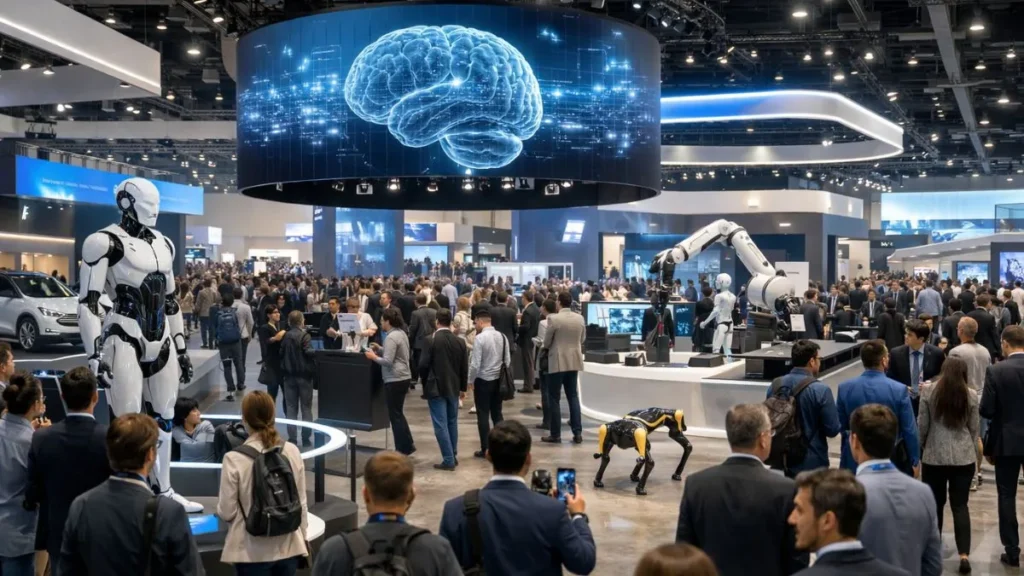
Displays and TVs: From the Resolution Race to Intelligence
Displays are one of the most visible parts of CES, but CES 2026 sees a shift in focus from raw resolution to efficiency and intelligent processing.
Instead of competing solely on brightness or pixel count, manufacturers are emphasizing AI-driven upscaling, adaptive refresh rates, and improved power management. Gaming monitors and large-screen TVs are leveraging more on-device intelligence to improve motion clarity, reduce energy consumption, and extend panel lifespan.
The key shift in 2026 is maturity. Many display technologies that appeared as prototypes in previous years are now nearing production, signaling broader adoption.

AI PCs and Agentic Computing: From Assistants to Autonomy
AI PCs are moving from concept to execution at CES 2026. Instead of showcasing single AI features, manufacturers are demonstrating systems that can perform tasks in the background with minimal user input.
These devices focus on local processing, privacy, and reliability. Tasks like document summarization, image editing, and system optimization run directly on the device rather than relying on the cloud. This reduces latency and makes the systems more robust.
What sets 2026 apart is the intent. AI PCs are no longer simply “AI-ready.” They are designed to operate autonomously within defined parameters.
Robotics and Physical AI: Beyond the Demo Stage
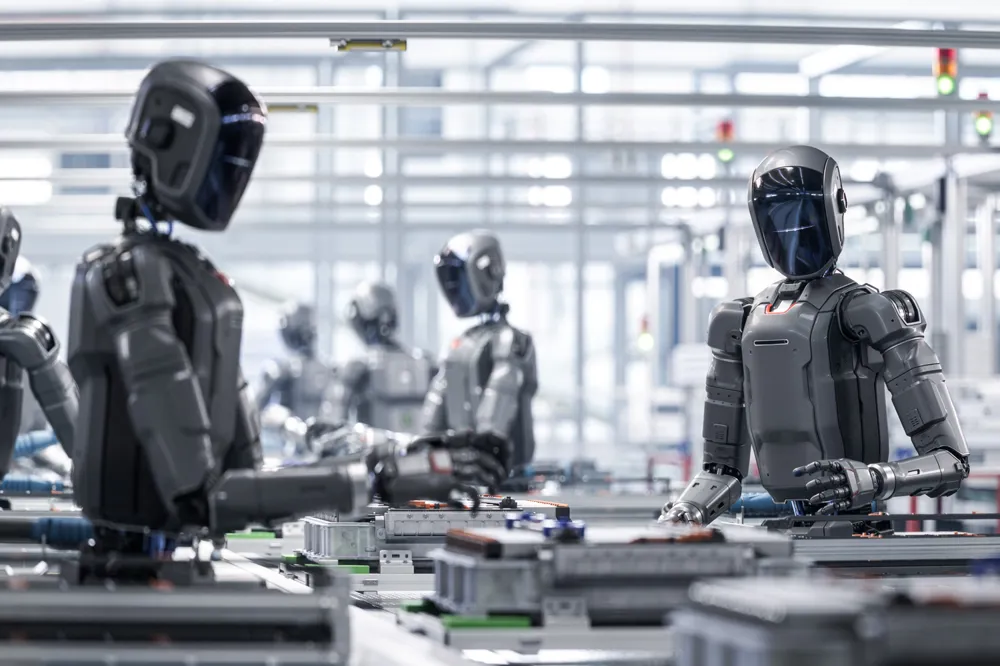
Robotics shows the most tangible progress at CES 2026. Instead of choreographed demos, the focus has shifted to repeatable, task-based systems.
Industrial robots, warehouse automation, and inspection platforms dominate the serious showcases. Humanoid robots still attract attention, but the most practical deployments focus on logistics and controlled environments where reliability matters more than flexibility.
Digital twins are playing an increasing role. Virtual testing environments help train robots before deployment, reducing costs and real-world risks.
Automotive and Mobility: Software-Defined Transportation
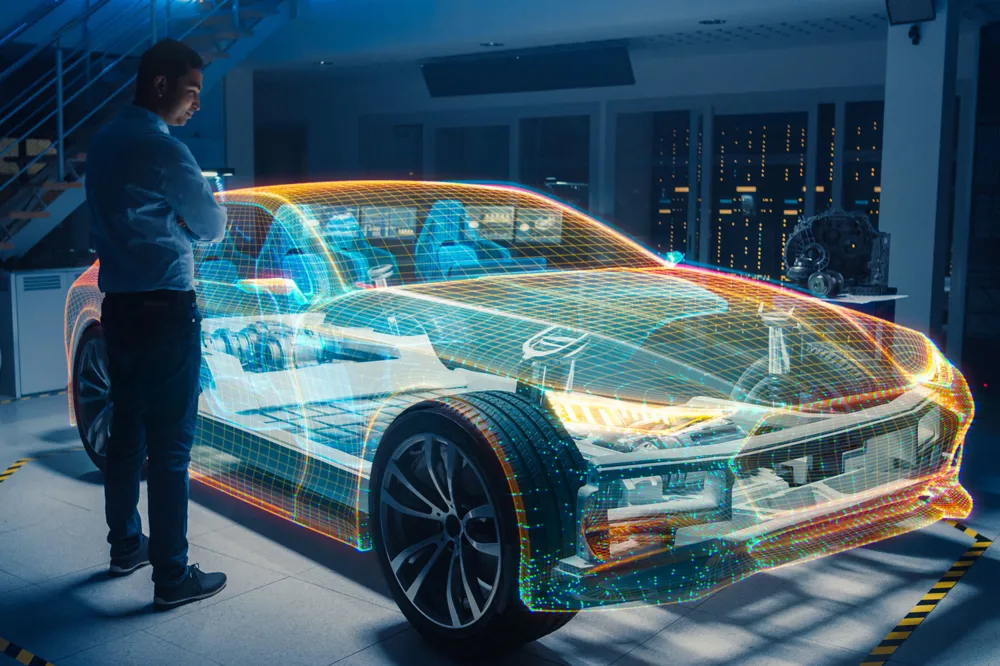
Automotive technology at CES 2026 demonstrates the shift from mechanical design to software-driven systems. Vehicles now function as connected computers, incorporating sensors, infotainment, and AI-based assistance.
Instead of grand promises of self-driving, most demonstrations focus on incremental improvements. Driver-assistance systems, predictive maintenance, and smarter interfaces are prioritized.
Urban mobility concepts, such as electric vertical takeoff aircraft, remain long-term prospects, but show clearer planning and regulatory progress compared to previous years.

Industrial, Health, and Smart Infrastructure
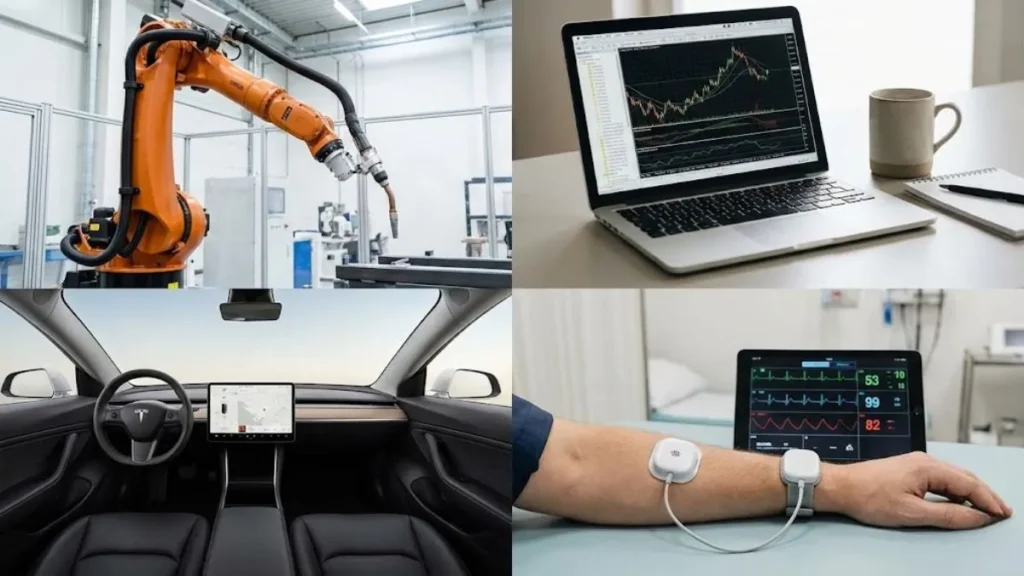
Beyond consumer products, CES 2026 also emphasizes AI systems used in critical environments. Digital health platforms, smart factories, and connected energy systems demonstrate how AI is being applied where errors can have serious consequences.
In healthcare, accuracy and transparency matter more than speed. In the industry, AI focuses on reducing downtime, improving efficiency, and managing energy consumption.
This sector reinforces a key theme of CES 2026: AI is moving into areas where trust and reliability are crucial.
Why CES 2026 is a Turning Point for the Technology Industry
Instead of focusing on futuristic concepts, this year’s event highlighted systems ready for everyday use in homes, offices, factories, and vehicles.
In previous CES events, innovation often outpaced practical application. CES 2024 and CES 2025 showcased many impressive demos, but most relied on cloud services, limited rollouts, or long-term plans. CES 2026 is different. The technologies on display are designed for continuous, local, and large-scale operation.
“CES 2026 is the moment when artificial intelligence ceases to be just a feature and becomes infrastructure.”
From Generative AI to Physical AI
One of the biggest shifts at CES 2026 is the move from generative AI to physical AI. Instead of simply creating text, images, or videos, AI systems are now expected to understand their surroundings, make decisions, and take action.
This changes how AI is judged. Robots must perform reliably on the factory floor. AI PCs must complete tasks consistently without constant user input. Vehicles must utilize intelligence not as an add-on, but as a core system. These are no longer just experiments. These are real-world requirements.
Hardware Finally Catches Up to Software
For many years, AI software advanced faster than hardware. Models became more complex, while devices struggled with power consumption and performance limitations. CES 2026 shows that this gap is finally closing.
New processors and system designs allow AI to run directly on devices with consistent performance and improved energy efficiency. This makes AI faster, more private, and more reliable, especially when cloud access is limited.
Consumer and Enterprise Technologies Converge
Another significant trend at CES 2026 is convergence. The same AI systems now power personal laptops, industrial machinery, and smart infrastructure.
Consumer devices are adopting features once reserved for enterprise systems. Simultaneously, enterprise technology is becoming easier to use and more user-friendly. This shortens development cycles and brings new technologies to market faster.
A More Responsible Era of Innovation
As AI moves into physical systems, the stakes are higher. Reliability, security, and compliance matter more than bold claims. CES 2026 reflects this shift. Many products focus on monitoring, transparency, and long-term sustainability. These systems must function correctly in environments where errors can have serious consequences. This marks the beginning of a new era where innovation is measured not only by capability but also by trustworthiness.
Conclusion
CES 2026 reveals a clear shift in how technology is being developed. Artificial intelligence is no longer just a new feature or a demo on a stage. It’s becoming an integral part of the everyday systems that people and businesses rely on.
The most important takeaway from CES 2026 isn’t any single product or announcement. It’s the direction the industry is heading. Hardware and software are now being designed to work together seamlessly, making AI more reliable and easier to use in real-world applications.
CES has always looked to the future. In 2026, it demonstrates that the future isn’t some distant prospect. It’s already being built.
Frequently Asked Questions
Is CES 2026 open to the general public?
No. CES 2026 is a trade-only event and is not open to the general public. Attendance is limited to verified professionals such as manufacturers, retailers, media, analysts, and enterprise buyers. Valid business credentials are required during registration.
When does CES 2026 take place?
CES 2026 runs from January 6th to January 9th, 2026, with Media Days on January 4th and 5th. Most major announcements and keynotes take place during Media Days before the show floor opens.
Where is CES 2026 held?
CES 2026 is held across multiple venues in Las Vegas, including the Las Vegas Convention Center, The Venetian and Palazzo Expo, Fontainebleau Las Vegas, and The Sphere.
Can CES 2026 be viewed online?
Yes. The main keynotes of CES 2026 are livestreamed on the official CES platform and company channels. Registered attendees can also access some virtual sessions via the CES app, but full virtual access to the exhibition halls is not available.
What are the biggest trends at CES 2026?
The biggest trends at CES 2026 include embodied AI, robotics and automation, AI-powered PCs, software-defined vehicles, advanced display technologies, and enterprise-focused AI systems. The key shift is from AI demos to real-world applications.
Is CES still relevant in 2026?
Yes. CES remains one of the most influential technology events because it brings together consumer electronics, enterprise systems, and industrial innovation. In 2026, its relevance is further strengthened by the focus on real-world applications.
How is CES different from Computex or IFA?
CES covers a broader range of industries than Computex or IFA. While Computex primarily focuses on computing hardware and IFA on consumer electronics, CES encompasses silicon, software, robotics, mobility, digital health, and infrastructure.
Who should follow CES 2026 closely?
CES 2026 is important for technology professionals, enterprise buyers, developers, investors, policymakers, and journalists. Consumers planning major technology upgrades can also benefit from following the key announcements.
Should consumers follow the CES 2026 announcements?
Yes. Consumers planning technology upgrades in 2026 can use CES announcements as an early indicator of which products and features will be available later in the year. CES often signals trends that will hit the market in the next 6 to 12 months.
What is the registration fee for CES 2026?
The registration fee for CES 2026 depends on the type of badge and when you register. Exhibits Plus passes are typically cheaper during early registration and the price increases as the event approaches. Conference passes are significantly more expensive as they include access to paid sessions. Media and analyst badges are free if approved.
Is CES 2026 free for media and journalists?
Yes. Credentialed media professionals and industry analysts can apply for a complimentary CES 2026 media badge. Approval requires verification of editorial role and publication credentials, and applications are reviewed manually.
Can I attend CES 2026 with a student or personal email?
No. CES requires registration using a work or professional email address. Student and personal email domains often result in rejection or delayed verification unless accompanied by strong professional credentials.