
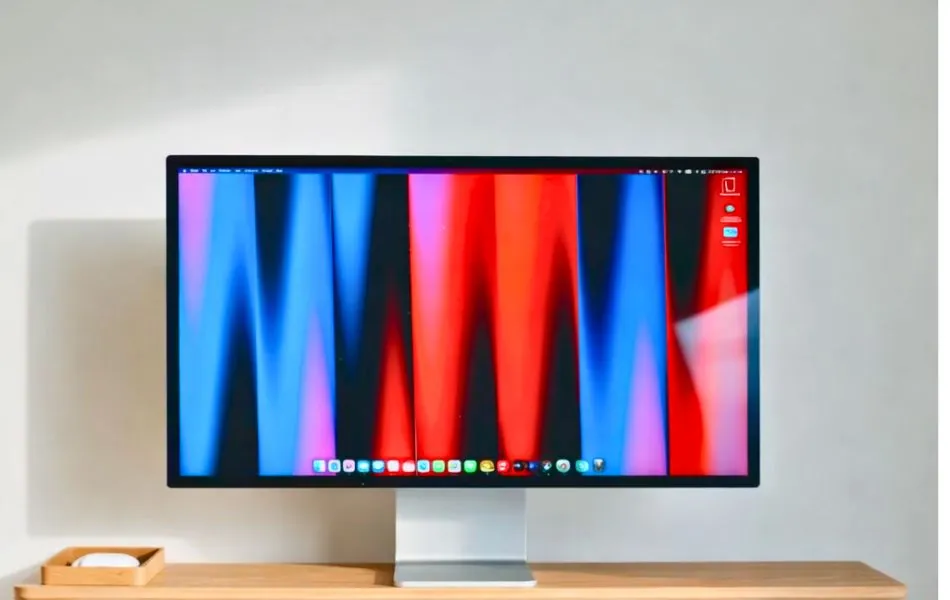
Apple’s long-rumored Studio Display refresh may finally deliver a higher refresh rate. Still, recent evidence of a leak suggests it will fall well short of the 120Hz ProMotion standard found on Apple’s MacBook Pro lineup. Information uncovered in an internal build of iOS 26 indicates that the next-generation Studio Display is currently configured to max out at around 90Hz, rather than offering full ProMotion support.
For MacBook Pro and Mac Studio users, the distinction is more than academic. Apple’s current Studio Display, launched in 2022, remains limited to 60Hz, a constraint that has become increasingly noticeable as smoother scrolling, animation, and UI motion have become standard across Apple’s laptops and tablets. A move to 90Hz would represent a meaningful improvement in day-to-day use, but it would still prevent the display from fully matching the fluidity of a docked MacBook Pro running at 120Hz.
The 90Hz figure is not entirely new. As early as late 2024, reports suggested Apple was experimenting with 90Hz display technology for future monitors and mid-tier devices.
More recently, multiple display controller references found in an internal iOS 26 build appear to corroborate that approach, pointing to a fixed ceiling below ProMotion levels. While Apple has not publicly confirmed any specifications, the presence of these limits in system software has strengthened expectations that 90Hz is a deliberate design choice rather than a placeholder.
Technically, the decision may reflect a tradeoff rather than a simple cost-cutting move. Thunderbolt 5 is capable of driving a 5K display at 120Hz without compression, but doing so consumes a significant portion of available bandwidth. Capping the panel at 90Hz would leave more headroom for daisy-chained peripherals, external storage, and accessory support priorities that matter for professional desktop setups. Power efficiency and thermal constraints could also factor into Apple’s calculus, particularly if the display is expected to run quietly and consistently under sustained workloads.
Beyond refresh rate, the next Studio Display is still expected to receive several notable upgrades. Reports suggest Apple plans to retain the 5K resolution and Thunderbolt connectivity while adding HDR support, potentially enabled by a mini-LED backlight.
The display’s internal processor is also rumored to jump from the aging A13 chip to a far newer A19-class SoC, which would handle image processing, the built-in webcam, and the speaker system. An unreleased Apple monitor model spotted in a Chinese regulatory database earlier this year is widely believed to correspond to this updated Studio Display.
Even with those improvements, the rumored 90Hz ceiling places Apple at odds with broader trends in the professional monitor market. Competing high-resolution displays aimed at creators increasingly offer 120Hz or higher refresh rates, including models that maintain near-5K clarity while prioritizing motion performance. Against that backdrop, Apple’s apparent willingness to stop short of ProMotion stands out as a conservative move.
Also Read: Apple OLED MacBook Pro With M6 Chip Set for Q4 2026 Launch
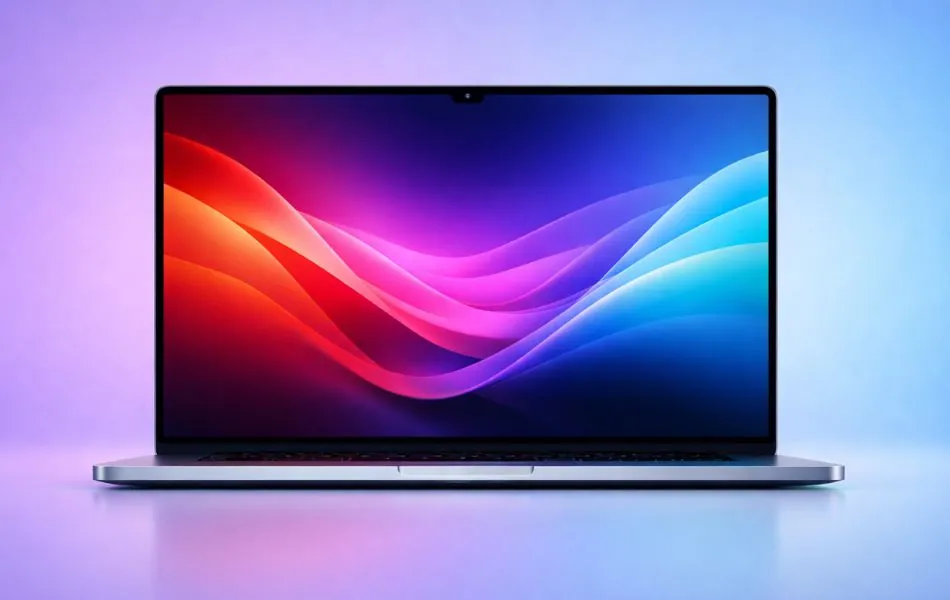
For notebook-centric users, the implications extend beyond a single accessory. Apple has spent years blurring the line between desktop and laptop workflows, with MacBooks frequently docked as primary work machines. In that context, pairing a 120Hz MacBook Pro with a 90Hz external display introduces an unavoidable mismatch in motion smoothness, something that will be immediately noticeable to users sensitive to scrolling, cursor movement, or animation timing.
Apple has not announced a launch date or final specifications, but the next Studio Display is widely expected to debut in the first half of 2026. If the 90Hz limit holds, it would signal a more restrained update than many MacBook users had hoped for, leaving room for a more ambitious follow-up or pushing some professionals to consider third-party displays that better match the capabilities of Apple’s latest notebooks.
Source: MacRumors