
Lenovo ThinkPad T16g Gen 3 DebutLenovo ThinkPad T16g Gen 3 Debuts With Thunderbolt 5 and Tandem OLED but Limits RTX 5080 to 105W
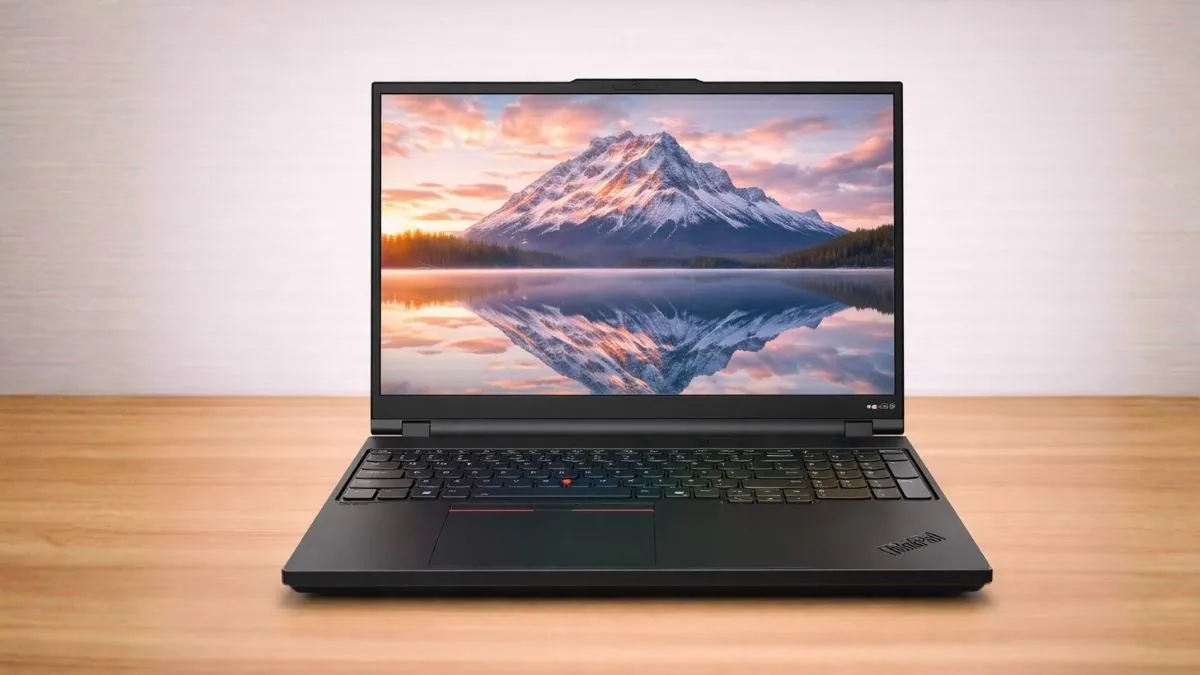
Lenovo has unveiled the ThinkPad T16g Gen 3, a 16-inch mobile workstation powered by Intel’s Core Ultra 9 275HX and Nvidia’s GeForce RTX 5080 Laptop GPU, but early testing indicates the graphics chip runs at a 105W power limit. The launch is notable because it combines next-generation connectivity and display technology with a conservative GPU configuration that places it at the lower end of the RTX 5080 performance range.
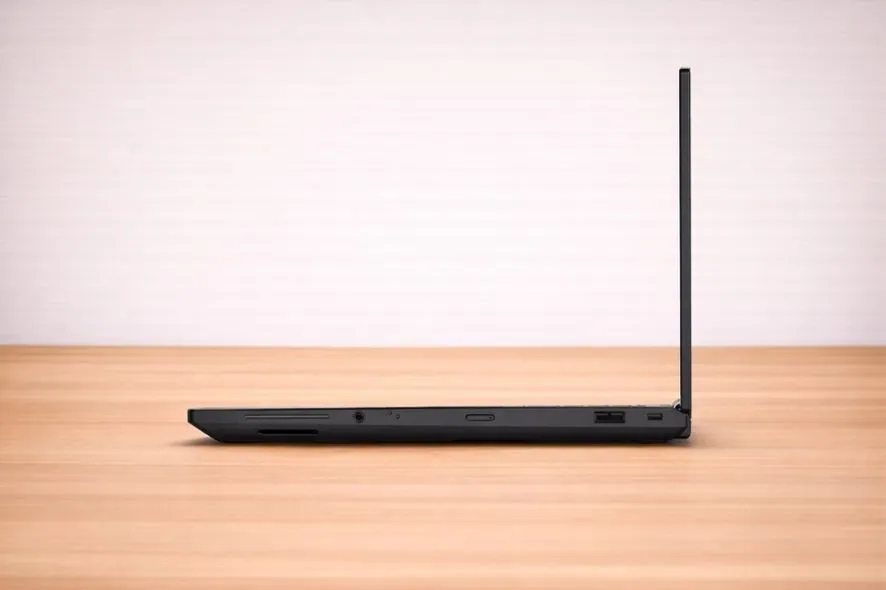
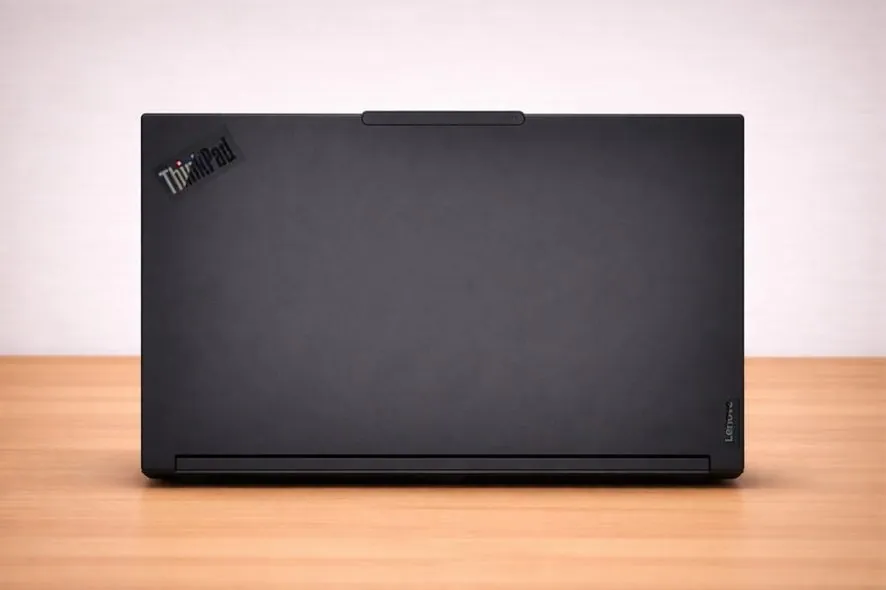
The ThinkPad T16g Gen 3 arrives with dual Thunderbolt 5 ports, a matte 120Hz tandem OLED touchscreen option, Wi-Fi 7, and optional 5G connectivity. Lenovo has also retained strong upgrade flexibility, offering four SO-DIMM slots and support for up to three SSDs. The chassis is slimmer than before and roughly 500 grams (1.102 lbs)) lighter, and the system now ships with a compact 180W USB-C GaN power adapter.
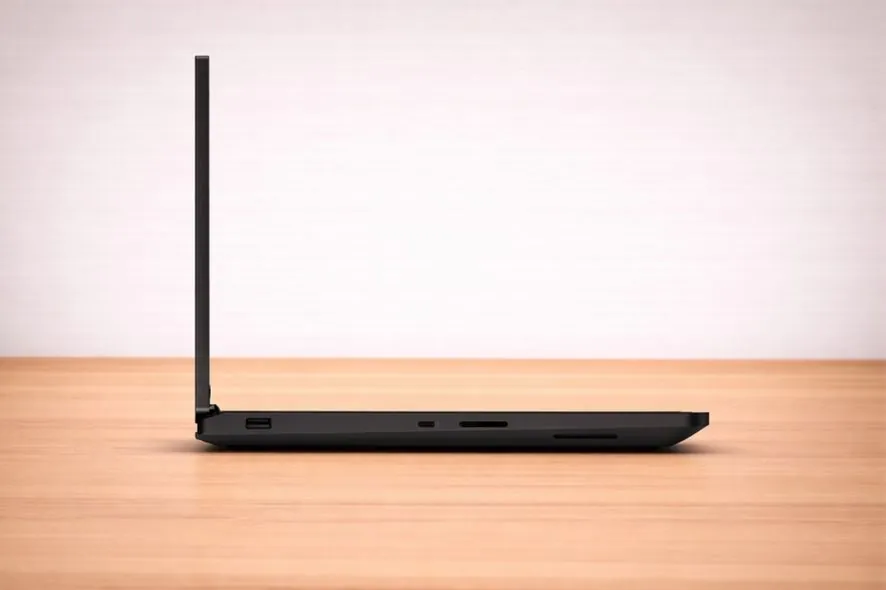
This generation marks a clear strategic shift. Lenovo has separated its 16-inch workstation portfolio into two directions: RTX PRO graphics for certified enterprise deployments and GeForce GPUs for users who want high-end compute without workstation-class drivers. The T16g Gen 3 targets engineers, developers, AI researchers, and creators who prioritize expandability and connectivity but may not require ISV certification.
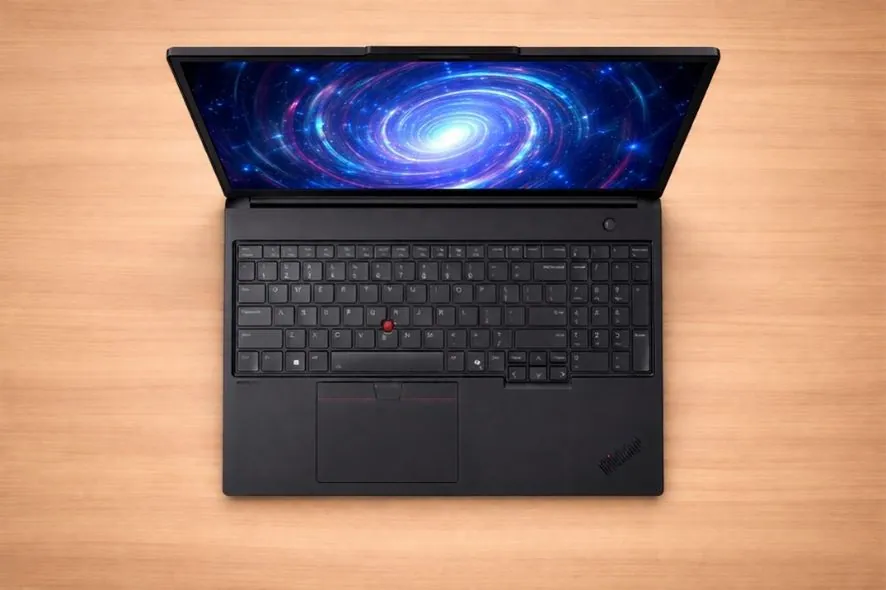
On the surface, the hardware configuration looks high-end. The tandem OLED panel option promises deeper contrast and improved energy efficiency, while the IPS configuration reaches up to 800 nits with full DCI-P3 coverage, a strong fit for media professionals and color-critical workflows.
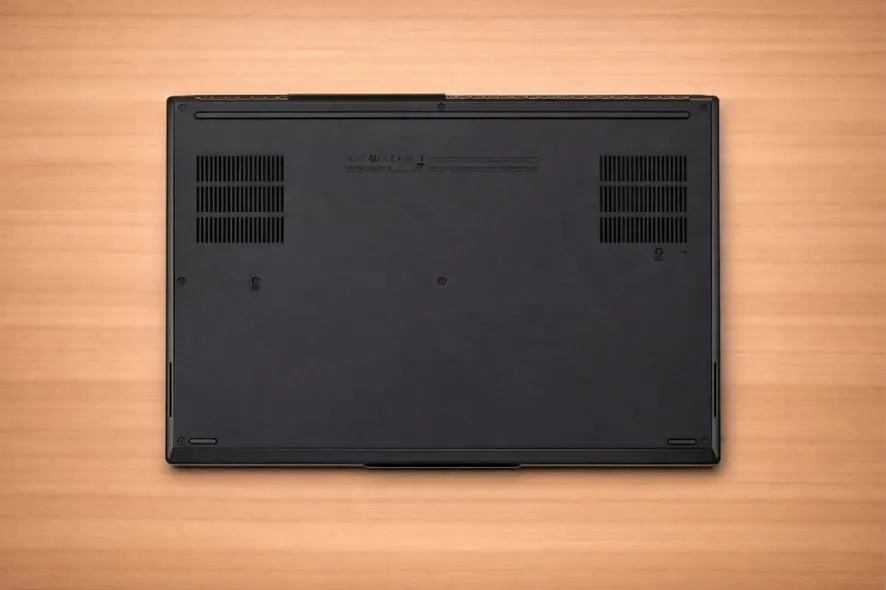
Four memory slots remain rare in this category and allow significantly higher RAM ceilings than most thin workstations. For enterprise IT departments, that level of serviceability and long-term scalability can matter more than short benchmark bursts.
Key Specs
| Category | Specification |
|---|---|
| Processor Options | Intel Core Ultra 7 255HX / Ultra 9 275HX |
| Graphics | NVIDIA GeForce RTX 5080 Laptop GPU (16GB GDDR7) |
| Memory | Up to 4x DDR5 SO-DIMM slots (DDR5-5600) |
| Storage | Up to 3x M.2 SSD (PCIe Gen4) |
| Display Options | 16″ WQUXGA (3840×2400) IPS, 800 nits, 100% DCI-P3 OR Tandem OLED 120Hz Touch |
| Connectivity | Wi-Fi 7 (Intel BE200), Bluetooth 5.4, Optional WWAN (5G) |
| Ports | 2x Thunderbolt 5 (80Gbps), Thunderbolt 4, HDMI 2.1 (8K@60Hz), 3x USB-A 10Gbps, SD Express 8.0, RJ45 |
| Security | dTPM, Fingerprint Reader, Facial Recognition (ThinkShield) |
| Power Adapter | 180W USB-C GaN |
| Durability | MIL-STD-810H tested |
Performance behavior, however, defines the real conversation. The Core Ultra 9 275HX can briefly consume up to 160W under short loads, but sustained workloads see the processor settle into substantially lower power levels. Under extended CPU-only stress, power typically drops to roughly 65–90W after the initial burst phase, indicating that short-term turbo output does not translate into long-duration stability.
The RTX 5080 Laptop GPU is capped at 105W total graphics power, which places it in the entry tier of RTX 5080 configurations. In comparative context, RTX 5080 Laptop implementations typically range from around 105W up to 150W or more in high-performance systems.
Pricing and Availability
Lenovo lists the ThinkPad T16g Gen 3 starting at $3,779.00 in the U.S., positioning it firmly in premium mobile workstation territory. Final pricing varies based on RTX 5080 configuration, RAM capacity, and display option.
RTX 5080 Laptop Power Tier Comparison
| Configuration Tier | Typical TGP | Expected Relative Performance |
|---|---|---|
| 105W (T16g Gen 3) | Entry Tier | Baseline |
| 130W–140W | Mid Tier | ~10–18% higher sustained output |
| 150W+ | High Tier | ~20–30% higher sustained output |
Under combined CPU and GPU stress, the system prioritizes maintaining the GPU’s 105W envelope while significantly reducing processor power. In heavy simultaneous workloads, CPU power can fall to roughly 25W while total system consumption remains around 170W. This behavior suggests deliberate power balancing tied closely to the 180W USB-C adapter ceiling rather than a strict silicon limitation.
The move to full USB-C charging represents one of the most significant architectural changes in this generation. Lenovo has removed its proprietary SlimTip connector entirely, standardizing around USB-C Power Delivery 3.1. From an enterprise deployment perspective, this simplifies docking infrastructure and aligns with modern IT policies. However, the 180W ceiling also directly limits how much combined thermal and electrical headroom is available for higher sustained CPU and GPU loads.
That trade-off becomes obvious when you look at thermals and acoustics. Under heavy load, fan noise can climb toward 57 dB(A), making the T16g Gen 3 louder than many competing workstations. In private environments this may not matter, but in shared offices it could become noticeable during extended workloads.
Real-world impact depends heavily on workload type. CAD modeling, medical imaging analysis, 3D design, and AI-assisted workflows all highlighted by Lenovo as core use cases, may benefit from burst performance and strong GPU acceleration. However, long-duration rendering, Unreal Engine builds, or sustained AI inference sessions may expose the limitations of a 105W RTX 5080 compared to higher-TGP implementations.
The T16g Gen 3 delivers features rarely combined in one machine: Thunderbolt 5 (80Gbps bandwidth), HDMI 2.1 with 8K output support, SD Express 8.0, enterprise-grade ThinkShield security, MIL-STD-810H durability, and Premier Support service options. These capabilities position the system as an infrastructure-friendly enterprise workstation rather than a pure performance-maximized mobile GPU platform.
The broader industry trend is becoming clearer. Mobile workstations are evolving toward thinner designs, universal charging standards, sustainability commitments, and AI-enhanced workflows. GPU branding alone is no longer a reliable performance indicator. Total graphics power, adapter capacity, and sustained cooling behavior increasingly define real-world capability.
Who Should Consider the ThinkPad T16g Gen 3
- Enterprise IT teams standardizing on USB-C infrastructure
- Engineers needing high RAM ceilings and multiple SSD bays
- Creators working in color-critical environments (800-nit DCI-P3 IPS / OLED options)
- Organizations prioritizing security (ThinkShield, dTPM, biometric login)
- Teams valuing MIL-SPEC durability and on-site support
Who May Want Higher-TGP Alternatives
- 3D artists running long Blender or Octane renders
- AI researchers performing extended GPU inference workloads
- Simulation-heavy engineering users
- Buyers expecting top-tier RTX 5080 sustained throughput
The ThinkPad T16g Gen 3 represents a modern workstation built around connectivity, expandability, AI-ready positioning, and standardized infrastructure. Its RTX 5080 configuration delivers capable performance, but within a controlled 105W envelope shaped by the 180W USB-C power ceiling.
For companies focused on serviceability, security, and streamlined deployment, that balance may be intentional. But if your priority is extracting every ounce of sustained GPU performance from the RTX 5080 badge, higher-TGP alternatives will deliver stronger long-run output.
Source: Lenovo