
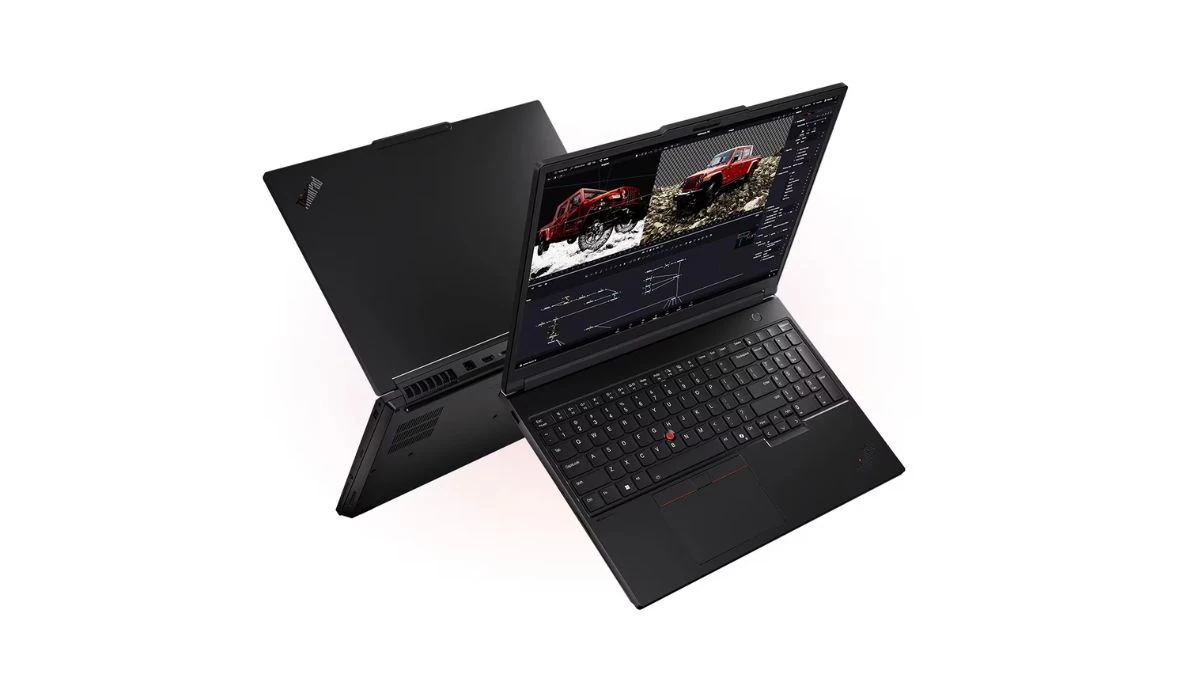
Lenovo has made a bold change to one of the most recognizable parts of the ThinkPad design. The new ThinkPad P16 Gen 3 no longer includes the internal magnesium roll cage, ending a structural feature that has been part of ThinkPad laptops since 2006.
The roll cage first launch in the ThinkPad T60, shortly after Lenovo took over IBM’s PC business. It was not just a design detail. A magnesium frame sat inside the chassis, adding strength and helping protect internal components from pressure and flex. Over time, it became a key reason why ThinkPad workstations were known for durability, especially in demanding environments.
That strength mattered in everyday use. Laptops are often picked up from one side, pressed down while typing, or carried under uneven load. The roll cage helped keep the keyboard deck stable and reduced stress on internal parts. For professionals working in engineering, design, and field environments, that extra rigidity was a real advantage.
With the P16 Gen 3, Lenovo has taken a different direction, continuing changes seen in Lenovo ThinkPad X13 Gen 7. Instead of a separate internal frame, the magnesium structure is now part of the outer chassis. This shift allows the laptop to be thinner and slightly lighter, bringing it closer to modern expectations without stepping away from the workstation category.
The move improves portability, but it also removes a dedicated layer of internal reinforcement that defined earlier ThinkPad models. The previous design added some thickness, yet it delivered a solid, sturdy feel that many long-time users trusted. Changing that approach marks a clear shift in how Lenovo balances strength and design.
At the same time, Lenovo is pushing forward with a major hardware upgrade. The ThinkPad P16 Gen 3 moves to Intel Core Ultra 200HX processors, reaching up to high-end configurations designed for heavy workloads, based on the platform outlined in Intel Core Ultra 200S Plus desktop CPUs. These chips bring stronger multi-core performance along with built-in AI capabilities for newer workflows.
Graphics options extend to NVIDIA RTX Pro Blackwell GPUs, offering more power for tasks such as 3D rendering, simulation, and complex visual work, expanding on developments reported in NVIDIA workstation GPUs. Memory and storage scale up to handle large datasets and demanding projects, keeping the laptop firmly in the workstation class.
Display options also take a step forward. The new 16-inch 3.2K Tandem OLED panel delivers higher brightness and improved color performance, while alternative IPS panels remain available for users who prefer different display characteristics. Connectivity includes next-generation high-speed ports, fast networking, and expanded support for external displays.
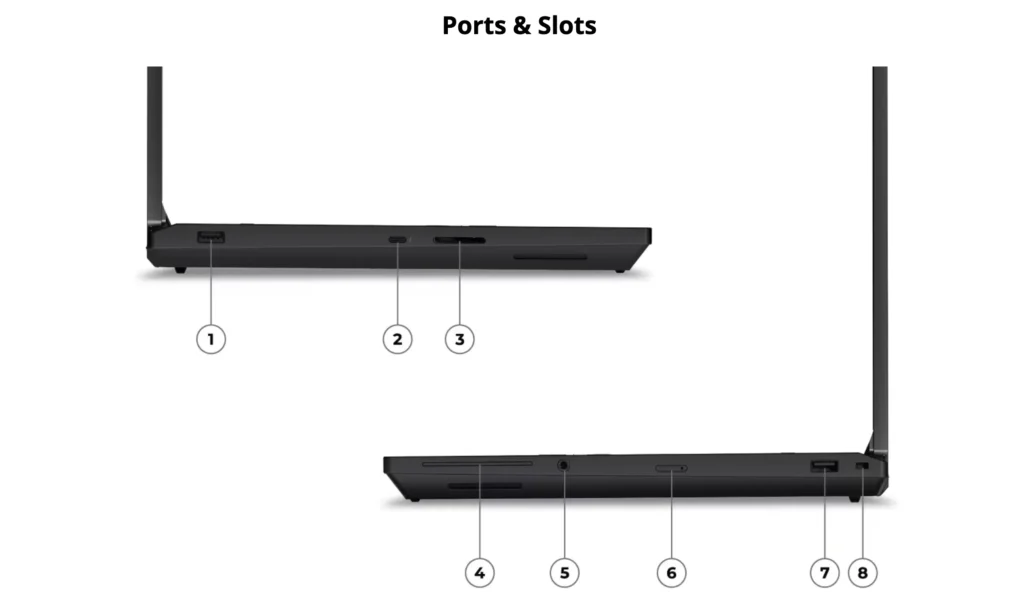
Despite the structural redesign, Lenovo continues to emphasize durability, consistent with systems covered in Lenovo ThinkStation P5 Gen 2. The ThinkPad P16 Gen 3 still meets MIL-STD-810H testing standards and carries certifications for professional software used in engineering and design workflows. On paper, it remains a machine built for demanding use.
The key difference is how that durability is achieved. The roll cage was a clear and visible part of ThinkPad identity for nearly two decades. Removing it changes a long-standing design approach that many users associated with reliability. Lenovo has not yet shared detailed comparisons showing how the new integrated chassis matches the rigidity of the earlier design in real-world conditions.
Pricing reflects its position in the high-end workstation market. The ThinkPad P16 Gen 3 starts at around $2,976, with higher configurations reaching close to $9,500 depending on hardware choices. It is already listed through Lenovo’s official store, with availability expanding.
The ThinkPad P16 Gen 3 brings a thinner and more modern design, but it also closes a chapter that helped define the ThinkPad name. For some users, the lighter build and updated hardware will feel like a clear upgrade. For others, the removal of the roll cage raises a simple question — can this new design deliver the same level of strength that made ThinkPad workstations trusted for nearly 20 years?
Source: Lenovo