
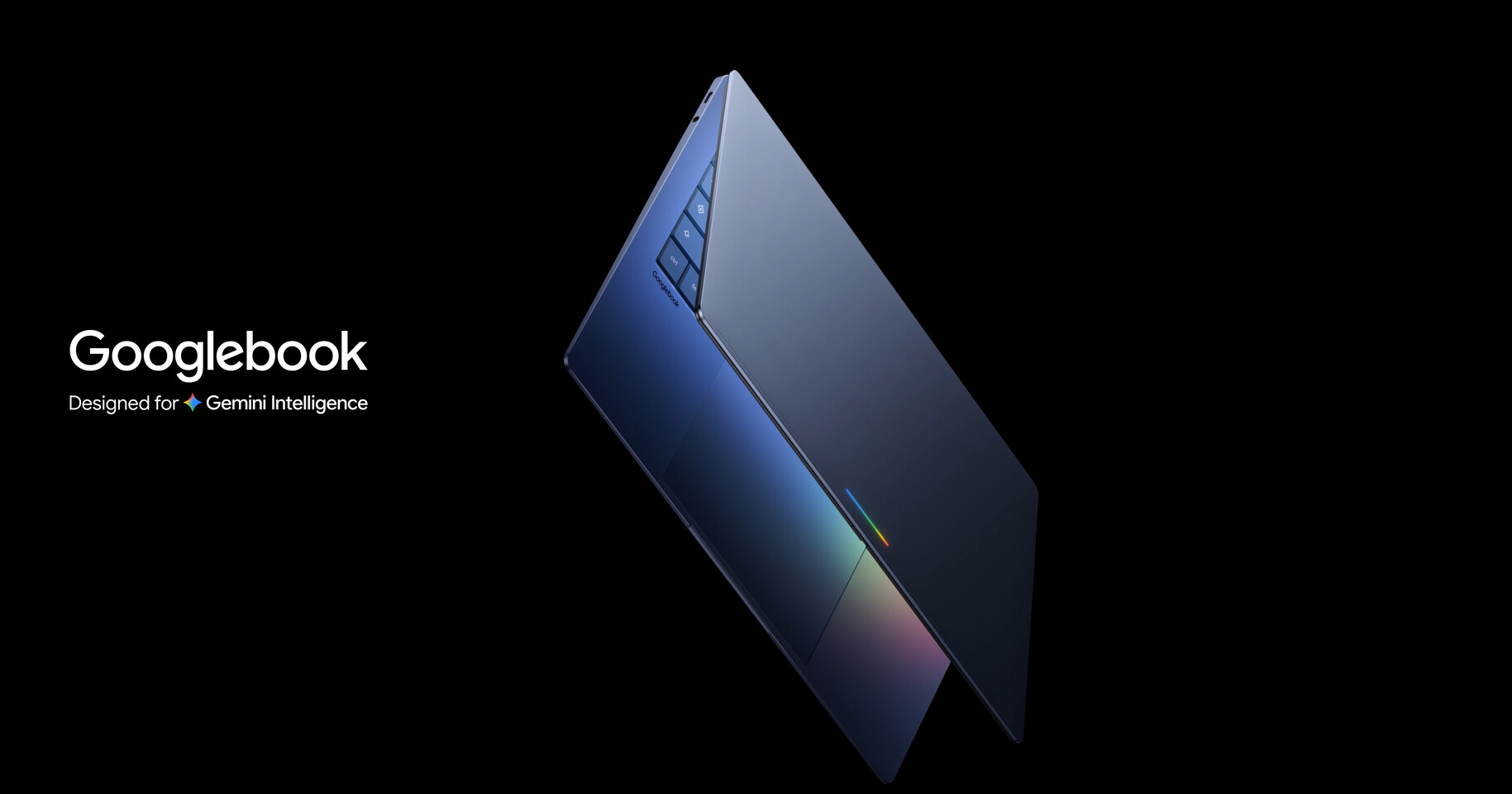
Intel is expected to become one of the key hardware partners behind Google’s upcoming Googlebook laptops, with recent reports pointing to the company’s Wildcat Lake processors for future entry-level and mid-range models.
Google recently confirmed that its new Googlebook platform will support chips from Intel, Qualcomm, and MediaTek as part of its broader AI-focused laptop strategy.
The new platform is designed to move beyond traditional Chromebooks by combining ChromeOS technologies, Android integration, and Gemini AI features into a more premium laptop experience.
According to early platform details, several major PC brands including Acer, ASUS, Dell, HP, and Lenovo are expected to release devices based on the new ecosystem.
Wildcat Lake Could Target Affordable AI PCs
Intel has not officially confirmed the exact processors planned for the first wave of devices. However, multiple industry reports suggest Wildcat Lake is one of the strongest candidates for lower-cost AI laptops.
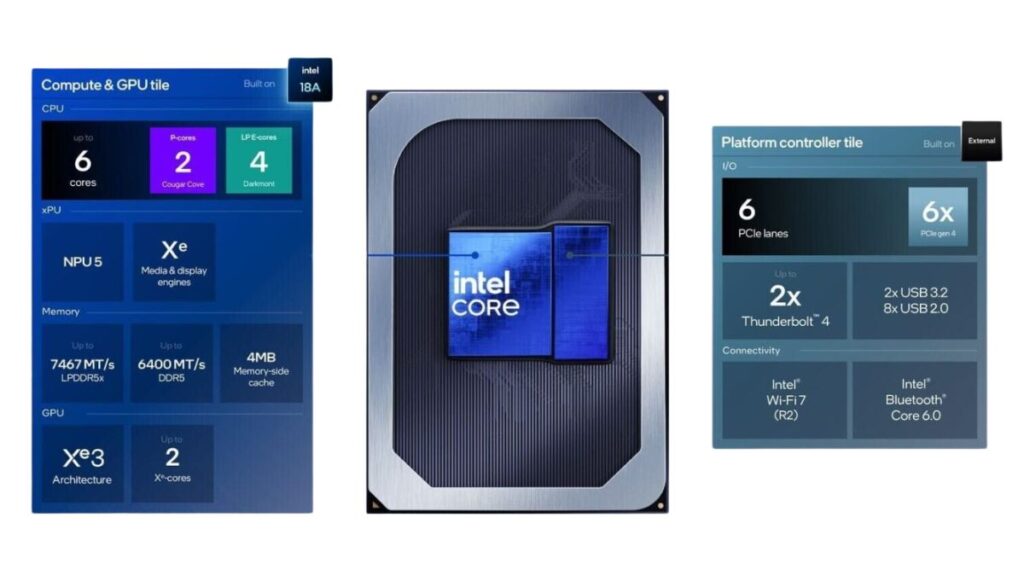
Wildcat Lake belongs to Intel’s Core Series 3 lineup and focuses on low-power mobile systems.
The platform is reportedly built on Intel’s 18A process technology and includes:
- 2 Cougar Cove performance cores
- 4 Darkmont efficiency cores
- Xe3 integrated graphics
- integrated NPU support for local AI tasks
Some early reference systems reportedly operated within an 11W fanless design, suggesting Intel is prioritizing battery life and quieter laptop designs for thinner systems.
Google Is Supporting Both ARM and x86 Platforms
One of the biggest changes with Google’s new laptop strategy is support for multiple processor architectures from launch.
According to reports citing Google VP John Maletis, upcoming systems will include both ARM and x86 hardware configurations.
That gives manufacturers more flexibility across different pricing segments.
Qualcomm is expected to focus more on premium ARM ultraportables, while Intel’s platform appears aimed at affordable productivity laptops where x86 software compatibility still matters for many users.
The approach also shows Google is not fully moving away from x86 hardware despite the growing shift toward ARM-based PCs.
AI Hardware Is Becoming a Requirement
Google is positioning the new platform around Gemini-powered AI features integrated directly into the user experience.
During the announcement, Google demonstrated AI widgets, contextual assistant tools, Android syncing features, and multitasking improvements powered by on-device AI processing.
That makes dedicated NPU hardware increasingly important for future laptops.
Wildcat Lake reportedly includes integrated AI acceleration capable of handling local workloads without relying entirely on cloud processing.
Some reports suggest the platform may deliver around 15 to 17 TOPS of AI performance.
Launch Expected in Fall 2026
Google has already confirmed that the first devices based on the new platform are scheduled to launch in fall 2026.
Full hardware specifications, pricing, and final processor configurations are still expected to be revealed closer to launch.
Sources: Intel on X, ChromeUnboxed, Google Blog