
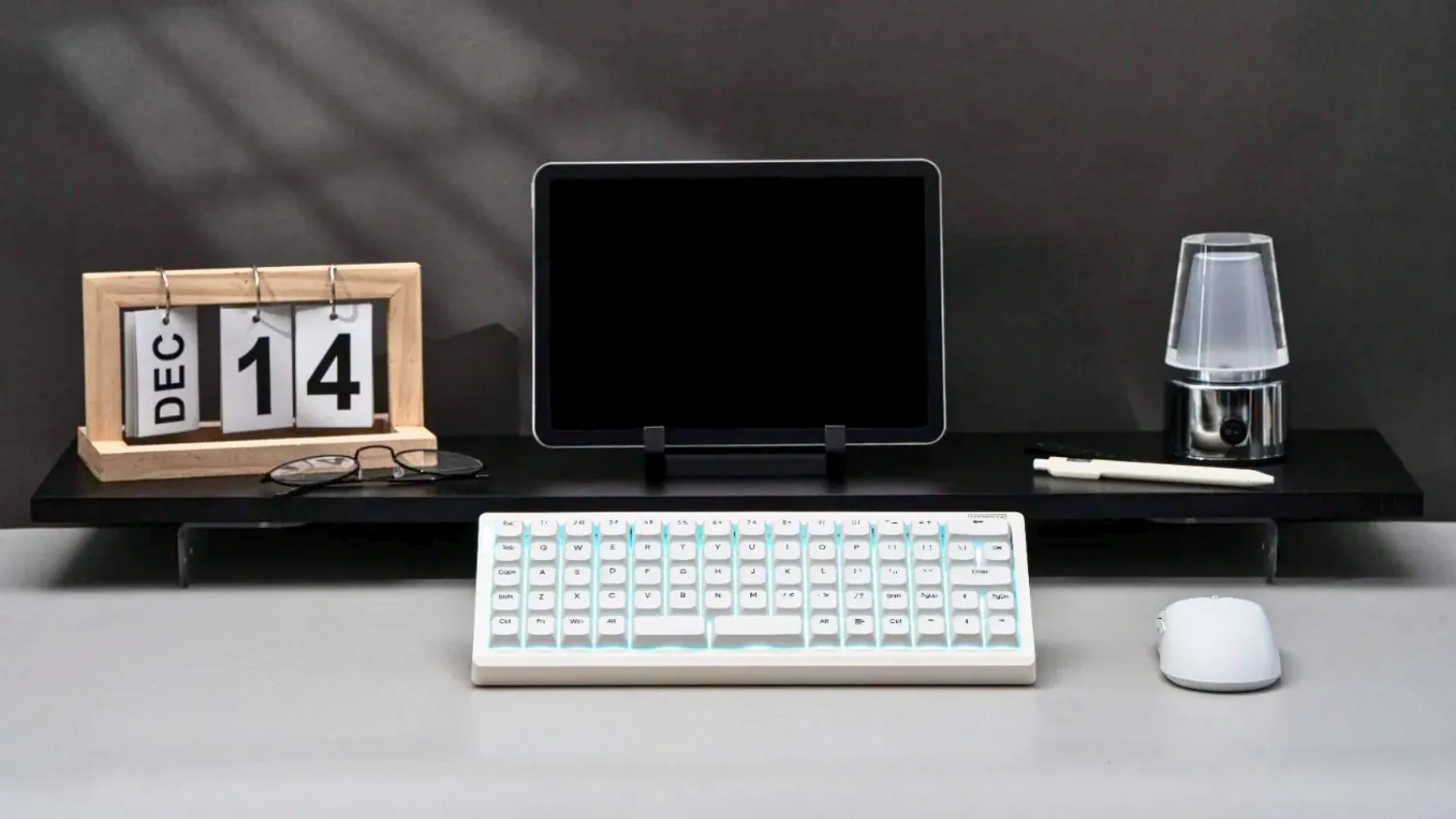
A straight-column key layout remains a rare sight in the mechanical keyboard market, where staggered rows have been the standard for decades. EPOMAKER’s Hack70 takes a different direction with a compact 70-key ortholinear design, pairing the unconventional layout with wireless connectivity, hot-swappable switches, VIA support, and a price tag that sits well below many enthusiast-focused alternatives.
The keyboard is already available in China starting at 369 yuan, while international buyers can purchase it through EPOMAKER’s online store for $89.99. At that price, the Hack70 enters a category where similar ortholinear keyboards often cost significantly more while offering fewer features.
Instead of offsetting each row, every key is arranged in straight vertical columns. The design creates a clean, symmetrical appearance and has attracted a dedicated following among programmers, keyboard hobbyists, writers, and users who spend long hours typing.
Ortholinear layouts are not entirely new, but they remain uncommon compared to traditional keyboard designs. Some users prefer the arrangement because finger movement remains more consistent across the board, while others simply enjoy the cleaner visual structure.
EPOMAKER houses the layout inside a compact 65% form factor with 70 keys. Despite the reduced footprint, the keyboard supports full VIA customization, allowing every key to be remapped. Users can create macros, assign shortcuts, build custom layers, and tailor the layout around specific workflows.
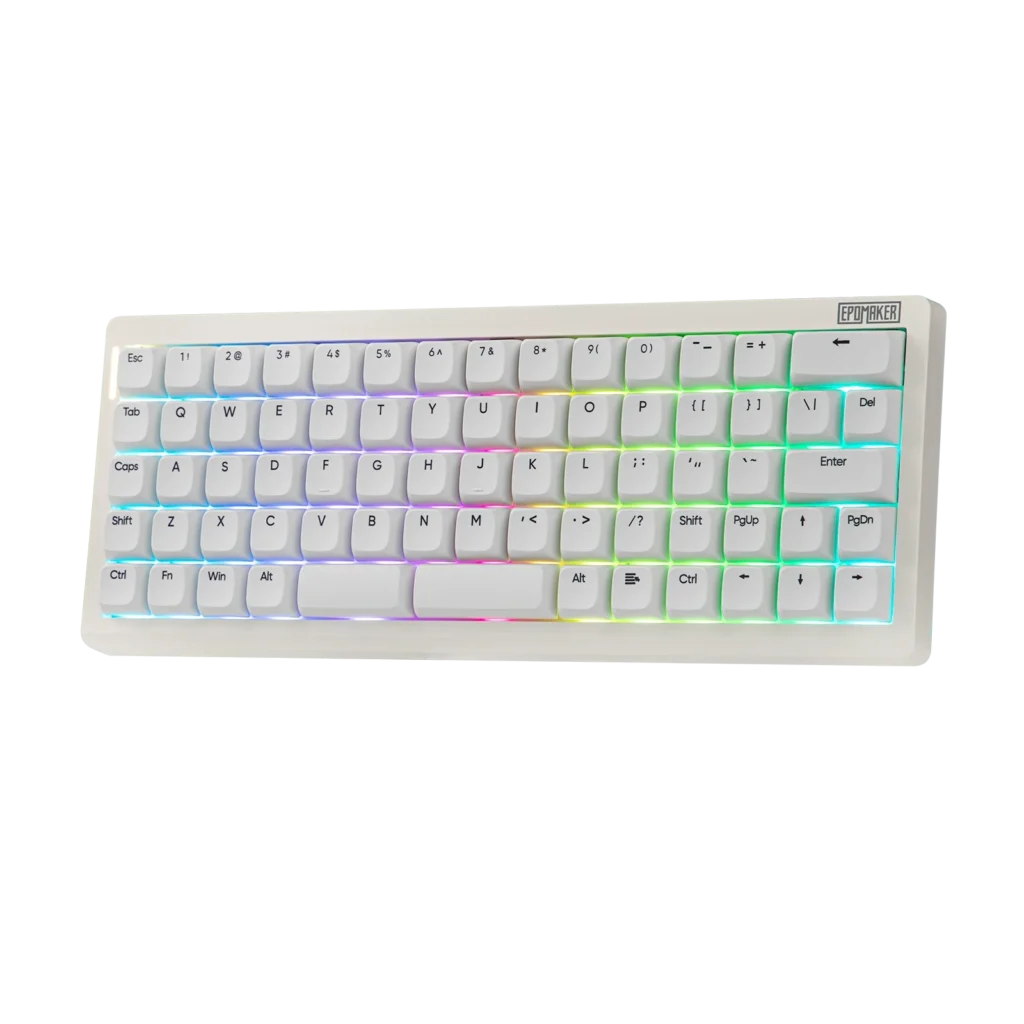
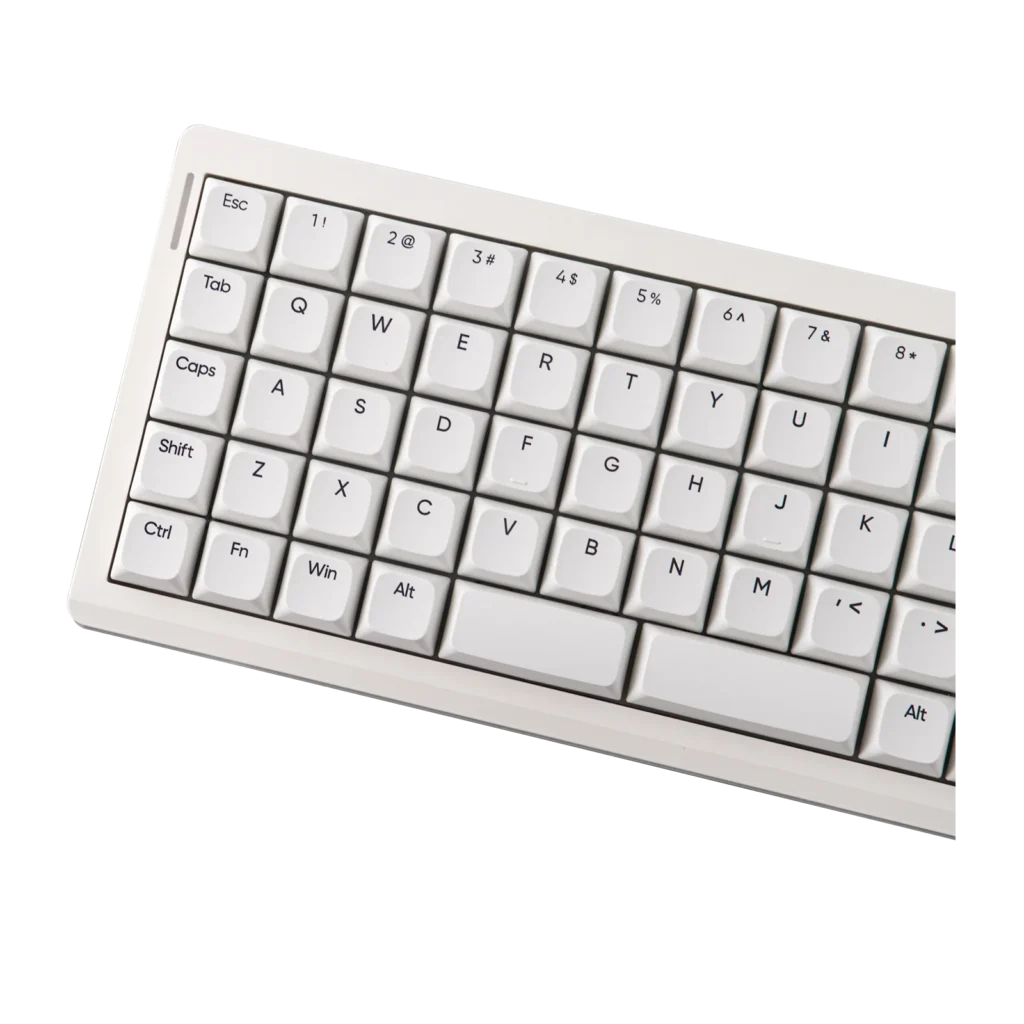
The keyboard arrives in a creamy white finish paired with XDA-profile PBT keycaps. Because every XDA keycap shares the same height, the profile works particularly well with ortholinear layouts. The dye-sublimated legends are designed to resist fading over time, even after extended daily use.
The keyboard uses a gasket-mounted design, a construction method popular in the custom mechanical keyboard community. To reduce vibration and soften keystroke acoustics, EPOMAKER layers several damping materials inside the case, including PE film, IXPE switch pads, EPDM foam, silicone, and other sound-absorbing materials.
Those materials help reduce unwanted resonance and create a more controlled typing sound. Mechanical keyboard enthusiasts often pay close attention to acoustic characteristics, and EPOMAKER has clearly spent time refining this aspect of the Hack70.
The keyboard ships with pre-lubed Creamy Jade linear switches. These switches are designed to deliver a smooth keypress immediately out of the box without requiring additional modifications.
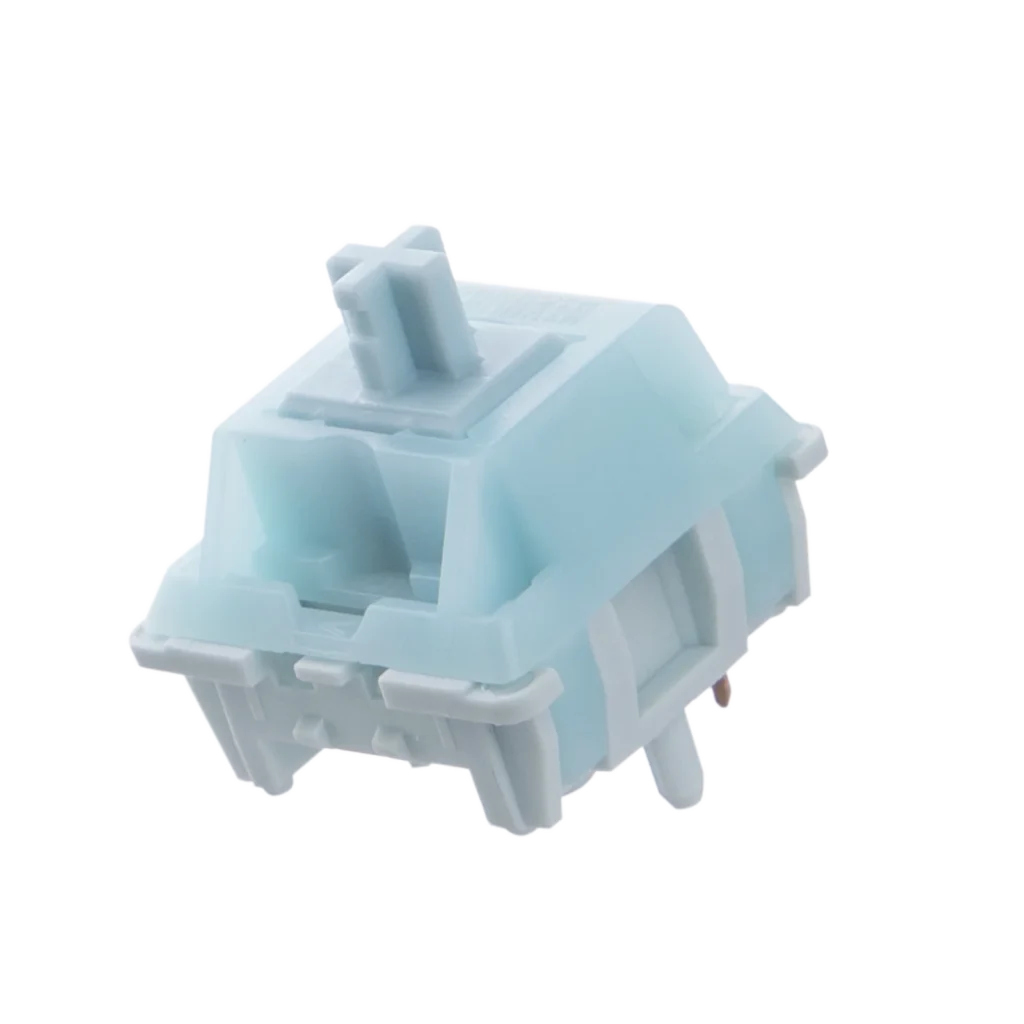
The PCB supports full hot-swap functionality, allowing owners to replace switches without soldering. This makes it easy to experiment with different switch types in the future, whether users prefer linear, tactile, or clicky options.
Per-key RGB lighting is integrated through south-facing LEDs. Lighting effects, colors, and brightness levels can be adjusted according to personal preference, while the south-facing design improves compatibility with a wider range of aftermarket keycap sets.
Connectivity extends beyond a standard wired connection. The Hack70 supports USB-C, 2.4GHz wireless, and Bluetooth modes, giving users flexibility across different devices and workspaces.
Compatibility covers Windows, macOS, Android, PlayStation, Xbox, and Nintendo Switch devices. That broad support allows the keyboard to move between gaming setups, workstations, laptops, and mobile devices without requiring separate hardware.
Performance figures are stronger than what many buyers would expect at this price level. The keyboard supports a 1000Hz polling rate in both wired and 2.4GHz wireless modes. EPOMAKER lists latency figures as low as 3ms over a wired connection and 5ms through 2.4GHz wireless.
Power comes from a built-in 3000mAh battery. The company rates battery life at up to 72 hours, although real-world endurance will vary depending on lighting brightness and usage patterns.
The keyboard measures 30.24 cm by 11.85 cm and weighs 676 grams. A two-stage kickstand supports typing angles of 6, 9.5, and 13.5 degrees, giving users multiple positioning options without requiring additional accessories.
Source: Epomaker