
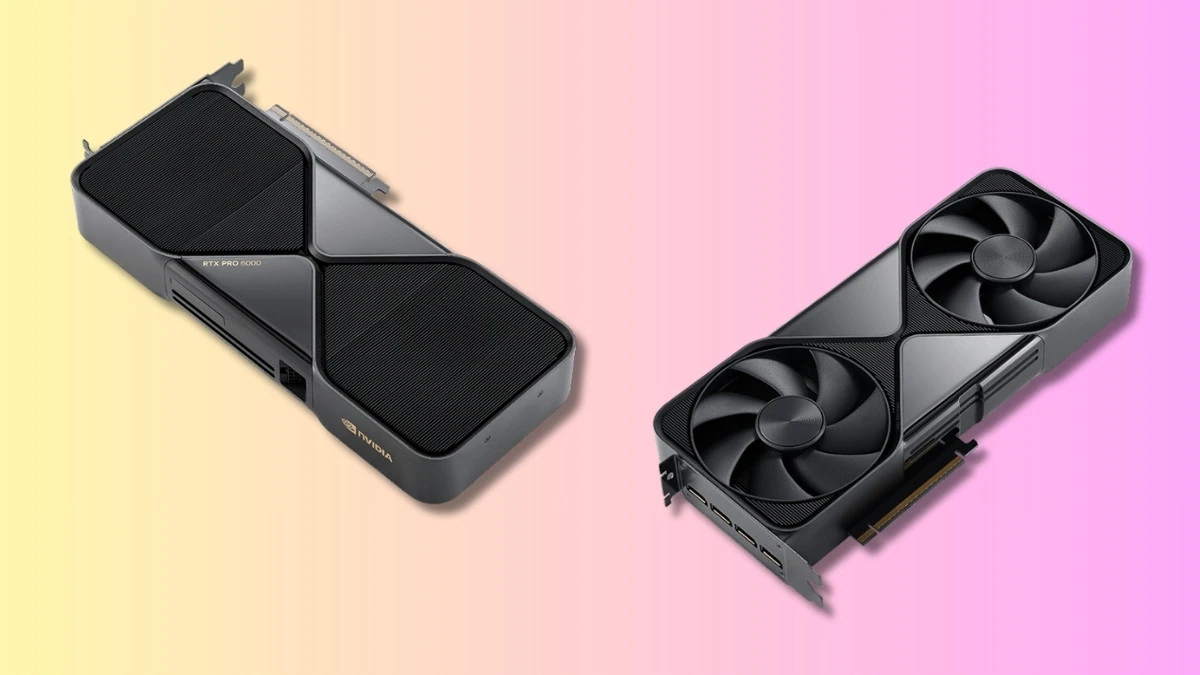
NVIDIA has added the RTX PRO 6000 Blackwell Workstation Edition to its Marketplace with a listed price of $13,250. The product page is currently marked out of stock, but the listing provides the first direct price from NVIDIA’s own storefront for the company’s flagship Blackwell workstation graphics card.
The figure is noticeably higher than the prices seen when the card first reached retailers and distribution partners earlier this year. Early US listings typically ranged between $8,400 and $8,600, while some preorder offers briefly dropped as low as $7,673. Based on that lowest preorder price, the Marketplace listing is roughly 73% higher.
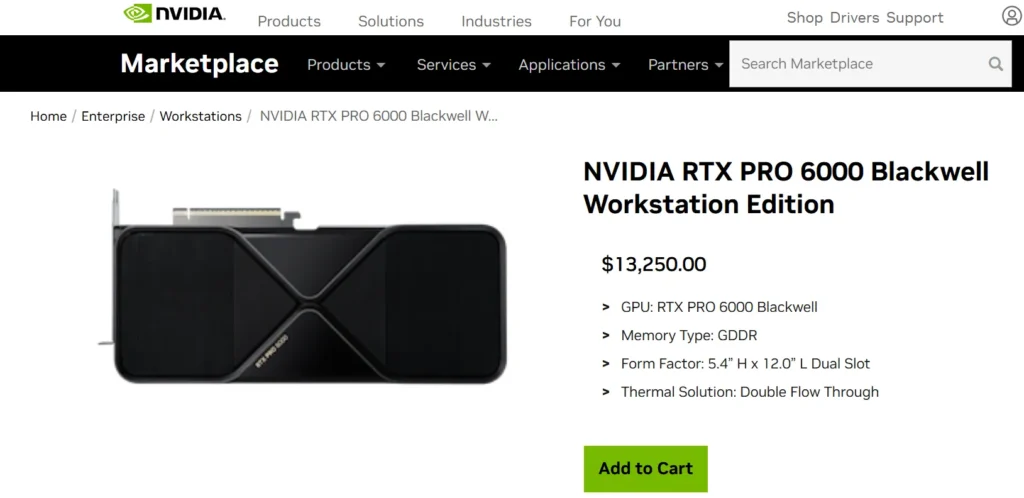
NVIDIA has not announced a revised MSRP for the RTX PRO 6000 Blackwell Workstation Edition. The newly published figure appears to reflect NVIDIA’s direct storefront pricing rather than a broader pricing change across the workstation market. Pricing through system integrators, enterprise distributors, and regional partners may continue to vary.
Specifications remain unchanged from the Blackwell workstation GPU NVIDIA introduced earlier this year. The card combines 24,064 CUDA cores with 96GB of ECC-equipped GDDR7 memory on a 512-bit interface, delivering up to 1.79 TB/s of memory bandwidth. NVIDIA also rates the RTX PRO 6000 for up to 4,000 AI TOPS and a 600W board power draw.
The card targets professional workloads where memory capacity and software certification often matter more than gaming performance. Typical deployments include AI development, engineering simulation, rendering, scientific computing, and digital twin projects.
Also Read: Best Gaming Laptops for Students
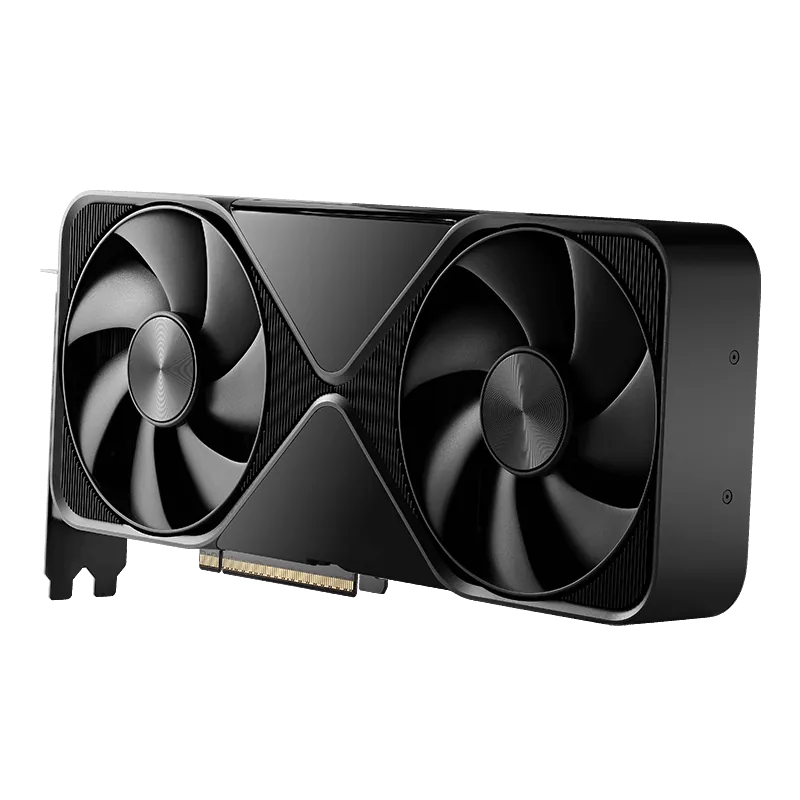
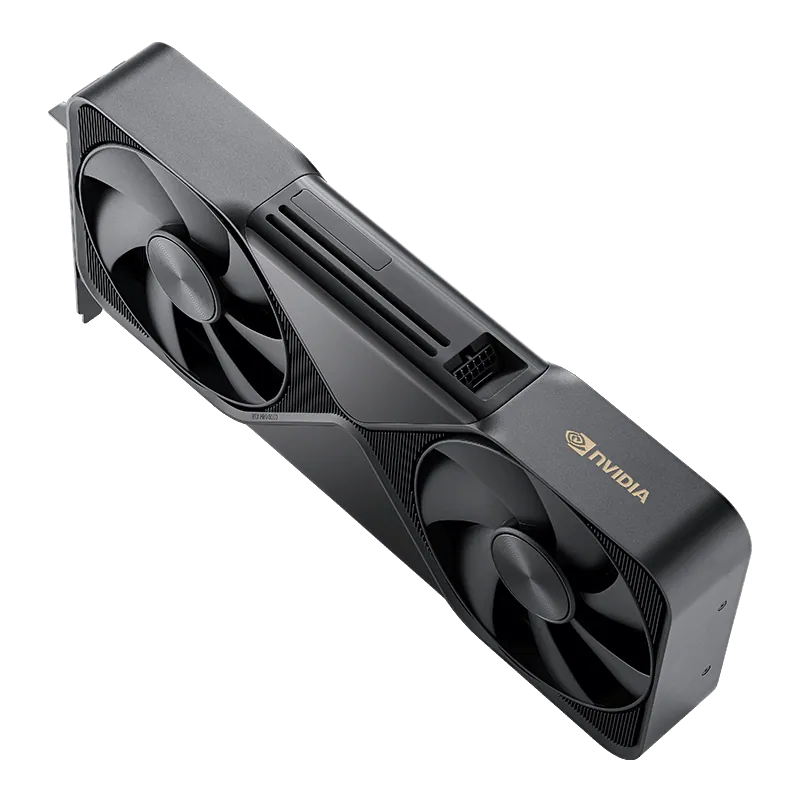
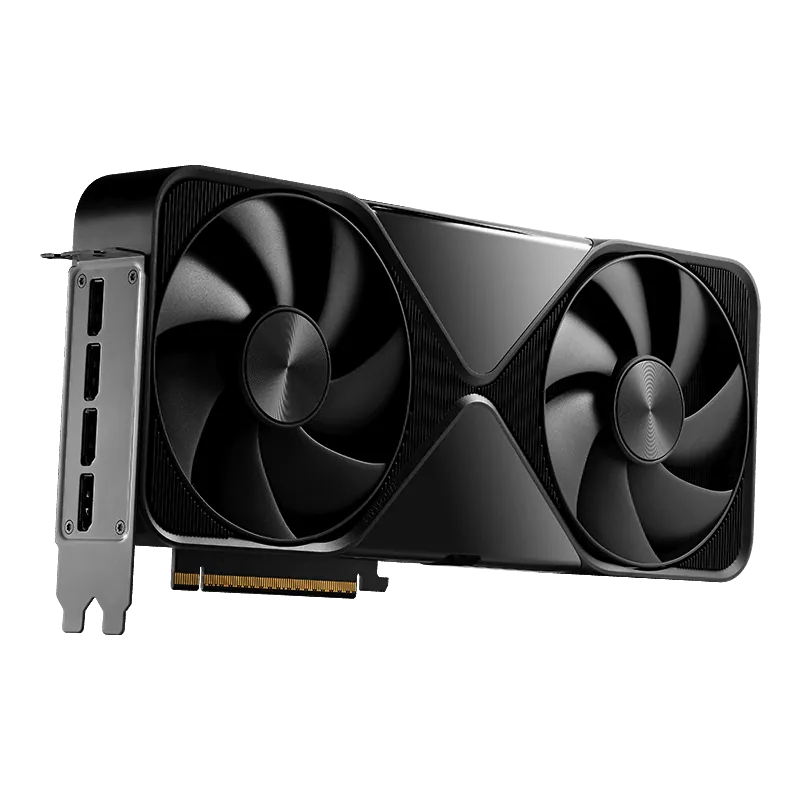
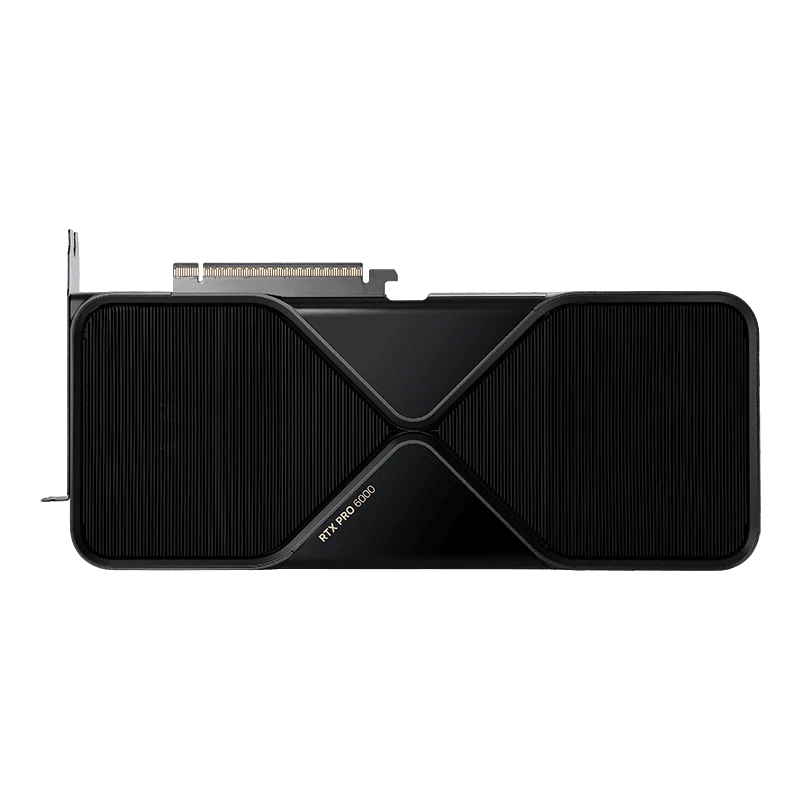
The card uses a dual-slot design with NVIDIA’s Double Flow Through cooling system. Official specifications also include PCIe 5.0 x16 connectivity and four DisplayPort 2.1 outputs, allowing deployment in high-end workstation environments without requiring dedicated server hardware.
NVIDIA has listed the card on its Marketplace, but inventory is not currently available. The product page instead points customers toward partners such as PNY and TD SYNNEX.
Source: NVIDIA