
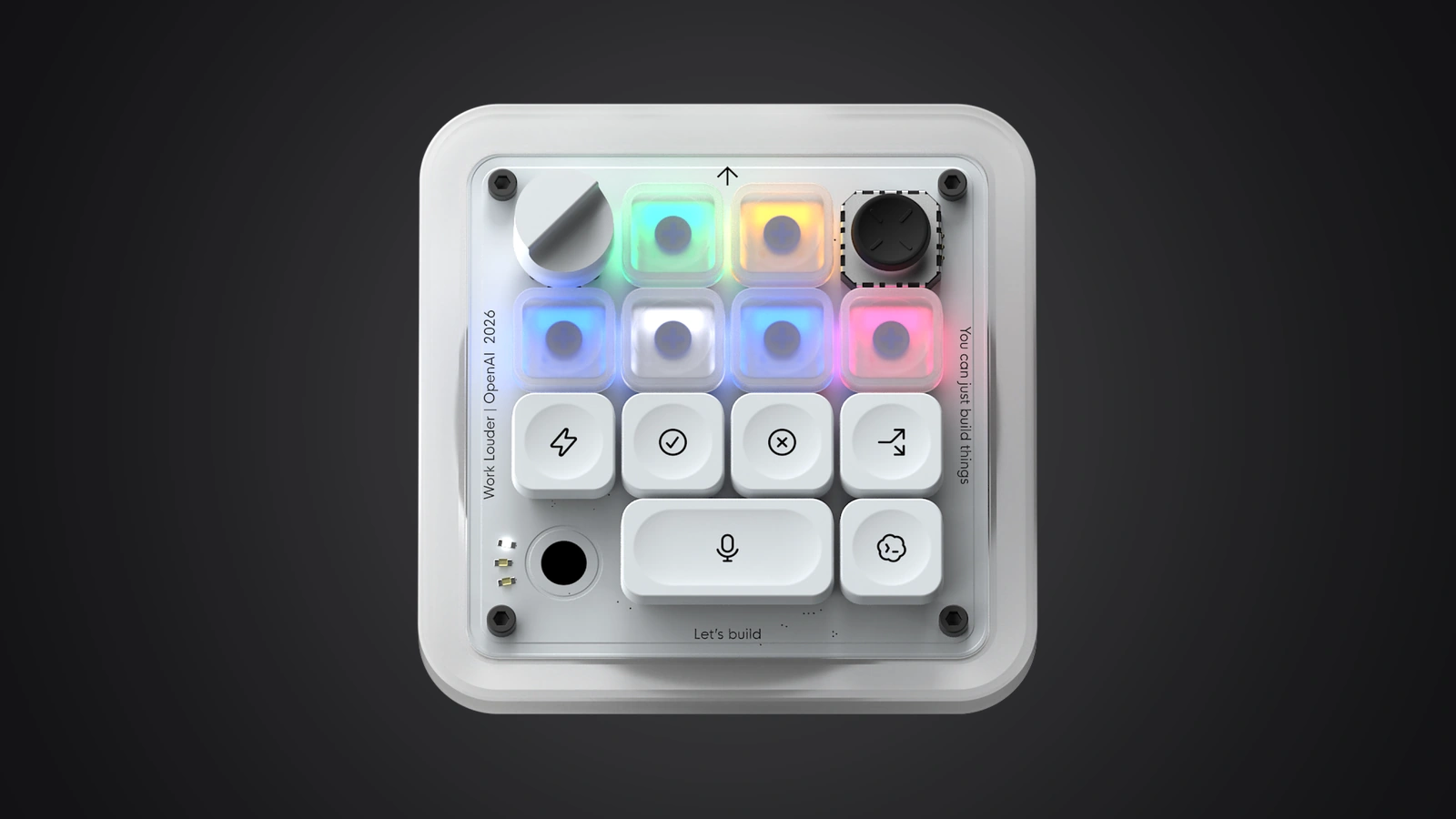
OpenAI has officially announced the Codex Micro, a limited-edition desktop keypad priced at $230 USD. Developed in partnership with boutique mechanical keyboard maker Work Louder, this accessory serves as a physical command center for software developers who use the Codex AI assistant. The accessory aims to reduce repetitive prompting by putting key agent actions within physical reach.
Unlike general ChatGPT conversations, this physical controller is designed for power users who manage multiple AI coding agents. It provides desktop controls to accept or reject AI suggestions, trigger custom macros, and use push-to-talk without constantly switching windows on your computer. Users can also configure the physical controls to work with any desktop application that supports standard keyboard input.
Also read: Best Laptops with Backlit Keyboard
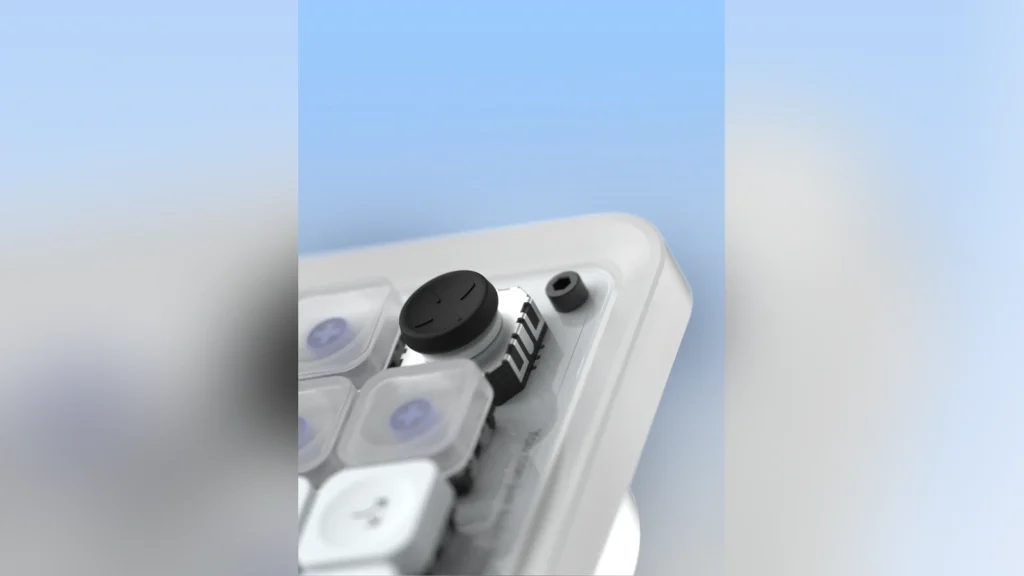
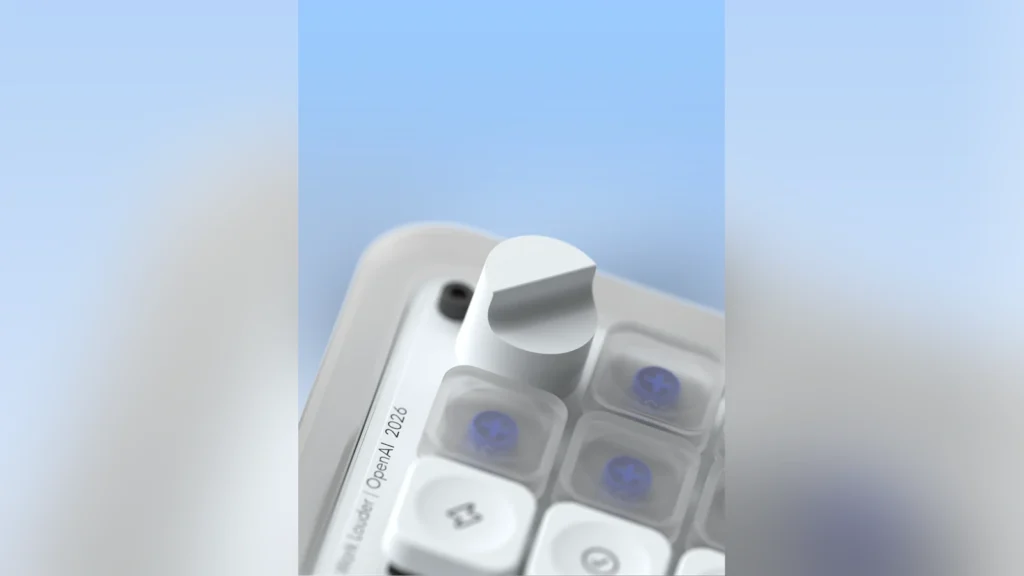
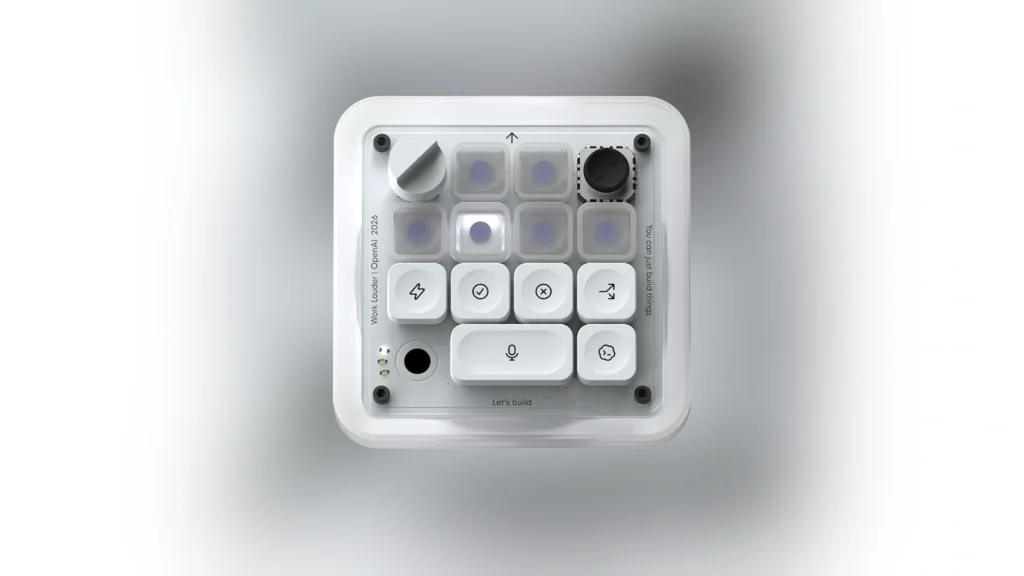
From a hardware perspective, the keypad includes 13 mechanical keys with POM or POK switches, one touch sensor, one rotary dial, and one planar joystick. The keycaps are made out of durable PBT and polycarbonate, while the chassis itself consists of CNC’d polycarbonate and sandblasted anodized aluminum. It supports dual-mode connection via Bluetooth or USB-C and features customizable RGB backlighting on the keys and sides.
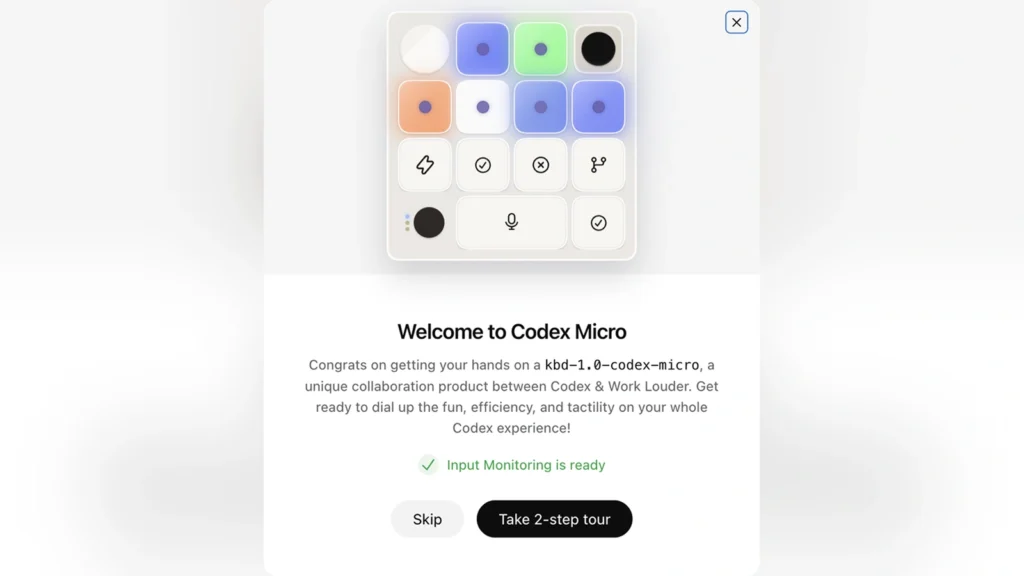
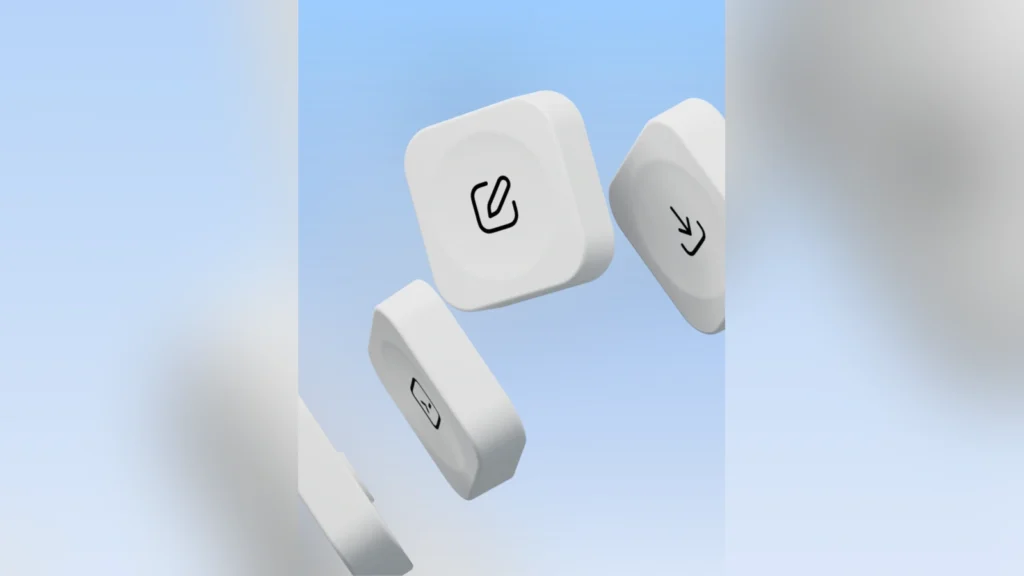
Users can configure up to 6 custom layout layers directly inside ChatGPT Codex or by using Work Louder’s Input utility. The package includes a USB-C to USB-C cable and a custom keyset consisting of 32 icon keycaps and 11 solid color caps. The keys themselves act as dynamic status lights, using color changes to indicate whether an agent is idle, thinking, complete, or encountering an error.
While some expected OpenAI to release a mass-market consumer device like a smart speaker or smartphone, the Codex Micro is a highly specialized developer accessory. However, earlier reports indicate that the company is collaborating on a ChatGPT-powered smart speaker to compete with Google Home and Amazon Alexa. Bloomberg reports that this speaker could be announced later this year, with shipping expected to begin in 2027.
Sources: OpenAI, Work Louder