
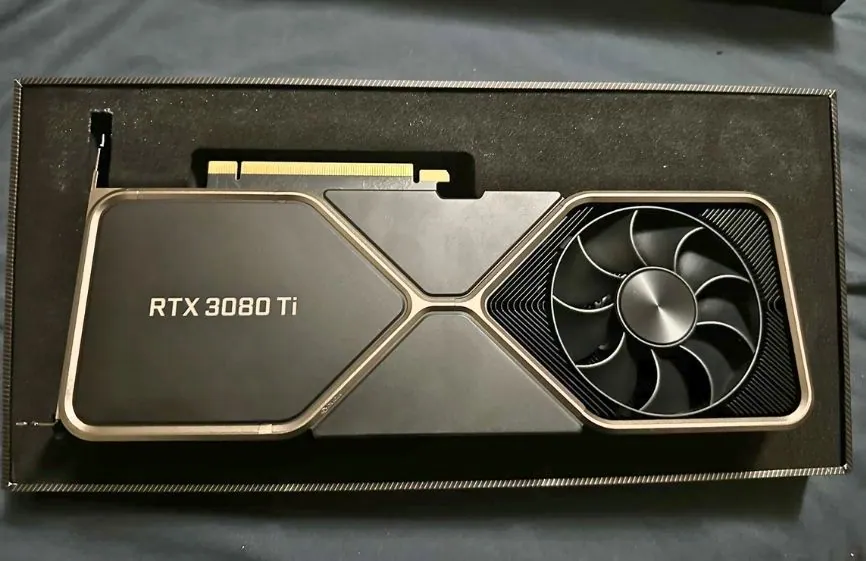
An unreleased GeForce RTX 3080 Ti 20GB engineering sample has resurfaced after a Reddit user accidentally purchased several graphics cards that appeared to be standard retail models. While this discovery initially garnered attention as an unusual second-hand hardware find, it has also reignited discussions about a canceled high-VRAM Ampere configuration that NVIDIA explored but never brought to market.
The appearance of this engineering sample offers a rare glimpse into how far some GPU designs progress internally before being abandoned, and why certain configurations, even if fully functional, never make it to consumers.
How the RTX 3080 Ti 20GB Engineering Sample Was Identified
The discovery was shared by Reddit user Tommyjones91 on the r/nvidia community. According to the post, the graphics cards initially behaved like normal RTX 3080 Ti units, outputting video without issue. Problems emerged when official NVIDIA drivers failed to install, indicating the hardware was not recognized as a supported consumer product.
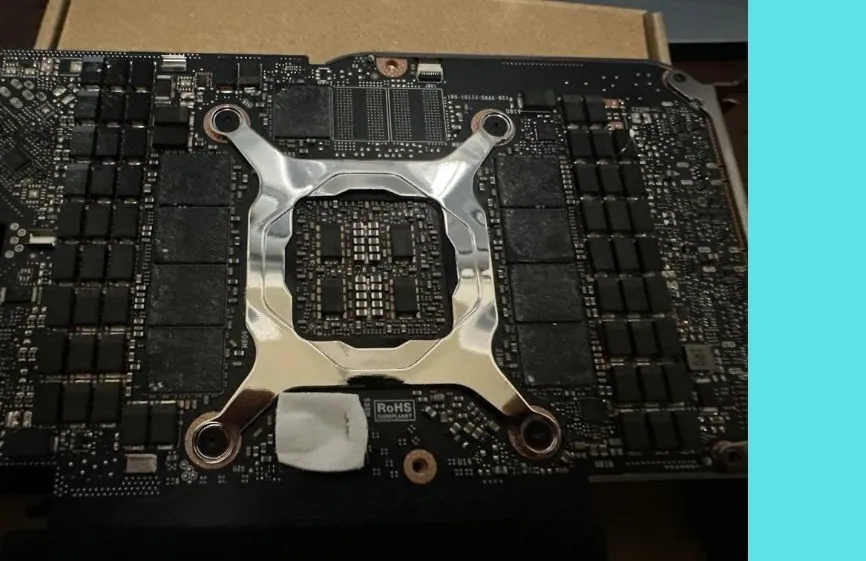
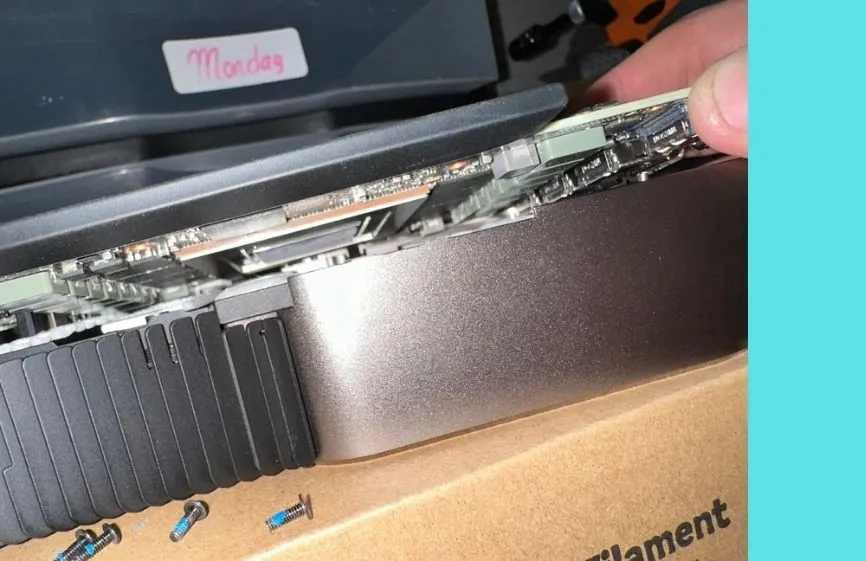
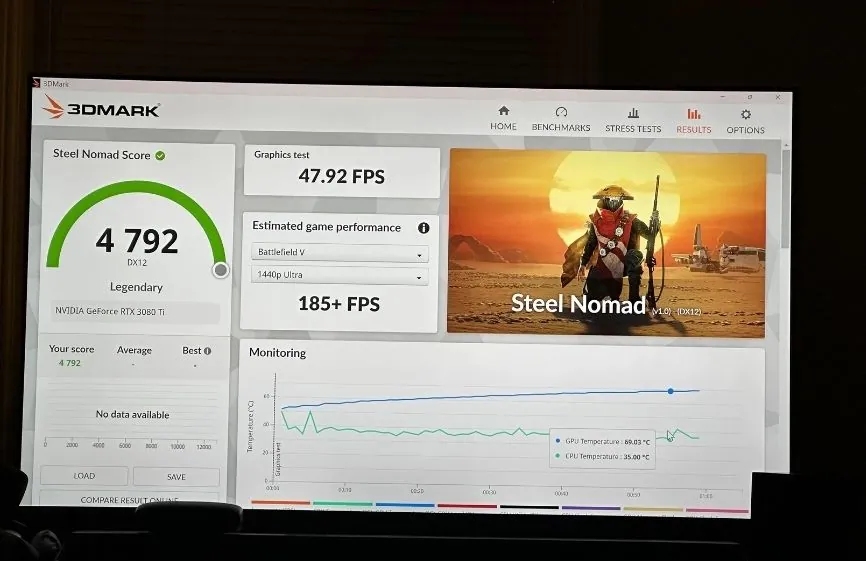
Using GPU-Z, the user identified the cards as 20GB variants of the RTX 3080 Ti, a configuration that was never officially released. To confirm the result, one card was physically opened, revealing additional GDDR6X memory modules populated on the PCB. This confirmed the GPU was not misreporting memory capacity through software, but was a genuine pre-production model.
Why Official NVIDIA Drivers Do Not Support the Card
Engineering sample GPUs typically lack finalized device IDs required for public driver releases. As a result, the RTX 3080 Ti 20GB sample was not detected by standard GeForce drivers.
The user reported that functionality was only achieved after applying a third-party driver patcher to inject missing identifiers, allowing driver version 581.94 to install. This workaround confirms the card was never validated for consumer use and remains vulnerable to future driver incompatibility.
This behavior is consistent with other known engineering samples from past NVIDIA generations, which often require internal or modified drivers to operate correctly.
What Engineering Samples Are and Why They Exist
Engineering samples are pre-production GPUs built for internal validation, board partner testing, and initial software development. These units allow manufacturers to test various memory configurations, power limits, and PCB layouts before finalizing the product line.
Such hardware is typically not intended for resale and is expected to be returned or destroyed after evaluation. However, these samples sometimes resurface years later through resellers, surplus equipment, or improper disposal.
The RTX 3080 Ti 20GB sample is an example of this pattern, representing a configuration that progressed beyond theoretical planning to physical manufacturing.
Why NVIDIA Tested a 20GB RTX 3080 Ti Configuration
During the Ampere generation, NVIDIA explored multiple memory capacities across its product stack. Early leaks from 2020 and 2021 pointed to higher-VRAM variants of the RTX 3080 series, including rumored 20GB models.
At the time, increased memory capacity was being evaluated for:
- Professional workloads such as rendering and content creation
- Memory-heavy gaming scenarios
- Competitive positioning within NVIDIA’s own lineup
Ultimately, NVIDIA released a 12GB RTX 3080 refresh and a 12GB RTX 3080 Ti, while reserving higher memory capacities for the RTX 3090 series. The existence of a 20GB engineering sample suggests the configuration was seriously considered before being dropped.
Retail RTX 3080 Ti vs 20GB Engineering Sample
| Feature | Retail RTX 3080 Ti | 20GB Engineering Sample |
| VRAM | 12GB GDDR6X | 20GB GDDR6X |
| Memory Bus | 384-bit | 320-bit |
| CUDA Cores | 10,240 | ~10,240 (estimated) |
| Driver Support | Official NVIDIA drivers | Requires patched drivers |
| Intended Use | Consumer gaming | Internal testing only |
| Availability | Retail (discontinued) | Engineering samples only |
Specifications based on community findings and documented reports.
This comparison highlights why engineering samples, despite impressive specifications, are not suitable replacements for retail hardware.
Practical Value vs Historical Significance
From a usability standpoint, the RTX 3080 Ti 20GB engineering sample offers limited practical value. Lack of official driver support and potential instability make it unsuitable for daily use.
From a historical perspective, however, the card represents a tangible artifact of NVIDIA’s internal development process. Similar unreleased GPUs have surfaced in the past and are often valued more for their rarity and insight into canceled designs than for performance.
Why This Discovery Still Matters Years Later
Although the Ampere generation has largely been superseded by newer architectures, the reappearance of this engineering sample reveals the sheer number of GPU designs that exist behind the scenes. Not every configuration that reaches physical production becomes a product, and decisions related to memory, segmentation, and cost often determine what consumers ultimately see.
The RTX 3080 Ti 20GB sample serves as a reminder that GPU roadmaps are far more complex than the final retail lineup suggests.
A Reference Point for Unreleased GPU History
Rather than simply indicating a missed product opportunity, the RTX 3080 Ti 20GB engineering sample provides valuable insight into NVIDIA’s testing and decision-making processes during one of the most challenging periods in the GPU market’s history.
For enthusiasts and researchers, it’s a documented example of how close some unreleased designs come to public release, even if they are never officially launched.
Sources: Reddit via Videocardz