

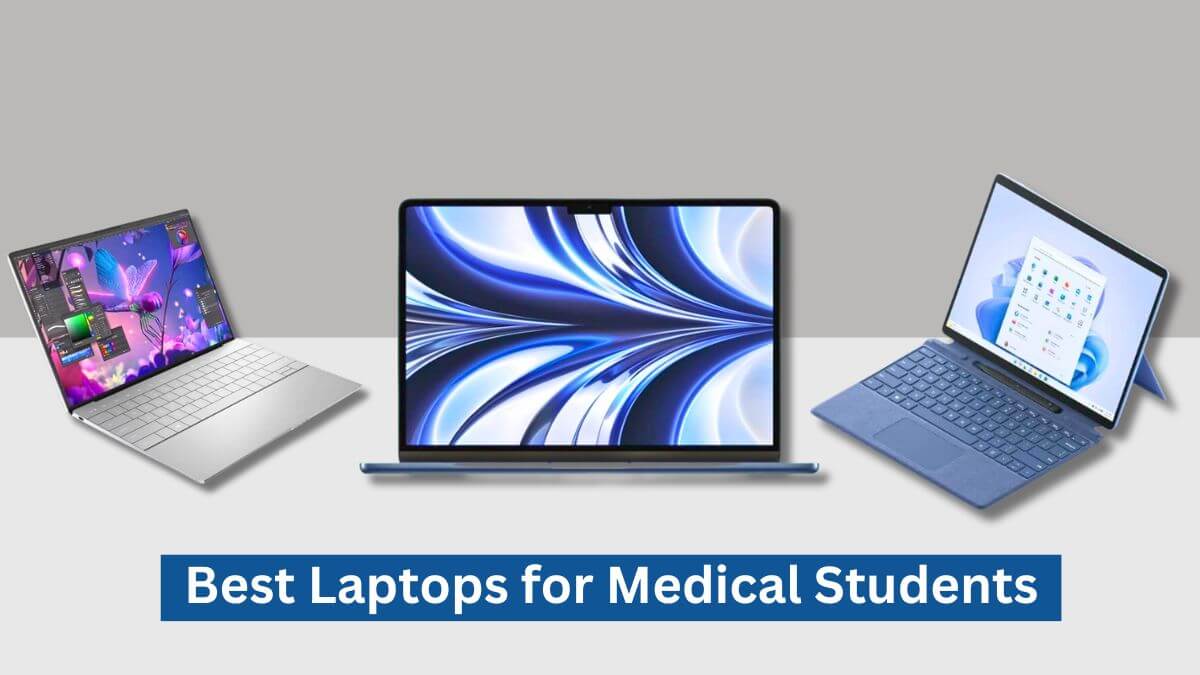
Are you a medical student or doctor looking for the right laptop for your studies or practice? Selecting the ideal laptop to suit medical needs can be challenging due to the multitude of options available in today’s market.
To simplify your decision-making process, we have compiled a comprehensive list of laptops, along with specially designed guides for medical students and professionals. These resources will help you find the ideal equipment to meet your specific needs and curriculum demands.
With the increasing reliance on technology in education—further accelerated by the COVID-19 pandemic—it is crucial to choose a laptop capable of supporting online learning platforms and specialized medical software.
Given the specific requirements of medical studies, which differ significantly from other fields such as gaming or programming, it is essential to prioritize features such as portability, reliability, and compatibility with medical applications.
While lightweight laptops are preferred for ease of portability, it is important to strike a balance between portability and performance to ensure efficient studying and note-taking. Most educational institutions recommend Windows PCs or Macs over alternative operating systems like Linux or Ubuntu; however, the choice ultimately depends on personal preferences and institutional guidelines.
Windows PCs generally offer a more budget-friendly option, although Macs are also accepted by many institutions.
Before making a final decision, it is advisable to verify with your school whether there are any specific requirements or preferences regarding the laptop platform to ensure seamless integration into your educational environment.
What is the Best Laptop for Medical Students in 2026?
Your chosen laptop depends on your needs and how much you can spend. Before buying a new laptop for medical studies or work, it’s a good idea to look at the processor, RAM, battery life, weight, screen size, and operating system type.
| Image | Product | Feature | Price |
|---|---|---|---|
TOP Pick
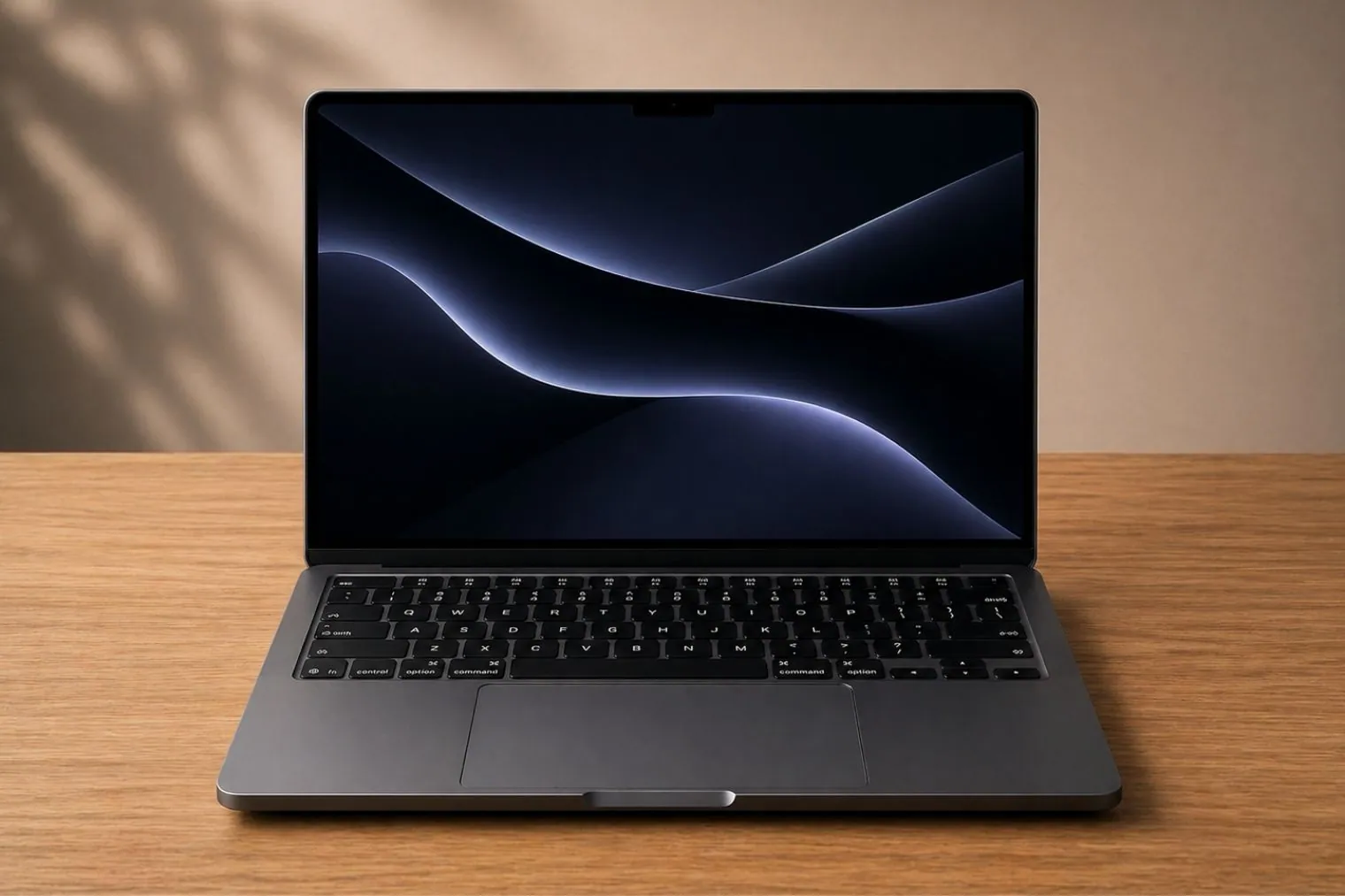 |
Apple MacBook Air 15 M5 |
| Check Price |
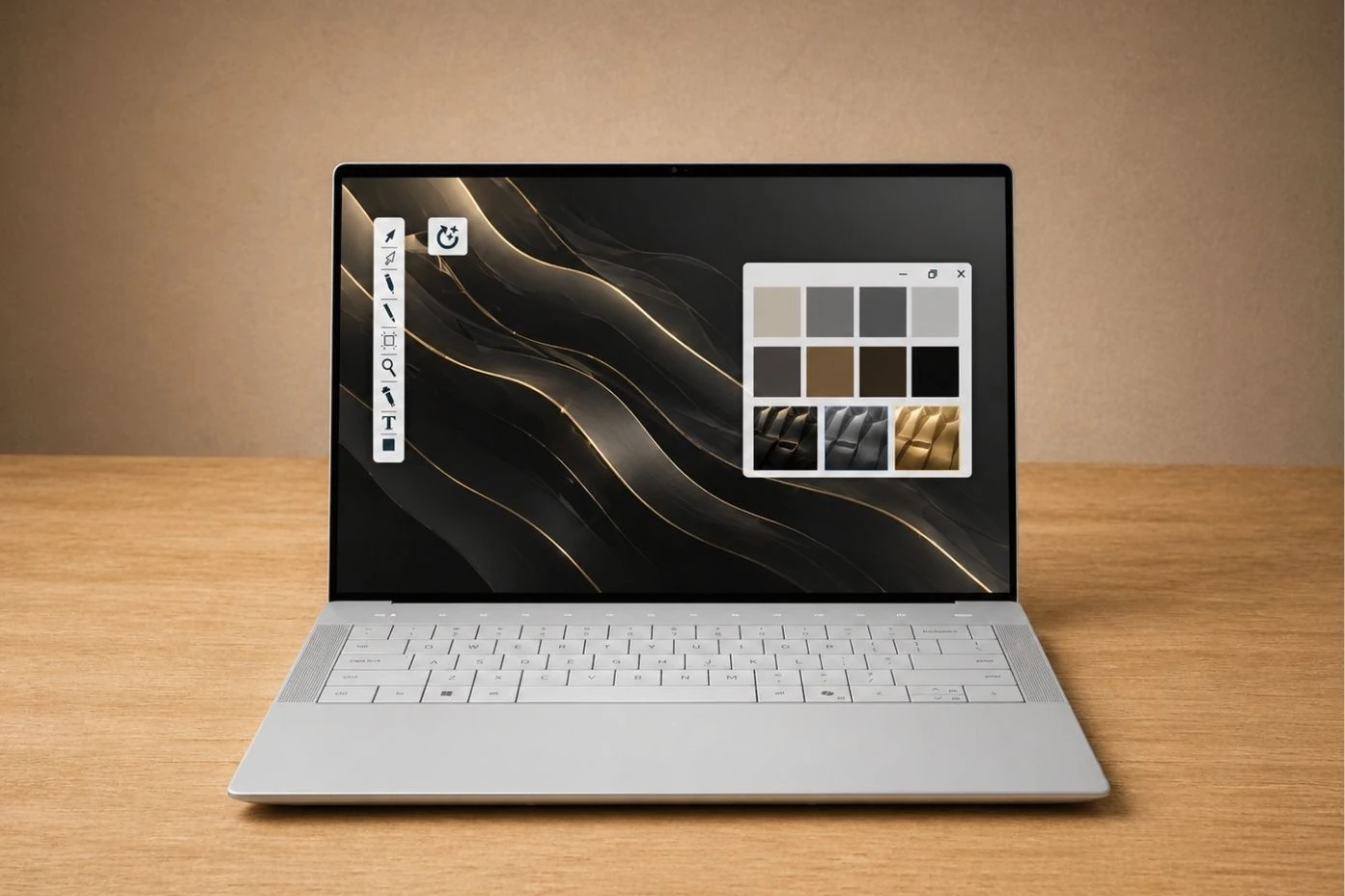 |
Dell XPS 14 |
| Check Price |
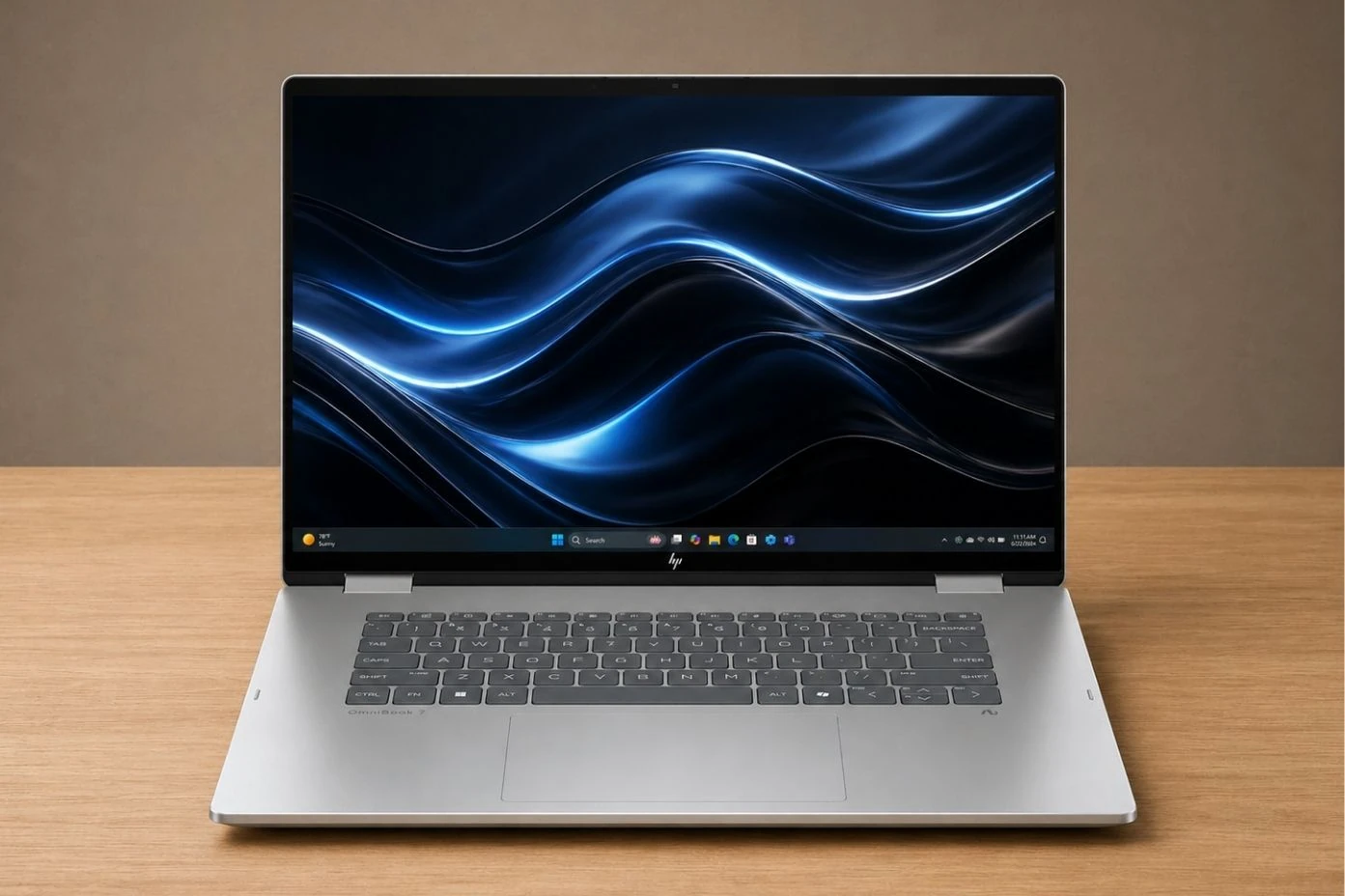 |
HP OmniBook 7 Flip |
| Check Price |
 |
Acer Nitro V |
| Check Price |
|
|
ASUS Zenbook 14 |
| Check Price |
 |
HP OmniBook 5 |
| Check Price |
Microsoft Surface Pro |
| Check Price | |
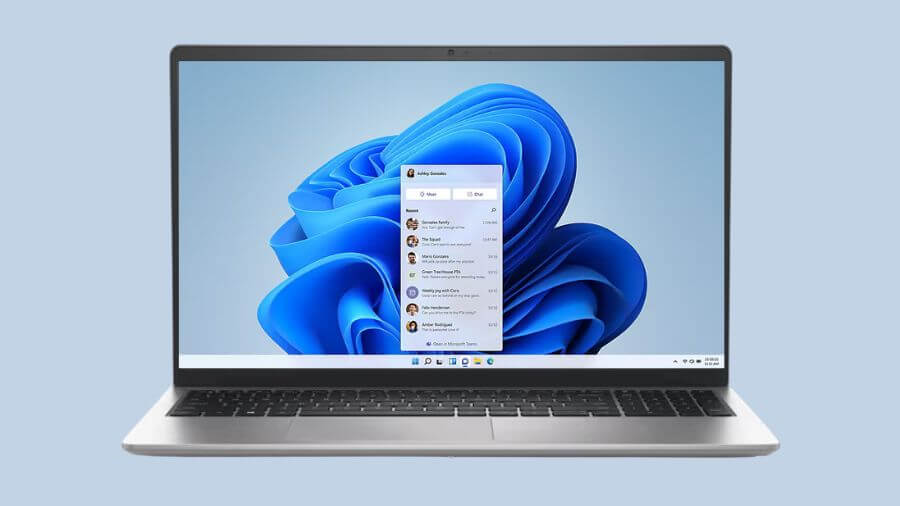 |
Dell 16 |
| Check Price |
|
|
Samsung Galaxy Book5 Pro |
| Check Price |
What to look for in a Laptop for Medical School/Students?
Before you decide on a laptop, you might spend a lot of time researching online and watching YouTube videos to figure out which laptop is the best. It can be pretty challenging.
I usually select laptops based on their test score, reviews, and specifications because good specs perform better.
I’m sure…
Apple is unique; it can perform well even with lower specifications than other laptops.
Medical doctors must consider factors like the CPU (processor), battery life, portability, and durability when choosing a laptop.
At last
Another crucial feature in any laptop or personal computer is the backlit keyboard, which makes typing in low light conditions much more convenient.
Processor
Apple M series chip: If you are a medical student and do not want a touchscreen laptop, the Apple M series processor will be the best choice.
Intel:
- Core i7: 14th, 13th, 12th or 11th Generation
- Core i5: 14th, 13th, 12th or 11th Generation
- Core i3: 14th, 13th, 12th or 11th Generation
The 11th-generation Intel Core i5 is a good choice, the new 12th-generation, 13th or 14th gen are more suitable for medical students.
You can handle all medical-related tasks easily, and if you’re on a tight budget, you can even consider using a laptop with the latest gen i3 processor.
AMD:
- Ryzen 7: 8th, 7th Gen, 6th Gen or 5th Gen
- Ryzen 5: 8th, 7th Gen, 6th Gen or 5th Gen
- Ryzen 3: 8th, 7th Gen, 6th Gen or 5th Gen
AMD processors are famous for games, and they are powerful and inexpensive.
We did not select Ryzen CPU in this list because you are a student, and Intel processors are best for learning.
Graphics card
Integration: Intel Iris Plus, Intel Iris Xe, Intel UHD
Dedicated: NVIDIA GeForce GTX 1600+, RTX 2000-5000 Series
Students generally don’t require a powerful dedicated graphics card, so integrated graphics are a good choice.
However, if you want to do a bit of gaming on your laptop, you can consider options like NVIDIA’s GeForce GTX 1660 or RTX 2000 series GPU.
Storage: (SSD and HDD)
If you choose a hard disk, saving large documents is better on a low budget.
Always select a laptop with SD as primary storage and HDD as secondary, or install it externally.
128GB Storage Drive:
If you have a 128 GB SSD on your laptop, medical-related software or tasks will be easy to run, but you will have to choose a little more for future-proofing.
256GB Storage Drive:
For those with a moderate budget and who primarily need a laptop for learning, a notebook with a 256GB SSD is a suitable choice.
512GB Storage Drive:
If you plan to use a laptop for the next 4-5 years and want excellent performance, opting for a 512GB SSD is the best decision.
Many student laptops now come with 512GB of internal storage space. You can also add external storage if you need to store many documents.
1TB and 2TB Storage Drive:
Having a very large storage space is usually for expensive laptops. Most people only need a little space; if you ever need more, you can add it later.
So, it’s okay for most students to buy a laptop with such a huge storage capacity.
Recommended Laptop Specs for Medical Students
Medical students do not have to buy high-end laptops because they can do all their work with mid-range and low-range laptops.
This is why you need to consider the following things, which will help you when you buy a laptop for yourself or your family.
| Specs | Minimum | Recommended |
|---|---|---|
| Screen | HD (1366 x 768) | Full HD (1920 x 1080) or More |
| Processor | 11th Generation Core i3 or equivalent AMD Ryzen 3 | Apple’s M series, 12th, 13th, or 14th Gen Intel Core i5, i7 or equivalent AMD Ryzen 5, 7 or More |
| Memory | 4GB | 8GB or More |
| Storage | 128GB SSD | 256GB SSD or More |
| Graphics | Integrated UHD | Integrated Iris Xe or Equivalent to AMD Radeon, Dedicated NVIDIA GeForce |
| Battery | 4 Hour | 6 Hour+ |
In any case, the features mentioned above decide which laptop is better than the others. But, what’s most important is that you want a good-quality laptop that will support you throughout your medical studies or work.
Best Premium Laptop for Medical Students
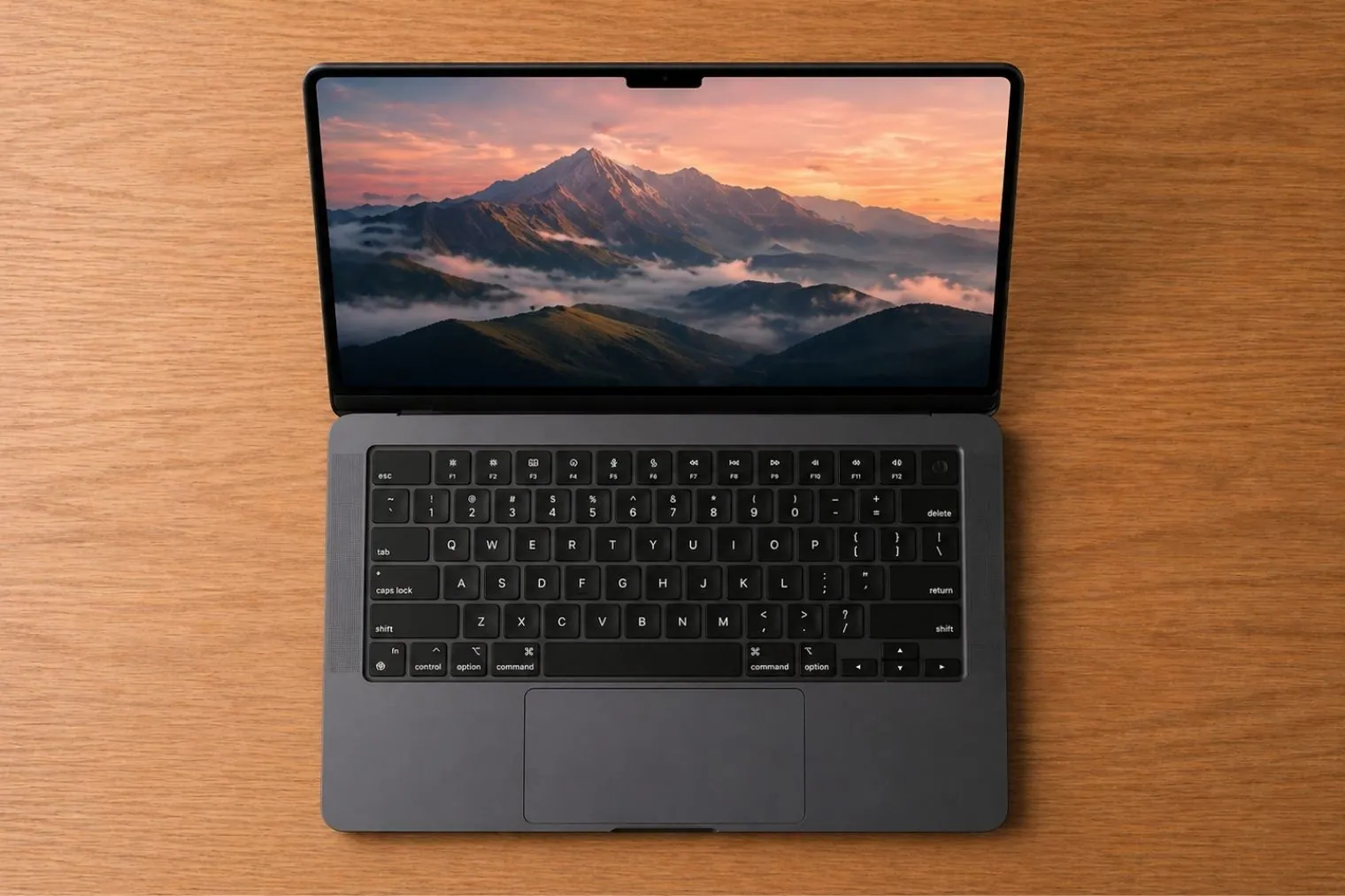
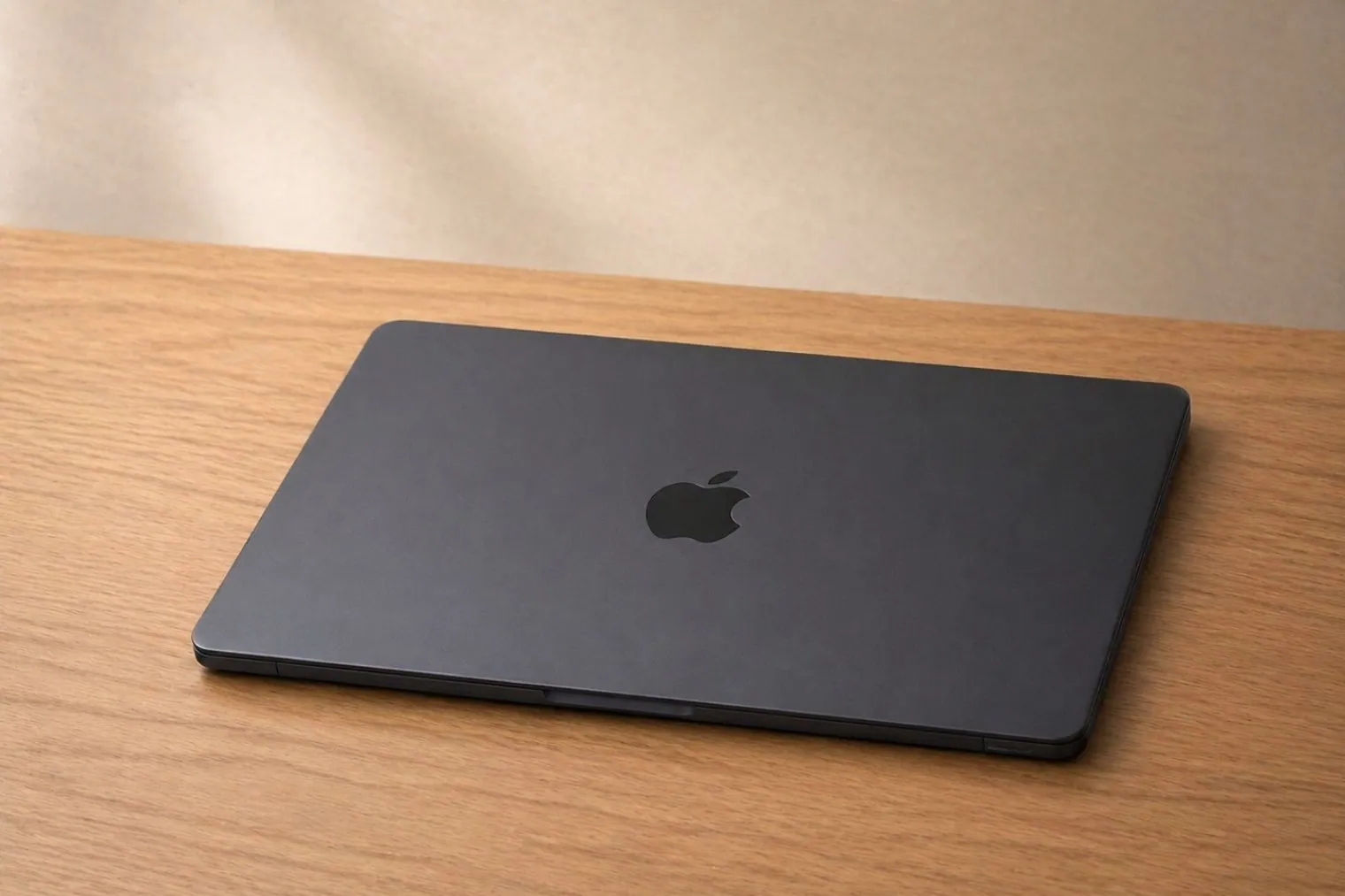
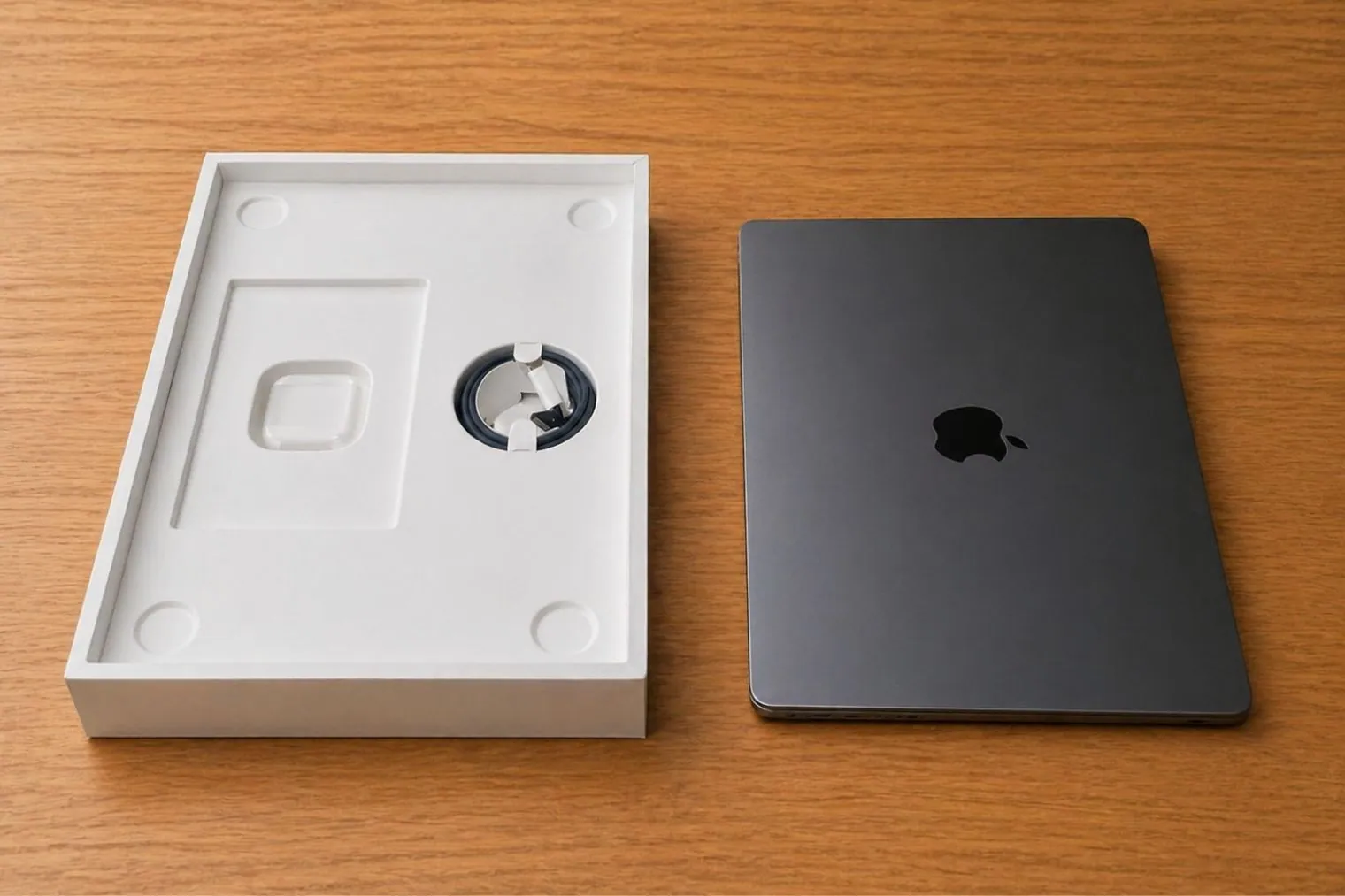


1. Apple MacBook Air 15 M5
Key Specs
| Processor | Apple M5 chip (10-core CPU) |
| Graphics | Integrated 10-core GPU |
| Memory | 16GB |
| Storage | 512GB SSD |
| Display | 15.3-inch Liquid Retina Display (2880 × 1864) |
| Weight | 3.3 lb (1.51 kg) |
Check Current Pricing
The Apple MacBook Air 15-inch M5 (2026) is an excellent choice for medical students who need a large display, long battery life, and reliable performance for intensive study sessions. Whether you’re reading medical textbooks, viewing high-resolution anatomy images, attending online lectures, or managing notes, it remains smooth and responsive. It is designed for all-day productivity with strong efficiency and silent operation, making it ideal for academic use.
Performance for Medical Studies:
In real usage, including PDF reading, note-taking, research browsing, and running medical applications, the laptop performs exceptionally well. Tasks like opening large medical PDFs, switching between resources, and multitasking remain smooth and lag-free.
The Apple M5 chip, it delivers strong performance and efficiency. The 10-core GPU ensures smooth rendering of detailed visuals such as anatomy apps, 3D models, and high-resolution diagrams.
Multitasking for Notes and Research:
During testing, it handled multiple browser tabs, lecture videos, note-taking apps, and PDF viewers simultaneously without slowdown. App switching remained fast and seamless.
The 16GB unified memory allows smooth multitasking, which is essential for managing study material, research, and lectures together.
Battery Life for Long Study Hours:
Battery life can go up to 18 hours, making it ideal for long study sessions, hospital rounds, and full-day classes without needing a charger.
It also maintains consistent performance on battery, which is important for students who are constantly on the move.
Display and Comfort for Reading:
The 15.3-inch Liquid Retina display offers sharp text, excellent brightness (500 nits), and accurate colours, making it comfortable for long reading sessions of medical textbooks and PDFs.
The larger screen also helps view multiple documents side by side, improving productivity during study sessions.
Compared with the Dell XPS 15, another premium large-display laptop, the MacBook Air 15 M5 offers a more practical experience for medical students.
The Dell XPS 15 offers higher peak performance and optional OLED/4K displays, but these features come with higher power consumption and shorter battery life. In contrast, the MacBook Air focuses on efficiency and sustained performance, ensuring it stays smooth, cool, and silent during long study hours.
For medical use, the MacBook Air is more suitable because it delivers:
- Longer battery life (up to 18 hours vs ~6–10 hours)
- More comfortable display for extended reading
- Silent fanless design (no distractions during study)
- Consistent real-world performance for academic workloads
Final Verdict for Medical Students:
Choose this if you want a large display, excellent battery life, and smooth performance for long study hours, reading, and multitasking.
Skip this if you need Windows-based medical software compatibility or a more budget-friendly laptop.
Pros
✔ Large 15-inch display ideal for reading and multitasking
✔ Excellent battery life for long study sessions
✔ Completely silent fanless design
✔ Premium build quality and portability
✔ Smooth performance for medical apps and PDFs
✔ High-quality webcam for online lectures
Cons
✘ Limited ports (USB-C only)
✘ Expensive for budget students
✘ No touchscreen support
✘ Not upgradeable (RAM/SSD fixed)
Best Compact Laptop for Medical Students
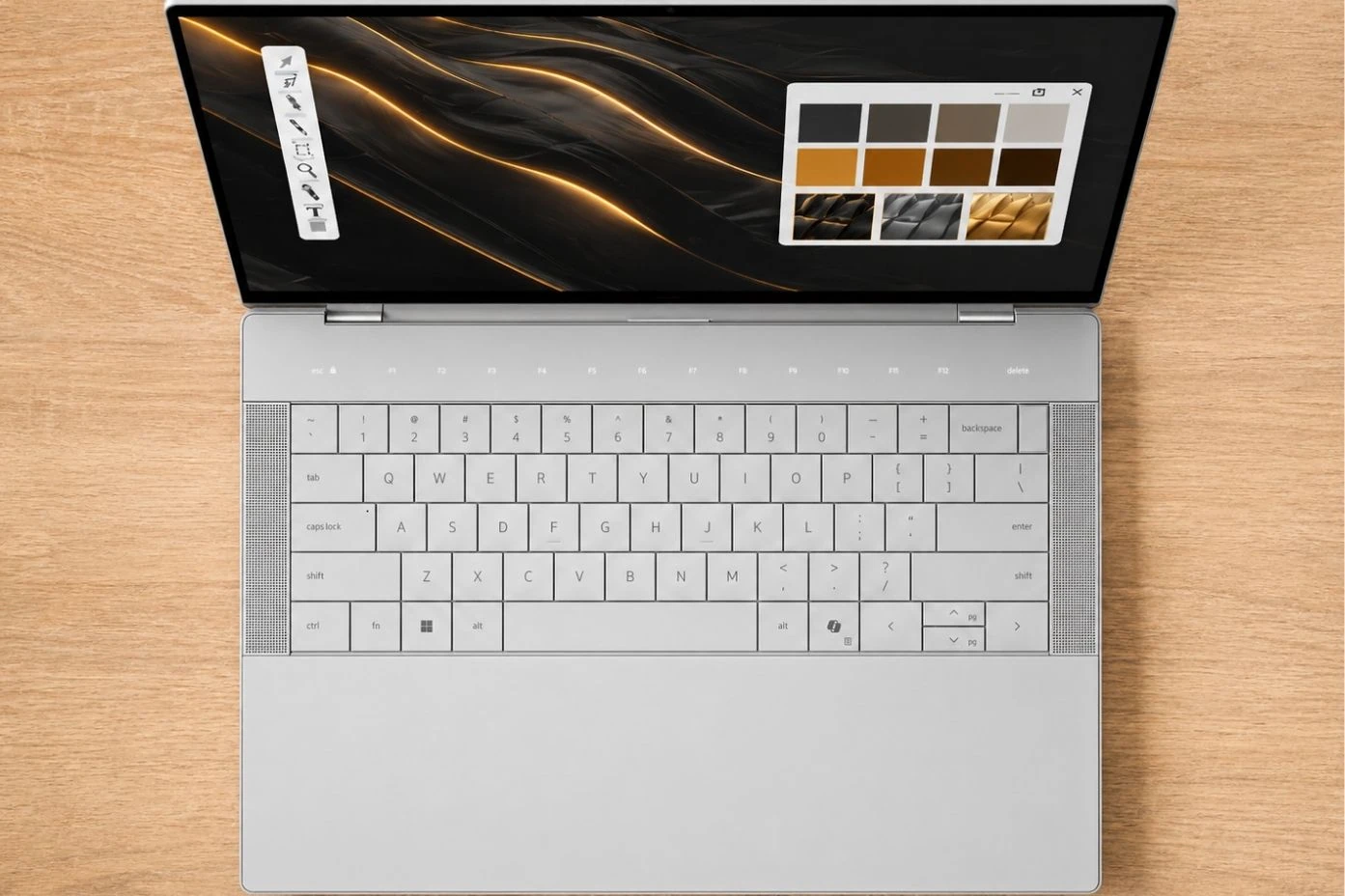
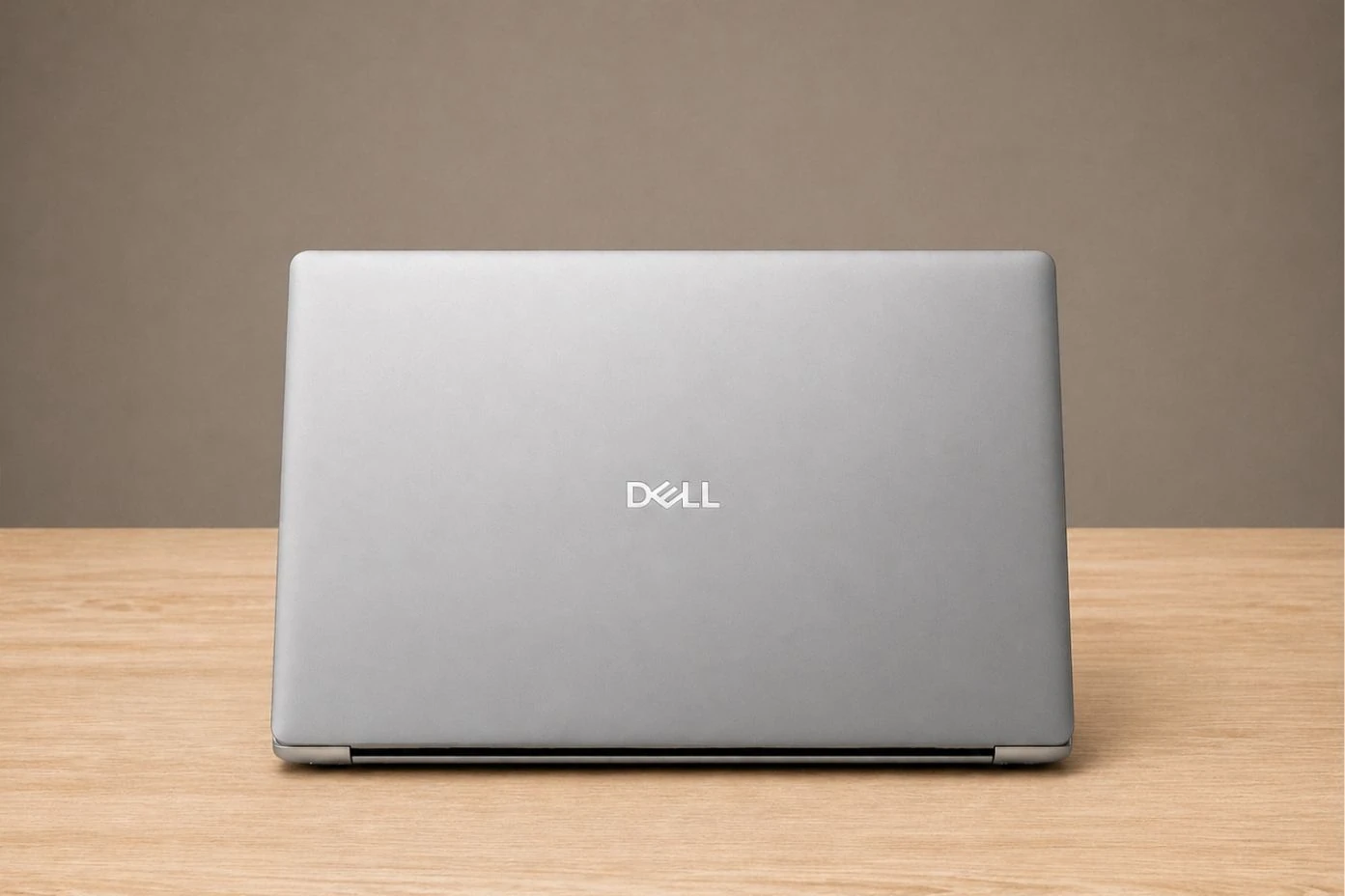
2. Dell XPS 14
Key Specs
| Processor | Intel Core Ultra 7 255H |
| Graphics | Intel Arc Graphics |
| Memory | 16GB LPDDR5X |
| Storage | 512 GB SSD |
| Display | 14.5″ Non-Touch 2K |
| Weight | 3.7 lb (1.68 kg) |
Check Current Pricing
The Dell XPS 14 (2026) is a premium laptop designed for students who need a balance of performance, portability, and high-quality display for long study sessions. For medical students, it handles reading, research, note-taking, and multitasking efficiently. Its compact design and powerful hardware make it suitable for both classroom and hospital use.
Performance for Medical Studies:
In real usage, including medical PDFs, research platforms, note-taking apps, and online lectures, the laptop performs very smoothly. Tasks like opening large textbooks, multitasking between study materials, and attending virtual classes run without lag.
With the Intel Core Ultra 7 255H processor, it delivers strong performance for both everyday tasks and slightly demanding workloads. The Intel Arc graphics ensures smooth rendering of high-resolution images, anatomy visuals, and educational content.
Multitasking for Notes and Research:
During testing, it handled multiple browser tabs, PDF readers, lecture videos, and note-taking apps simultaneously without slowdown. App switching remained fluid and responsive.
The 16GB LPDDR5X RAM allows efficient multitasking, which is essential for managing study materials and research together.
Battery Life for Long Study Hours:
Battery life can go up to 20 hours with the 2K display, as shown in the official testing data on page 8 of the document. This makes it suitable for long classes, hospital shifts, and extended study sessions without frequent charging.
It also offers a good balance between performance and efficiency for daily academic use.
Display and Comfort for Reading:
The 14.5-inch 2K display with 500 nits brightness provides sharp text and clear visuals, making it comfortable for reading medical textbooks and PDFs for long hours.
As shown on page 6, the display also supports a 30–120Hz refresh rate, which improves smoothness while scrolling through documents and notes.
Compared to the Apple MacBook Air 15 M5, which offers a larger display and better battery efficiency, the XPS 14 focuses more on performance and a compact design.
The MacBook Air is better suited for longer reading sessions due to its larger screen and silent operation, while the XPS 14 stands out with stronger performance options (including optional RTX GPU) and a more versatile Windows environment.
Final Verdict for Medical Students:
Choose this if you want a powerful, compact laptop with a high-quality display and strong performance for multitasking and medical studies.
Skip this if you prefer a larger display for reading or need maximum battery life for all-day use.
Pros
✔ Premium and durable aluminum build
✔ Bright 2K display with smooth refresh rate
✔ Strong performance with Intel Core Ultra processor
✔ Compact and portable design
✔ Excellent speakers and video call quality
✔ Optional RTX GPU support for advanced workloads
Cons
✘ Smaller display compared to 15-inch laptops
✘ Limited ports (mostly USB-C)
✘ Can get warm under heavy use
✘ Expensive for students
Best 2-in-1 Laptop for Medical Students
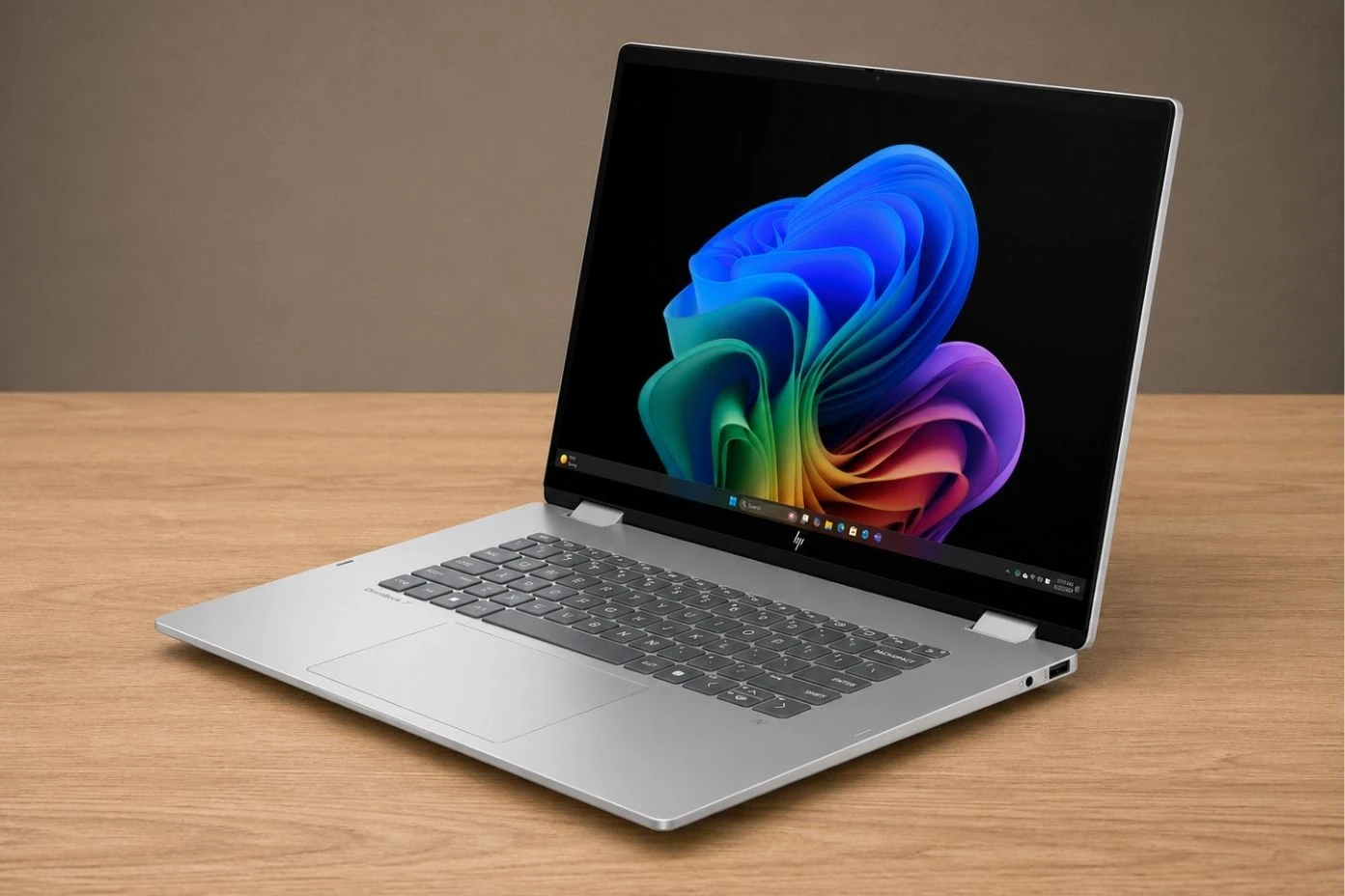
3. HP OmniBook 7 Flip
Key Specs
| Processor | Intel Ultra 7 258V |
| Graphics | Intel Arc integrated |
| Memory | 32GB |
| Storage | 1TB SSD |
| Display | 16-inch FHD+ Touchscreen |
| Weight | 3.95 lb (1.79 kg) |
Check Current Pricing
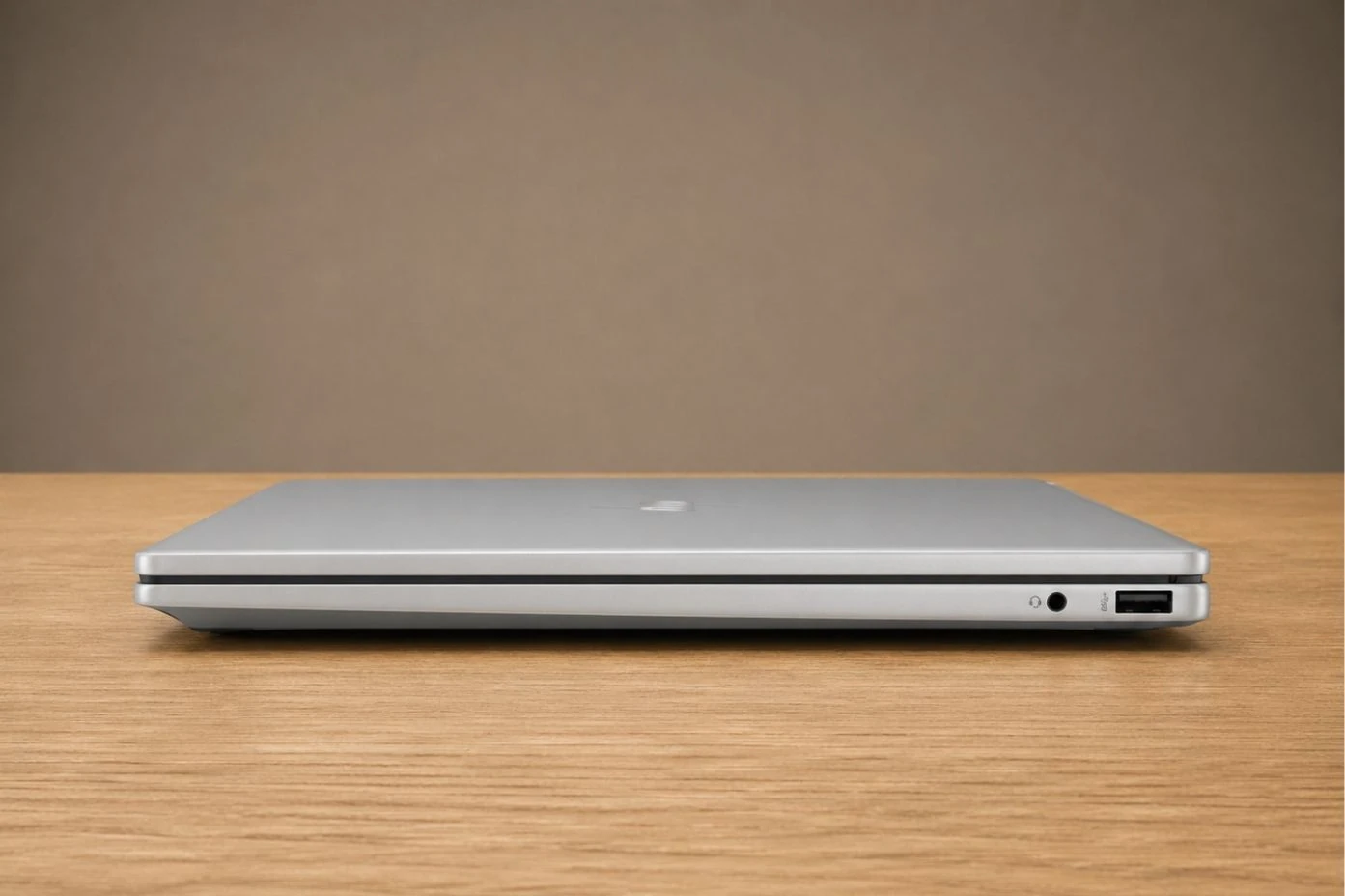
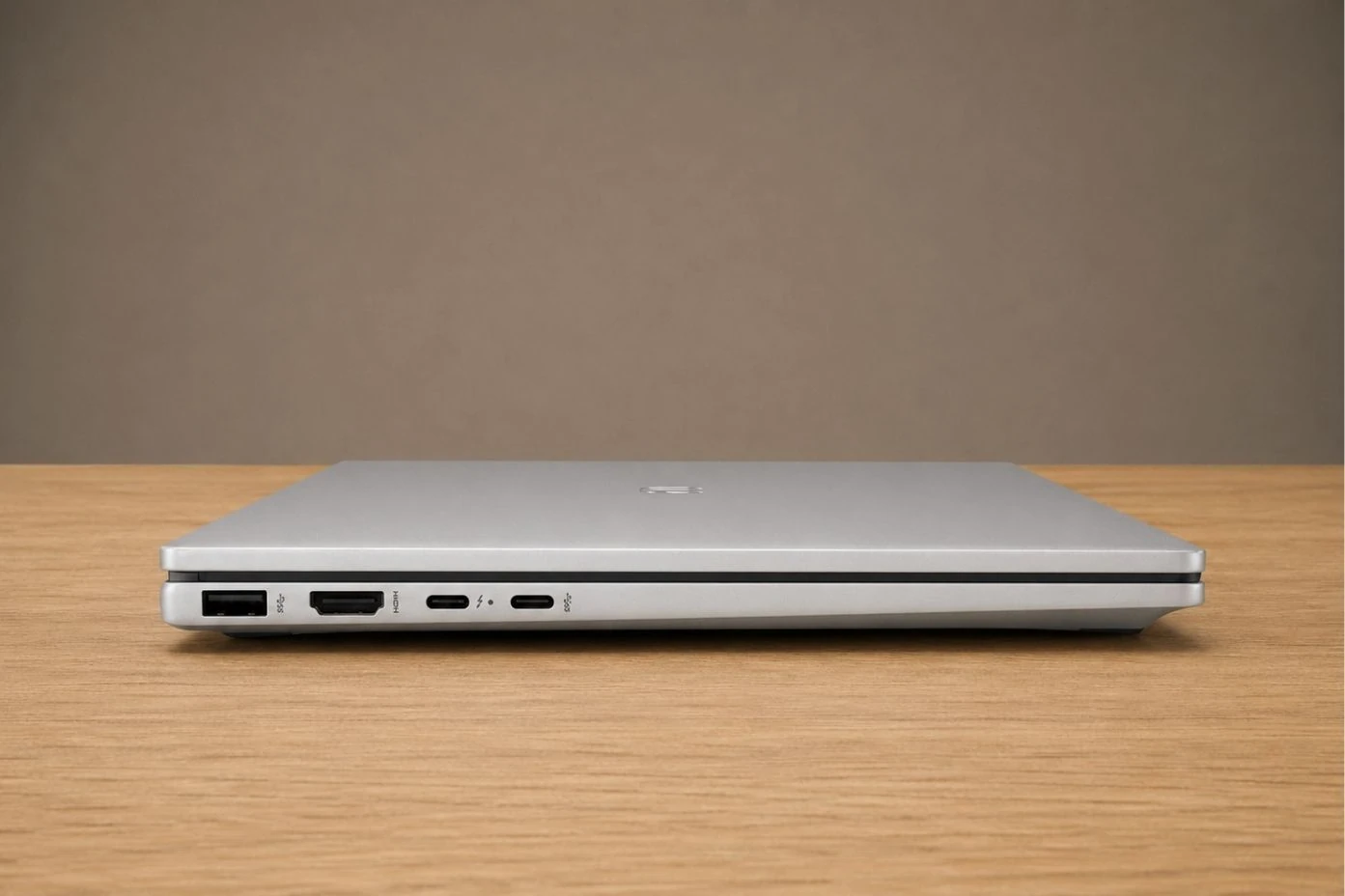
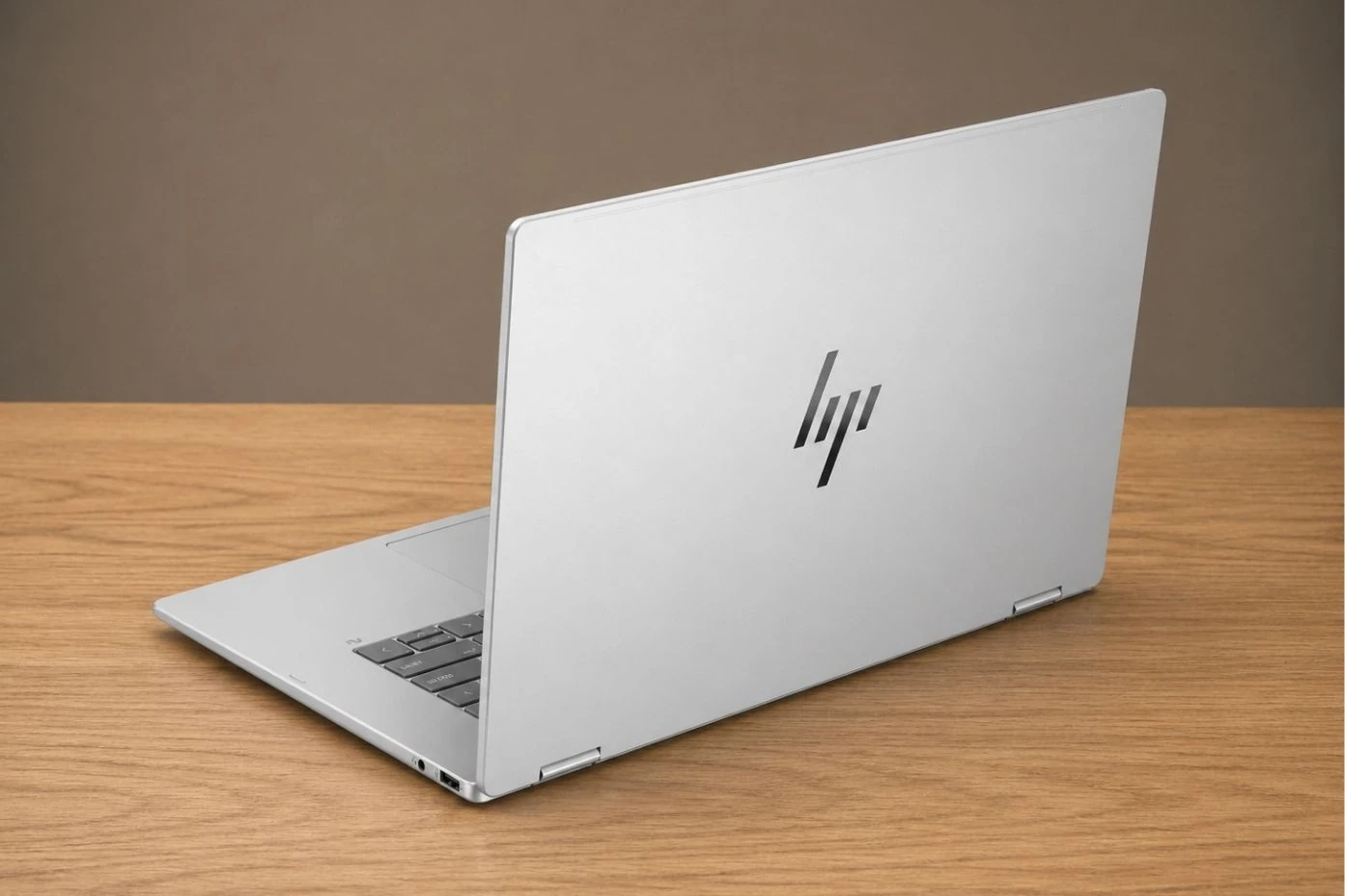
The HP OmniBook 7 Flip (2026) is a powerful and flexible 2-in-1 laptop designed for students who need both performance and versatility. For medical students, it is especially useful for note-taking, reading large medical textbooks, attending lectures, and working across multiple apps. Its 360° hinge and stylus support make it ideal for interactive learning and digital note-taking.
Performance for Medical Studies:
In real usage, including large PDF textbooks, anatomy apps, research tools, and online lectures, the laptop performs exceptionally well. Tasks like switching between study materials, running multiple applications, and handling heavy content remain smooth and responsive.
With the Intel Core Ultra 7 258V processor and AI acceleration (up to 47 TOPS), it delivers strong performance for modern academic workloads. The Intel Arc 140V graphics ensures smooth handling of high-resolution visuals, 3D anatomy models, and medical imaging applications.
Multitasking for Notes and Research:
During testing, it handled 20+ browser tabs, PDF readers, lecture videos, and note-taking apps simultaneously without slowdown. App switching remained fast and fluid.
The 32GB LPDDR5X RAM provides excellent multitasking capability, making it ideal for students managing large study materials and multiple resources at once.
Battery Life for Long Study Hours:
Battery life is around up to 10 hours, as mentioned in the specifications section. This is sufficient for daily classes and study sessions, though heavy multitasking or high brightness may reduce it slightly.
It also supports fast charging, which is useful for quick top-ups between classes.
Display and Comfort for Reading:
The 16-inch WUXGA touchscreen with 400 nits brightness offers good clarity and comfortable viewing for reading medical textbooks and notes.
As shown in the display specifications, the screen uses IPS technology with anti-glare coating, making it suitable for long reading sessions and different lighting conditions.
The touchscreen and stylus support further enhance usability for handwritten notes and diagram practice.
Compared to the Microsoft Surface Pro 9, which is also popular among medical students for note-taking, the OmniBook 7 Flip offers a larger display, significantly more RAM, and stronger overall performance.
The Surface Pro is more portable and lighter, but the HP OmniBook 7 Flip is better suited for heavy study workloads because it provides:
- Larger screen for reading and multitasking
- Much higher RAM (32GB vs typical 8–16GB)
- Better performance for running multiple apps and large files
- More ports and connectivity options
Final Verdict for Medical Students:
Choose this if you want a powerful 2-in-1 laptop with a large display, excellent multitasking, and stylus support for note-taking and studying.
Skip this if you prefer a lightweight tablet-style device or need longer battery life for all-day use.
Pros
✔ 2-in-1 design with touchscreen and stylus support
✔ Large 16-inch display ideal for reading and notes
✔ Massive 32GB RAM for heavy multitasking
✔ Strong performance with AI-powered processor
✔ Good port selection including HDMI and Thunderbolt
✔ Smooth handling of medical apps and visuals
Cons
✘ Battery life is average compared to ultrabooks
✘ Slightly heavy for daily carrying
✘ Display is good but not OLED-level
✘ Can get warm under heavy workloads
✘ Overkill for basic usage
Best Performance Laptop for Medical Students


4. Acer Nitro V
Key Specs
| Processor | Intel Core i7-13620H |
| Graphics | NVIDIA GeForce RTX 4050 |
| Memory | 16GB DDR5 |
| Storage | 1TB SSD |
| Display | 15.6-inch Full HD IPS display, 165Hz |
| Weight | 4.7 lb (2.13 kg) |
Check Current Pricing
The Acer Nitro V (2026) is primarily a gaming laptop, but it can also be a powerful option for medical students who need high performance for demanding tasks. It handles heavy multitasking, large medical files, and advanced applications smoothly. However, it focuses more on raw power than portability or battery efficiency, which may not suit every student.
For full benchmarks and detailed real-world testing, read the complete Acer Nitro V review.
Performance for Medical Studies:
In real usage, including large medical PDFs, research platforms, 3D anatomy software, and multitasking workloads, the laptop performs extremely well. Tasks like running multiple heavy applications, handling high-resolution visuals, and switching between tools remain fast and responsive.
With the Intel Core i7-13620H processor and RTX 4050 GPU, it delivers significantly higher performance than typical student laptops. This makes it suitable for advanced workloads like medical simulations, imaging tools, and even video editing.
Multitasking for Notes and Research:
During testing, it handled multiple apps, browser tabs, lecture videos, and background processes efficiently. However, with 16GB RAM, heavy multitasking is good but not as strong as 32GB systems.
It still performs reliably for most student workflows, including research, note-taking, and online classes.
Battery Life for Long Study Hours:
Battery life is around 5 hours, as shown in the specifications (page 4), which is quite low compared to ultrabooks. This means students will need to carry a charger for long classes or study sessions.
This is one of the biggest drawbacks for medical students who need all-day portability.
Display and Comfort for Reading:
The 15.6-inch FHD IPS display with 165Hz refresh rate is designed for gaming, offering smooth visuals and good clarity.
However, with 300 nits brightness, it is less comfortable for long reading sessions compared to higher-end productivity laptops.
Compared to the Acer Aspire 16, which is more focused on productivity and battery efficiency, the Nitro V offers much higher performance but sacrifices portability and battery life.
The Aspire 16 is better suited for long reading sessions and all-day use, while the Nitro V is better for students who need high performance for demanding tasks because it provides:
- Dedicated GPU for advanced applications
- Stronger CPU performance for heavy workloads
- Better handling of 3D models and simulations
Final Verdict for Medical Students:
Choose this if you need high performance for advanced medical applications, simulations, or multitasking-heavy workloads.
Skip this if you prioritise battery life, portability, and comfort for long reading sessions.
Pros
✔ Powerful CPU and RTX 4050 GPU for heavy workloads
✔ Smooth 165Hz display
✔ Good performance for 3D and medical software
✔ Upgradeable RAM and storage
✔ Strong cooling for performance tasks
Cons
✘ Display brightness is average
✘ Can get noisy under load
✘ Overkill for basic medical study tasks
Best Lightweight Laptop for Medical Students
5. ASUS Zenbook 14
Key Specs
| Processor | Intel Core Ultra 9 285H |
| Graphics | Intel Arc 140T Graphics |
| Memory | 16GB LPDDR5X |
| Storage | 512GB SSD |
| Display | 14-inch WUXGA OLED Touch (500 nits, 100% DCI-P3) |
| Weight | 2.7 lb (1.22 kg) |
Check Current Pricing
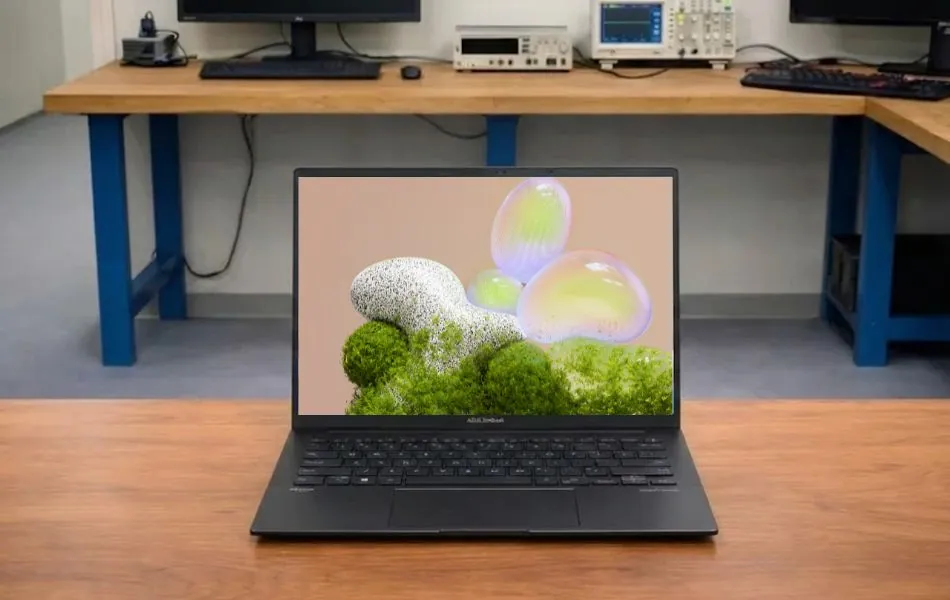
The ASUS Zenbook 14 (2026) is a premium ultra-portable laptop designed for students who need a balance of performance, portability, and display quality. For medical students, it is especially useful for reading, note-taking, attending lectures, and managing research work. Its lightweight design makes it easy to carry throughout the day, while the OLED display enhances the reading experience.
Performance for Medical Studies:
In real usage, including medical PDFs, research platforms, anatomy apps, and online lectures, the laptop performs very smoothly. Tasks like opening large textbooks, multitasking between study materials, and running multiple applications remain responsive.
The Intel Core Ultra 7 255H processor, it delivers strong performance for academic workloads. The Intel Arc 140T graphics ensures smooth visuals for high-resolution diagrams, medical images, and educational content.
Multitasking for Notes and Research:
During testing, it handled multiple browser tabs, PDF readers, lecture videos, and note-taking apps efficiently without slowdown. App switching remained fast and fluid.
The 16GB DDR5 RAM provides stable multitasking performance, suitable for most medical student workflows.
Battery Life for Long Study Hours:
With a 75Wh battery, it offers good battery life for daily academic use, though actual usage may vary depending on workload and brightness.
It provides a good balance between performance and efficiency for students on the go.
Display and Comfort for Reading:
The 14-inch OLED touchscreen (500 nits, 100% DCI-P3) is one of its biggest strengths. It offers sharp text, deep contrast, and accurate colours, making it ideal for reading medical textbooks, PDFs, and viewing detailed diagrams.
The OLED panel also improves visual clarity, though long reading sessions may require brightness adjustment for comfort.
Compared to the MacBook Air 13 M5, which offers better battery efficiency and a fanless design, the Zenbook 14 provides a more vibrant OLED display and touchscreen functionality.
The MacBook is better for long battery life and silent operation, but the Zenbook 14 is more suitable for medical students who want a lightweight laptop with a superior display and Windows flexibility, because it offers:
- OLED display for better visual clarity
- Touchscreen support for interactive use
- More ports and connectivity options
- Lightweight and portable design
Final Verdict for Medical Students:
Choose this if you want a lightweight laptop with a premium OLED display, strong performance, and touchscreen support for studying and note-taking.
Skip this if you prioritise maximum battery life or prefer macOS for ecosystem integration.
Pros
✔ Lightweight and highly portable design
✔ Stunning OLED display with high brightness
✔ Smooth performance for academic tasks
✔ Touchscreen support for better usability
✔ Strong connectivity with multiple ports
✔ Premium build quality
Cons
✘ Battery life is good but not the best
✘ OLED may cause eye strain for some users
✘ Limited upgrade options
✘ Slightly expensive for students
✘ No dedicated GPU for heavy workloads
Best Balanced Laptop for Medical Students
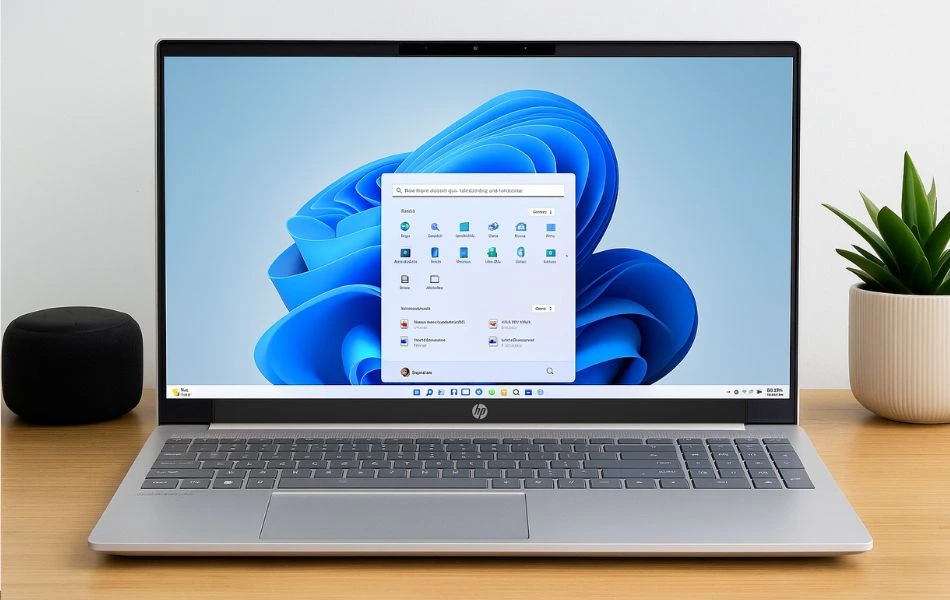
6. HP OmniBook 5
Key Specs
| Processor | AMD Ryzen 7 350 |
| Graphics | Integrated |
| Memory | 16GB DDR5 |
| Storage | 512GB SSD |
| Display | 16″ 2K (1920×1200) Non-Touch IPS |
| Weight | 4.0 lb (1.81 kg) |
Check Current Pricing
The HP OmniBook 5 (2026) is a modern AI-powered laptop designed for medical students who need strong multitasking, long battery life, and a large display for study purposes. It handles reading, note-taking, research, and online lectures efficiently while offering new AI features that enhance productivity. Its balance of performance and efficiency makes it a practical choice for everyday academic use.
Performance for Medical Studies:
In real usage, including medical PDFs, research platforms, note-taking apps, and online classes, the laptop performs smoothly. Tasks like opening large documents, switching between applications, and handling multiple workloads remain responsive.
The AMD Ryzen AI 7 350 processor, it delivers efficient performance along with AI acceleration (up to 50 TOPS NPU), making it suitable for modern academic workflows. The Radeon 860M graphics ensures smooth visuals for anatomy apps, diagrams, and high-resolution content.
Multitasking for Notes and Research:
During testing, it handled multiple browser tabs, PDF viewers, lecture videos, and productivity apps efficiently without noticeable lag. App switching remained smooth for everyday student workflows.
The 16GB LPDDR5X RAM provides stable multitasking performance, suitable for most medical study requirements.
Battery Life for Long Study Hours:
Battery life can reach up to 16 hours 45 minutes (video playback), as mentioned in the product details, making it ideal for full-day classes and long study sessions.
Its efficient AI processor helps maintain strong battery performance while handling academic tasks.
Display and Comfort for Reading:
The 16-inch 2K IPS display provides sharp text and a comfortable viewing experience, making it ideal for reading medical textbooks, PDFs, and research material.
The larger screen helps in multitasking, allowing students to view notes and study materials side-by-side effectively.
Compared to the Lenovo Yoga 7i, which focuses more on flexibility with a 2-in-1 design, the HP OmniBook 5 offers better battery life and stronger overall efficiency.
The Yoga 7i is better for note-taking with touchscreen and stylus support, but the HP OmniBook 5 is more suitable for medical students who prioritise long battery life, consistent performance, and a larger workspace because it provides:
- Longer battery life for full-day use
- Better efficiency for sustained study sessions
- Larger display for reading and multitasking
Final Verdict for Medical Students:
Choose this if you want a balanced laptop with long battery life, smooth performance, and a large display for reading and multitasking.
Skip this if you prefer a 2-in-1 touchscreen device for handwritten notes or need higher-end performance for advanced workloads.
Pros
✔ Excellent battery life for long study sessions
✔ Large 16-inch display for reading and multitasking
✔ Smooth performance for everyday academic tasks
✔ AI-powered features for productivity
✔ Efficient and cool operation
✔ Good value for money
Cons
✘ Not ideal for heavy or advanced workloads
✘ Build is good but not premium-level
✘ Limited upgrade options
✘ Average speaker quality
Best Portable Laptop for Medical Students
7. Microsoft Surface Pro
Key Specs
| Processor | Snapdragon X Plus (8-core) |
| Graphics | Qualcomm Adreno |
| Memory | 16GB |
| Storage | 512GB SSD |
| Display | 12-inch PixelSense Touchscreen (2196 × 1464) |
| Weight | 1.5 lb (0.68 kg) |
Check Current Pricing
The Microsoft Surface Pro (2025) is an ultra-portable 2-in-1 device designed for students who need flexibility, portability, and efficient performance. For medical students, it works especially well for note-taking, reading, attending lectures, and studying on the go. Its tablet design combined with laptop functionality, makes it highly versatile for daily academic use.
Performance for Medical Studies:
In real usage, including PDF reading, research browsing, note-taking apps, and online lectures, the device performs smoothly for everyday academic tasks. Tasks like switching between apps, attending video lectures, and managing study material are handled efficiently.
With the Snapdragon X Plus processor and built-in AI engine (up to 45 TOPS), it delivers efficient performance for productivity-focused workloads. The Adreno graphics ensures smooth visuals for diagrams, anatomy apps, and medical content.
Multitasking for Notes and Research:
During testing, it handled multiple tabs, lecture videos, and note-taking apps smoothly. However, compared to traditional laptops, heavy multitasking is slightly limited due to the ARM-based architecture.
The 16GB RAM still ensures stable performance for most medical student workflows.
Battery Life for Long Study Hours:
Battery life is up to 16 hours, as mentioned in the product description, making it ideal for full-day usage without needing a charger.
Its efficiency-focused design helps maintain consistent battery performance during lectures and study sessions.
Display and Comfort for Reading:
The 12-inch PixelSense touchscreen offers sharp visuals and good clarity, making it suitable for reading medical notes and PDFs.
However, due to its smaller size, it may not be as comfortable for long reading sessions compared to larger laptops. The touchscreen and stylus support make it excellent for handwritten notes and diagram practice.
Compared to the HP OmniBook 7 Flip, which offers a larger display and more powerful hardware, the Surface Pro focuses on portability and flexibility.
The OmniBook is better for heavy multitasking and larger screen usage, but the Surface Pro is more suitable for medical students who prioritise portability and note-taking because it offers:
- Ultra-lightweight tablet design
- Stylus support for handwritten notes
- Better portability for hospital rounds
- Flexible 2-in-1 usage (tablet + laptop)
Final Verdict for Medical Students:
Choose this if you want a highly portable 2-in-1 device for note-taking, reading, and studying on the go.
Skip this if you need a larger display or stronger performance for heavy multitasking and advanced applications.
Pros
✔ Extremely lightweight and portable
✔ 2-in-1 design with touchscreen and stylus support
✔ Excellent battery life
✔ Smooth performance for daily academic tasks
✔ AI-powered Copilot+ features
✔ Premium build quality
Cons
✘ Smaller 12-inch display
✘ Keyboard and stylus sold separately
✘ ARM compatibility limitations for some apps
✘ Not ideal for heavy workloads
✘ Limited ports
Best Large Display Laptop for Medical Students
8. Dell 16
Key Specs
| Processor | AMD Ryzen AI 7 350 |
| Graphics | AMD Radeon |
| Memory | 32GB DDR5 |
| Storage | 1TB SSD |
| Display | 16.0-inch 16:10 2K Touchscreen |
| Weight | 4.24 lb (1.92 kg) |
Check Current Pricing
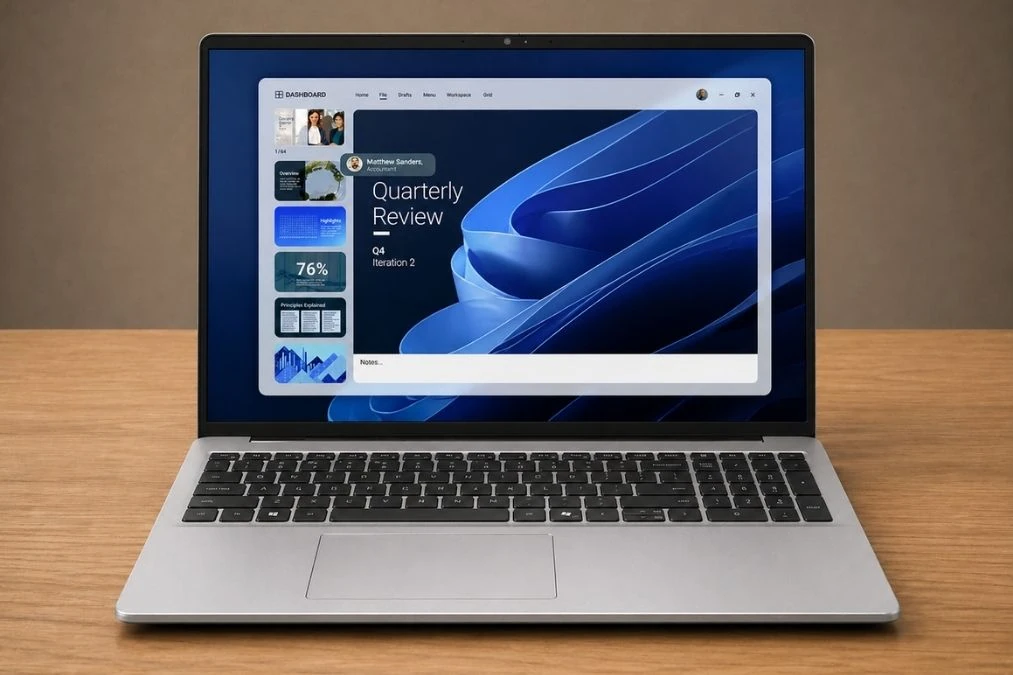
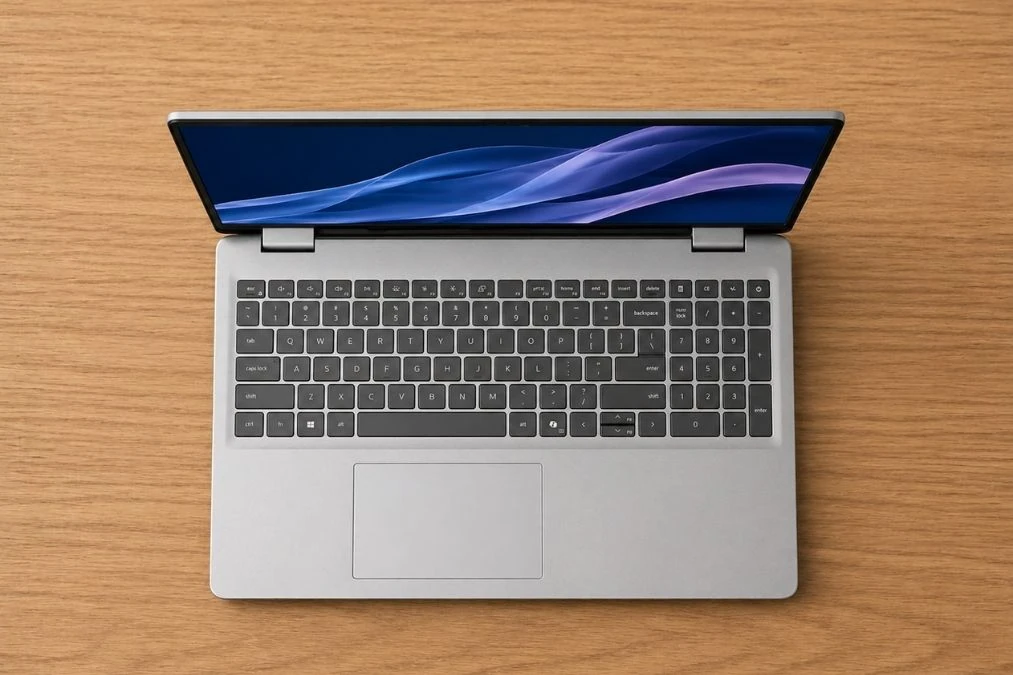
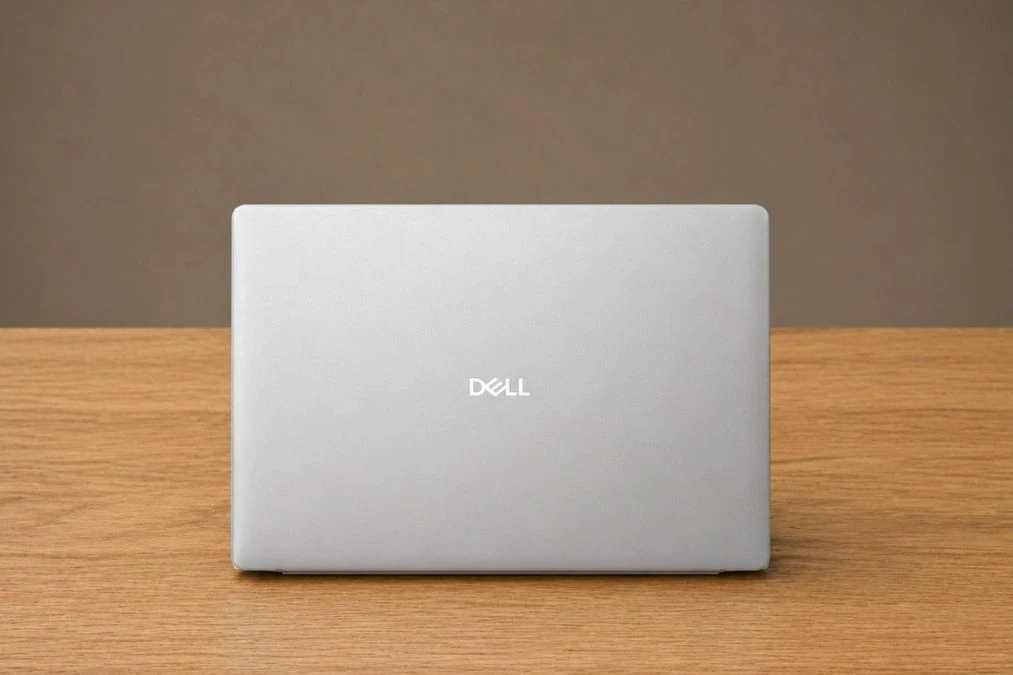
The Dell 16 (2025) is a powerful and large-screen laptop designed for students who need strong performance, a big display, and smooth multitasking. For medical students, it is especially useful for reading detailed textbooks, multitasking between research materials, and attending long study sessions comfortably. The larger display and high RAM make it ideal for intensive academic workflows.
For full benchmarks and detailed real-world testing, read the complete Dell 16 review.
Performance for Medical Studies:
In real usage, including large medical PDFs, research platforms, anatomy software, and multitasking between apps, the laptop performs very smoothly. It can handle heavy workloads without lag, making it suitable for students who deal with large files and multiple applications.
With the AMD Ryzen AI 7 350 processor and built-in AI engine (up to 50 TOPS), it delivers strong and consistent performance. The AMD Radeon graphics helps in smooth rendering of medical visuals, diagrams, and simulations.
Multitasking for Notes and Research:
This is where the laptop stands out. During testing, it handled 20+ browser tabs, medical apps, video lectures, and background processes effortlessly.
The 32GB DDR5 RAM ensures excellent multitasking performance, making it one of the best options for students handling heavy workloads.
Battery Life for Long Study Hours:
With a 64Wh battery, it offers decent battery life for daily usage, though not as long as ultra-efficient laptops.
It is suitable for long study sessions but may require charging during very heavy usage.
Display and Comfort for Reading:
The 16-inch 2K touchscreen (16:10 aspect ratio) provides a large and immersive viewing experience, which is ideal for reading medical textbooks and research papers.
Features like Dell Comfort View help reduce eye strain during extended study sessions, making it more comfortable for long reading hours.
Compared to the ASUS Zenbook 14, which is lighter and more portable, the Dell 16 focuses on performance and screen size.
The Zenbook is better for portability, but the Dell 16 is more suitable for medical students who prioritise performance and a larger display because it offers:
- Bigger 16-inch screen for reading and multitasking
- Much higher RAM (32GB vs typical 16GB)
- Better performance for heavy workloads
- More comfortable long study sessions
Final Verdict for Medical Students:
Choose this if you want a powerful laptop with a large display and excellent multitasking performance for heavy academic use.
Skip this if you prefer a lightweight, ultra-portable laptop for daily travel.
Pros
✔ Large 16-inch 2K display for better readability
✔ Excellent multitasking with 32GB RAM
✔ Strong CPU performance for heavy workloads
✔ Touchscreen support for easier navigation
✔ Comfortable for long study sessions
Cons
✘ Heavier than most student laptops
✘ Battery life is average
✘ Not ideal for portability
✘ Integrated GPU limits high-end graphics tasks
✘ Fans can get noisy under heavy load
Best Premium 2-in-1 for Medical Students
9. Samsung Galaxy Book5 Pro 360
Key Specs
| Processor | Intel Core Ultra 7 258V |
| Graphics | Intel Arc Graphics |
| Memory | 16GB LPDDR5X |
| Storage | 512GB SSD |
| Display | 16-inch 3K AMOLED, touchscreen,120Hz |
| Weight | 3.72 lb (1.69 kg) |
Check Current Pricing
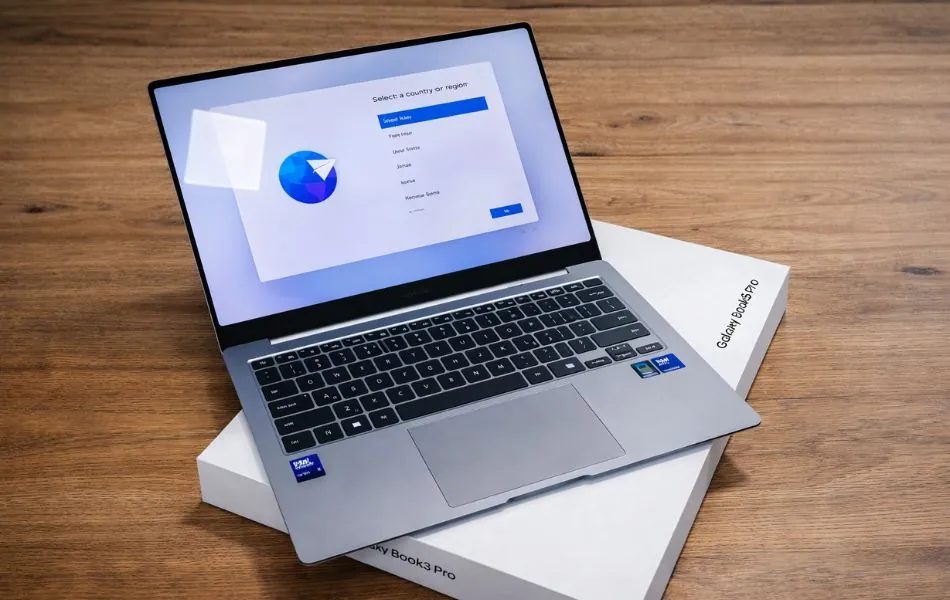
The Samsung Galaxy Book5 Pro 360 (2025) is a premium 2-in-1 laptop designed for students who need flexibility, a stunning display, and AI-powered productivity. For medical students, it is especially useful for reading, note-taking, watching lectures, and studying with digital textbooks. Its AMOLED display and S Pen support make it one of the best devices for interactive learning and long study sessions.
Performance for Medical Studies:
In real usage, including medical PDFs, anatomy apps, research platforms, and video lectures, the laptop performs smoothly and efficiently. Tasks like multitasking, switching between study materials, and running productivity apps remain responsive.
With the Intel Core Ultra 7 256V processor and AI NPU (up to 47 TOPS), it delivers strong performance for modern academic workflows. The Intel Arc graphics ensures smooth rendering of high-quality visuals, diagrams, and medical imaging content.
Multitasking for Notes and Research:
During testing, it handled multiple tabs, PDF viewers, lecture recordings, and note-taking apps smoothly. App switching remained fast and responsive for everyday usage.
The 16GB RAM provides stable multitasking, though not as powerful as 32GB systems for extremely heavy workloads.
Battery Life for Long Study Hours:
With a 76Wh battery, it offers strong battery life for full-day classes and study sessions.
It provides a good balance between performance and efficiency, suitable for students who are frequently on the move.
Display and Comfort for Reading:
The 16-inch 3K AMOLED touchscreen with 120Hz refresh rate is one of its biggest strengths. It delivers sharp text, deep contrast, and vibrant colours, making it ideal for reading medical textbooks, viewing anatomy diagrams, and watching lectures.
Features like anti-reflective coating and Vision Booster improve visibility and reduce glare, which is helpful during long study hours. The included S Pen support also makes it perfect for handwritten notes and diagram practice.
Compared to the Dell 16 (Ryzen AI variant), which offers higher RAM and stronger multitasking performance, the Galaxy Book5 Pro 360 focuses more on display quality and flexibility.
The Dell is better for heavy workloads, but the Samsung Galaxy Book5 Pro 360 is more suitable for medical students who prioritise display quality and note-taking because it offers:
- Superior AMOLED display for better reading clarity
- 2-in-1 design with S Pen support
- Better portability and premium design
- Strong AI features for productivity
Final Verdict for Medical Students:
Choose this if you want a premium 2-in-1 laptop with an excellent display, stylus support, and strong battery life for studying and note-taking.
Skip this if you need maximum multitasking performance (32GB RAM) or a more budget-friendly option.
Pros
✔ Stunning 3K AMOLED display with 120Hz refresh rate
✔ 2-in-1 design with S Pen support
✔ Lightweight and premium build quality
✔ Strong AI-powered performance
✔ Good battery life for full-day usage
✔ Excellent for note-taking and reading
Cons
✘ Expensive compared to standard laptops
✘ Only 16GB RAM (not ideal for heavy workloads)
✘ Limited ports compared to larger laptops
✘ Glossy display may reflect in bright light
✘ Not designed for heavy GPU tasks
How to Choose The Best Laptop for Medical Students in 2026?
If you want to buy a better laptop for medical school and can efficiently run your medical-related software, you should keep the essential components given below.
Choose a laptop according to your requirements and budget.
Price
While the best laptops are expensive, you must consider your budget. Lower-end laptops have slower processing power and higher weight, and those features may serve you only a short time.
Medical students need excellent performance, good processing speed, and long-lasting batteries.
So, it is best to invest in a mid-range laptop or even a higher-grade one that will last longer and be more relevant. But, of course, if you have so much budget, then an Apple MacBook or Microsoft laptop is always best.
Processor
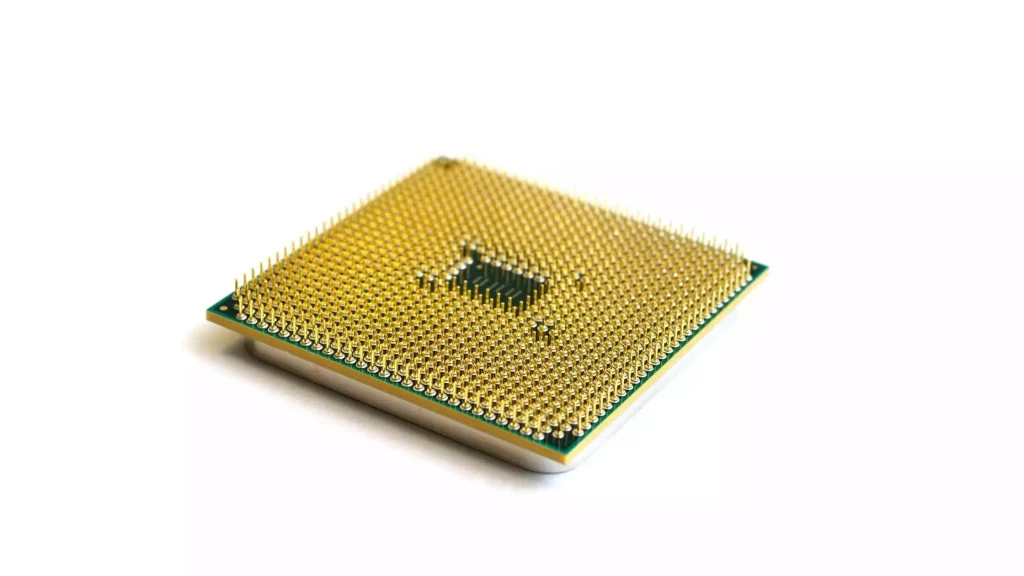
Before you go ahead with your purchase, this is one of the most important factors that should be minimized because if you have high and latest processors, your laptop can perform almost every task.
If it is low, then it is very Will be less. The latest Intel processors, such as the i9, i7, i5, and i3, and some of the latest AMD Ryzen versions, recommend speeds to feature the processor.
However, depending on your activities, you may not need to go specifically for the highest power processors, affecting your prices on the purchase.
Going for an i5 high-power processor can be a good option for reading and research, even if you know that the i7 processor will speed things up.
RAM
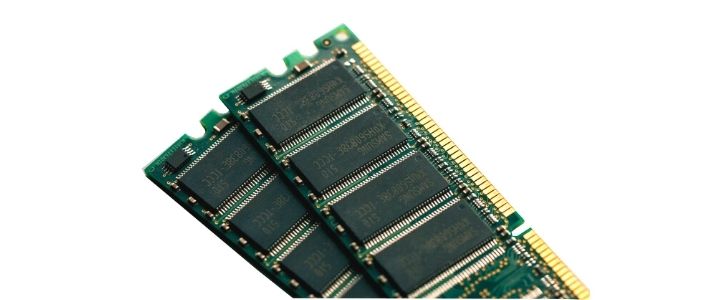
This is the second main feature that you need to see. Your laptop’s memory, commonly known as random access memory (RAM), also plays an important role in your laptop’s performance.
RAM determines the software, application, or program that can run simultaneously without working with your device.
You want to get a laptop with good RAM, and we recommend that you need 8 GB of RAM. This device will allow you to work smoothly despite other applications running in the background and will prove to be better RAM management.
The latest and higher RAM is great for multitasking and heavy work.
Storage
The storage capacity is one of the essential features for any medical student as it determines the amount of data they can store on their device. Therefore, they can store more files on their devices when storage capacity is high.
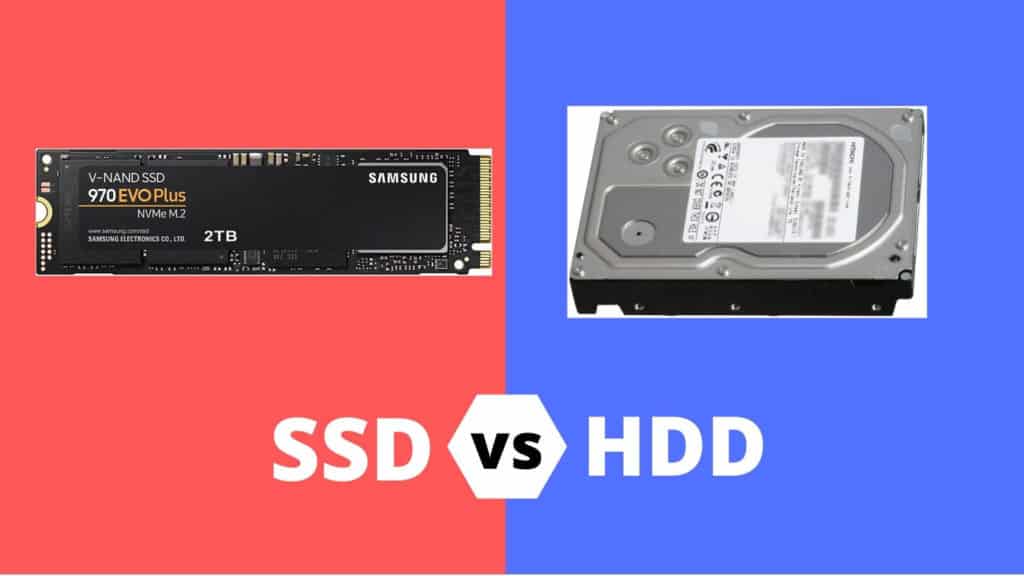
We recommend at least 512GB SSD storage. With this, you can store many music, movies, and large files and install large applications. HDD and SSD are two types of storage available in the market.
The type you go for depends on what you want and can spend as your budget. But we recommended SSD storage, the best option on the market because it makes your machine faster. HDDs are cheaper than SSDs and slower.
Battery Life
If your battery lasts longer, you can work longer; good battery life is one of the requirements. The excellent battery backup will enable you to work comfortably throughout the day or during your duty time, regardless of where the charger is.
We recommended that the laptop has about 8 hours of endurance; for example, you should get through a day of lectures or meetings.
As you need to use a PC for extended study time, choosing a laptop with an excellent battery life would be more practical and convenient.
Software Compatibility
It’s also crucial to check the software’s compatibility before purchasing a laptop because some essential software used by medical students and professionals will continue to be needed. Nowadays, most exam preparation and certification have shifted online like ExamSnap, becoming more prevalent. Therefore, investing in a good laptop is advisable.
The best software for medical school students and doctors is-
1. MedCalc
It is one of the most useful medical calculators available for medical study. MedCalc contains several formulae as well as information and references for each one. It is also free to use, having been voted a tremendous tool by over 5,000 people.
Minimum & Recommended System Requirements
| Specs | Minimum | Recommended |
|---|---|---|
| CPU | Intel Pentium or Equivalent to AMD Ryzen | 10th Gen Intel Core i5 or Ryzen 5 |
| RAM | 2GB DDR3 Free | 4GB DDR4 |
| OS | Windows Vista, Windows 7, 8, 8.1, 10 or 11 | Windows 8, 8.1, 10 or 11 |
| Storage | 60 MB Free Hard Disk | 256GB SSD |
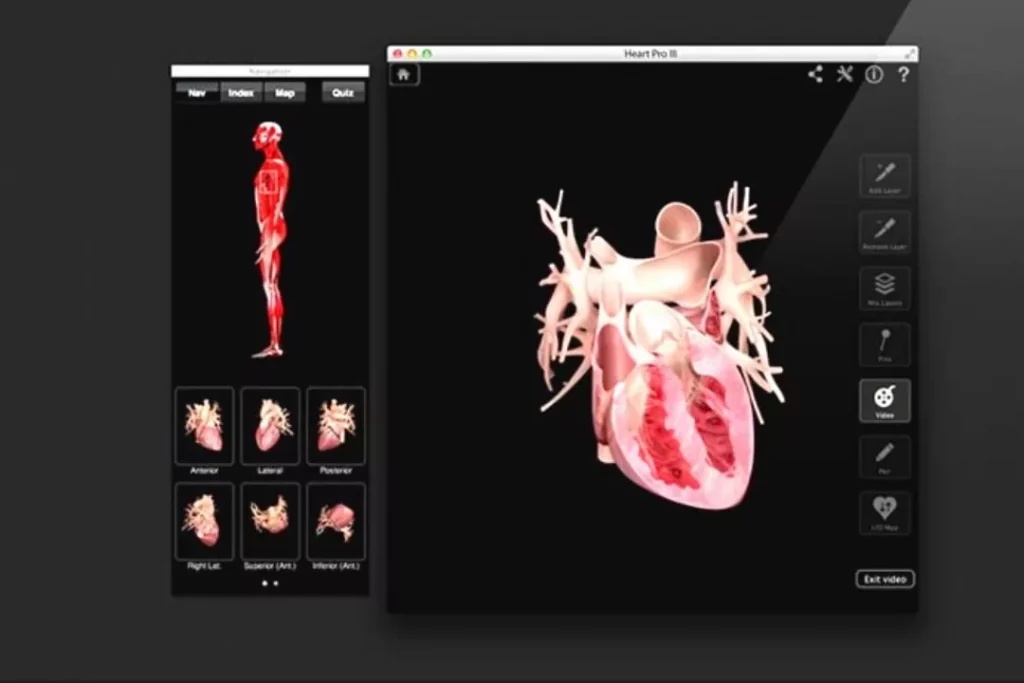
2. Heart Pro
Heart Pro is another essential and helpful software specially designed to focus on cardiology. If you are a medical student or doctor in this field, you will get this hands-on software to help you with 3D design. It provides all the possible angles of the human heart to store the data.
A cardiology doctor or student should install this helpful software.
This software supports Apple’s Macbook Pro, Macbook Air, or iMac, so you must go to the official website and download and use all of them easily.
3. Anki
Anki is one of the most popular medical school apps because it works on all platforms, including Linux, iOS, Android, and Windows.
If you’re unfamiliar with the concept, imagine a flashcard system that asks you questions about topics you don’t know much about rather than topics you do.
Interval repetition is the concept, and Anki is a great free tool for medical students.
To install Anki software, follow these steps-
- Download Anki from the Official Site
- Save Anki in your local storage
- Double-click on the installer to run it
- After the Install process is over, double-click on the new star icon on your desktop to start Anki
You can use an alternate version by visiting the official website and updating the upcoming updates.
Minimum & Recommended System Requirements
| Specs | Minimum | Recommended |
|---|---|---|
| CPU | Intel Pentium or Equivalent to AMD Ryzen | 10th Gen Intel Core i5 or Ryzen 5 |
| RAM | 2GB DDR3 Free | 8GB DDR4 |
| OS | 64-bit Windows 7, 8, 10 or 11 macOS 10.10 to 10.13.3 was 2.1.35-alternate 64-bit Intel/AMD Linux | Windows 8, 8.1, 10 or 11 macOS 10.13.4 or later 64-bit Intel/AMD Linux |
| Storage | 512 MB Free Hard Disk | 256GB SSD |
Display
Try not to spend much time focusing on the resolution and graphics until you look for something that can handle photo editing or graphic design above your course load.
The high display quality of 1080p pixels is ideal, but it is not essential for medical students.
Your screen size depends entirely on personal choice, but you need to see the spread quality. Some students prefer a more prominent display, while others prefer a more compact, portable design that will provide longer-lasting battery performance.
You can buy any of these from the list above. Just decide which size suits you best.
Graphics
As far as graphics cards are concerned, they are not of much importance to a medical student and doctors as they do not use any software requiring high-definition quality pictures in games and graphic designing activities.
Since they are not gamers, they can buy a laptop with integrated graphics with Intel HD, Intel UHD, or AMD Redon graphics.
Portability
Doctors and medical students require a portable laptop to take to college, the library, or any other place where they need to take it with them.
The laptop should be light enough to carry around and typically weigh less than 4 pounds.
Operating System
The OS plays a massive role in your work performance, and macOS is always top-notch. The window is inexpensive and easy to use; we already do better with simple tools.
They are our go-to’s, and we don’t have to learn how to use them every time to do a lot of work that makes them automatic.
Each operating system has its pros and cons. Most doctors and medical-related people are barely interested in technology to try new stuff every day. Most people know about the Windows interface, making laptops with Windows more compatible and easier to use.
Also, Windows OS is more user-friendly than MacOS. This is not to say that MacOS is not good, but those who think they are not technical experts will get Windows quickly.
Frequently Asked Questions
Q1. How a Good Laptop Will Make Your Life Easier?
A few years ago, you could only learn with physical books, but most students or successful people now like digital reading.
Therefore, there is an excellent need for laptop computers to read digital books effectively.
If you are preparing for any exam and need to answer the question as soon as possible, then in the physical book, it takes at least 10-30 minutes, and you will have to find the answer to the same question.
But with an e-book on your PC, you can easily find the answer in a few seconds.
If you have a better laptop, you can complete all of these tasks at once, and you will be ahead of students who do not have better electronic devices.
Q2. What Kind of Laptop is the Best for Medical School?
If you are a medical student, you will need a better laptop to become a successful doctor.
Most students who live in colleges or universities have to collect many notes and save files.
Because all this is very useful in the future, sometimes you have to go to another college or university for an internship. Then your better computer will become very useful.
Do not forget??
If you are a medical student or a doctor, you need to focus mainly on the weight of the laptop.
It would be best if you chose a thinner PC, which is an excellent choice for outdoor use most of the time.
If you are a doctor, you will know how portable laptops affect your study and life and what components you need to pay attention to.
With a laptop, your friends, and other people around you, the doctor is worried that he will surpass you because he has more data to analyze.
Q3. Should I buy a gaming laptop?
For students or doctors, gaming laptops are not a good choice because all these laptops are very heavy. Therefore, you will feel much pain when carrying it somewhere in your hand or arm.
However, if you like to play games and want a laptop that can run modern games, you can buy it.
Q4. How about a 2-in-1 or business laptop?
If we talk about 2-in-1 or touch-screen laptops, this laptop is always a better choice for students because most 2-in-1 laptops are thin and always perform best in battery backup.
Most students like the screen touch laptop because it is easier to take notes than any other laptop.
We also strongly recommend that if you like multi-touch laptops, then buy the same.
You can also buy a business laptop; this is the second-best choice for medical students or medical schools.
Q5. Is a MacBook the best for medical students?
The Newly launched MacBook Apple is one of the company’s best laptop models. It has 3.5 times faster processing performance and 5x smoother graphics performance than the previous generation.
The new MacBook is cheaper and includes a long-lasting battery that lasts all day.
If you can buy a MacBook for educational purposes, go for it without any thought. The new MacBook is ideal for medical students who have a sufficient budget.
If you have a budget crunch, a MacBook with less RAM and storage is the best option. It has good hardware specifications to run most applications related to medical studies, which is also of low weight with excellent portability.
Q6. Which MacBook is best for medical students?
The newly launched MacBook Pro and MacBook Air with M series chip are the top two laptops popular among medical students due to their fast processing speed and low price.
Final Words
You may not buy a laptop yearly like a smartphone, so It is a long-term investment, so you need to be very careful to buy one, especially when you are a medical student or a doctor.
You cannot easily change your laptop by looking at the valuable information and case files you have stored on this machine. Transferring such a large amount of data would be one hell of a task to do yearly.
In this article, we have recommended the best laptops for Medical Students and doctors, and we hope our recommendations will help you find the right laptop.
If you have any questions or advice, please write in the comment box, and we will try to reply as soon as possible.





Great blog you have here.. It’s hard to find quality writing like yours nowadays.
I truly appreciate individuals like you! Take care!!