


NVIDIA is reportedly preparing to reduce production of its GeForce RTX 50 series gaming graphics cards by approximately 30 to 40 percent during the first half of 2026, according to multiple supply-chain reports from Asia. The adjustment is described as a response to tightening memory availability rather than a decline in consumer GPU demand.
This information originates from China-based board channels and has been corroborated by BenchLife, both of which have previously provided accurate reports on GPU allocation changes, add-in-board (AIB) supply planning, and component shortages. If the memory shortage persists into 2026, this move could impact the availability of some mid-range Blackwell GPUs.
Production Adjustment Targets Early 2026 Volumes
Board Channels reports that NVIDIA’s RTX 50 series output during H1 2026 could be 30–40% lower year-over-year compared with the same period in 2025. The move is characterized as a production rebalancing effort, not a cancellation of products or a delay to planned launches.
Benchlife confirms that NVIDIA is preparing a supply reduction but does not specify a percentage. Instead, it reports that allocation changes have already been communicated to select partners, indicating that planning is underway rather than speculative.
The reports do not suggest any discontinuation of RTX 50 series products. Instead, the adjustments are described as temporary and conditional, dependent on memory availability and regional demand trends.
RTX 5070 Ti and RTX 5060 Ti Expected to See Early Impact
Both Board Channels and Benchlife indicate that mid-range Blackwell models, specifically the GeForce RTX 5070 Ti and GeForce RTX 5060 Ti 16GB, are expected to be affected first by the reported supply adjustments.
According to the reports, these models require relatively higher GDDR7 memory allocations compared with lower-tier cards while occupying the mid-range segment of NVIDIA’s gaming lineup. Several AIB partners and component suppliers have reportedly been informed that these two SKUs are likely to be prioritized for early allocation changes. Higher-margin flagship models are not mentioned as part of the initial adjustment.
Memory Constraints Extend Beyond Graphics VRAM
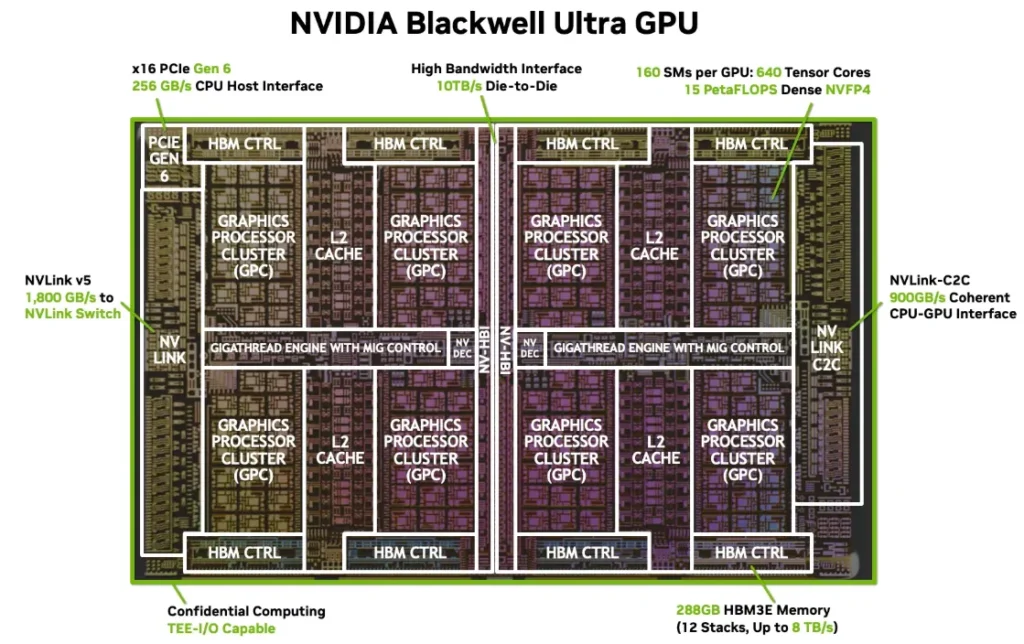
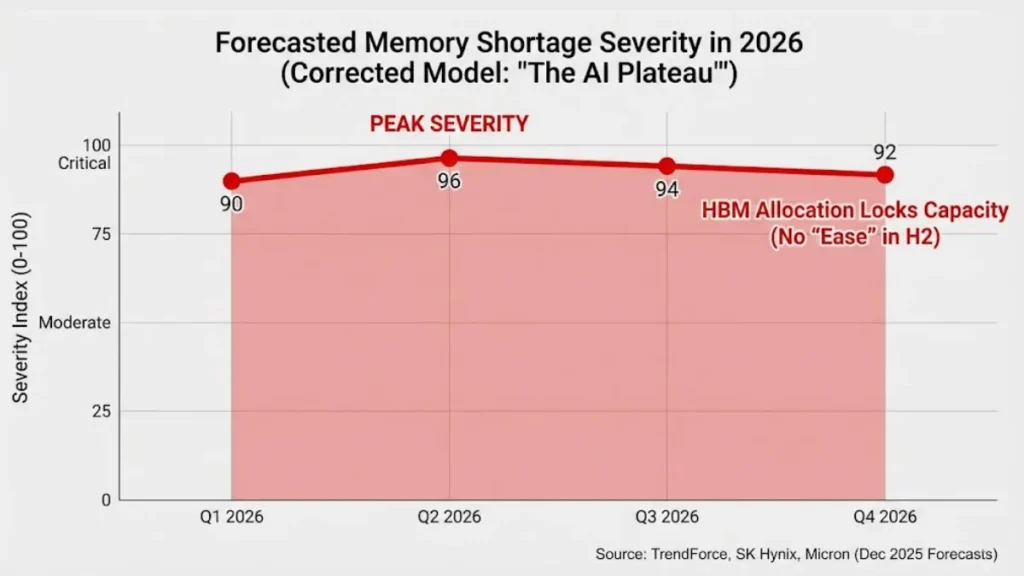
The reported supply pressure is not limited to GPU memory alone. Board Channels notes that availability constraints span GDDR6, GDDR7, and other memory components used across the broader PC hardware ecosystem.
This includes memory associated with motherboards and DIY retail channels, suggesting a wider supply imbalance rather than a GPU-specific bottleneck. The situation is reportedly influencing production planning across graphics cards, motherboards, and storage products simultaneously.
Mainland China May See Initial Supply Adjustments
According to Board Channels, NVIDIA may initially focus its supply adjustments in Mainland China, where shifting DIY market conditions and inventory levels are prompting manufacturers to reassess shipment volumes.
The reported strategy is aimed at avoiding channel oversupply while maintaining balance between production output and regional demand. Benchlife cautions that the information reflects regional supply-chain signals and may not fully represent NVIDIA’s global distribution strategy.
At present, it remains unclear whether similar reductions would be applied uniformly across North America, Europe, and other major markets.
NVIDIA Has Not Issued Official Confirmation
NVIDIA has not publicly commented on the reported production adjustments. In a recent earnings call, company executives emphasized ongoing coordination with foundry, packaging, and memory partners to manage long-term supply planning, but did not mention any potential reduction in RTX 50 series output.
As with all supply-chain reporting, the situation remains fluid, and final production decisions could change in the coming months based on memory availability, regional demand, and partner inventory levels.
Sources: Board Channels, Benchlife via PCmag