
Abxylute has officially begun shipping its long-delayed 3D One handheld PC, marking the first commercial rollout of a glasses-free 3D Windows gaming handheld. The company confirmed that initial deliveries started on February 3, following a delay of nearly two months from its originally planned December launch.
The first shipment is limited to around 80 fully paid orders, covering early backers who completed payment and post-purchase requirements. Deliveries within China are expected within several days, while international shipments may take up to two weeks depending on customs processing. Abxylute says a second production batch is already in progress and is scheduled to ship after the Chinese New Year holiday, pointing to wider availability in early March.
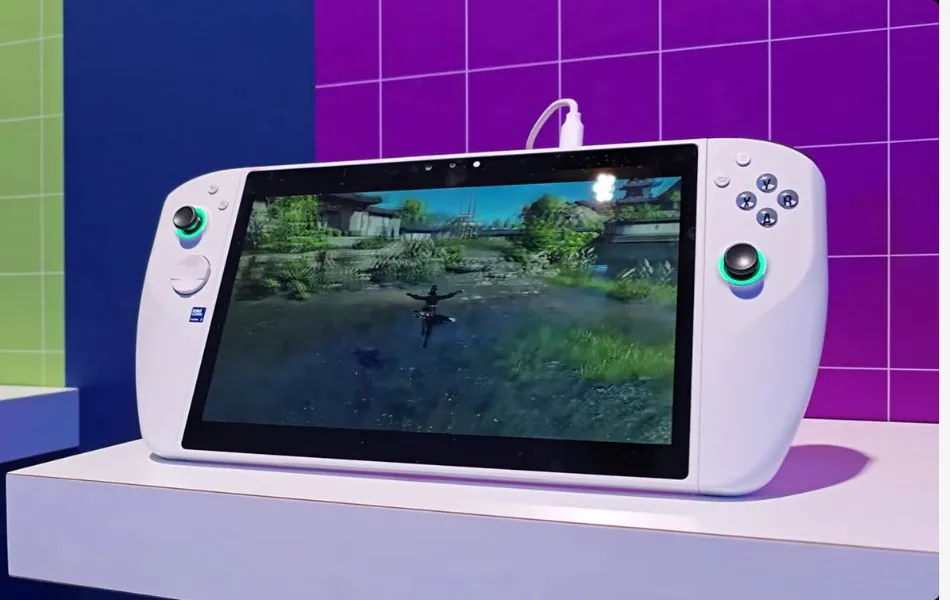
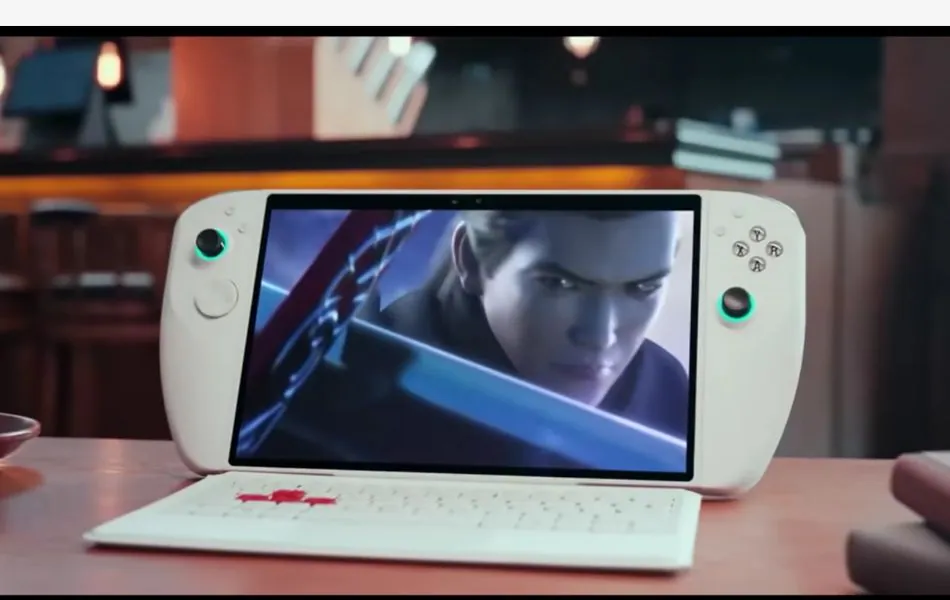
The Abxylute 3D One places its emphasis on display technology rather than portability. It features a 10.95-inch IPS panel with a 2560 × 1600 resolution and a 120 Hz refresh rate, making it considerably larger than handheld PCs such as the Steam Deck and ROG Ally. The display supports real-time conversion of standard 2D Windows games into stereoscopic 3D, positioning the screen as the device’s primary differentiator.
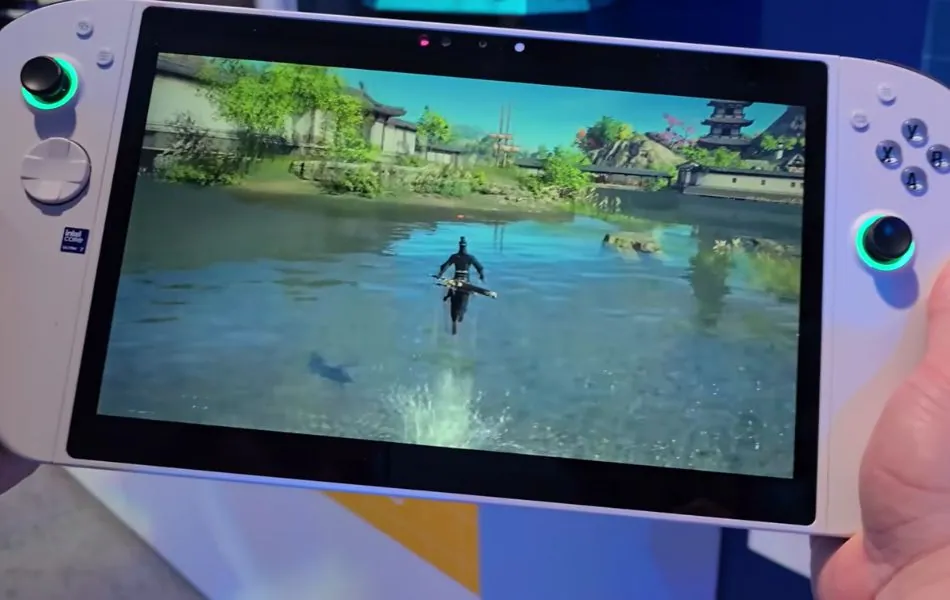
The glasses-free 3D effect is delivered through an autostereoscopic display paired with eye-tracking technology, allowing the screen to present separate images to each eye without external glasses. This design enables depth perception while maintaining compatibility with existing Windows games, avoiding the need for proprietary formats or a closed software ecosystem.
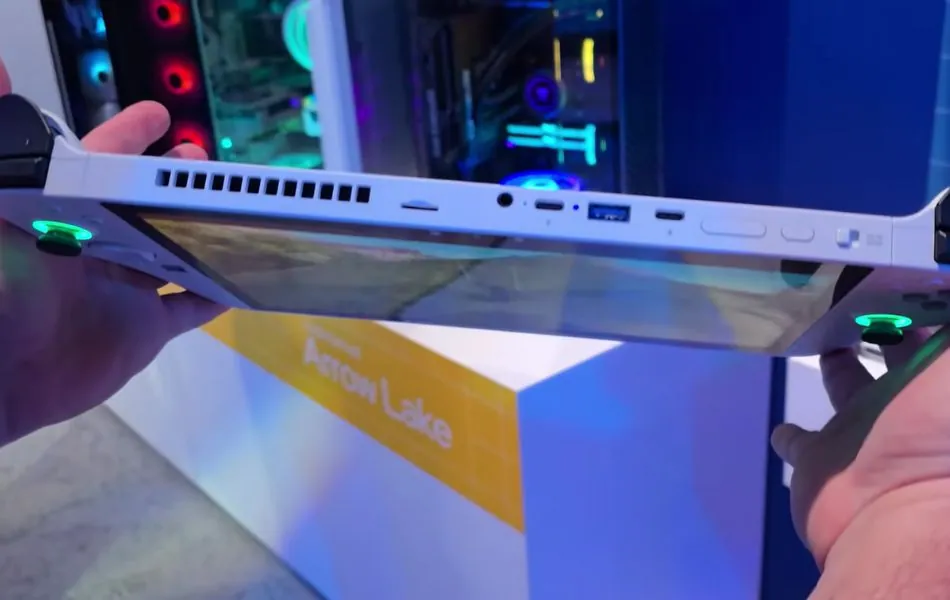
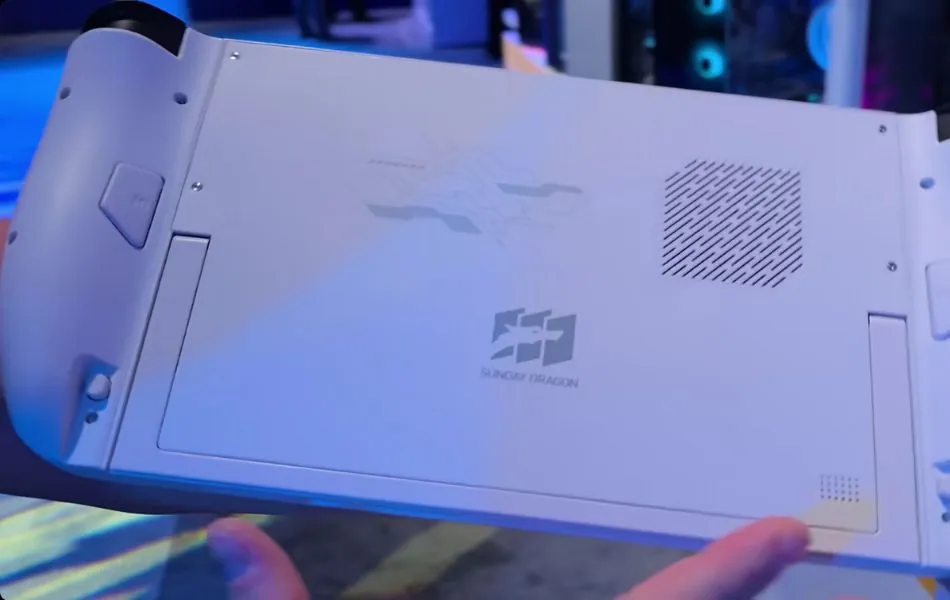
The handheld is powered by Intel’s Lunar Lake platform, using the Intel Core Ultra 7 258V processor, paired with up to 32 GB of LPDDR5X memory and a 1 TB PCIe 4.0 SSD. It runs Windows 11 and includes detachable controllers, allowing it to be used as a traditional handheld, a tabletop system via its integrated kickstand, or a compact Windows PC when connected to external peripherals.
Also Read: Best Gaming Laptops
Abxylute says more than 50 PC games have been natively optimized for its 3D mode, with additional titles supported through automatic 2D-to-3D conversion. Company-provided performance data suggests playable frame rates in demanding PC titles under medium settings, although independent benchmarks have yet to be published abxylute 3D One Handheld.
Pricing places the 3D One well above most mainstream handheld PCs. Kickstarter backers secured the device for $1,499, while current listings on Abxylute’s official store show a price of around $1,599. Rather than competing on value, the company appears to be targeting early adopters interested in experimental display technology.
With shipments now underway, the Abxylute 3D One will provide a clear test of whether glasses-free 3D can gain practical traction in modern PC gaming. Its long-term reception is likely to depend on software support, performance consistency, and Abxylute’s ability to scale production beyond its initial limited batches.
Source: Abxylute (via notebookcheck)