
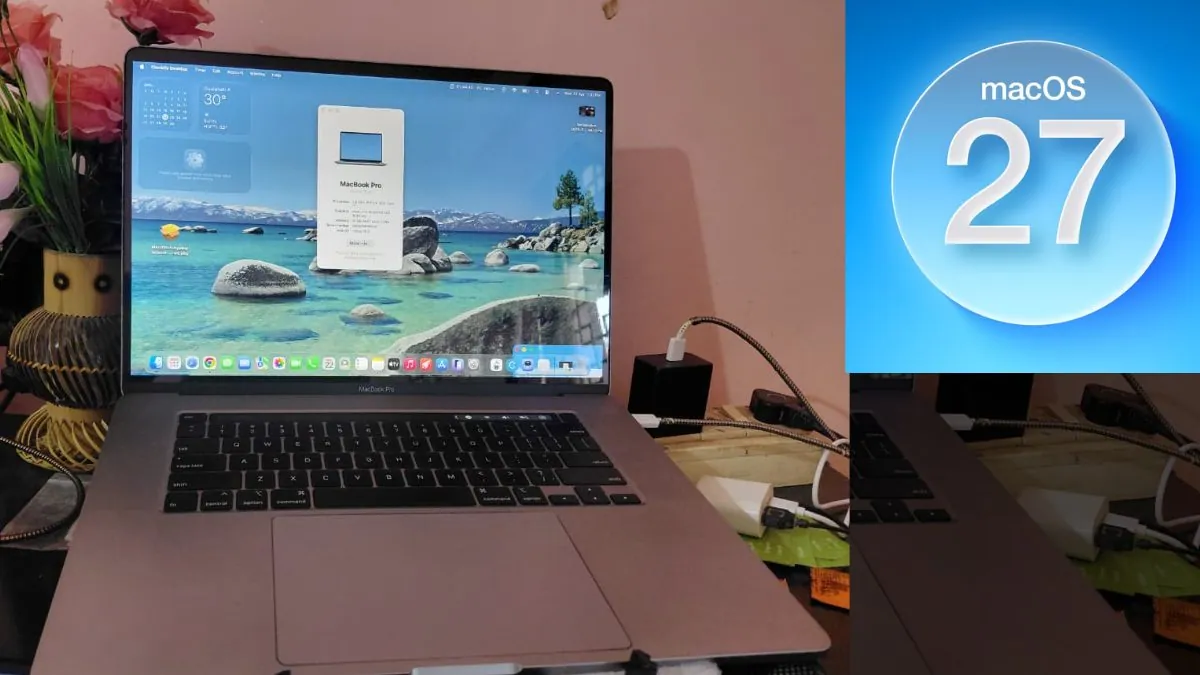
Apple will drop support for Intel-based Macs with macOS 27. The upcoming release will run only on Apple Silicon, making macOS 26 Tahoe the final major update for Intel systems.
This marks the final step in Apple’s shift away from Intel processors, which began in 2020 with the first M1 Macs. From macOS 27 onward, all new features and updates will be built only for Apple Silicon hardware.
Macs That Will NOT Get macOS 27
| Device | Model Year |
|---|---|
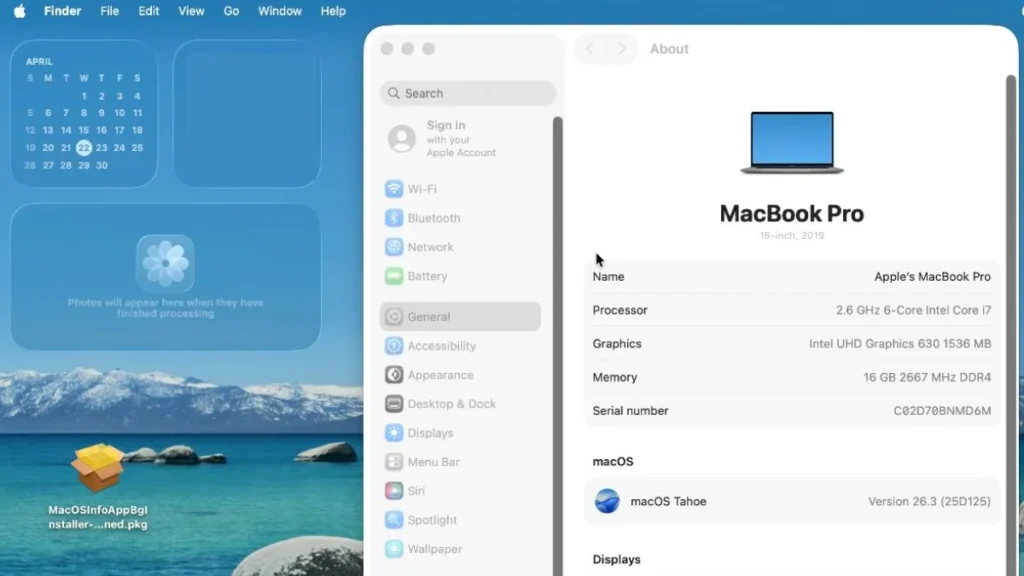
| MacBook Pro 16-inch | 2019 |
| MacBook Pro 13-inch (4 Thunderbolt ports) | 2020 |
| iMac 27-inch | 2020 |
| Mac Pro | 2019 |
These are the last Intel models still supported by macOS 26, and none of them are expected to move forward.
Macs That WILL Get macOS 27
- MacBook Air (M1 and newer)
- MacBook Pro (M1 and newer)
- iMac (Apple Silicon models)
- Mac mini (M1 and newer)
- Mac Studio
- Future Apple Silicon Macs
Any Mac running on M1, M2, M3, or newer chips will continue to receive updates.
Why Apple Is Ending Intel Support
Apple’s newer chips are faster, more power efficient, and designed together with macOS. Over time, many system features have started relying on Apple Silicon hardware, especially for AI tasks, graphics, and battery efficiency.
Maintaining support for Intel systems limits how far Apple can push new features. Dropping Intel allows the company to focus fully on its own architecture and improve performance across the platform.
What Happens to Intel Macs Now
Intel Macs will continue to work normally and receive security updates for a limited time. However, they will no longer receive major macOS upgrades or new features.
Apple’s developer notes also confirm that macOS 26 is the last version supporting Intel hardware. The Rosetta translation layer, which helps run older apps, will remain available for a limited time before being phased out.
This means software compatibility will gradually shift toward Apple Silicon-only apps over the next few years.
Also Read: Apple Adds Manual 80% Charge Limit for MacBooks in macOS
What You Should Do
- Stay on macOS 26 for continued security updates
- Keep apps updated while Rosetta support remains
- Plan an upgrade if long-term software support is important
For users relying on older Intel-based workflows, this transition may take time, but future macOS releases will no longer support those systems.
Release Timeline
macOS 27 is expected to enter public beta shortly after WWDC 2026, with a full release later in the year.
Source: MacRumors