
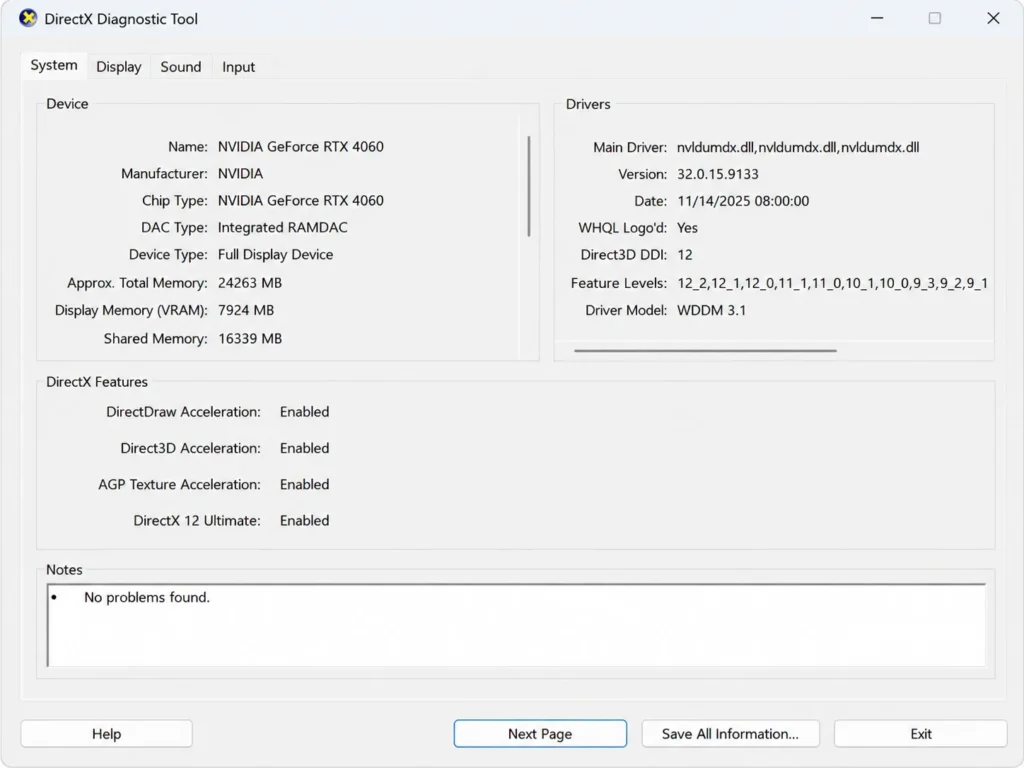
Desktop GeForce graphics cards have never officially supported Windows 11 ARM, but developer VoidTech (in Bilibili) has managed to get an Nvidia GeForce RTX 4060 working on Huawei’s Qingyun W510 workstation. The project relies on an ARM64 graphics driver extracted from Nvidia’s RTX Spark software, allowing the graphics card to run with DirectX 12, Vulkan, CUDA, and hardware acceleration.
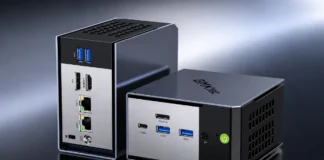
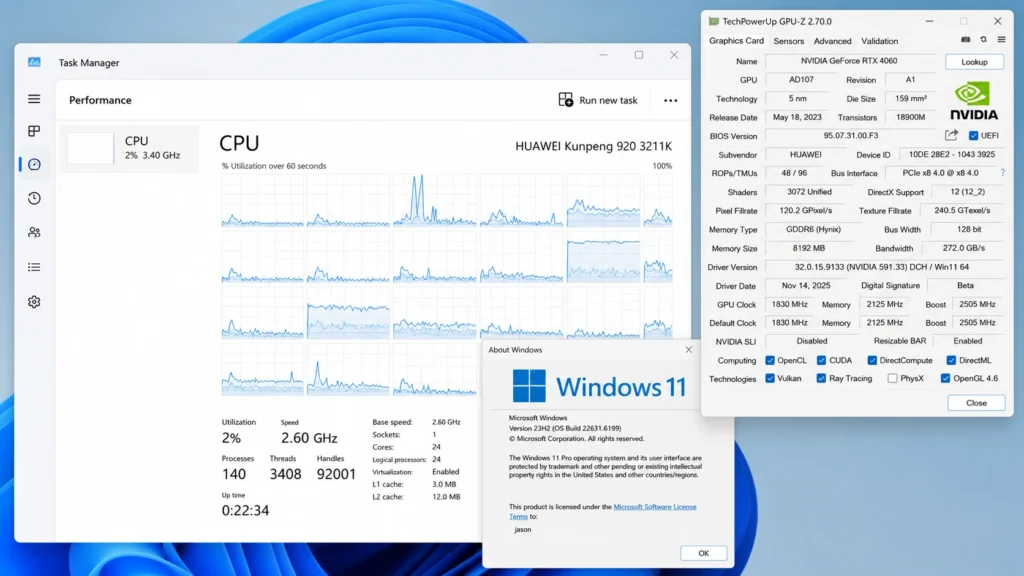
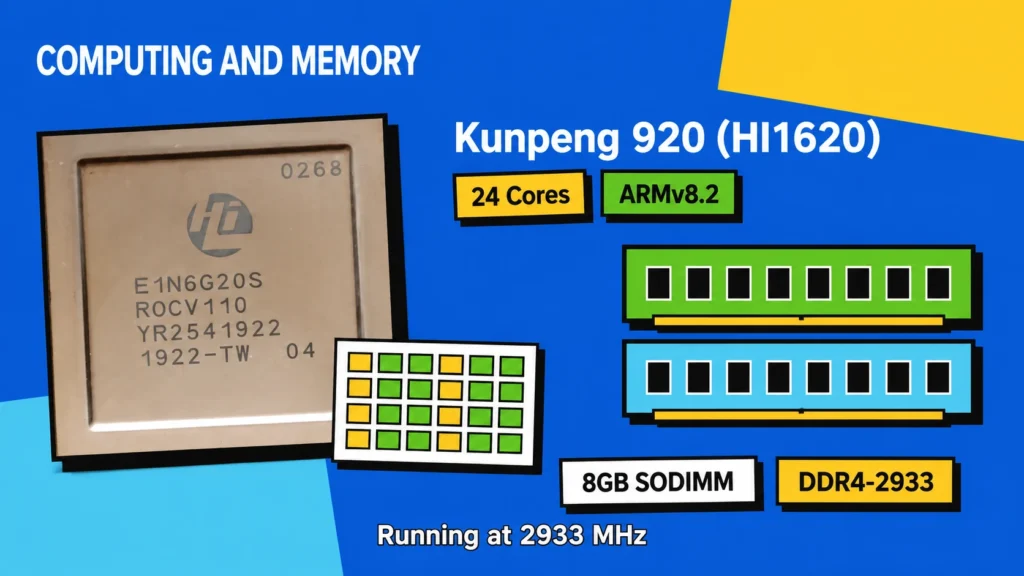
The Huawei Qingyun W510 was not built for Windows. Before installing the graphics driver, VoidTech applied an open-source ACPI patch so Windows 11 ARM could boot on the workstation. The test machine was comes with a 24-core Kunpeng 920 processor, 32GB of DDR4-2933 memory, and an 8GB GeForce RTX 4060.
NVIDIA does not provide a public ARM64 GeForce driver for desktop graphics cards, so VoidTech extracted driver version 591.33 from the RTX Spark software package. After installation, Windows recognized the RTX 4060, enabled DirectX 12, Vulkan, CUDA 13.1, and GPU acceleration. DirectX Diagnostics even identified the driver as WHQL certified.
The developer believes the same driver architecture is not limited to the RTX 4060. If compatible ARM64 drivers become available, the same method could support GeForce RTX 20, RTX 30, RTX 40, and RTX 50 Series graphics cards.
Gaming performance is held back by the processor rather than the graphics card. Most PC games still run as x64 applications, forcing Windows to translate them into ARM64 instructions. VoidTech estimates that translation reduces CPU performance by about 25%, while the Kunpeng 920 cannot match the single-core speed of current desktop processors.
The gaming results show that limitation clearly. Genshin Impact averaged around 20 FPS at 1080p, while the Black Myth: Wukong benchmark ranged between 3 FPS and 33 FPS. Nvidia’s Star Wars Reflections demo ran at around 23 to 25 FPS, whereas native ARM64 benchmarks performed much better with Night Raid scoring 43,530 points, Solar Bay reaching about 32,370 points, and Speed Way returning 2,252 points.
Compute workloads produced better results than games. Blender detected the RTX 4060 through CUDA, and Task Manager showed GPU utilization reaching about 89% during rendering. Blender still relied on x64 translation because Windows on ARM does not yet have a native CUDA toolkit outside Windows Subsystem for Linux.
Also Read: NVIDIA GeForce RTX 60 Graphics Card Launch Delayed to 2028
A few hardware limitations still remain. The RTX 4060 cannot send video directly to a monitor on the Huawei workstation, so the desktop had to be streamed through Sunshine and Moonlight. Windows drivers for the onboard network controller and several other devices are still unavailable, while games protected by kernel-level anti-cheat continue to fail, with Arknights: Endfield closing shortly after startup.
The project shows that desktop GeForce graphics cards can work on Windows 11 ARM with a compatible ARM64 driver even without official desktop driver support from Nvidia. Gaming is still limited by software compatibility and processor performance, but the test shows how far Windows on ARM graphics support has progressed.
Source: Bilibili