

Are you a college student searching for a great laptop under $1,000 in 2026?
You’re in the right place.
In this guide, we’ll help you find the best laptops for students that balance performance, portability, and affordability — all within a $1,000 budget. After reading, you’ll know exactly what to look for and which models are worth considering.
Let’s dive in.
As a student, your laptop needs might vary depending on your course and interests. Some of you may need a device for everyday tasks like browsing, taking notes, and attending online classes. Others might require extra performance for things like video editing, music production, or even light gaming.
That’s why it’s important to understand what specs matter most. You should pay close attention to the processor (CPU), RAM, storage, graphics (if needed), battery life, and portability. A lightweight, long-lasting laptop with at least 8–16GB of RAM and a modern SSD is ideal for most college workloads.
Today, it’s challenging to find the perfect laptop under $1,000 — the market is competitive, and every student has different needs. That’s why we’ve done the research and testing for you.
Whether you’re majoring in computer science, business, or design, or want a reliable laptop for everyday tasks, this list will help you make the right choice without wasting time or money.
What to look for in a Laptop for College Students?
It might be challenging to buy the right laptop as a college student, but there are specific criteria you can follow to get the best deal.
Checking the specifications is the most crucial factor. A good laptop should have a long battery life, a high-definition display, and primary storage on an SSD.
It should have a Powerful and Latest Processor
The processing power of a laptop should be an essential feature, as the higher-end versions of the CPU can handle heavy-duty applications.
It would help if you also look at the generation of the CPU and always choose the current version.
Pick the Right Graphics Card
Opt for the most recent shared or dedicated graphics cards if your course requires extensive graphic use.
If you require a GPU, a discrete NVIDIA graphics card is the best option for graphics-intensive applications like 3D modeling and rendering, encoding, video editing, etc.
Choose more RAM and Storage Version
RAM (random access memory) and Storage Drive are essential components of any computer, but it is crucial for college students. By storing temporary data, running programs, and running apps, RAM helps speed up a computer’s performance. A computer’s speed is proportional to the amount of RAM it contains.
Depending on your needs, you’ll need a laptop with more and higher MHz RAM. In addition, a college student’s laptop must have a sufficient number of storage drives (SSD is recommended).
You will never need to buy a new device if your memory or storage needs increase if you buy a machine with more RAM or storage space.
The Best Laptops for College Students Under $1000: Top Picks
| Image | Product | Feature | Price |
|---|---|---|---|
TOP Pick
 |
Apple MacBook Air 15 M5 |
| Check Price |
Best Overall  |
Acer Nitro V |
| Check Price |
Microsoft Surface Pro |
| Check Price | |
 |
HP OmniBook 7 Flip |
| Check Price |
|
|
ASUS Zenbook S 16 |
| Check Price |
 |
Dell 14 Plus |
| Check Price |
 |
ASUS TUF Gaming F16 |
| Check Price |
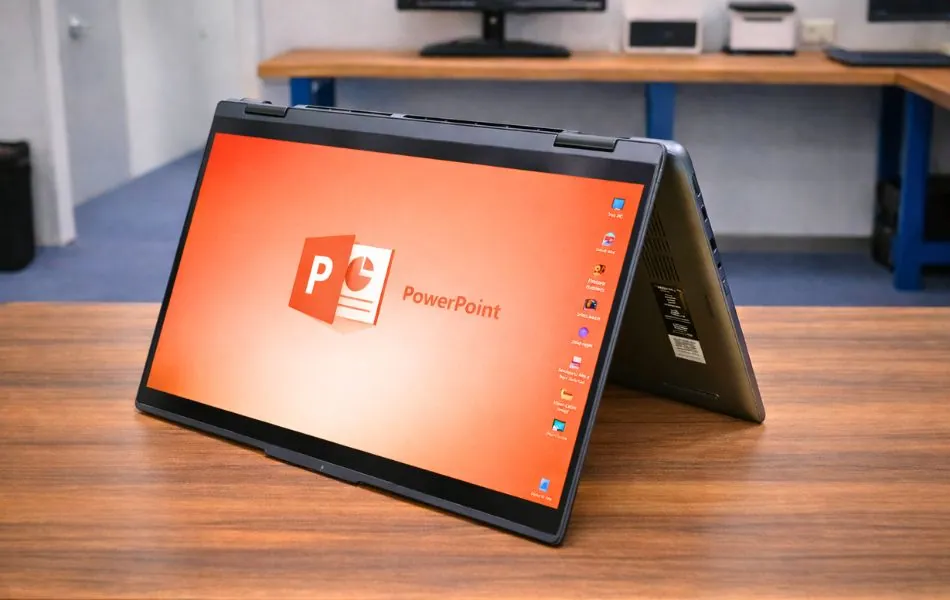 |
Lenovo Yoga 7i 2-in-1 |
| Check Price |
Best Premium Laptop for College Students
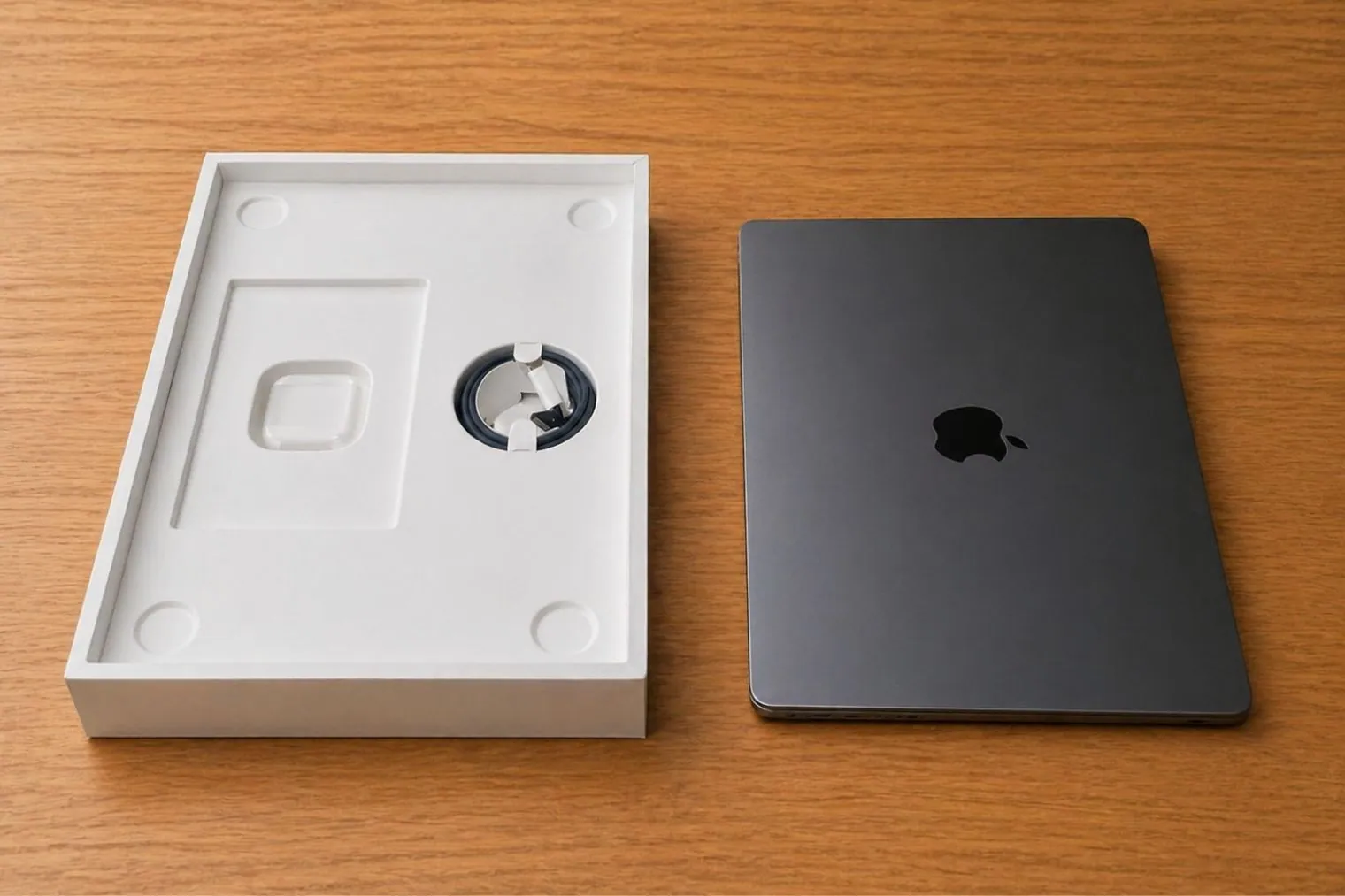


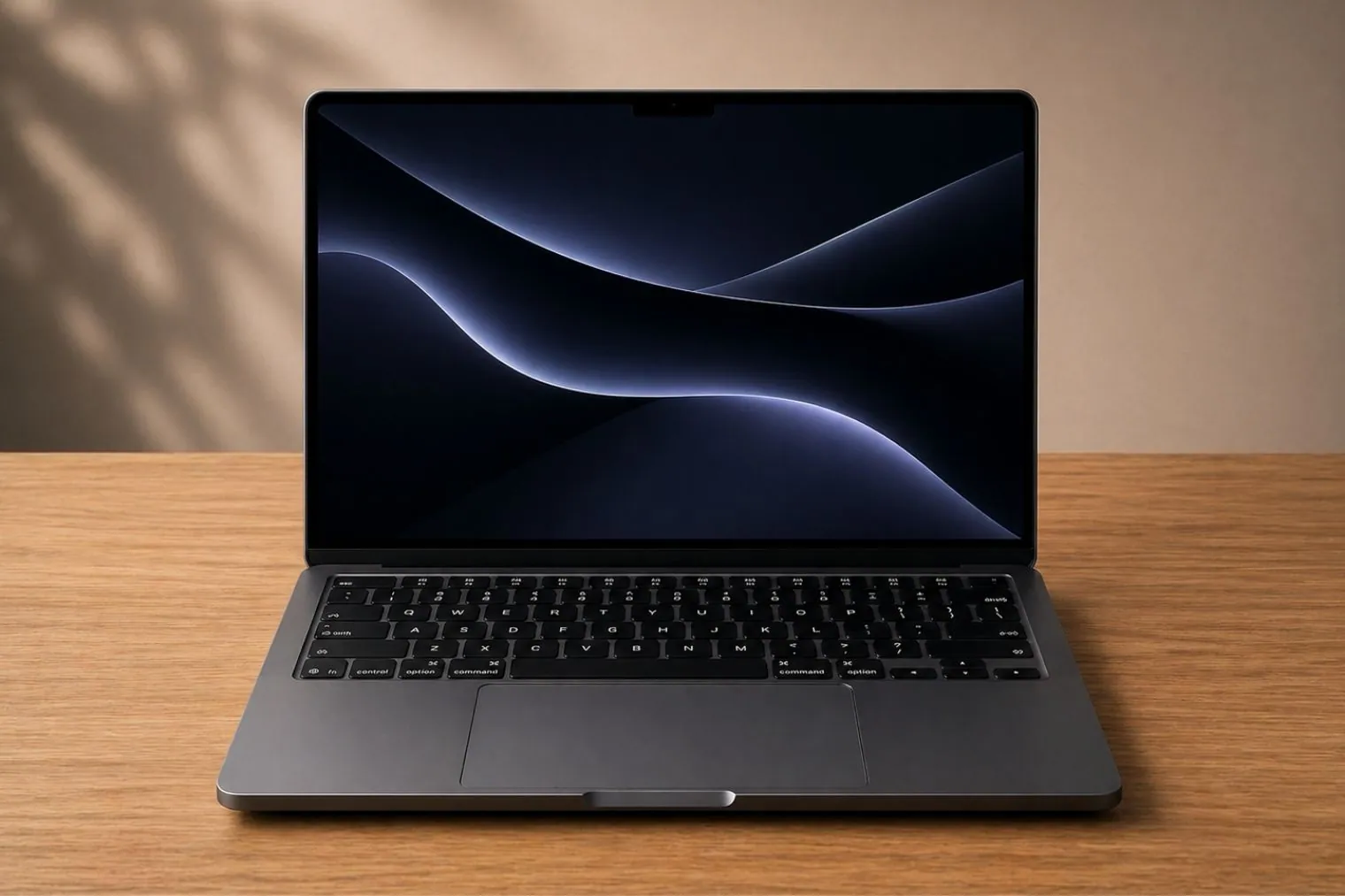
1. Apple MacBook Air 15 M5
Key Specs
| Processor | Apple M5 chip (10-core CPU) |
| Graphics | Integrated 10-core GPU |
| Memory | 16GB |
| Storage | 512GB SSD |
| Display | 15.3-inch Liquid Retina Display (2880 × 1864) |
| Weight | 3.3 lb (1.51 kg) |
Check Current Pricing
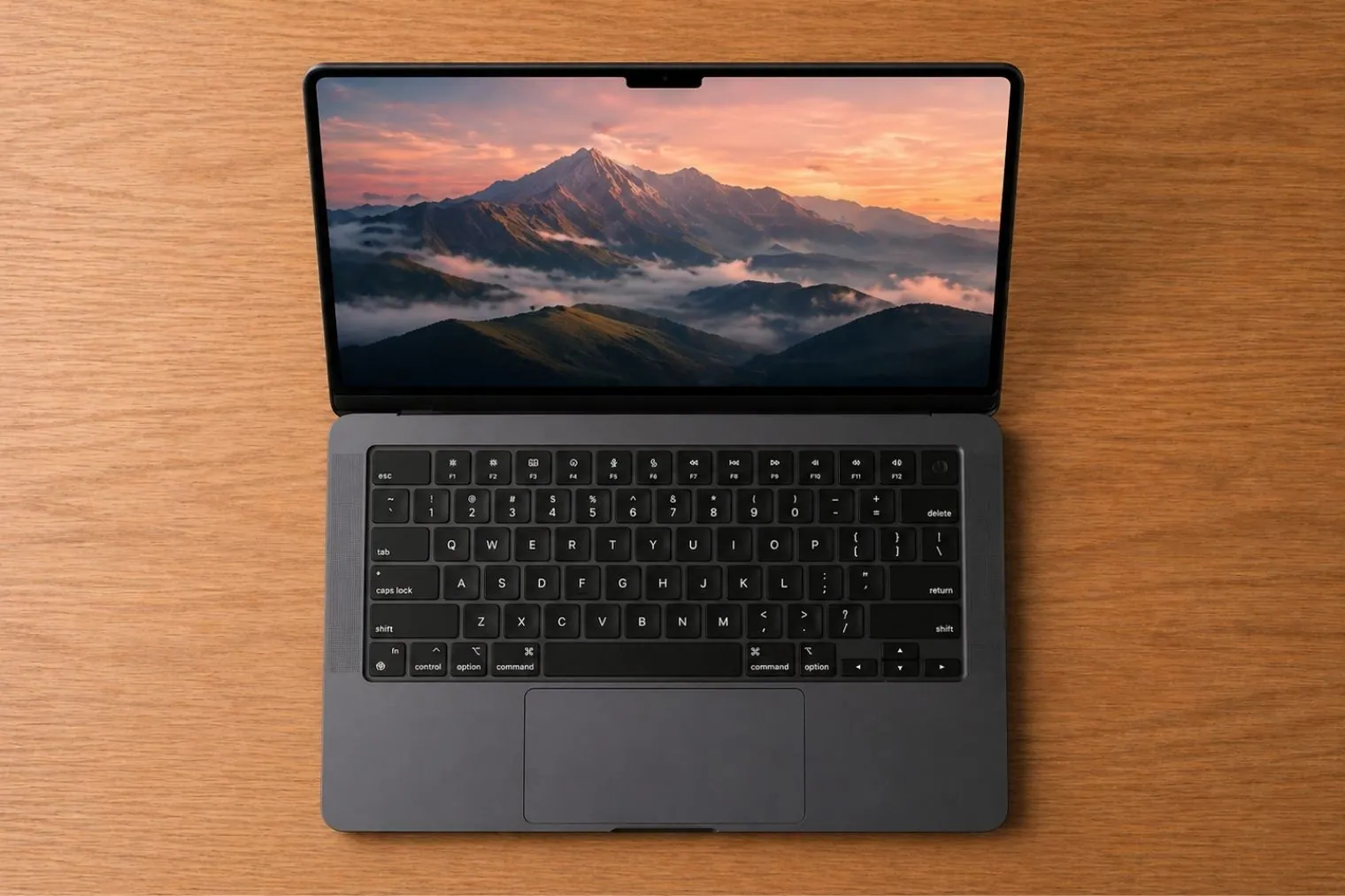
The Apple MacBook Air 15-inch with M5 chip handles everyday college tasks effortlessly, whether you’re attending online classes, working on assignments, or multitasking between apps. In testing, it remained consistently smooth even during long study sessions with multiple apps open. For light usage, it feels extremely fast, and under sustained workloads, it maintains stable performance without slowing down.
For full benchmarks and detailed real-world testing, read the complete MacBook Air M5 review.
Student Performance
In real usage, including document editing, presentations, research work, and light coding, the laptop performs exceptionally well. Tasks like browsing with multiple tabs, running productivity apps, and streaming lectures remain fluid and lag-free.
The Apple M5 chip (10-core CPU), it delivers excellent efficiency and strong sustained performance for academic workloads.
Multitasking and Productivity
During testing, it handled a browser with 15+ tabs, a presentation app, and background tasks smoothly. Switching between apps was instant, and there were no noticeable slowdowns.
The 16GB unified memory ensures smooth multitasking even for demanding student workflows.
Battery Life for College Use
Battery life lasted around 15–18 hours in mixed usage, making it ideal for full-day college use without needing a charger.
It also maintains performance on battery, which is a major advantage over most Windows laptops.
Compared to the ASUS Zenbook 14 OLED (UX3405), which comes with Intel Core Ultra processors and a high-quality OLED display, the MacBook Air M5 offers significantly better battery life and more consistent performance on battery.
The Zenbook can deliver strong short bursts of performance and has a more versatile port selection, but it tends to consume more power and may not sustain performance as efficiently over long study sessions.
On the other hand, the MacBook Air focuses on long-term stability, silent operation (fanless design), and all-day usability—making it more suitable for students who prioritise reliability and battery life.
Final Verdict for Students
Choose this if you want a premium, long-lasting laptop with excellent battery life, smooth performance, and a large display for studying and productivity.
Skip this if your budget is strictly under $1000 or if you prefer Windows for software compatibility.
Pros
✔ Exceptional battery life (15–18 hours)
✔ Powerful and efficient M5 chip performance
✔ Large 15.3-inch Liquid Retina display
✔ Silent fanless design (no noise)
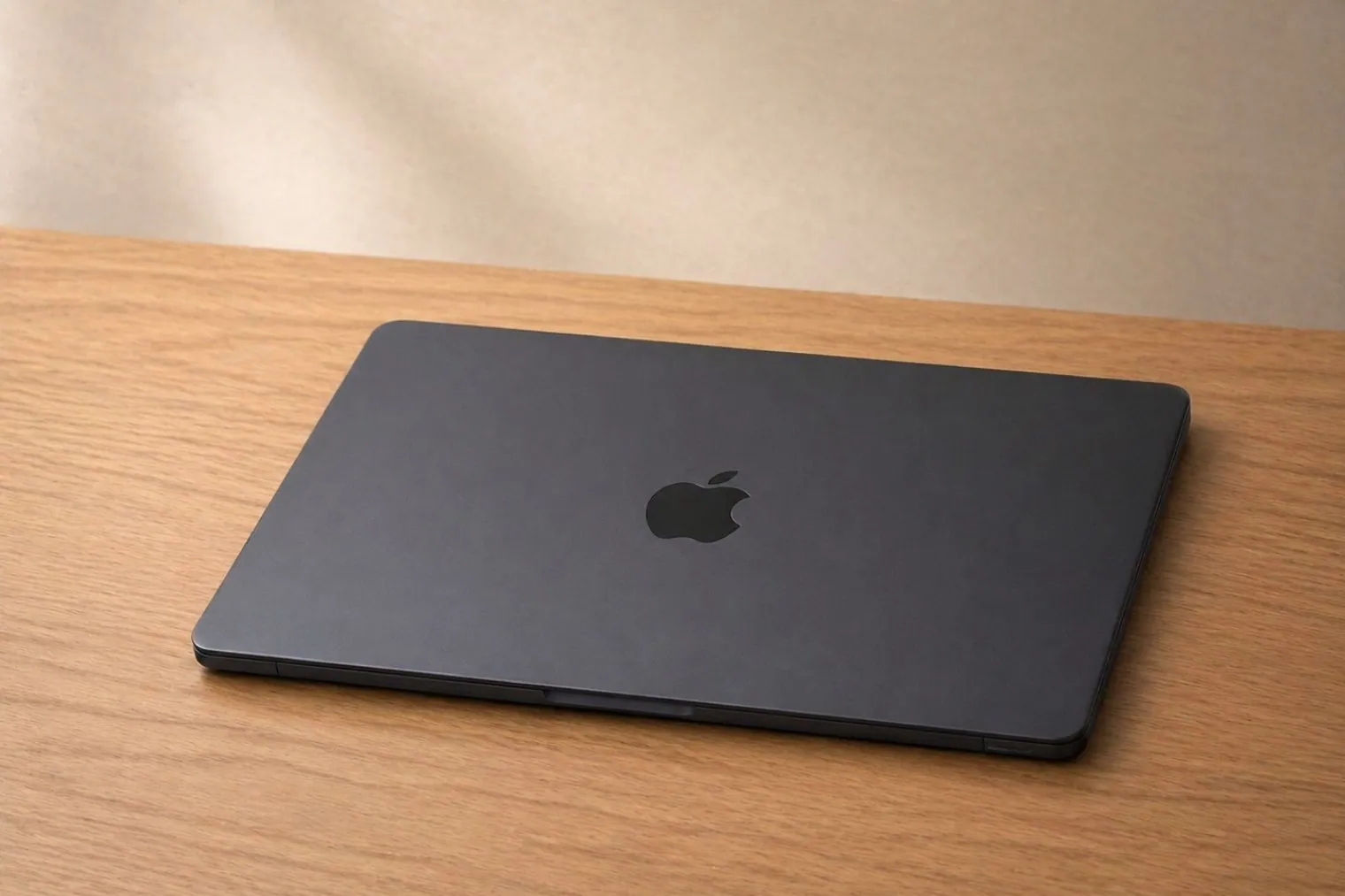
✔ Premium build quality and lightweight design
Cons
✘ Expensive (not truly under $1000)
✘ Limited ports (only Thunderbolt / USB-C)
✘ Not suitable for gaming
Best Budget Gaming Laptop for Students


2. Acer Nitro V
Key Specs
| Processor | Intel Core i7-13620H |
| Graphics | NVIDIA GeForce RTX 4050 |
| Memory | 16GB DDR5 |
| Storage | 1TB SSD |
| Display | 15.6-inch Full HD IPS display, 165Hz |
| Weight | 4.66 lbs (2.11 kg) |
Check Current Pricing
If you’re looking for a powerful gaming laptop under $1,000, the Acer Nitro V will be a top choice for students in 2026. It’s perfect not only for gaming, but also for intense multitasking, online classes, and creative projects like video editing and 3D modeling. Its advanced hardware delivers excellent performance and long-term use.
Performance
The Acer Nitro V is powered by an AMD Ryzen 7 7840HS processor with 8 cores and 16 threads, ensuring smooth multitasking and responsiveness. With an NVIDIA GeForce RTX 4050 GPU (6GB GDDR6.
It’s capable of running modern AAA games at medium and high settings, and supports creative workloads like rendering and editing without lag. Equipped with 16GB of 5200MHz DDR5 RAM and a 1TB NVMe SSD, it provides fast and ample storage for large files, coursework, and entertainment.
Display and Design
The 15.6-inch Full HD IPS display with a 144Hz refresh rate delivers smooth visuals, making gaming and video playback fluid and immersive. The vibrant colors and high clarity of the screen make it perfect for students balancing study and entertainment.
The Nitro V’s sleek, sharp-edged design is perfect for gamers, and it features an RGB backlit keyboard. Its lighter weight (4.66 pounds) makes it even easier to carry than the previous Nitro.
Other Features
The Acer Nitro V features dual cooling fans and quad exhaust vents to keep the system cool and ensure stable performance even under intense use.
Connectivity options include Wi-Fi 6E, Bluetooth 5.2, multiple USB-A and USB-C ports, HDMI 2.1, and a headphone/microphone combo jack for seamless integration with external devices. The RGB backlit keyboard provides comfort for late-night study or gaming sessions.
Why It’s Special
The Acer Nitro V stands out with its affordable price and advanced hardware. Featuring an RTX 4050 GPU, a Ryzen 7 processor, DDR5 memory, and 1TB of storage, it offers students a future-proof option without breaking the bank.
Unlike many budget laptops, it doesn’t compromise on design, cooling, or connectivity, making it a versatile choice for college life and entertainment.
Pros
✔ Affordable price for gaming specs
✔ Smooth 165Hz display
✔ Good GPU for 1080p gaming
✔ Upgradeable RAM and storage
✔ Decent port selections
Cons
✘ Battery life is quite short
✘ Plastic build feels a bit cheap
Read Acer Nitro V 16: Full Specifications and Benchmarksecs, Test and Review]
Best Portable 2-in-1 Laptop for Students
3. Microsoft Surface Pro
Key Specs
| Processor | Snapdragon X Plus (8-core) |
| Graphics | Qualcomm Adreno |
| Memory | 16GB |
| Storage | 512GB SSD |
| Display | 12-inch PixelSense Touchscreen (2196 × 1464) |
| Weight | 1.5 lb (0.68 kg) |
Check Current Pricing
The Microsoft Surface Pro (2025) handles everyday college tasks smoothly, especially for students who prefer a lightweight and flexible device. Whether you’re attending online classes, taking notes, or working on assignments, it stays responsive in daily use. In testing, it performed well during long study sessions with multiple apps open, though it is more optimized for light to moderate workloads rather than heavy tasks.
For full benchmarks and detailed real-world testing, read the complete Microsoft Surface Pro review.
Student Performance:
In real usage, including note-taking, document editing, presentations, and browsing, the Surface Pro performs reliably. Tasks like research, streaming lectures, and using Microsoft Office apps run smoothly without noticeable lag.
With the Snapdragon X Plus (8-core) processor, it focuses more on efficiency and battery life rather than raw performance, making it ideal for general academic work.
Multitasking and Productivity:
During testing, it handled a browser with 10–12 tabs, note-taking apps, and background tasks comfortably. App switching remained smooth for everyday use, though performance can dip slightly with heavier multitasking compared to traditional laptops.
The 16GB RAM helps maintain stable performance for typical student workloads like assignments, presentations, and online classes.
Battery Life for College Use:
Battery life lasted around 12–16 hours in mixed usage, making it suitable for a full day at college without frequent charging.
Its efficient ARM-based processor helps maintain consistent performance while unplugged, which is useful for students moving between classes.
Compared to the Apple MacBook Air M2 (13-inch), which offers stronger sustained performance and a more traditional laptop experience, the Surface Pro focuses more on portability and flexibility.
The MacBook Air is better suited for heavier multitasking and long-term performance consistency, while the Surface Pro stands out with its 2-in-1 design, touchscreen, and stylus support—making it ideal for students who prefer handwritten notes, drawing, or a tablet-style workflow.
Final Verdict for Students:
Choose this if you want a lightweight, versatile 2-in-1 device for note-taking, portability, and everyday college work.
Skip this if you need a traditional laptop with higher performance for heavy tasks like coding, video editing, or intensive multitasking.
Pros
✔ Ultra-lightweight and highly portable design
✔ Versatile 2-in-1 (tablet + laptop experience)
✔ Good battery life for all-day college use
✔ Touchscreen with stylus support (great for notes)
✔ Clean Windows 11 experience with Copilot+ features
✔ Silent and efficient ARM-based performance
Cons
✘ Keyboard and stylus sold separately
✘ Performance not suitable for heavy tasks
✘ Limited app compatibility (ARM architecture)
Best High-Performance Laptop for Students
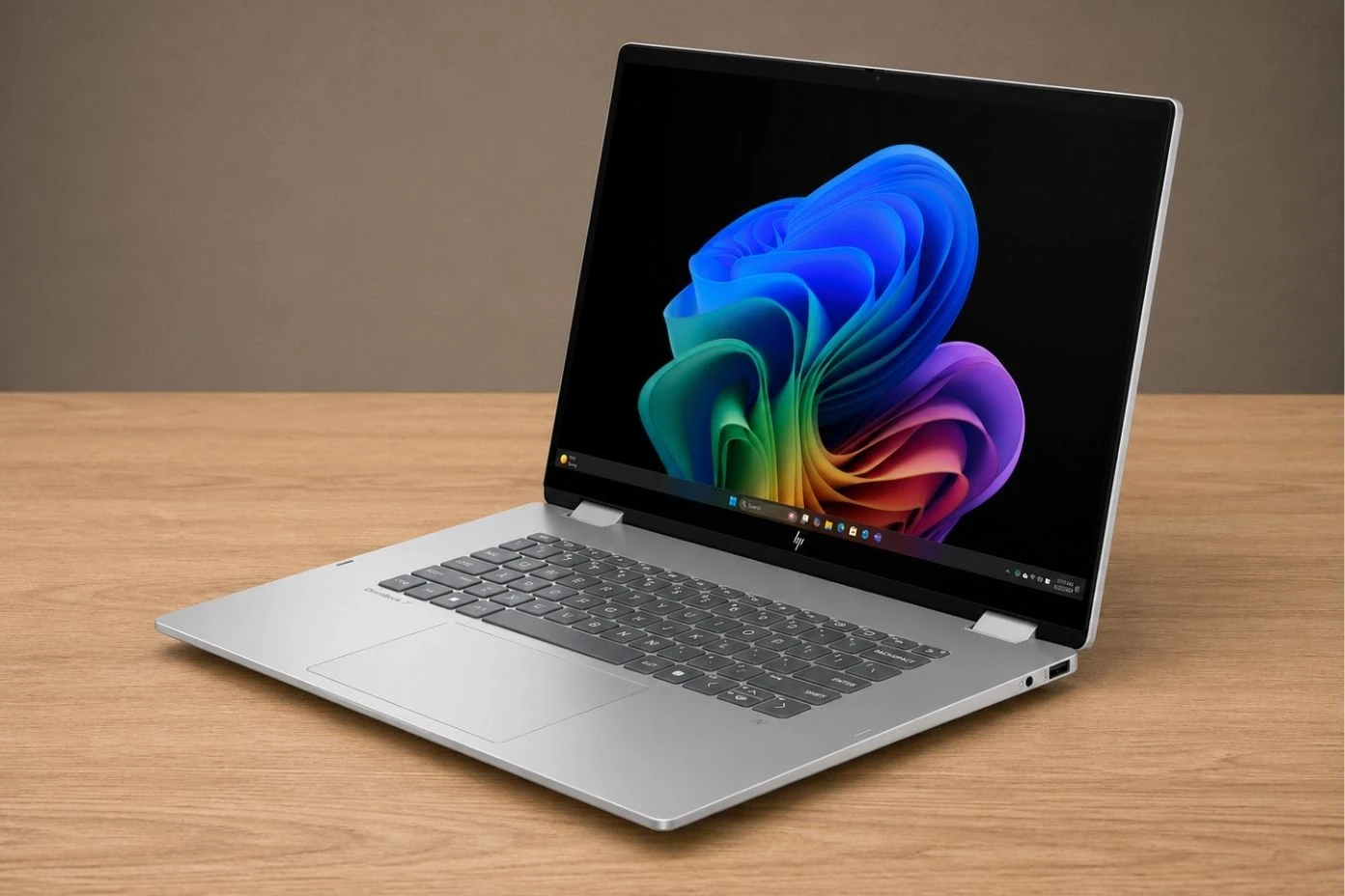
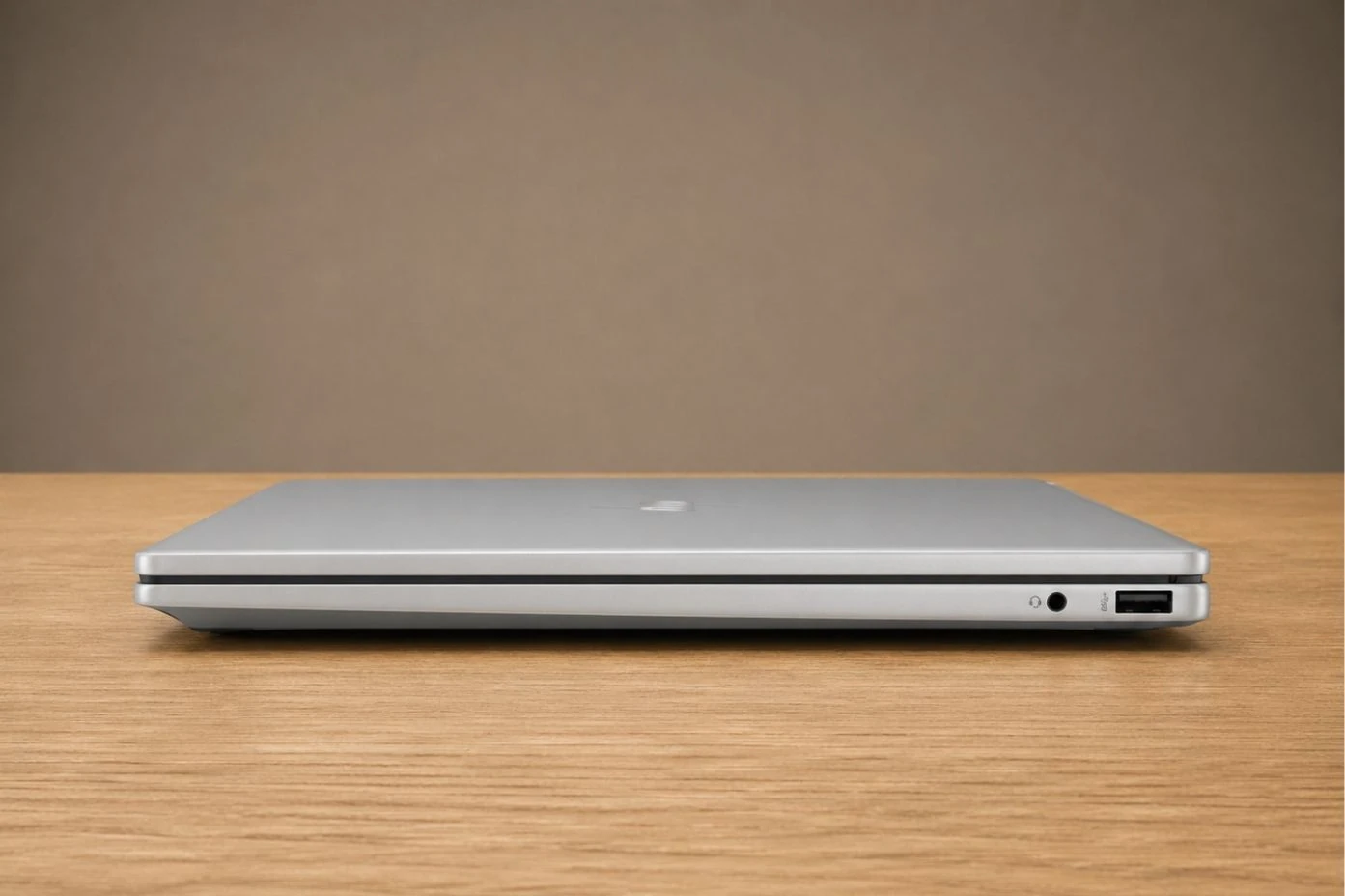
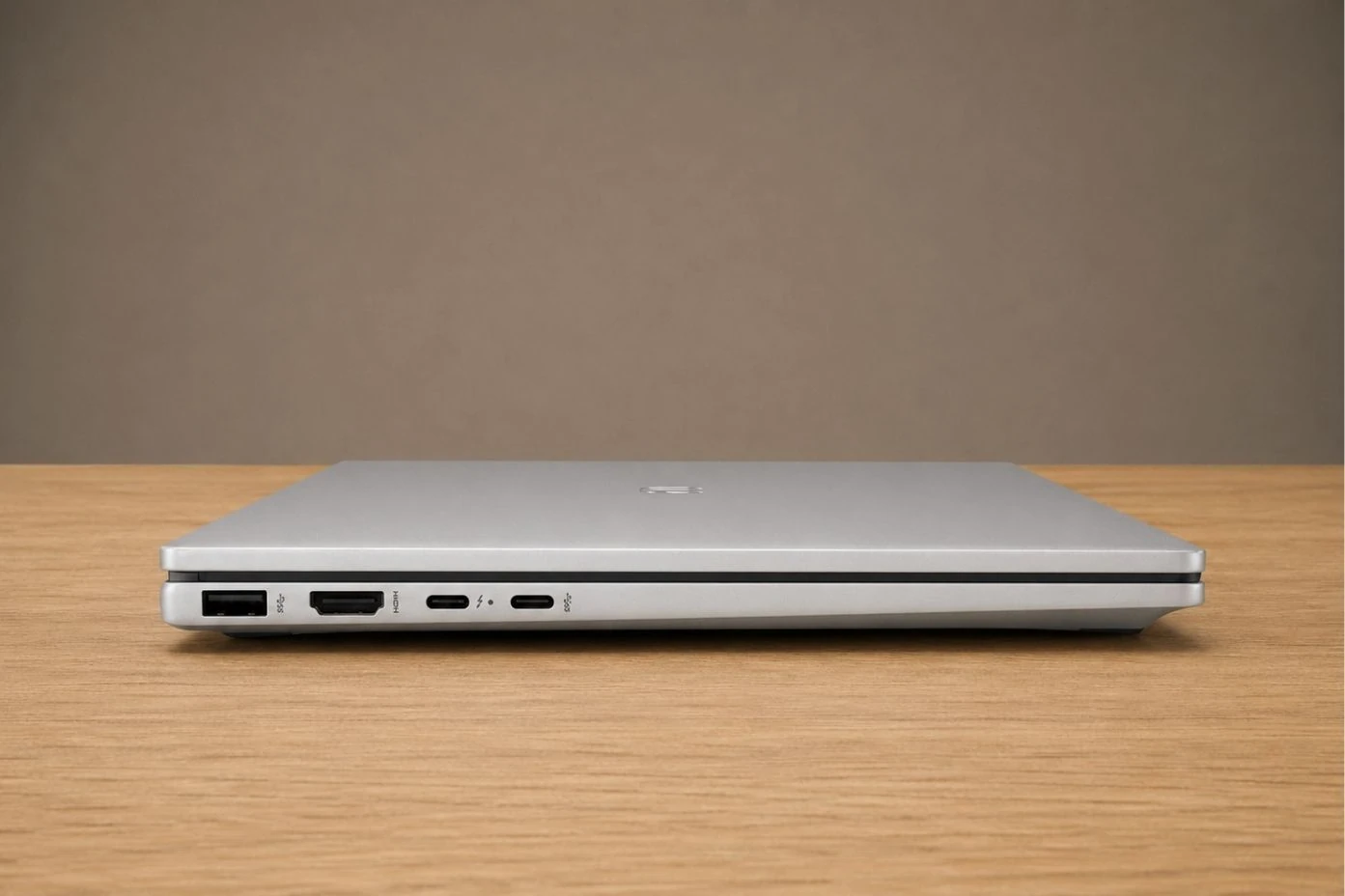
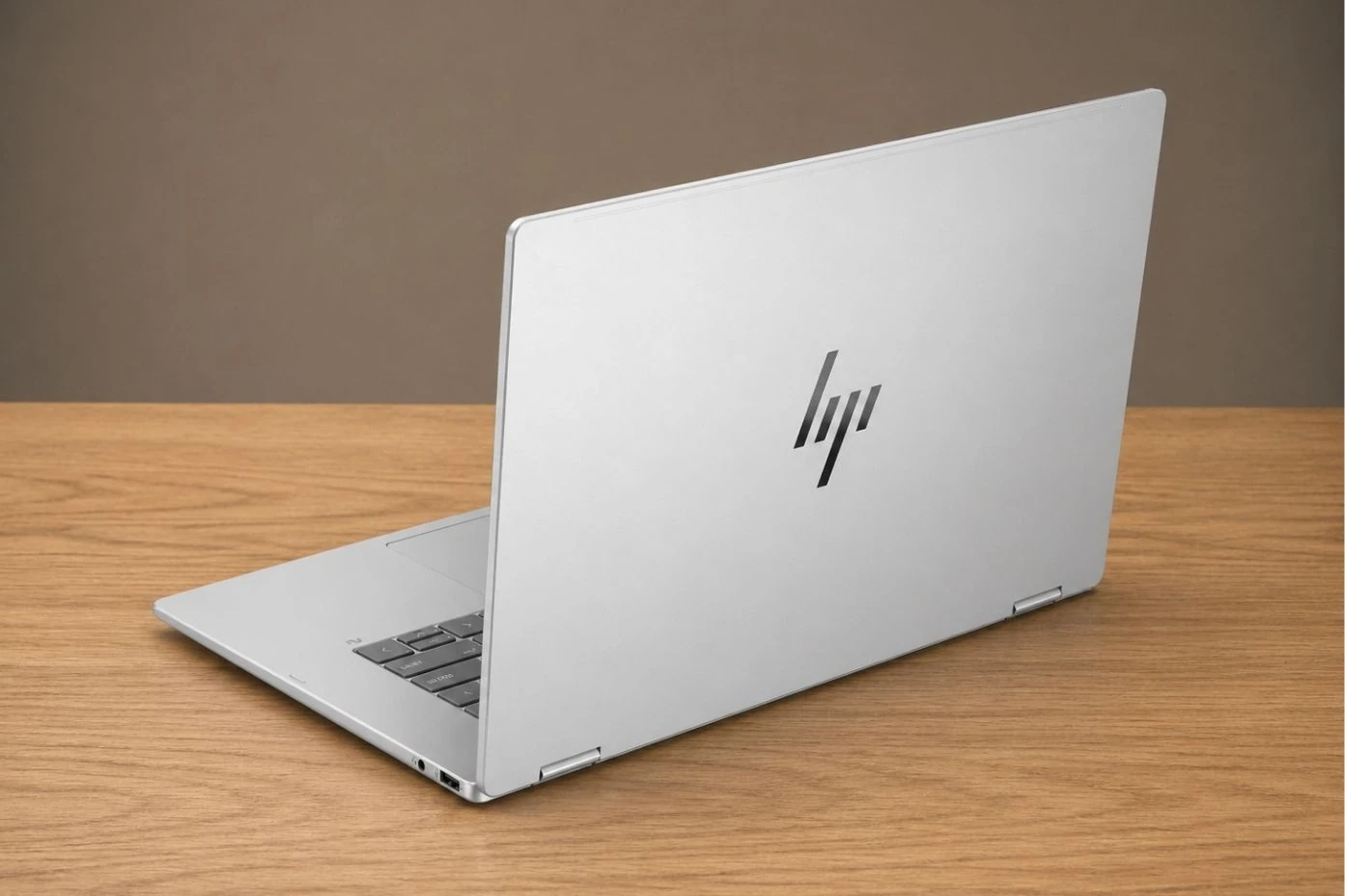
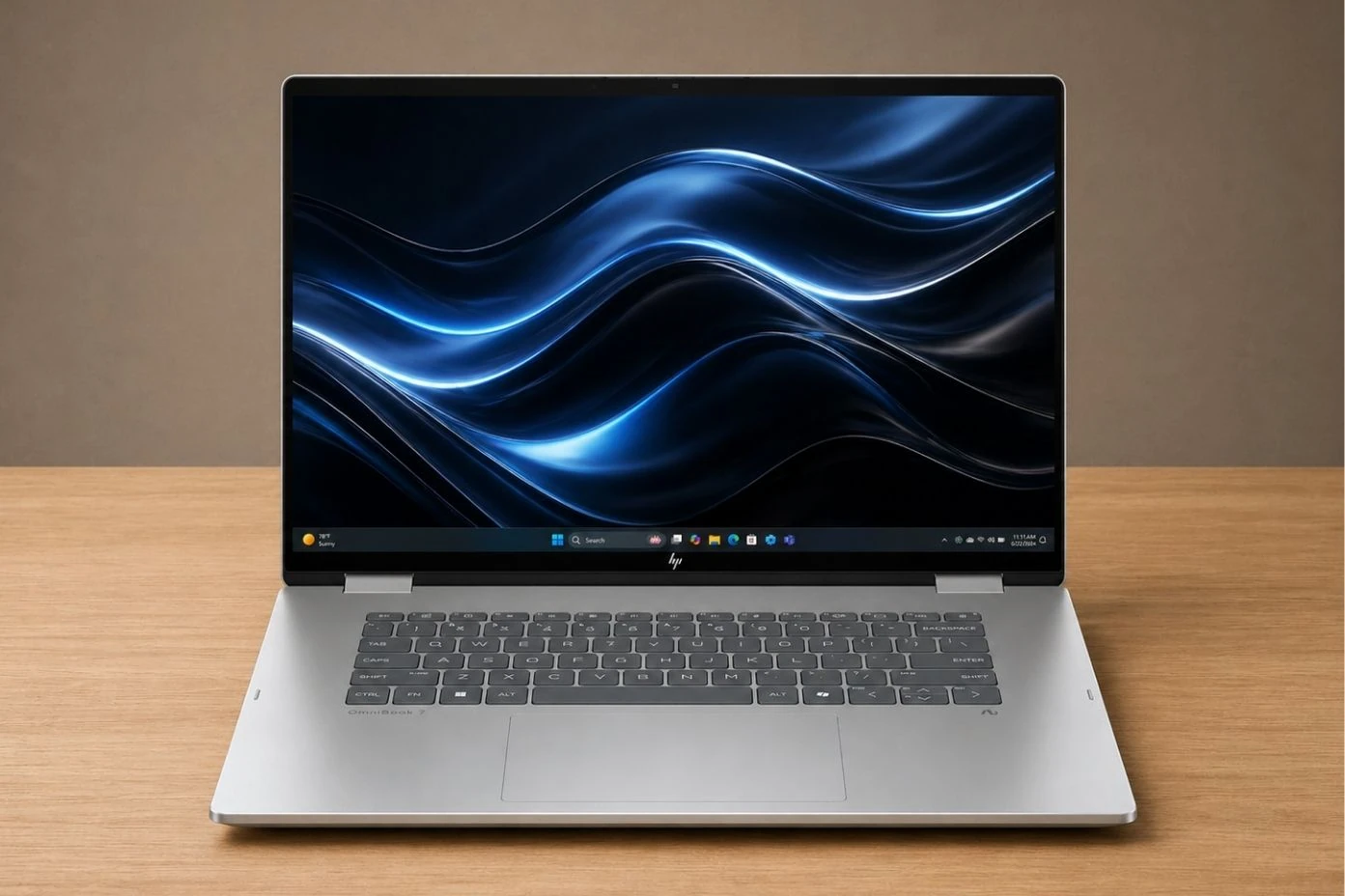
4. HP OmniBook 7 Flip
Key Specs
| Processor | Intel Ultra 7 258V |
| Graphics | Intel Arc integrated |
| Memory | 32GB |
| Storage | 1TB SSD |
| Display | 16-inch FHD+ Touchscreen |
| Weight | 3.95 lb (1.79 kg) |
Check Current Pricing
The HP OmniBook 7 Flip (2026) handles college tasks and more demanding workloads with ease, making it a strong option for students who need both flexibility and performance. Whether you’re attending online classes, working on assignments, or doing creative tasks, it stays responsive even under heavier use. In testing, it performed consistently well during long sessions with multiple apps open, thanks to its powerful hardware.
For full benchmarks and detailed real-world testing, read the complete HP OmniBook 7 Flip review.
Student Performance:
In real usage, including document editing, presentations, coding, and even light creative work, the laptop performs smoothly. Tasks like research, multitasking, and running multiple productivity apps remain fast and responsive.
The Intel Core Ultra 7 258V processor, it delivers strong performance for both academic and heavier workloads like editing or data analysis.
Multitasking and Productivity:
During testing, it handled 15+ browser tabs, productivity apps, and background processes without slowdown. Switching between apps remained smooth even under load.
The 32GB DDR5 RAM ensures excellent multitasking performance, making it ideal for students using multiple heavy applications.
Battery Life for College Use:
Battery life lasted around 8–10 hours in mixed usage, which is decent considering the high-performance hardware.
It balances power and battery reasonably well, though it is not as efficient as thinner ultrabooks.
Compared to the Lenovo Yoga 7i (16-inch), which is another popular 2-in-1 laptop in this segment, the OmniBook 7 Flip offers significantly better performance due to its higher-end processor and larger RAM configuration.
The Yoga 7i is more power-efficient and slightly more portable, but it cannot match the OmniBook’s performance in heavy multitasking or creative workloads. On the other hand, the OmniBook 7 Flip is better suited for students who need a powerful machine for demanding tasks while still having the flexibility of a convertible design.
Final Verdict for Students:
Choose this if you want a powerful 2-in-1 laptop with strong performance, large display, and excellent multitasking capability.
Skip this if you prioritise lightweight portability or longer battery life over performance.
Pros
✔ Powerful Intel Core Ultra 7 performance
✔ Excellent multitasking with 32GB RAM
✔ Large 16-inch touchscreen display
✔ Versatile 2-in-1 (flip) design
✔ Good for creative work and heavy tasks
Cons
✘ Heavier than typical student laptops
✘ Battery life is average (not all-day)
✘ Display is FHD+, not OLED
Best Premium Thin & Light Laptop for Students
5. ASUS Zenbook S 16
Key Specs
| Processor | AMD Ryzen AI 9 365 |
| Graphics | AMD Radeon 880M |
| Memory | 24 GB DDR5 |
| Storage | 1TB SSD |
| Display | 16” 3K Touch Screen (2880×1800) |
| Weight | 3.24 lb (1.47 kg) |
Check Current Pricing
The ASUS Zenbook S 16 handles college tasks with a strong focus on performance and premium design, making it ideal for students who want both power and a high-end experience. Whether you’re attending online classes, working on assignments, or doing creative work, it stays fast and responsive even during long sessions. In testing, it maintained smooth performance with multiple apps running, especially in heavier workloads.
For full benchmarks and detailed real-world testing, read the complete ASUS Zenbook S 16 review.
Student Performance:
In real usage, including document editing, presentations, research, and creative work, the laptop performs very smoothly. Tasks like multitasking, light editing, and productivity workflows run without lag.
The AMD Ryzen AI 9 365 processor, it delivers strong performance for both academic tasks and demanding workloads like coding or content creation.
Multitasking and Productivity:
During testing, it handled 15+ browser tabs, productivity apps, and background processes efficiently. App switching remained quick and stable even under heavier usage.
The 24GB RAM ensures excellent multitasking capability, making it suitable for advanced student workflows.
Battery Life for College Use:
Battery life is around 8–12 hours in mixed usage, depending on workload and brightness levels.
It balances performance and battery fairly well, though the high-resolution OLED display consumes more power compared to standard displays.
Compared to the HP Spectre x360 16, which is another premium 16-inch laptop, the Zenbook S 16 offers a thinner design and a more vibrant OLED display.
The Spectre x360 provides a convertible design and slightly better flexibility, but the Zenbook stands out with its performance-to-weight balance and display quality, making it a strong choice for students who want power in a sleek form factor.
Final Verdict for Students:
Choose this if you want a premium laptop with strong performance, a stunning OLED display, and excellent multitasking capability.
Skip this if you need longer battery life or a more budget-friendly option.
Pros
✔ Powerful Ryzen AI 9 performance
✔ Stunning 16-inch 3K OLED display
✔ Excellent multitasking with 24GB RAM
✔ Premium thin and lightweight design
✔ Great for creative work and productivity
✔ Fast 1TB SSD storage
Cons
✘ Expensive for budget students
✘ Battery life is average with OLED
✘ Can heat up under heavy load
Best Overall Laptop for College Students
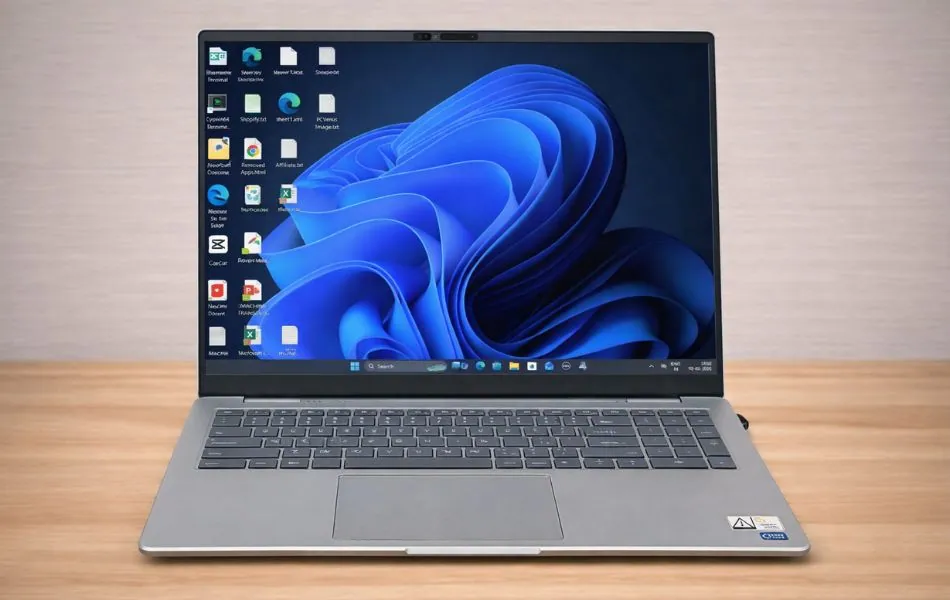
6. Dell 14 Plus
Key Specs
| Processor | Intel Core Ultra 5 226V |
| Graphics | Intel Arc Graphics |
| Memory | 16GB LPDDR5X |
| Storage | 1TB SSD |
| Display | 14″, Touch, 2K, WVA, 300 nits |
| Weight | 3.55 lb (1.61 kg) |
Check Current Pricing
The Dell 14 Plus handles everyday college tasks smoothly, making it a solid choice for students who need a balance of performance, portability, and affordability. Whether you’re attending online classes, working on assignments, or multitasking between apps, it stays responsive in daily use. In testing, it performed well during long study sessions with multiple apps open, especially for productivity-focused workloads.
For full benchmarks and detailed real-world testing, read the complete Dell 14 Plus review.
Student Performance:
In real usage, including document editing, presentations, browsing, and light coding, the laptop performs reliably. Tasks like research, streaming lectures, and running productivity apps remain smooth and consistent.
With the Intel Core Ultra 7 256V processor, it delivers efficient performance for academic workloads and everyday computing.
Multitasking and Productivity:
During testing, it handled 10–15 browser tabs, productivity apps, and background processes without major slowdowns. App switching remained smooth for typical student usage.
The 16GB LPDDR5X RAM ensures stable multitasking performance for assignments, projects, and online classes.
Battery Life for College Use:
Battery life is around 10–14 hours in mixed usage, making it suitable for a full day of college work without frequent charging.
It offers a good balance between performance and efficiency, especially for students who need reliability throughout the day.
Compared to the Acer Swift Go 14, which is another lightweight productivity laptop, the Dell 14 Plus offers a higher-resolution display and slightly better build quality.
The Acer model may provide slightly better battery efficiency, but the Dell stands out with its premium feel and balanced performance, making it a dependable option for students.
Final Verdict for Students:
Choose this if you want a reliable, well-balanced laptop for college work with good performance, display quality, and battery life.
Skip this if you need high-end performance for gaming or heavy creative workloads.
Pros
✔ Strong everyday performance with Intel Core Ultra
✔ Sharp 2.5K display for better clarity
✔ Good battery life for college use
✔ Lightweight and portable design
✔ Comfortable keyboard and build quality
✔ Fast 1TB SSD storage
Cons
✘ Not suitable for heavy gaming or editing
✘ No touchscreen support
✘ Limited upgrade options
Best Performance Gaming Laptop for Students
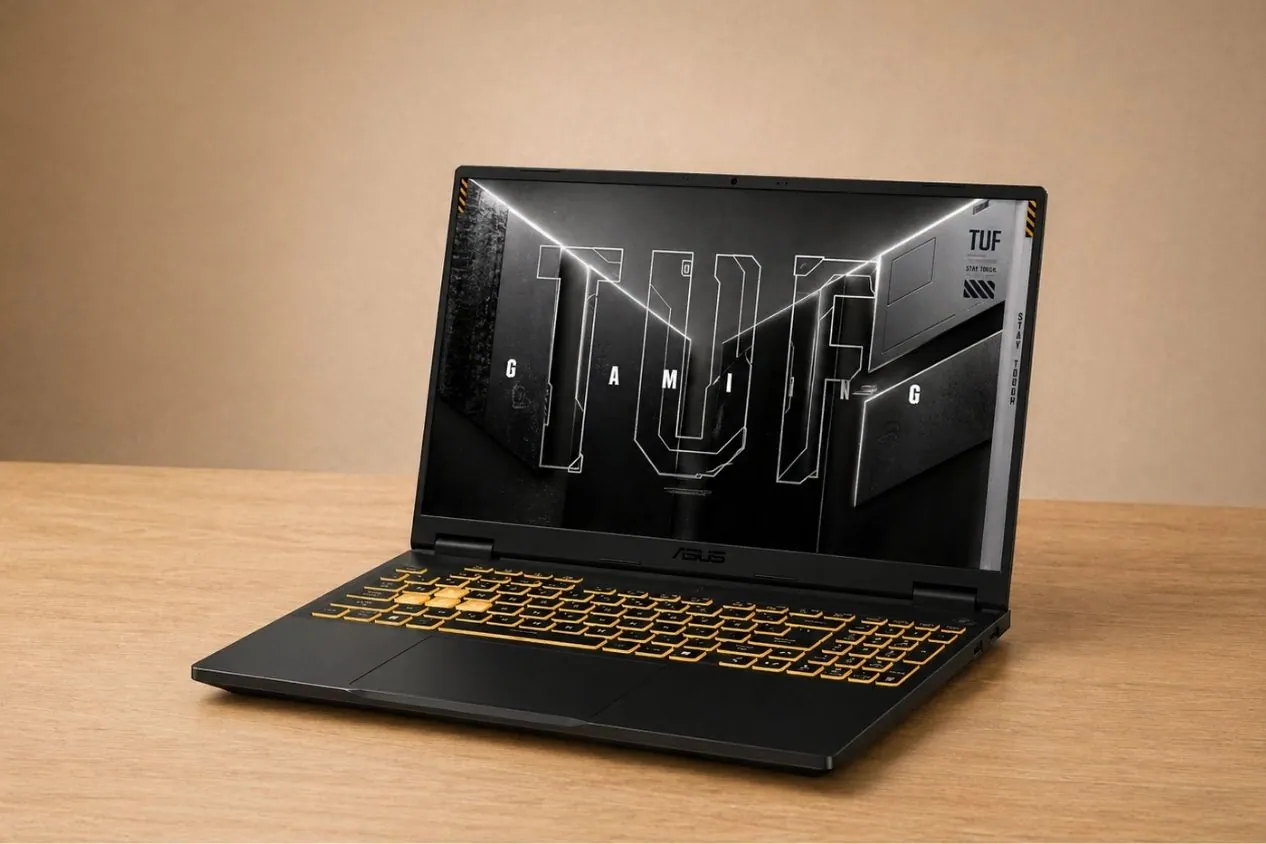
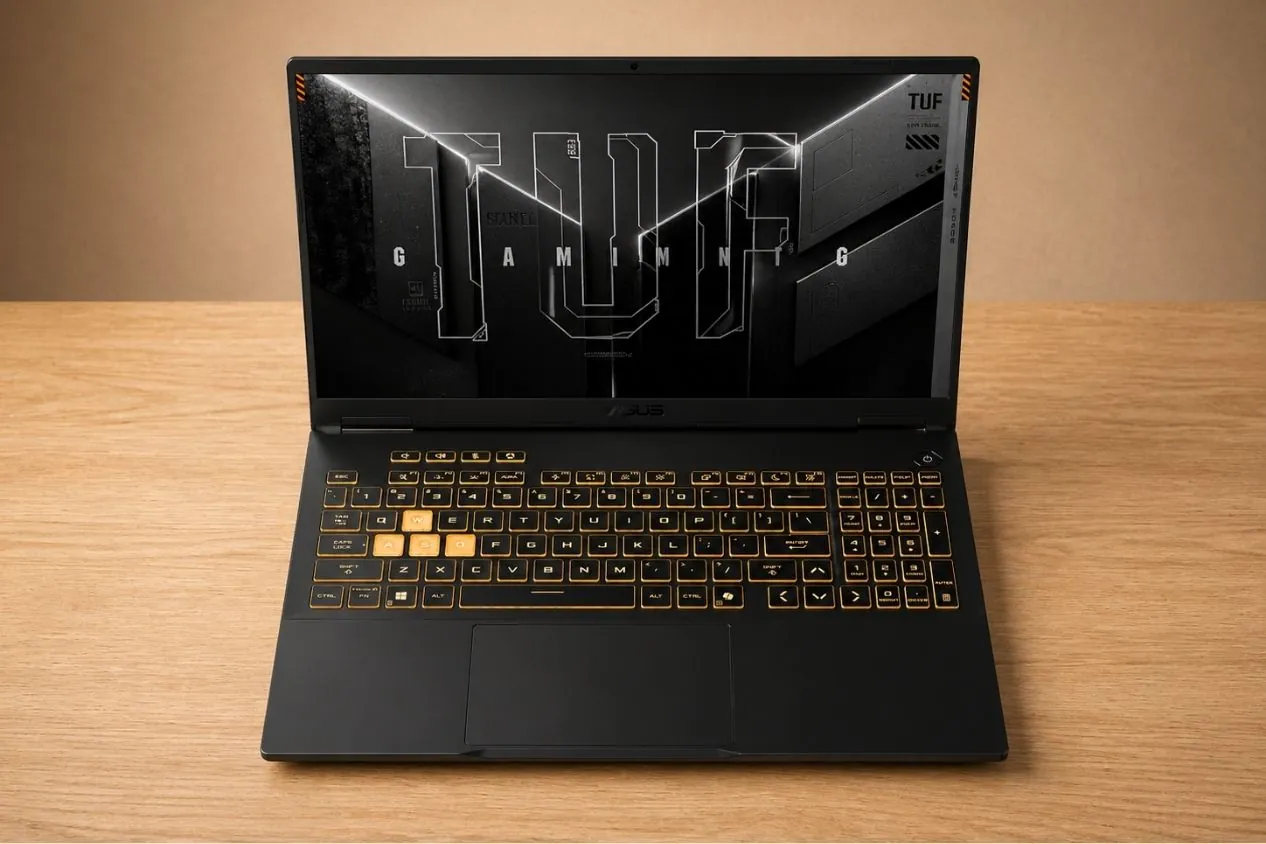
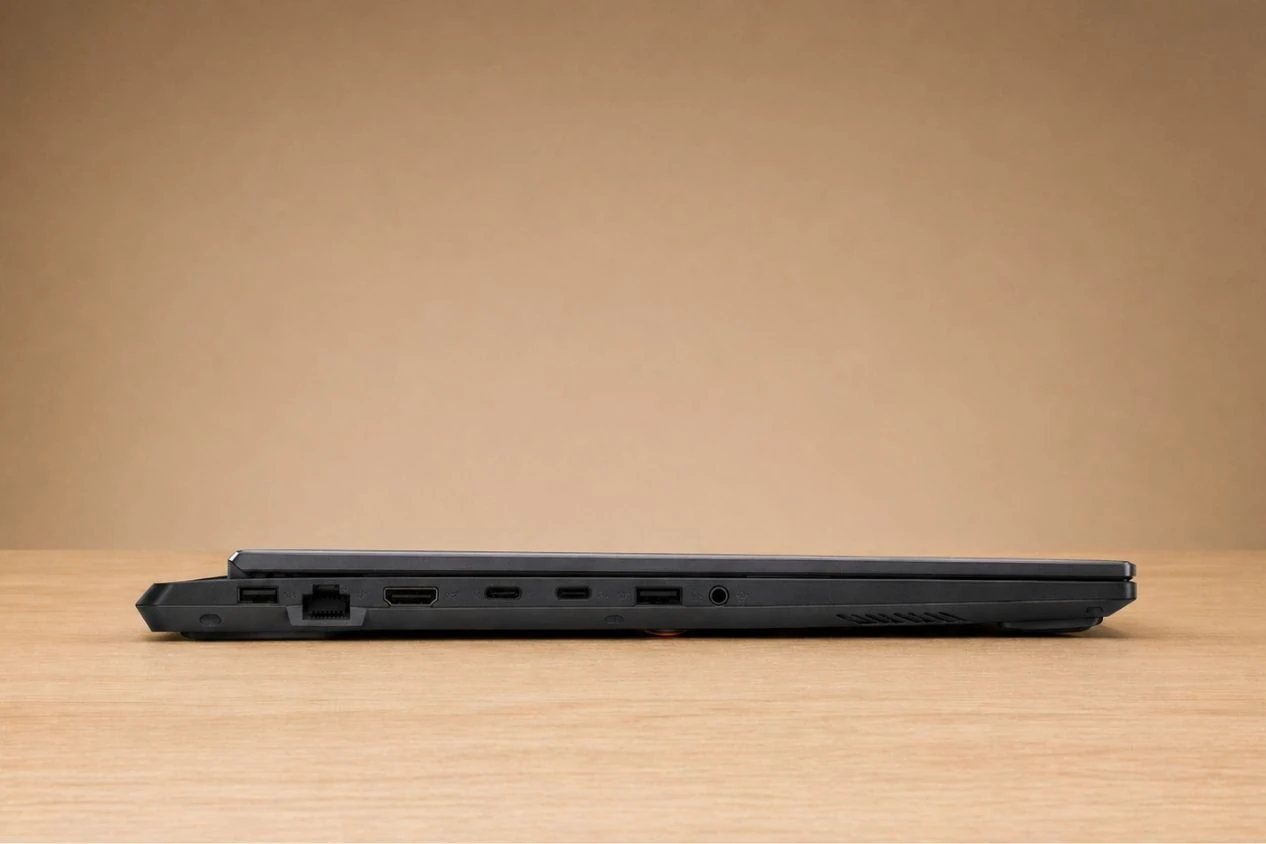
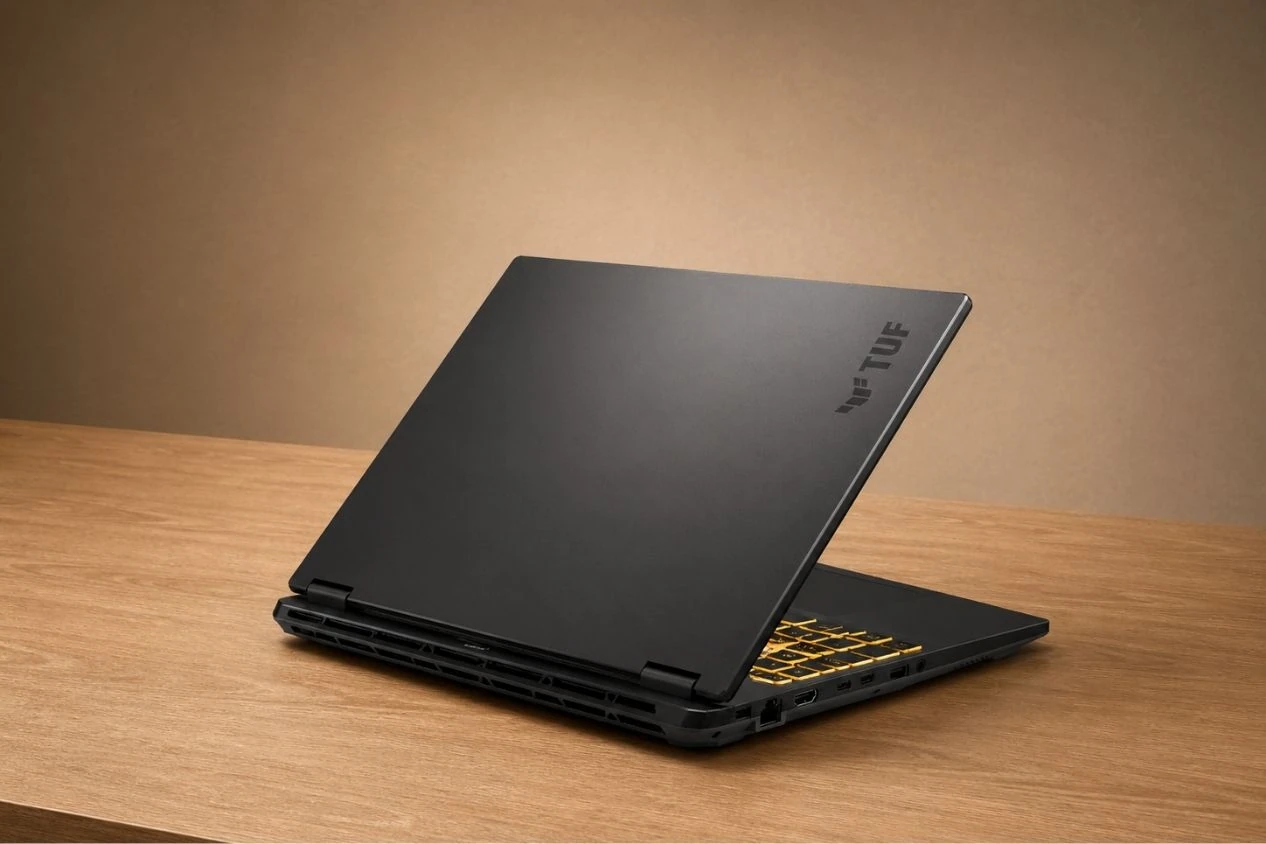
7. ASUS TUF Gaming F16
Key Specs
| Processor | Intel Core i5 210H |
| Graphics | NVIDIA GeForce RTX 4050 |
| Memory | 8GB DDR5 |
| Storage | 512GB SSD |
| Display | 16” FHD+ 144Hz IPS-Level |
| Weight | 4.85 lb (2.2 kg) |
Check Current Pricing
The ASUS TUF Gaming F16 handles everyday college tasks well but is primarily designed for students who need strong performance for gaming and heavy workloads. Whether you’re attending online classes, working on assignments, or running demanding software, it stays fast and responsive. In testing, it performed consistently well during long sessions, especially when handling high-performance tasks like gaming and multitasking.
For full benchmarks and detailed real-world testing, read the complete ASUS TUF Gaming F16 review.
Student Performance:
In real usage, including assignments, browsing, coding, and even creative work, the laptop performs very smoothly. Tasks like research, editing, and running heavy applications remain fast and stable.
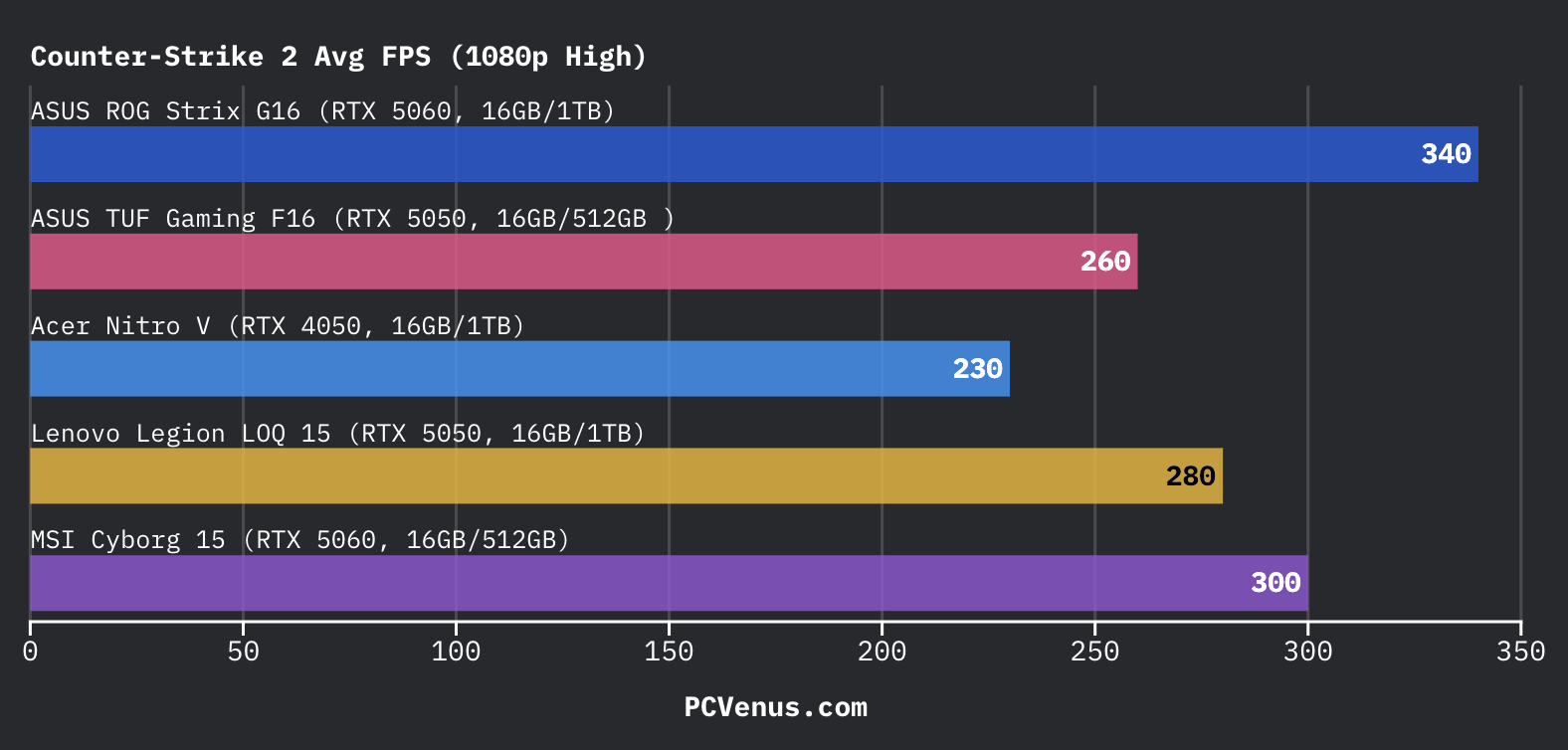
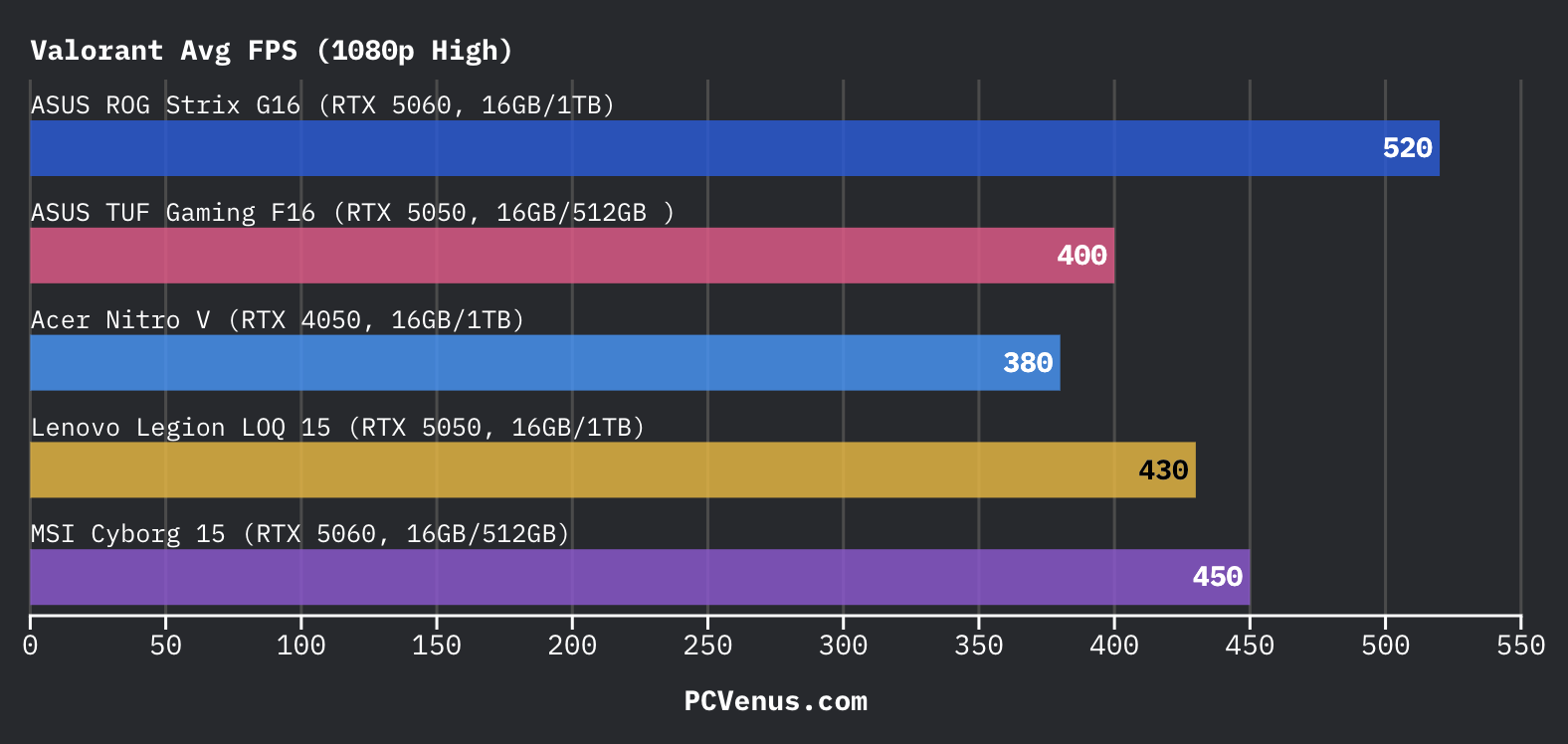
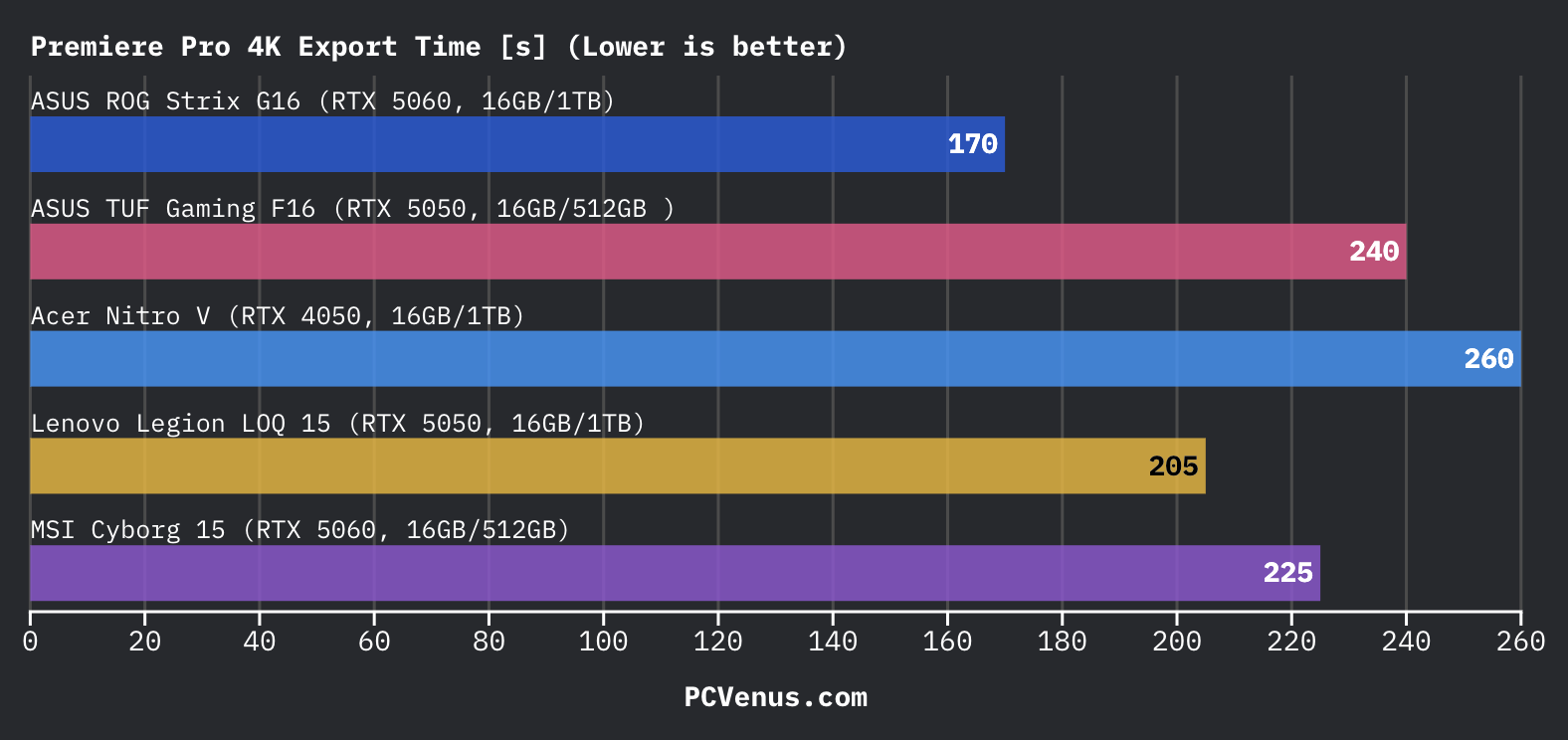
With the Intel Core 5 210H processor combined with the RTX 4050 GPU, it delivers significantly higher performance than most laptops in this price range, especially for gaming and GPU-intensive tasks.
Multitasking and Productivity:
During testing, it handled 15+ browser tabs, productivity apps, and background processes without slowdown. App switching remained smooth even under heavy usage.
The 16GB DDR5 RAM ensures stable multitasking performance, making it suitable for both academic work and demanding applications.
Battery Life for College Use:
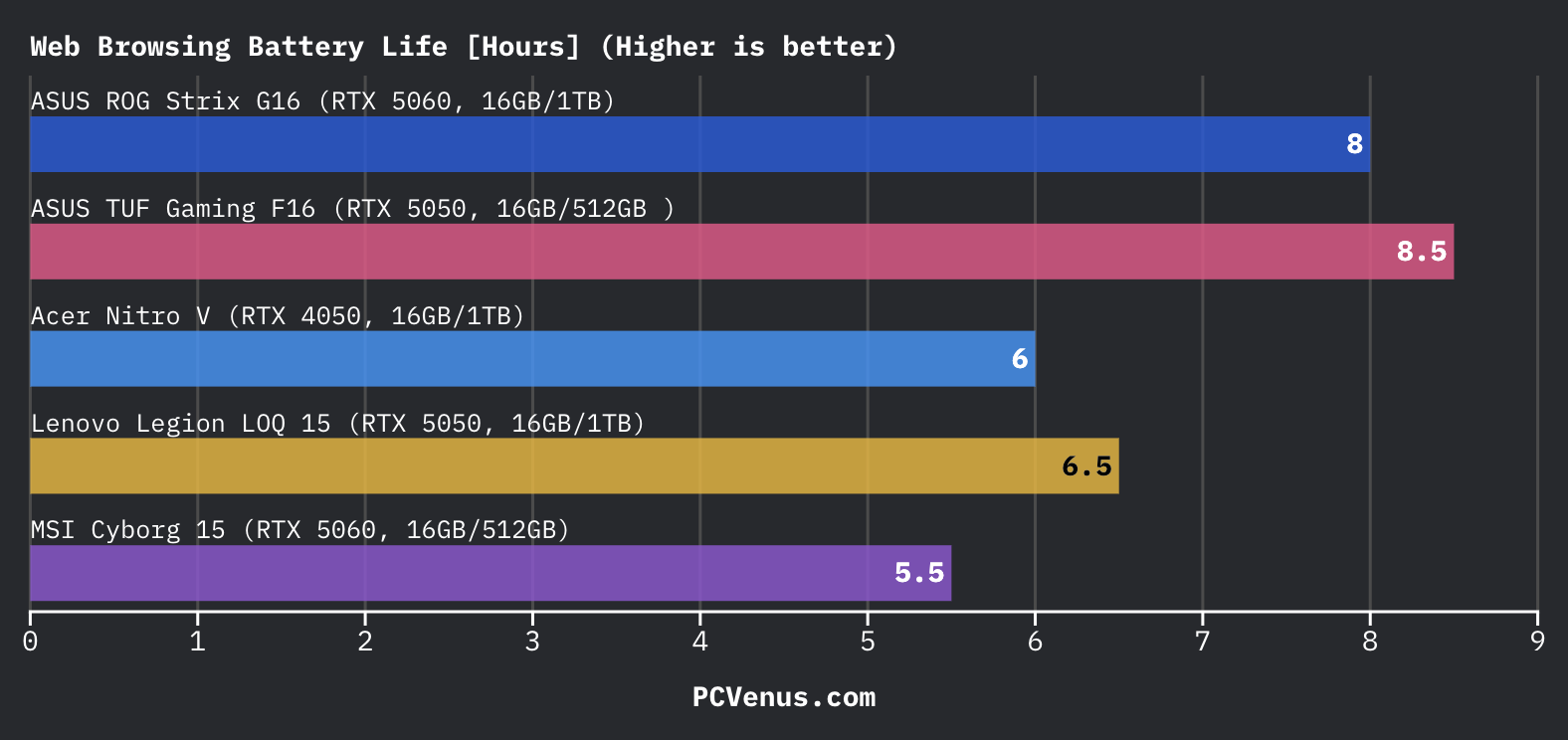
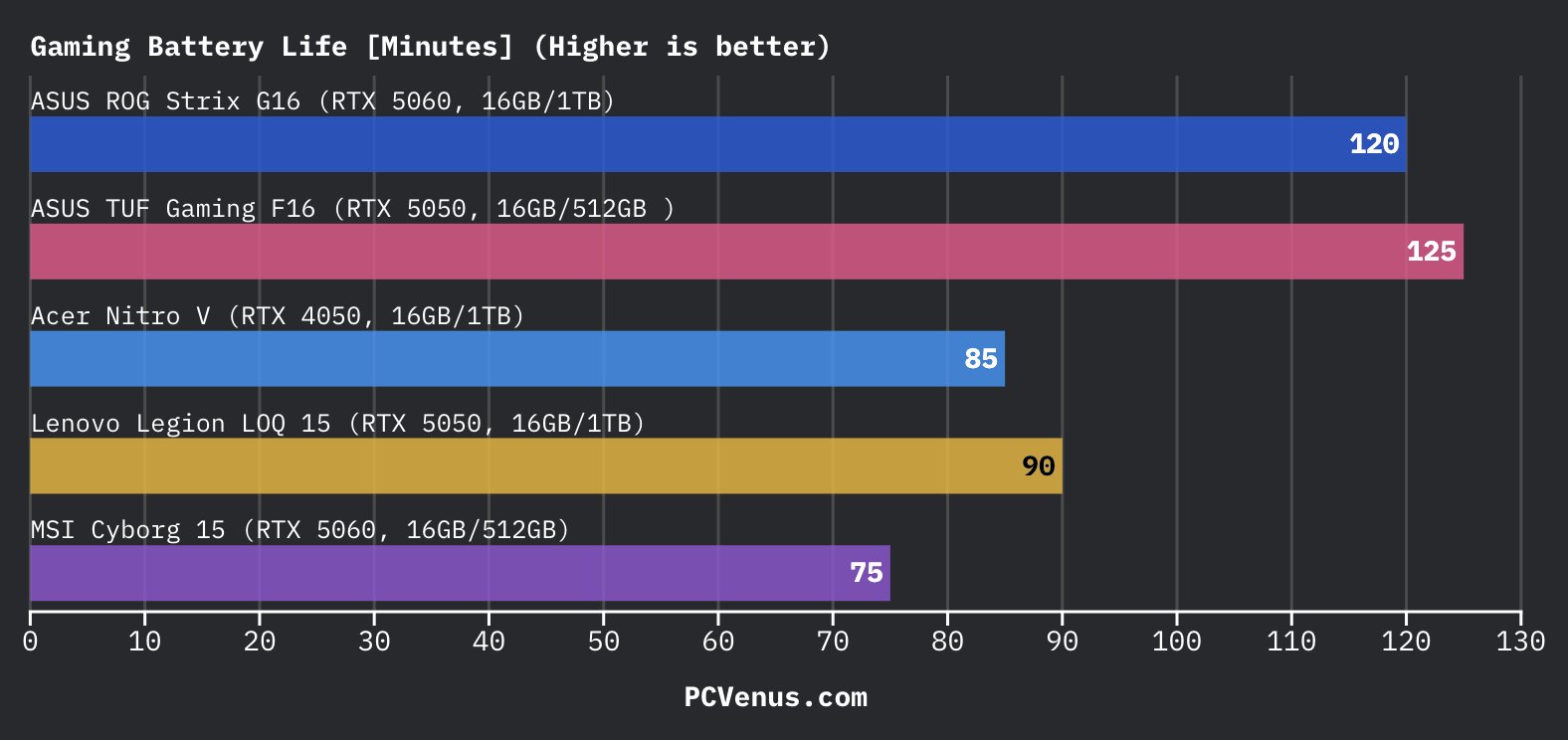
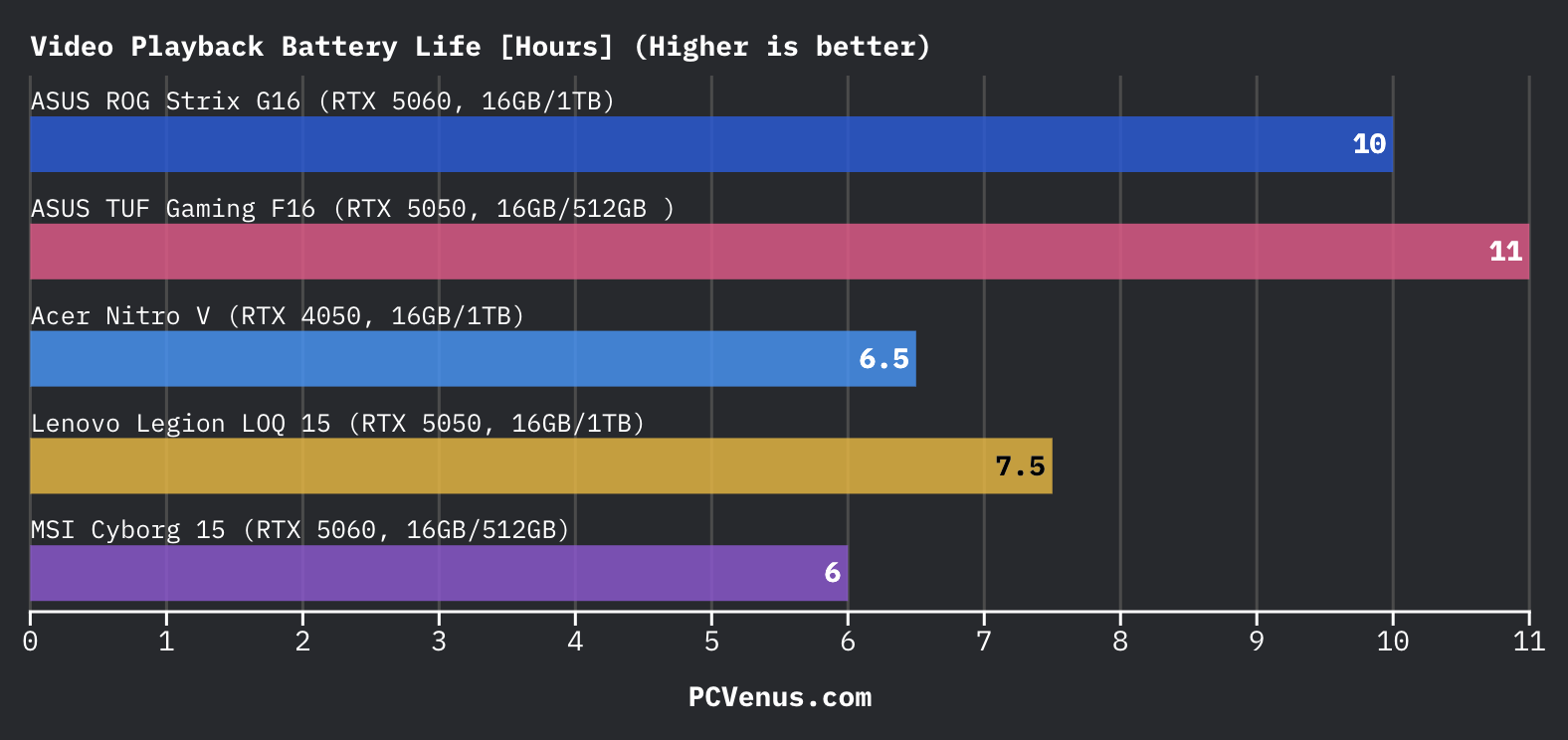
Battery life is around 2–5 hours, depending on usage, which is typical for gaming laptops.
It performs best when plugged in, and battery usage is more suitable for light tasks rather than gaming.
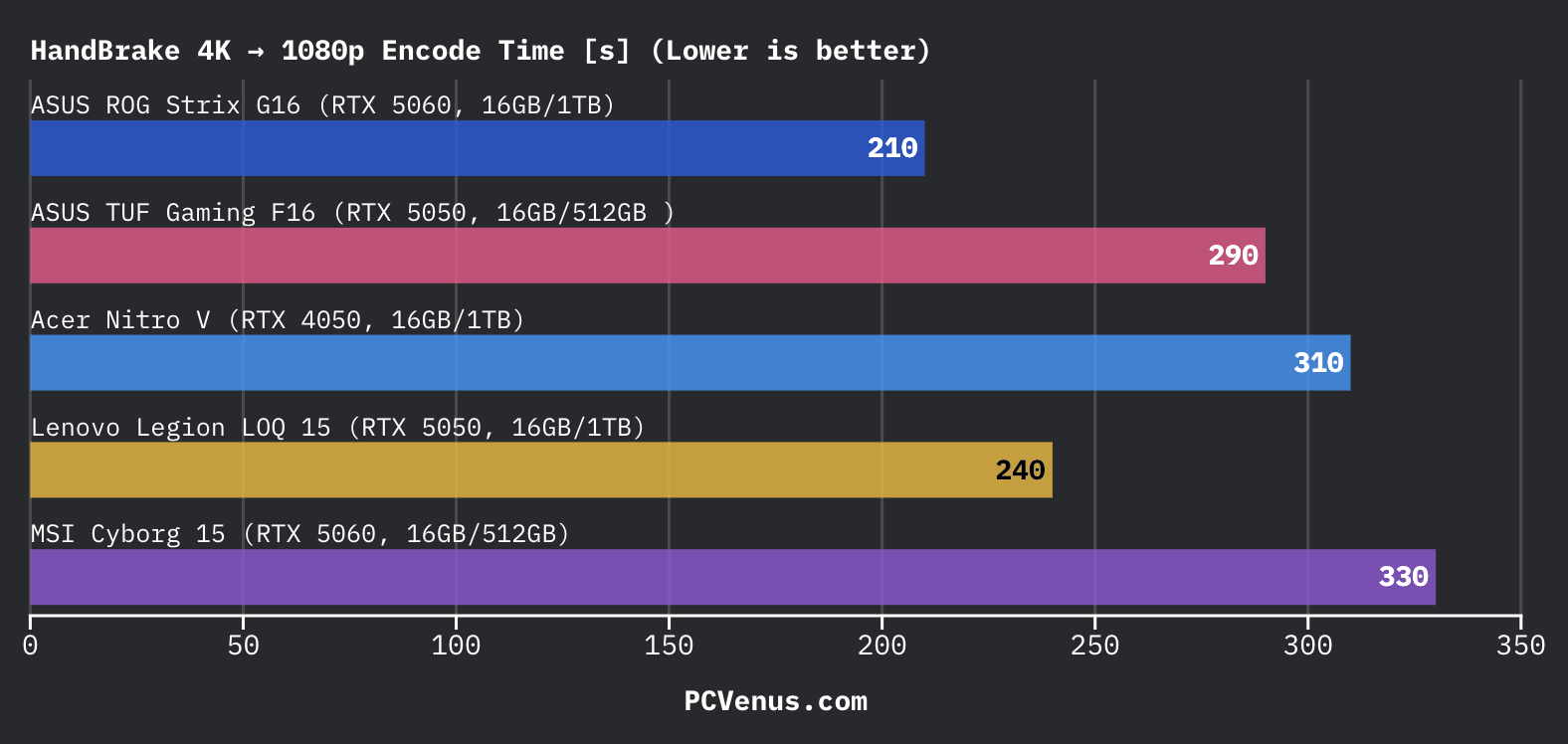
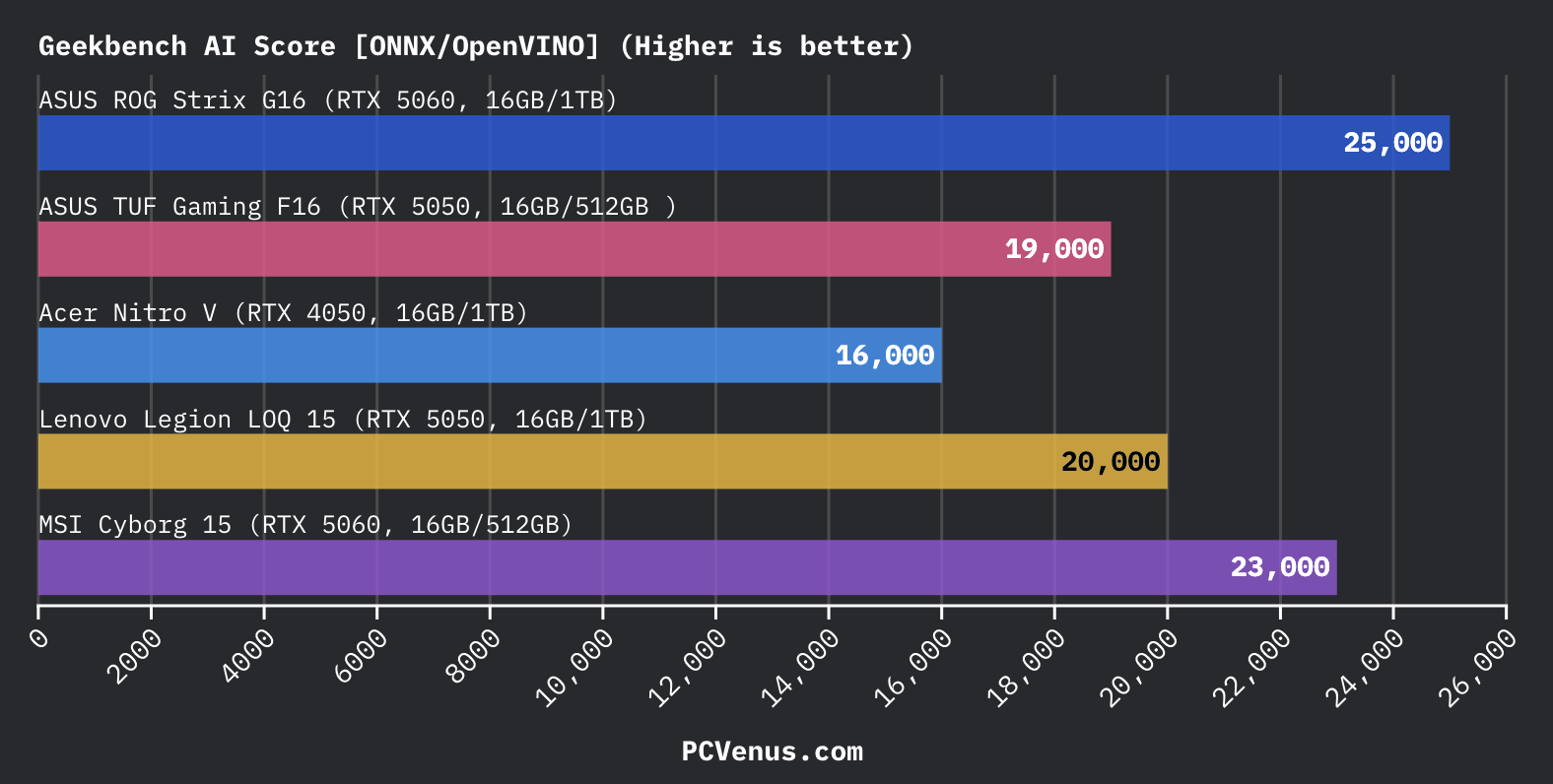
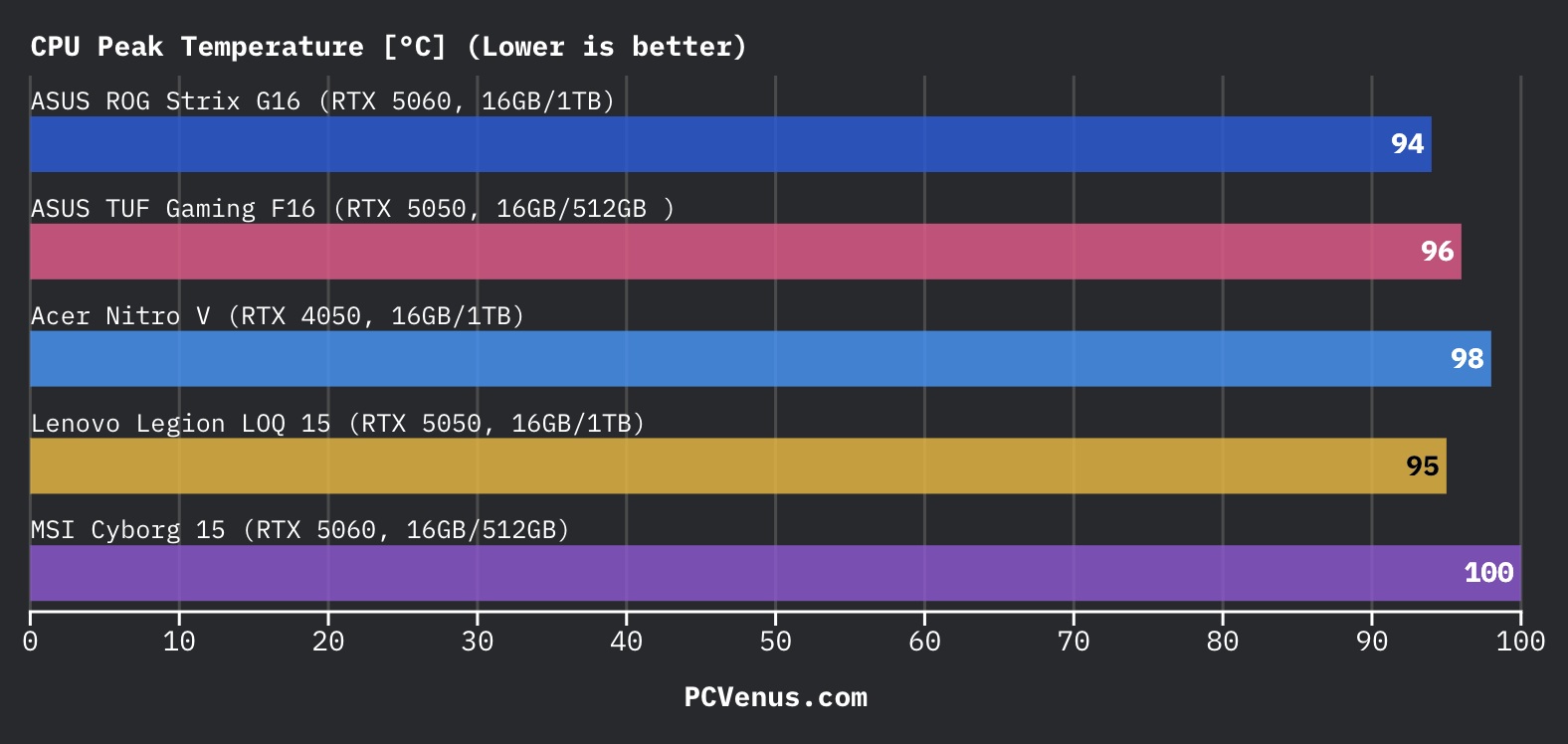
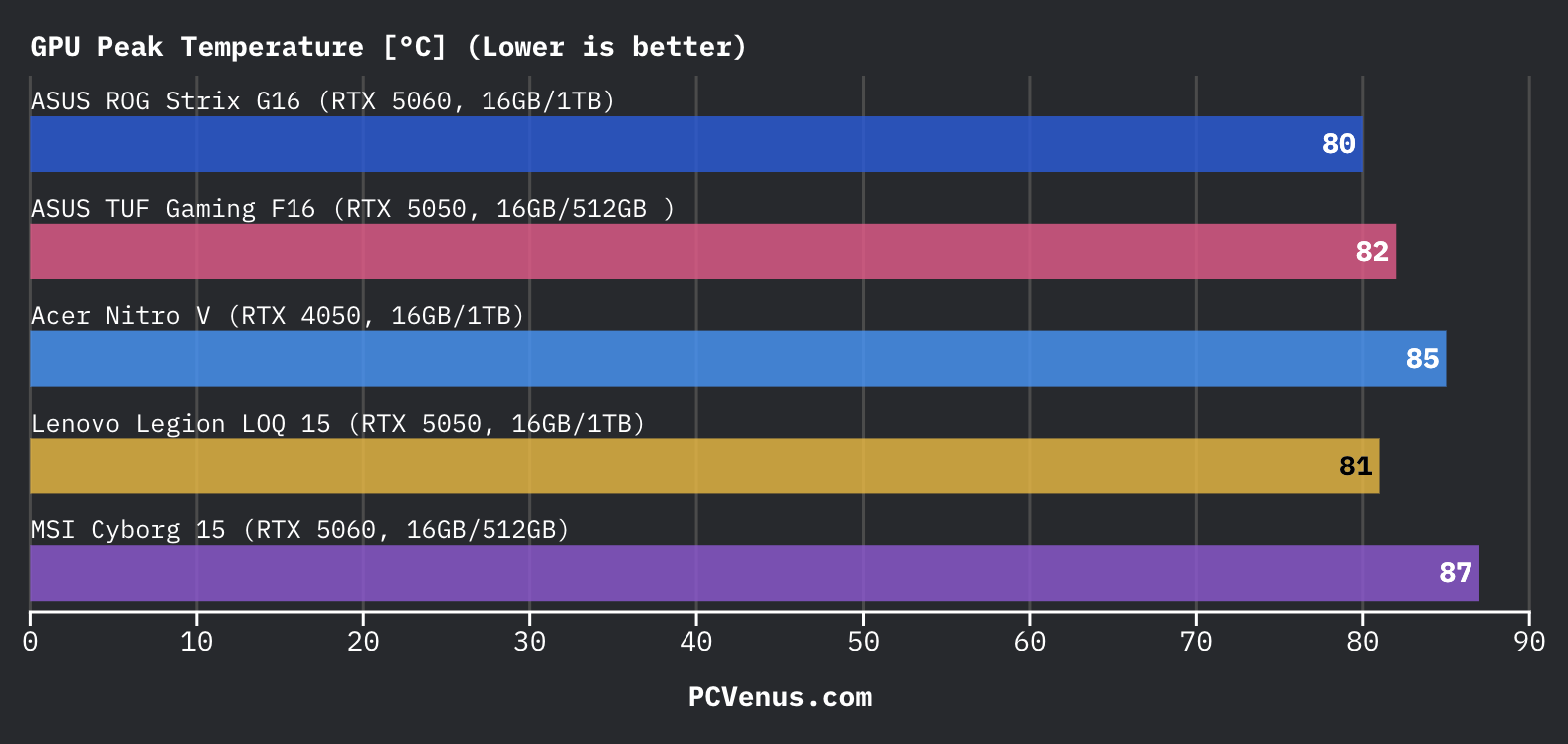
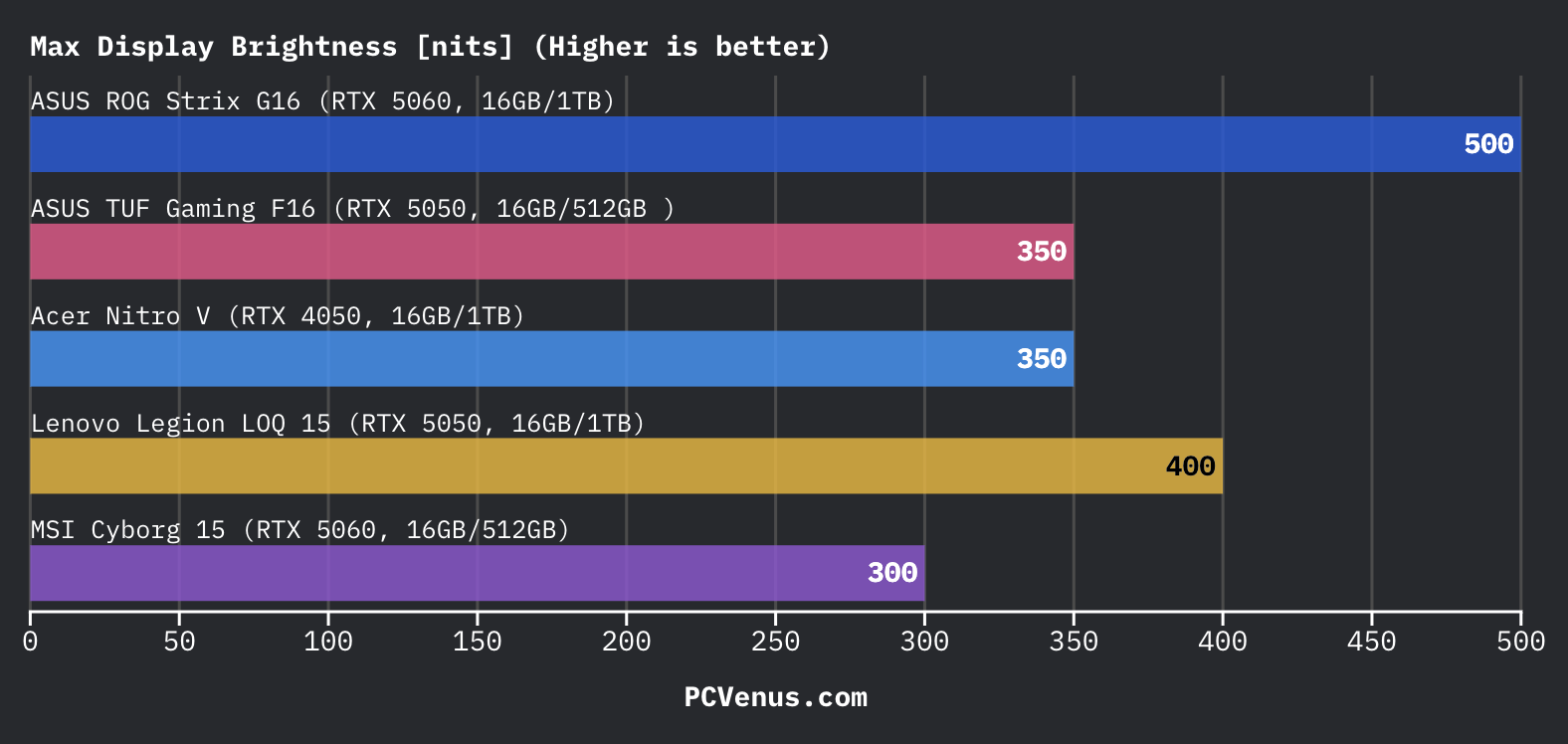
Compared to the Acer Nitro V (RTX 4050 variant), which is another popular budget gaming laptop, the TUF Gaming F16 offers better cooling, stronger build quality, and more stable performance during long gaming sessions.
The Nitro V is slightly more affordable and lighter, but the TUF stands out with its durability and thermal performance, making it a better choice for students who want consistent gaming and heavy workload performance.
Final Verdict for Students:
Choose this if you want a powerful gaming laptop that can handle both college work and modern games smoothly.
Skip this if you prioritise battery life, portability, or a lightweight device for daily college use.
Pros
✔ Strong RTX 4050 gaming performance
✔ Smooth 144Hz display for gaming
✔ Excellent cooling system and thermal design
✔ Durable military-grade build quality
✔ Good for heavy tasks and creative work
✔ Value-for-money gaming laptop
Cons
✘ Battery life is quite short
✘ Heavy and bulky for daily carry
✘ Fans can get loud under load
Best 2-in-1 Productivity Laptop for Students
8. Lenovo Yoga 7i 2-in-1
Key Specs
| Processor | Intel Core Ultra 7 155U |
| Graphics | Intel integrated graphics |
| Memory | 16GB DDR5 |
| Storage | 1TB SSD |
| Display | 16-inch 2K touchscreen (2048 × 1280), 60Hz |
| Weight | 4.4 lbs (2.0 kg) |
Check Current Pricing
The Lenovo Yoga 7i handles everyday college tasks smoothly while offering the flexibility of a 2-in-1 design. Whether you’re attending online classes, working on assignments, or using it in tablet mode for note-taking, it stays responsive and practical for daily use. In testing, it performed consistently well during long study sessions, especially for productivity and multitasking.
For full benchmarks and detailed real-world testing, read the complete Lenovo Yoga 7i review.
Student Performance:
In real usage, including document editing, presentations, browsing, and light coding, the laptop performs reliably. Tasks like research, streaming lectures, and running productivity apps remain smooth and efficient.
With the Intel Core Ultra 7 155U processor, it delivers strong efficiency-focused performance, making it well-suited for academic workloads and everyday computing.
Multitasking and Productivity:
During testing, it handled 10–15 browser tabs, productivity apps, and background processes comfortably. App switching remained smooth for regular student workflows.
The 16GB DDR5 RAM ensures stable multitasking performance for assignments, projects, and online classes.
Battery Life for College Use:
Battery life is around 10–14 hours in mixed usage, making it suitable for a full day of college work.
It offers a good balance between performance and efficiency, especially for students who need reliability throughout the day.
Compared to the HP Pavilion x360 16, which is another 2-in-1 laptop in this category, the Yoga 7i offers a better display resolution and stronger overall performance.
The HP model is slightly lighter and more affordable, but the Yoga stands out with its premium build, larger display, and better multitasking capability, making it a more versatile option for students.
Final Verdict for Students:
Choose this if you want a versatile 2-in-1 laptop with a large touchscreen, good performance, and reliable battery life for college use.
Skip this if you need a lightweight device or higher performance for gaming and heavy workloads.
Pros
✔ Strong everyday performance with Intel Core Ultra
✔ Good battery life for college use
✔ Solid build quality and premium design
✔ Decent port selection, including HDMI and USB-A
Cons
✘ Average integrated graphics performance
✘ Can feel bulky in tablet mode
✘ Speakers are average for multimedia use
Buying Guide: How To Choose a Budget Laptop for College Students?
If you are a student and want to buy a good laptop for your work, then go for one that has a good keyboard, excellent battery power, and a good processor. Also, the laptop screen should be of appropriate size to get the most out of your laptop.
The laptops we have selected will be within your budget and will also be quite reliable.
While buying a laptop, you must consider what kind of features you need. If you want speed, then you will have to buy a laptop with a good processor and RAM, but this will also increase your budget.
If you get a laptop, you should check that it has an excellent processor to complete your assignments and homework correctly on time without any lag. When choosing a computer, look for a high-resolution screen, good speakers, and a lightweight laptop so that it can be taken anywhere and you can access your classes online and study material from anywhere.
Overall, look for a laptop that fits within your budget and gets your work done easily. It should support all your applications and handle the workload you throw at it. Battery backup should be good; It should have good memory space and should be portable so that you can easily use it anywhere.
When you buy a laptop for a student, you must check its storage capacity, speed, and RAM capacity. A computer with more RAM will be faster and give you smoother performance.
Nowadays, a lot of space is already given in laptops, so you do not need to worry too much about space, but if you want to get a computer that is strong and where you can do video streaming and gaming along with studies, a high-end CPU will be more helpful to you.
If you want a laptop for basic tasks like studying, watching video lectures, using Google Docs, etc., then a regular budget laptop can also be useful.
A laptop is essential for a student because nowadays, the facilities that a student gets from school and college are not enough. Therefore, it becomes essential for the student to have a laptop as students can access the course material and do their homework and assignments anywhere, as WiFi is available in many places nowadays. A student does not need to be in class or at home to study; He can go anywhere and study and get a good knowledge of his subject.
Battery Life
A student’s laptop should have a good battery life because the more battery a computer has, the more a student can use it. A college student needs a portable device with long battery life to take it wherever he goes and studies anywhere for long hours.
RAM
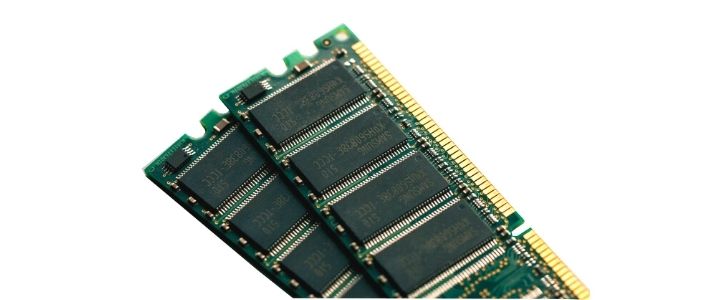
It is also essential for a student to have good RAM storage on his laptop. A good laptop should have RAM of at least 8 GB, as many students use their laptops for online research and school projects.
The better the RAM, the better your performance; you will not have a problem studying and watching video lectures with good RAM storage. Good RAM is crucial for your laptop if you also do gaming and video chatting.
If you want a laptop in which you can do video streaming and gaming too, you need a laptop with good RAM and a good processor to get a good experience without any lag to any application.
CPU
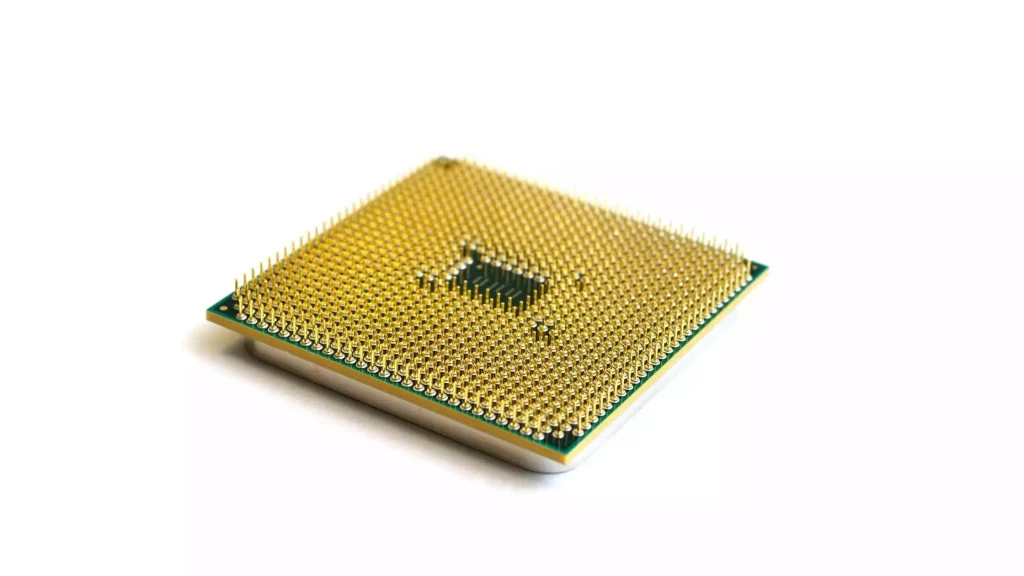
If you want to do gaming, video streaming, and studying, then you will need a strong processor. Also, if you do heavy gaming, you should have at least an 8th or 9th generation i7 processor or a 3rd or 4th generation AMD Ryzen 4 or 5 processor.
If you are a student and want to buy a laptop, then it is important to get suitable hardware. Your computer’s screen size should be good for reading documents and notes and being comfortable with the screen.
Portability
If you want to take a laptop only for word processing and reading notes, then a screen with a small size can also do, but if you want to do gaming and video streaming, then it is necessary to have a laptop with a big screen. Also, your computer should be lightweight to carry easily anywhere.
Ports and Connectivity
Simply put, a laptop is essential for a student. If you have a laptop with good ports and connectivity, you can easily connect to WiFi to perform online tasks.
You will be able to study in a meaningful way where you will have no shortage of teachers, you will get new education platforms, and you will have a portable device in which you can sit anywhere and study from anywhere.
Frequently Asked Questions
Q1. What kind of laptop do you need for college work?
A college student needs a good laptop to attend online classes and extracurricular activities like music, video streaming, gaming, etc.
A college student’s laptop should also be portable so that he can do remote learning. Due to the coronavirus pandemic, online classes have started almost everywhere, so students must have an excellent laptop to access their courses sitting anywhere.
Which laptop you want depends on which course you are taking. Your computer should have a powerful CPU and GPU if you are an engineering student. You may have to make 3D models on the computer, and many other heavy applications will be used during your course, which requires huge processing.
You should have a laptop with large memory space if you are a business student. A proper size screen will also be necessary for you, where you can do your work properly. It is also essential to have enough memory storage in your laptop to store all your data, like notes and other study materials.
If you want to take a computer just for basic tasks like word processing, then a Chromebook with 4GB of RAM will be ok for you.
Overall, a laptop with a good processor and a good amount of RAM screen size is also good, and a battery backup is also lovely. This laptop should be good enough for a college student.
Q2. Why is a laptop essential for a college student?
A student needs to have a laptop nowadays. The student can study his course materials online and research them well on a computer. The student can easily do his classwork, academic work, and homework.
A laptop will provide a student with many more learning platforms to get a strong concept of his subject that he might not get in class. It can be more beneficial for the student, his studies, and social networking than a student owning a laptop.
A student can chat with anyone using his laptop and video chat with his relatives and family.
Any student can do their classes online; that is why having a portable laptop is necessary for a student.
Q3. How much RAM do College students need in a computer?
College students need to get laptops with as much RAM as possible. RAM requirements recommended by the school’s website range from 2 GB to 8 GB. Most college students will need at least 4GB of RAM to function optimally.
If your programs or applications are not working smoothly, try increasing your RAM. Your computer’s performance can be improved by upgrading your RAM.
Final Words
First, let’s look at what you need to get the best laptop for college! You may assume that saying something is more straightforward, but it is not. First of all, you need to decide why you are buying a laptop, as you should buy it according to your needs.
Every laptop we’ve picked for college students on this list is under $1,000; Some are better for portability, some for battery life, and others for gaming or development. So, whatever your requirements, choose the appropriate option.
We hope you found our article on the best laptops under $1000 for college students useful. If you’re looking for a computer, we’ve made it simple by listing our best picks and explaining why they’re worth considering.
Keep in mind that there is no ideal laptop in the market, offline or online. Be careful to do your research before buying; A PC that is suitable for someone else may not be the right choice for you.
There is no doubt that laptops are useful for various tasks like work, business, etc. However, they are practical tools for learning, researching, and writing papers.
Many instructors allow students to use laptops in class, including notebooks for taking notes, saving study-related documents, etc.
If you have any questions or suggestions, please leave them in the comment box, and we will respond as soon as possible.