
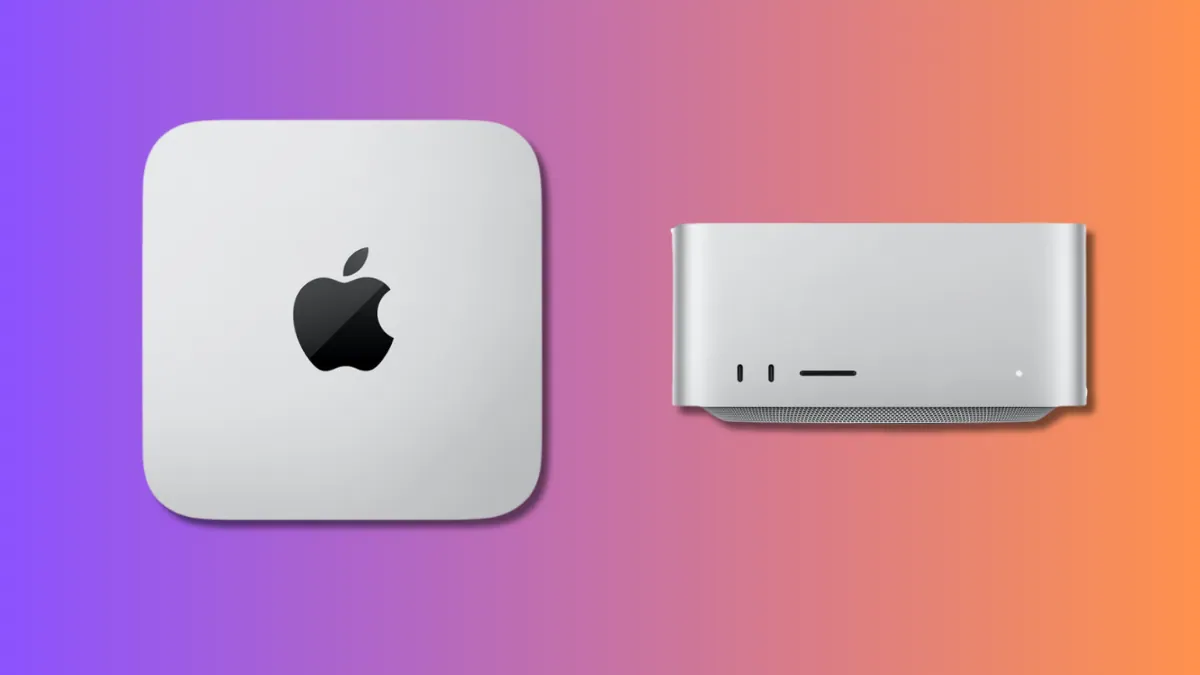
Apple has quietly dropped the final high-memory upgrade option for the Mac Studio with the M3 Ultra chip, leaving 96GB of unified memory as the only available configuration for the company’s most powerful compact desktop workstation.
The change appeared on Apple’s online store after the company previously discontinued the 512GB unified memory version earlier this year. With the 256GB option now removed as well, professional users handling local AI models, 8K video editing, scientific simulations, and advanced software development workloads no longer have access to higher-capacity memory configurations on the Mac Studio.
The M3 Ultra Mac Studio was one of the few small Apple Silicon systems that could manage very memory-intensive workloads without significantly depending on cloud infrastructure, which makes its removal particularly noteworthy. Because the CPU, GPU, and Neural Engine all share the same memory pool, unified memory is essential to Apple Silicon performance and helps increase efficiency for rendering, AI inference, and creative applications.
Apple’s current Mac Studio lineup now tops out at 96GB of unified memory on the M3 Ultra model, while the M4 Max version is still configurable up to 64GB. According to Apple’s latest specifications, the M3 Ultra configuration continues to offer up to a 32-core CPU, 80-core GPU, 32-core Neural Engine, and 819GB/s memory bandwidth.
The action comes after Apple removed the 512GB unified memory option, which was already getting harder to order in some areas. According to reports from industry sources, the most recent modification may be related to supply constraints that impact the sophisticated memory packaging found in Apple Silicon hardware, alongside wider memory supply pressure across the PC market.
Industry analysts believe Apple could be saving memory component supplies for future Mac models, including upcoming M5-based systems already linked to Apple’s next-generation silicon roadmap. Apple has not officially commented on the decision, but the move comes as demand for local AI processing hardware continues growing rapidly across the industry.
For developers and creators working with large language models, advanced rendering pipelines, or multi-stream, high-resolution editing projects, removing the 256GB and 512GB memory options could introduce new limits on fully local workflows. Many AI-focused applications are increasingly benefiting from larger unified memory pools, especially on Apple Silicon systems that rely on a shared memory architecture and are increasingly targeting local AI workloads.
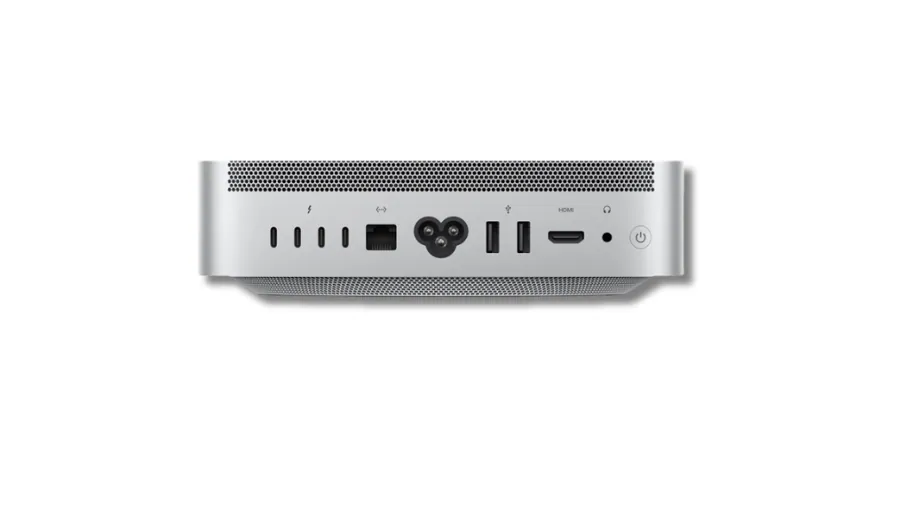
The Mac Studio M3 Ultra is still one of Apple’s best desktop computers, even with fewer memory options. The machine continues to support Thunderbolt 5 connectivity, multiple high-resolution external displays, hardware-accelerated media engines, and Apple Intelligence features across macOS, alongside broader adoption of next-generation external bandwidth standards.
The change also reflects wider pressure across the high-performance computing market, where rising demand for AI-focused hardware and next-generation memory technology is starting to affect both supply chains and the availability of premium workstations.
Apple has not said whether these higher-memory configurations could return through future inventory updates or next-generation Mac Studio models.
Claim Your Free Amazon Prime Membership
If you are 18-24, you may qualify for a free 6-month Amazon Prime trial.
Get fast, free delivery, Prime Video, exclusive savings, and more.
Claim 6-Month Free Trial →