
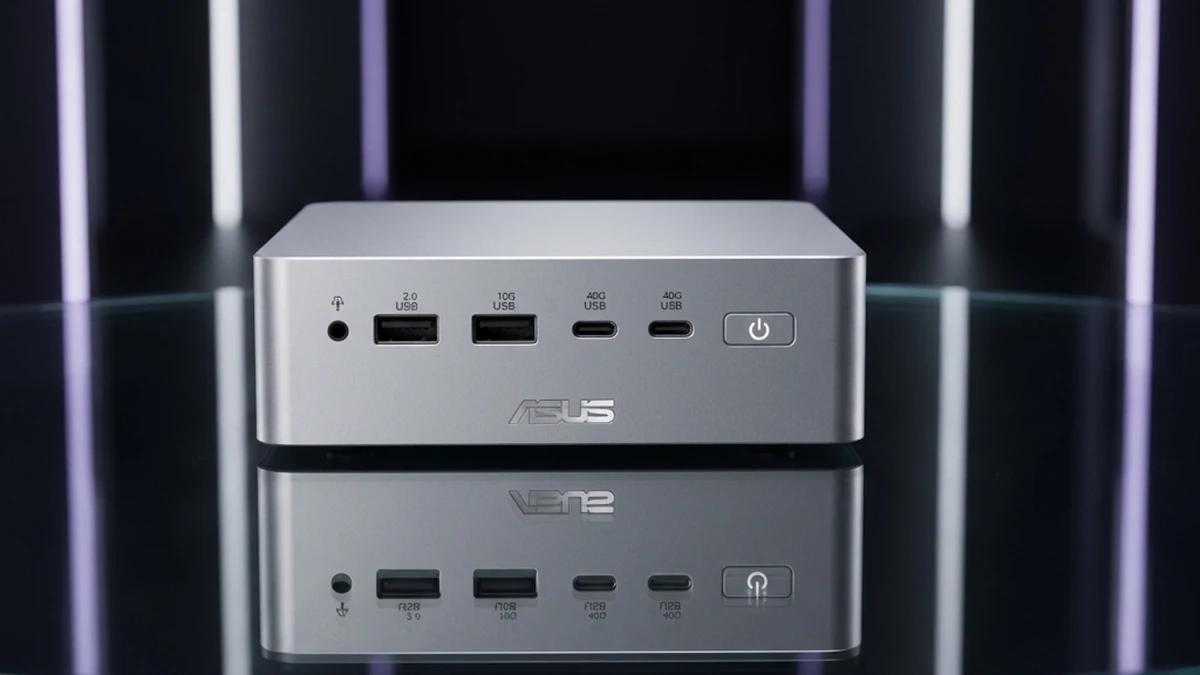
Asus showed off the Ascent QN10, a desktop computer built for programmers who want to run AI software directly on their desks. This small PC is the first to feature a specialized chip that can handle 80 trillion calculations per second for offline tools.
The computer has the 18-core Qualcomm Snapdragon X2 Elite chip. It also features a Qualcomm Hexagon NPU that speeds up AI tasks, making it much quicker than older small computers.
Also read: Lenovo ThinkPad T14s Gen 7 Launches with Snapdragon X2 Elite
Because the computer uses an ARM-based chip rather than a traditional Intel or AMD processor, it uses much less power. This helps the machine run cool and quiet, even when it is working hard. Asus put a special vapor chamber and two fans inside the case to keep temperatures low. One of those fans is dedicated entirely to cooling the fast SSD.
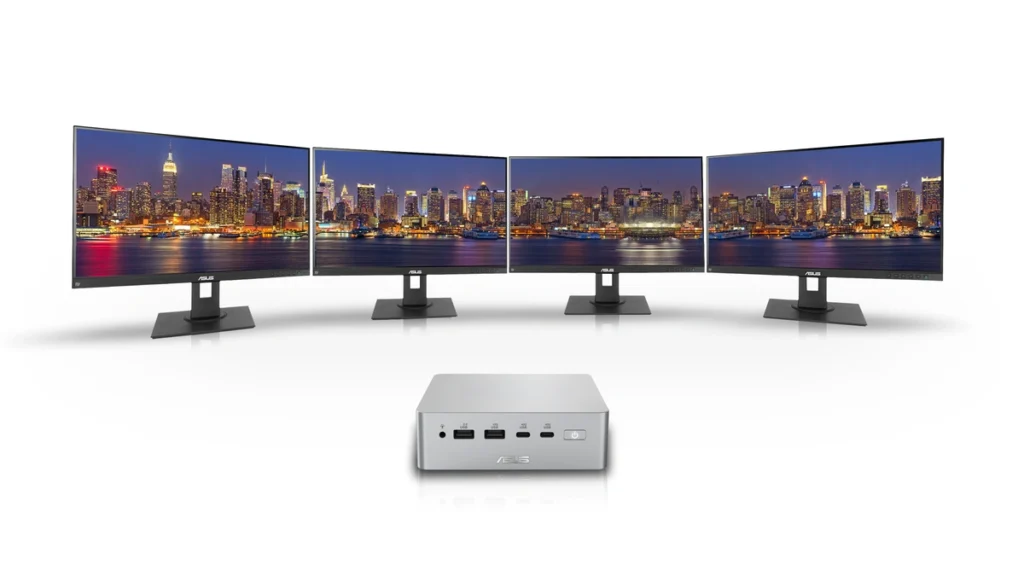
The mini PC has up to 32 GB of LPDDR5X RAM that is soldered to the board, which means you cannot upgrade the memory later. For storage, it supports up to 4 TB of space using M.2 2280 slots. Programmers can use this space to run offline tools like OpenClaw and Hermes Agent natively on the computer. This is a big help for people who want to test their code without sending data to the cloud.
Many companies are creating desktop hardware for these local tasks. For example, some office users might choose the Dell Deskside Agentic AI series. But the Asus Ascent QN10 is much smaller, measuring only 130 x 130 x 40 mm. This means it takes up very little space on a desk and weighs only 720 grams.
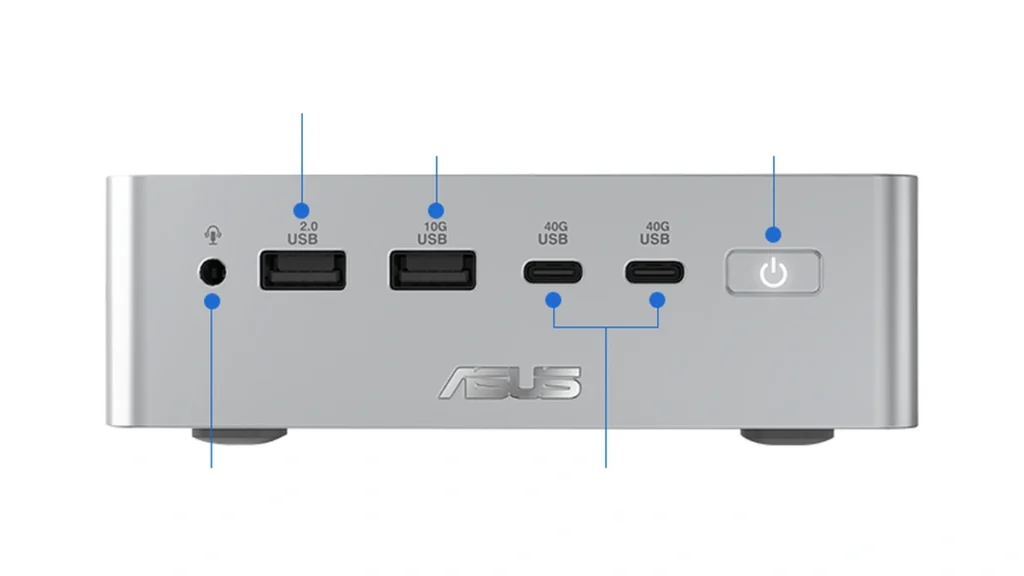
Despite its small size, the QN10 has plenty of ports. It features three USB4 Type-C ports, three USB-A 3.2 ports, one HDMI 2.1 port, and a headphone jack. This setup allows users to connect up to four 4K monitors at the same time. For networking, it includes Wi-Fi 7, Bluetooth 5.4, and a fast 2.5 Gb Ethernet port.
Since this mini PC does not have a dedicated Nvidia graphics card, it cannot run some AI models that require Nvidia hardware. Also, Windows on ARM sometimes has trouble running older apps, drivers, or accessories made for standard Intel or AMD computers.

This is not the first tiny PC from the company. Asus also sells the Asus NUC 16 Pro, which uses standard Intel chips instead. But if you want to try the Qualcomm AI Hub and develop models on Snapdragon hardware, the QN10 is one of the only options. Asus has not shared the pricing or the exact release date yet, but it will share more details at the Computex event.
Asus Ascent QN10 Specifications
| Feature / Component | Specification Details |
|---|---|
| Processor | Qualcomm Snapdragon X2 Elite (18 cores, up to 4.7 GHz) |
| NPU (AI Speed) | Qualcomm Hexagon NPU (80 TOPS) |
| Graphics | Qualcomm Adreno X2 GPU |
| Memory | Up to 32 GB LPDDR5X (9600 MHz, soldered) |
| Storage | Dual M.2 2280 slots (supports up to 4 TB M.2 NVMe SSD) |
| Display Output | Up to four 4K monitors (1x HDMI 2.1, 3x USB4) |
| USB Ports | 7 ports (3x USB4, 3x USB 3.2 Gen 2, 1x USB 2.0) |
| Wireless | Wi-Fi 7, Bluetooth 5.4 |
| Ethernet | 2.5 Gb port |
| Dimensions | 130 x 130 x 40 mm (under 0.7 liters) |
| Weight | 1.59 lbs (720 grams) |
Source: ASUS