

![Best Laptop for Interior Design [Under Every Budget]](https://pcvenus.com/wp-content/uploads/2022/02/Best-Laptop-for-Interior-Design-Under-Every-Budget-1.jpg "Best Laptop for Interior Design [Under Every Budget] (1)")
Are you an interior designer or a student looking for the best laptops for interior designer in 2026?
Whether you work with AutoCAD, SketchUp, Adobe Creative Suite, or render high-quality 3D visuals, choosing the right laptop is crucial.
Interior design software is resource-intensive and requires high-end CPU performance, discrete graphics cards, large memory, and precise display quality. However, with so many options on the market, finding a laptop that balances performance, portability, and budget can be a challenge.
Don’t worry—we’ve done the homework for you.
In this guide, we’ve picked out the best laptops for interior designers in 2026 for professionals, students, and freelancers. From affordable models to high-performance models like the MacBook Pro M4 and ASUS ROG Strix G16, this list covers all use cases.
Whether you’re designing residences, commercial interiors, or working on AR/VR concepts, these laptops give you the performance you need to run Revit, Lumion, Rhino, and other design tools smoothly.
What to Look for in a Laptop for Interior Designer?
Aspiring interior designers need a reliable and powerful laptop that can handle the computing demands of their profession.
Some of the Specific specs and features are essential for an interior design laptop, such as
- A Powerful Processor
- Smooth Graphics Card
- Large display
- Faster RAM and Storage
- Backlit and Comfortable keyboard
- Pre-installed creative software
We’ll review the specific features to look for when selecting a laptop for interior design.
The type and generation of the processor are significant factors to consider when searching for a laptop for an interior designer. A powerful and up-to-date CPU can readily perform design-related tasks.
Choose the most recent integrated or dedicated graphics card to perform the intensive task.
A larger screen provides a more extraordinary workspace when using design tools or analyzing reference material. Some of the best laptops for interior design have 4K displays that offer excellent graphics and many workspaces.
Nowadays, practically every laptop comes with 3200MHz DDR4 RAM and storage, so choose wisely.
Another essential feature of an interior design laptop is the pre-installed creative software. AutoCAD, Sketchup, and Adobe Creative Suite are necessary tools of the trade, but they can be costly to purchase individually.
Many laptops designed for creative professionals will come pre-installed with at least some of these tools, saving you time and money in the long run.
Finally, ensure that any laptop you’re buying has a comfortable keyboard. Interior designers spend hours working on their computers, so a winning keyboard is crucial.
| Spec Category | Entry-Level | Recommended | Professional Level |
| CPU | Core i5 / Ryzen 5 | Core i7 / Ryzen 7 / M4 | i7-13th/14th / Ryzen 9 / M4 Pro |
| GPU | Integrated graphics | RTX 4050/4060 or equivalent | RTX 4060+ / RTX A-series |
| RAM | 8–16 GB | 16 GB | 32 GB+ |
| Storage | 512 GB SSD | 1 TB SSD | 1 TB+ SSD + external options |
| Display | FHD, 100% sRGB | QHD/OLED, 100% sRGB/DCI‑P3 | 4K/OLED, DCI‑P3/Adobe‑RGB |
| Battery/Weight | 6–8 h, ~4 lb | 8–10 h, <4 lb | 10+ h, <4 lb |
The Best Laptops for Interior Designers: Top Picks
| Image | Product | Feature | Price |
|---|---|---|---|
TOP Pick
 |
Apple MacBook Pro M5 |
| Check Price |
 |
Dell XPS 16 |
| Check Price |
 |
Acer Nitro V 16S AI |
| Check Price |
 |
ASUS ROG Strix G16 |
| Check Price |
 |
HP Victus 15 |
| Check Price |
 |
ASUS ProArt P16 |
| Check Price |
 |
MSI Katana 15 HX |
| Check Price |
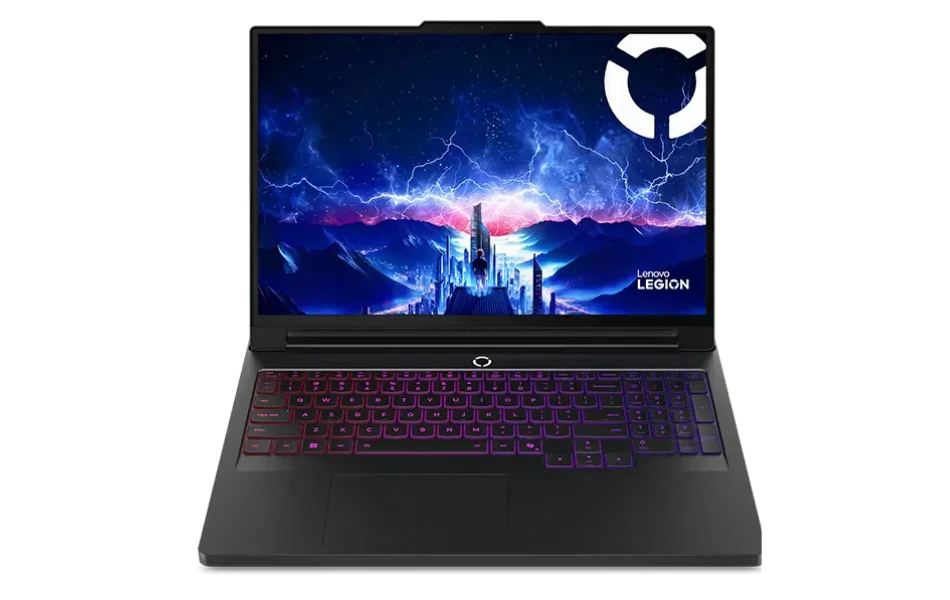 |
Lenovo Legion Pro 7i Gen 10 |
| Check Price |
Powerful and efficient creative laptop


1. Apple MacBook Pro M5
Key Specs
| Processor | Apple M5 (10-Core) |
| Graphics | Apple M5 (10-Core) |
| Memory | 16GB |
| Storage | 1TB SSD |
| Display | 14.2 inches, 3024 × 1964 pixels, 120Hz |
| Weight | 3.5 lb (1.6 kg) |
Check Current Pricing
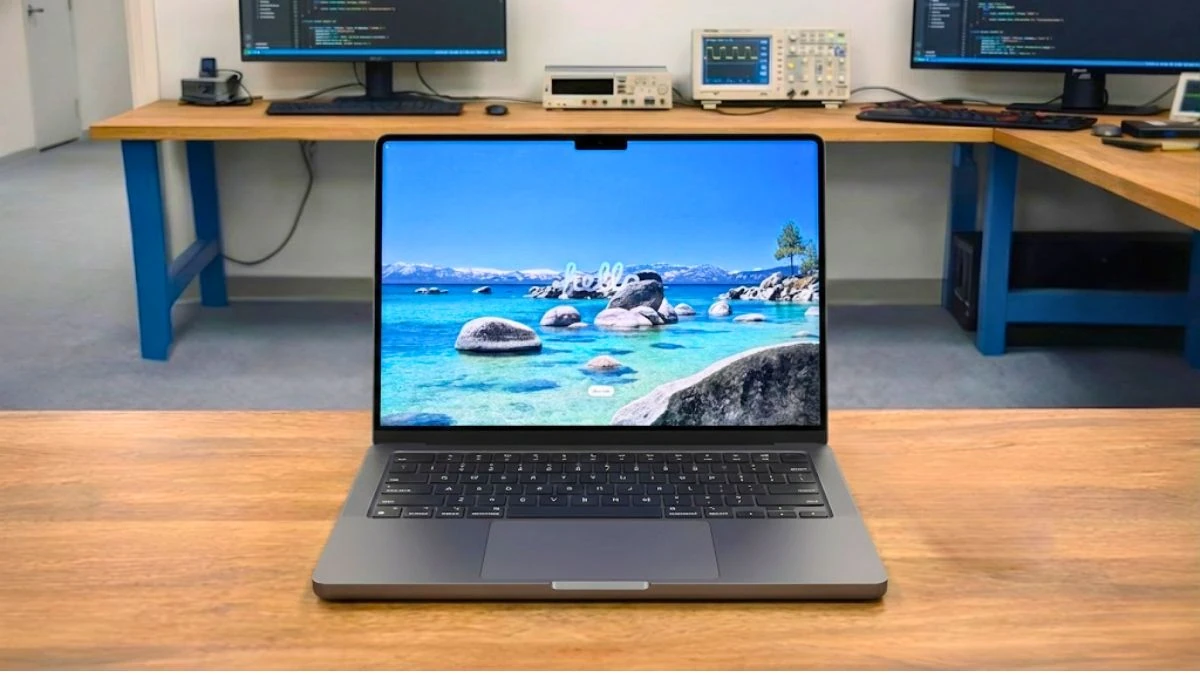
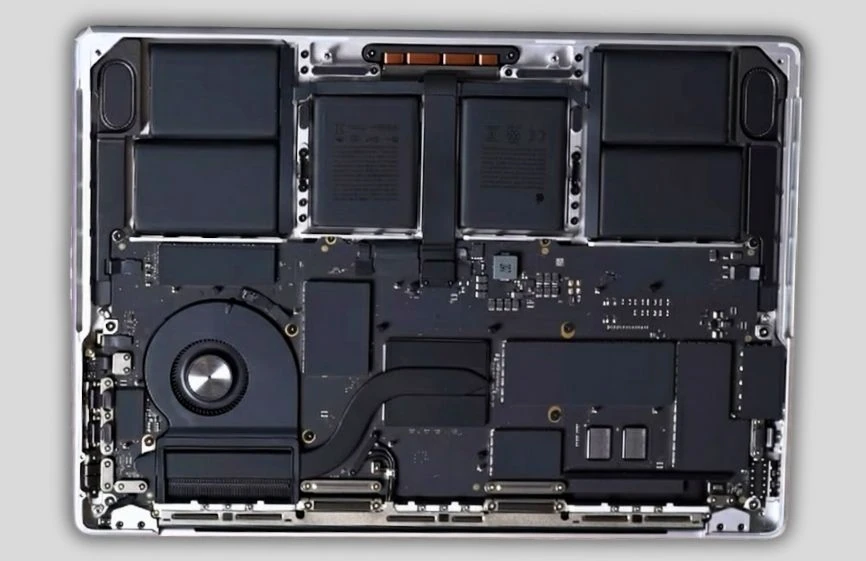
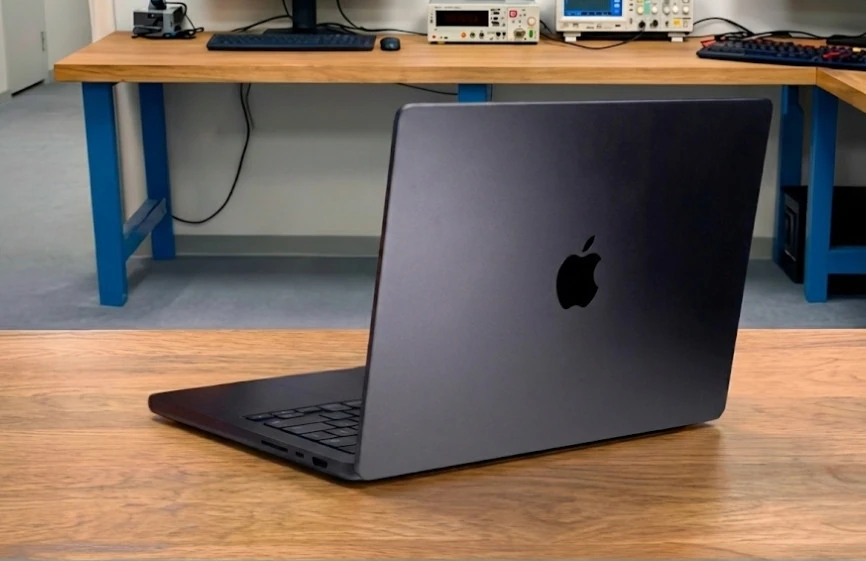
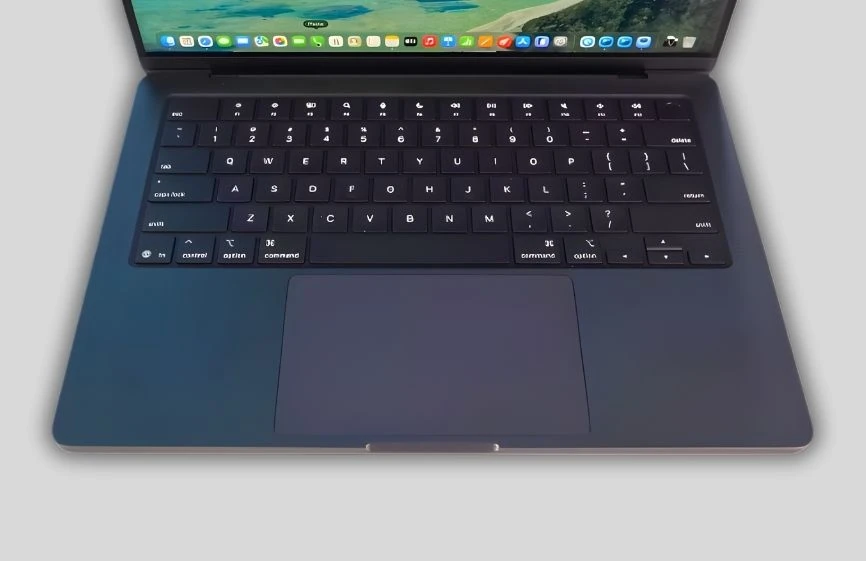
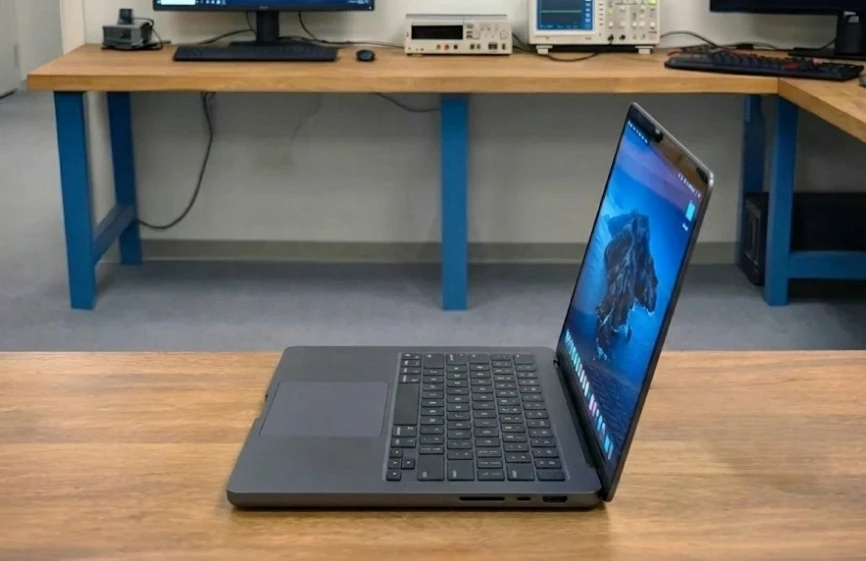
The Apple MacBook Pro M5 is one of the best laptops for interior designers, offering powerful performance, a stunning display, and excellent battery life. It is built for creative professionals who work with design software, 3D models, and high-resolution visuals.
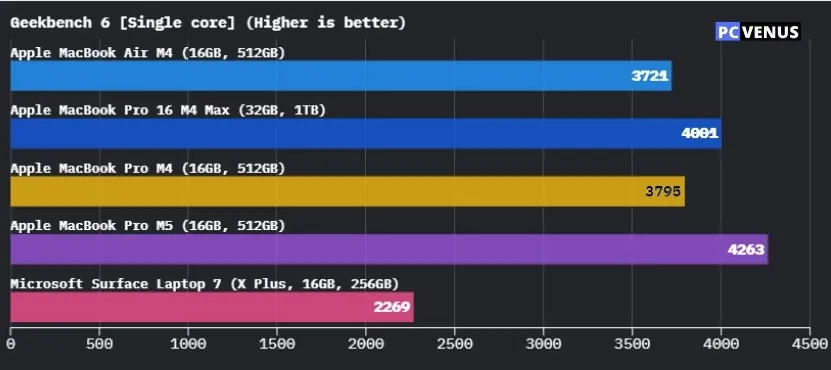
This laptop is powered by the Apple M5 chip, which includes a 10-core CPU and 10-core GPU. It delivers extremely fast performance for tasks like 3D rendering, AutoCAD, SketchUp, and other design applications. The chip is optimized for both speed and efficiency, making multitasking smooth and responsive.
For memory and storage, it comes with 16GB unified memory and 1TB SSD storage. This allows designers to handle large files, complex projects, and multiple applications without lag. The fast SSD also ensures quick file access and smooth workflow.
One of the biggest highlights is the 14.2-inch Liquid Retina XDR display. It offers very high brightness, accurate colours, and sharp details, which are essential for interior design work. Whether you are editing images, creating layouts, or visualising designs, the display provides a premium visual experience.
The MacBook Pro M5 also supports Apple Intelligence features, helping improve productivity with AI-powered tools and workflows. This is useful for modern creative tasks and automation.
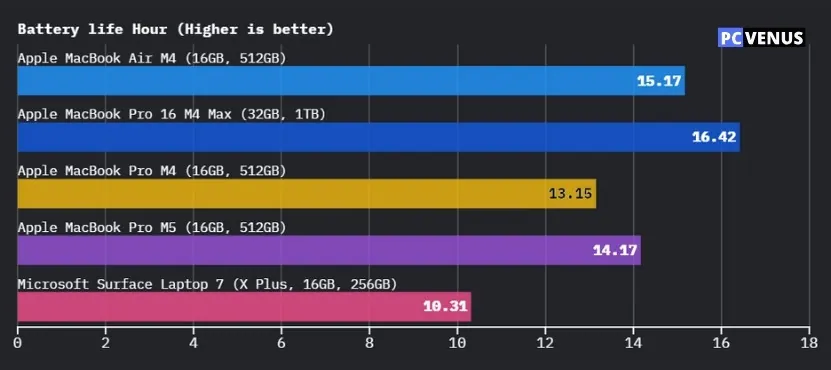
Battery life is excellent, offering up to around 22–24 hours depending on usage. This makes it perfect for designers who work long hours without worrying about charging.
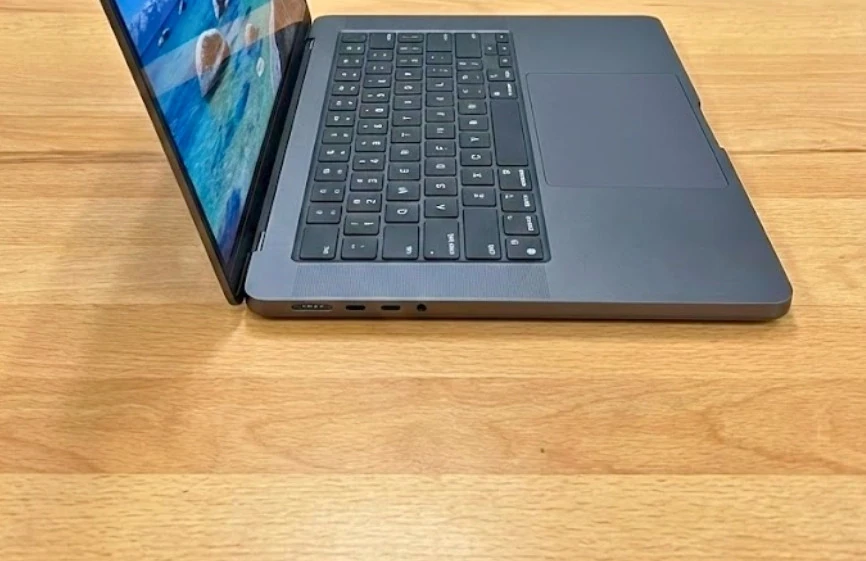
The design is sleek and premium, with a durable aluminium body. It is portable yet powerful, making it easy to carry between office, site visits, or client meetings.
In terms of connectivity, it includes Thunderbolt ports, HDMI, SD card slot, and MagSafe charging, making it easy to connect external displays, storage devices, and accessories.
Additional features include a high-quality camera, studio-grade microphones, and a powerful speaker system, which are useful for meetings and presentations.
Overall, the Apple MacBook Pro M5 is a top choice for interior designers who need a powerful, reliable, and visually accurate laptop for professional work.
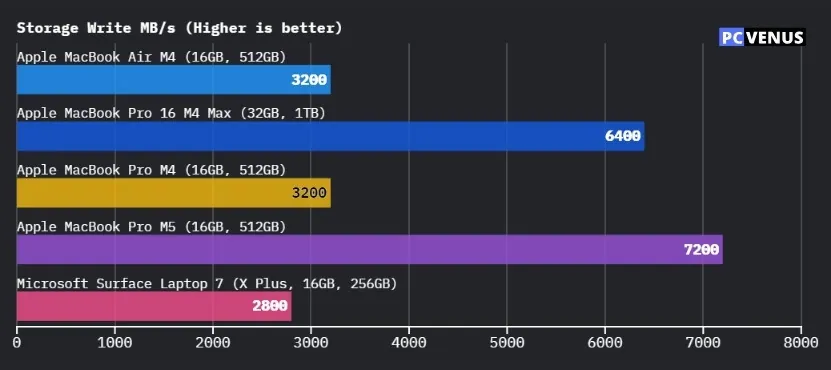
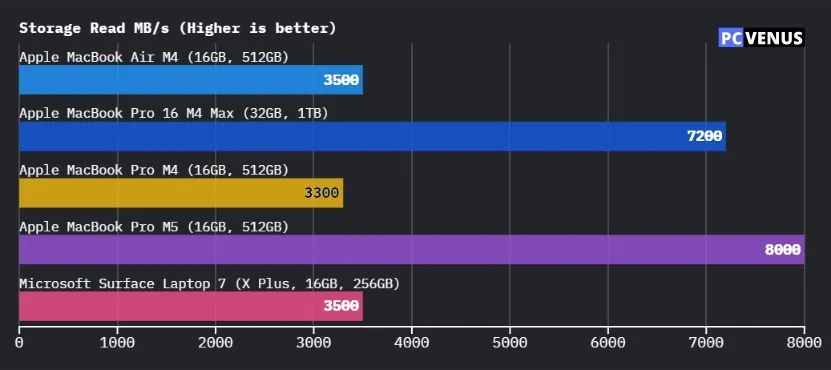
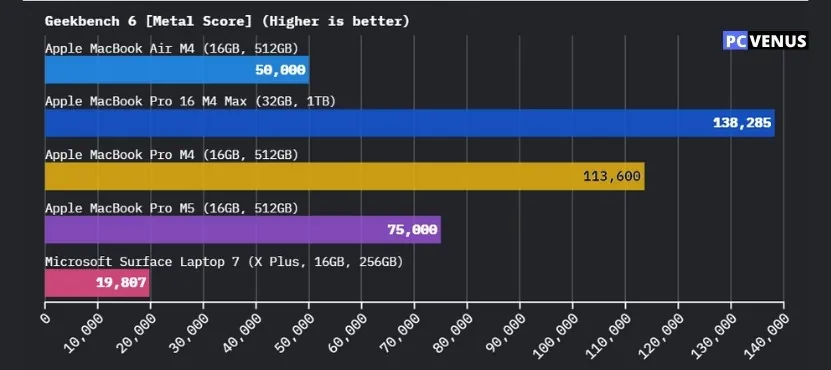
Pros
✔ Extremely powerful M5 chip for design and 3D work
✔ Stunning Liquid Retina XDR display with accurate colours
✔ Long battery life (up to ~20+ hours)
✔ Premium build quality and lightweight design
✔ Excellent performance for creative software
Cons
✘ Expensive compared to other laptops
✘ Limited upgrade options (RAM/SSD not user-upgradable)
✘ Not ideal for some Windows-only software
Read our Apple MacBook Pro M5 Review
Premium performance with sharp display
2. Dell XPS 16
Key Specs
| Processor | Intel Core Ultra 7 355 |
| Graphics | Intel Arc Graphics |
| Memory | 16GB LPDDR5X |
| Storage | 1TB SSD |
| Display | 16.0″, Non-Touch, 2K, 1-120Hz, 500 nits |
| Weight | 3.65 lb (1.65 kg) |
Check Current Pricing
The Dell XPS 16 is a premium and powerful laptop designed for creative professionals, making it an excellent choice for interior designers. It combines strong performance, a high-quality display, and a sleek design, making it perfect for handling design software and visual workflows.
This laptop is powered by the Intel Core Ultra 7 255H processor with 16 cores and boost speeds up to 5.1 GHz. It delivers excellent performance for tasks like 3D modelling, AutoCAD, SketchUp, and rendering. Whether you are working on complex layouts or multitasking between applications, it handles everything smoothly.
For graphics, it comes with Intel Arc Graphics 140T, which is capable of handling design work and light 3D tasks. Additionally, higher variants with NVIDIA RTX 5050 or RTX 5060 GPUs are expected, which will further improve rendering and real-time visual performance for professional workflows.
The laptop includes 16GB LPDDR5X RAM with high speed (7467 MT/s), ensuring smooth multitasking and fast performance. It also comes with a 512GB PCIe SSD, providing quick file access and enough storage for design projects.
It features a large 16.3-inch 2K display with a 30–120Hz adaptive refresh rate and 500 nits brightness. The display delivers sharp visuals, smooth performance, and good colour clarity, which is essential for interior design work and accurate visualisation.
In terms of design, the XPS 16 comes with a premium platinum finish, a seamless glass touchpad, and a modern slim profile. It looks professional and feels high-end, making it suitable for both office and client-facing environments.
Battery life is supported by a large 99.5Wh battery, which can easily last through long working sessions, depending on usage. It also supports fast charging via a 130W USB-C adapter.
For connectivity, it includes three Thunderbolt 4 ports, a microSD card reader, and a headphone jack. This setup allows easy connection to external monitors, storage devices, and accessories used in design workflows.
Additional features include a 1080p IR camera with Windows Hello, quad speakers with Dolby Atmos, Wi-Fi 7, and Bluetooth 5.4, offering a complete premium experience.
The laptop weighs around 4.56 lb (2.06 kg), which is reasonable for a powerful 16-inch device.
Overall, the Dell XPS 16 is a strong and stylish laptop that offers excellent performance, a high-quality display, and modern features. It is one of the best laptops for interior designers who need a reliable device for creative and professional work.
Pros
✔ Powerful Intel Core Ultra processor for design workloads
✔ Large 16.3-inch 2K display with good brightness
✔ Fast LPDDR5X RAM for smooth multitasking
✔ Premium build with sleek and modern design
✔ Strong battery with 99.5Wh capacity
✔ Latest connectivity with Thunderbolt 4 and Wi-Fi 7
Cons
✘ Integrated graphics in base model (better with RTX variant)
✘ Limited ports (no USB-A or HDMI)
✘ Slightly heavy for portability
Affordable 3D design performance
3. Acer Nitro V 16S AI
Key Specs
| Processor | AMD Ryzen 7 260 |
| Graphics | NVIDIA GeForce RTX 5060 |
| Memory | 32 GB DDR5 |
| Storage | 1 TB SSD |
| Display | 16-inch WUXGA, 180Hz |
| Weight | 4.63 lbs (2.1 kg) |
Check Current Pricing
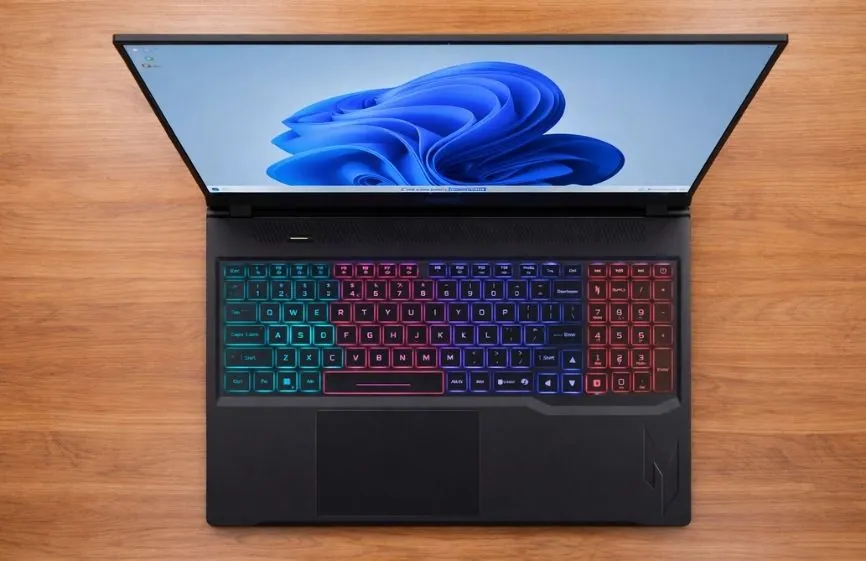
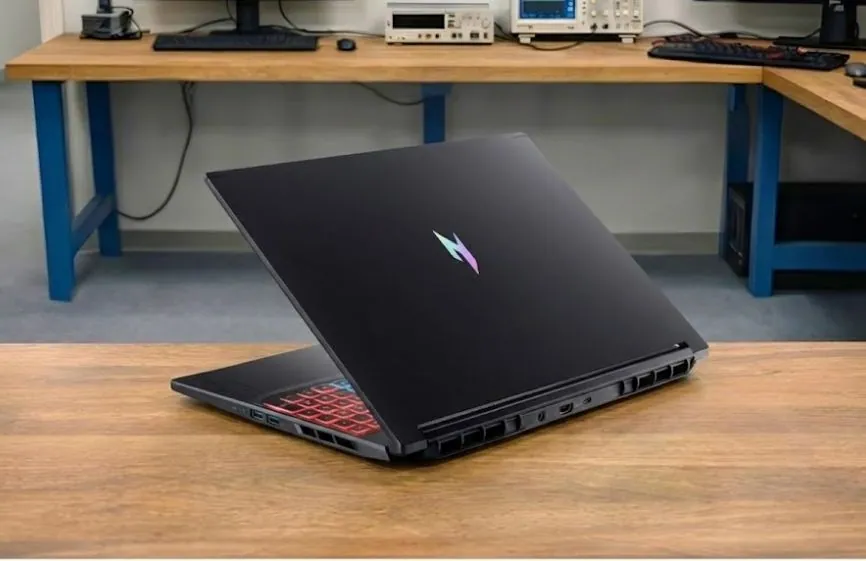
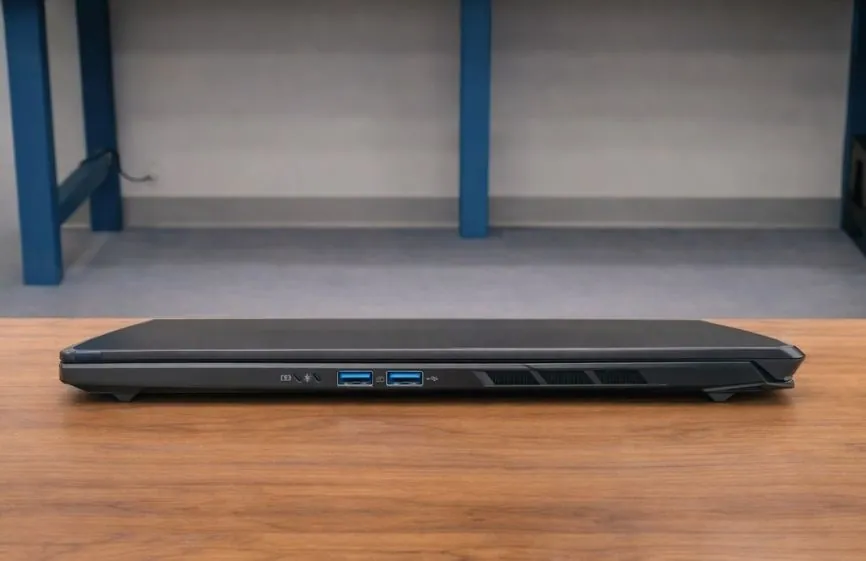
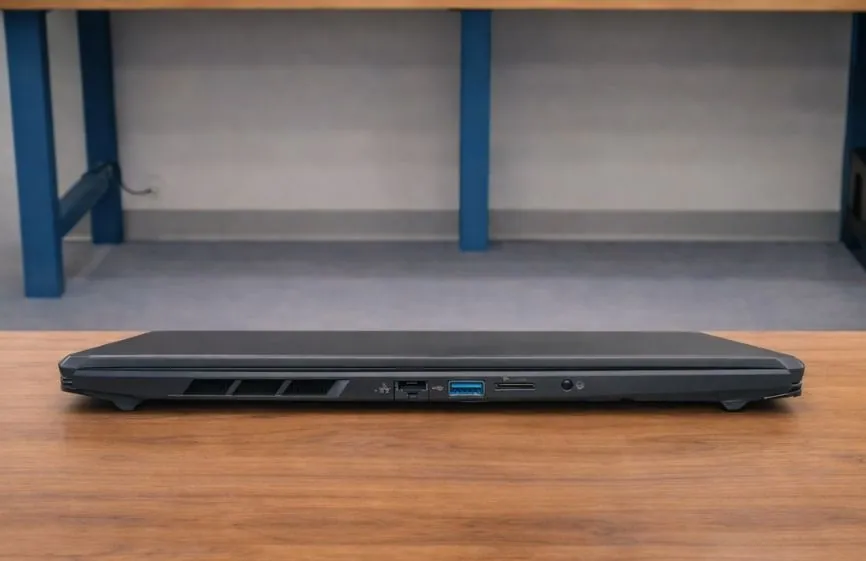
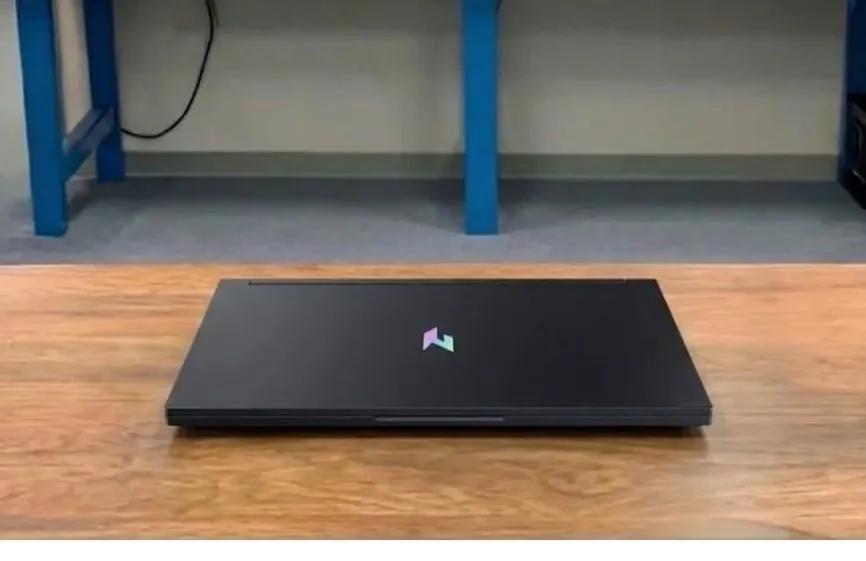
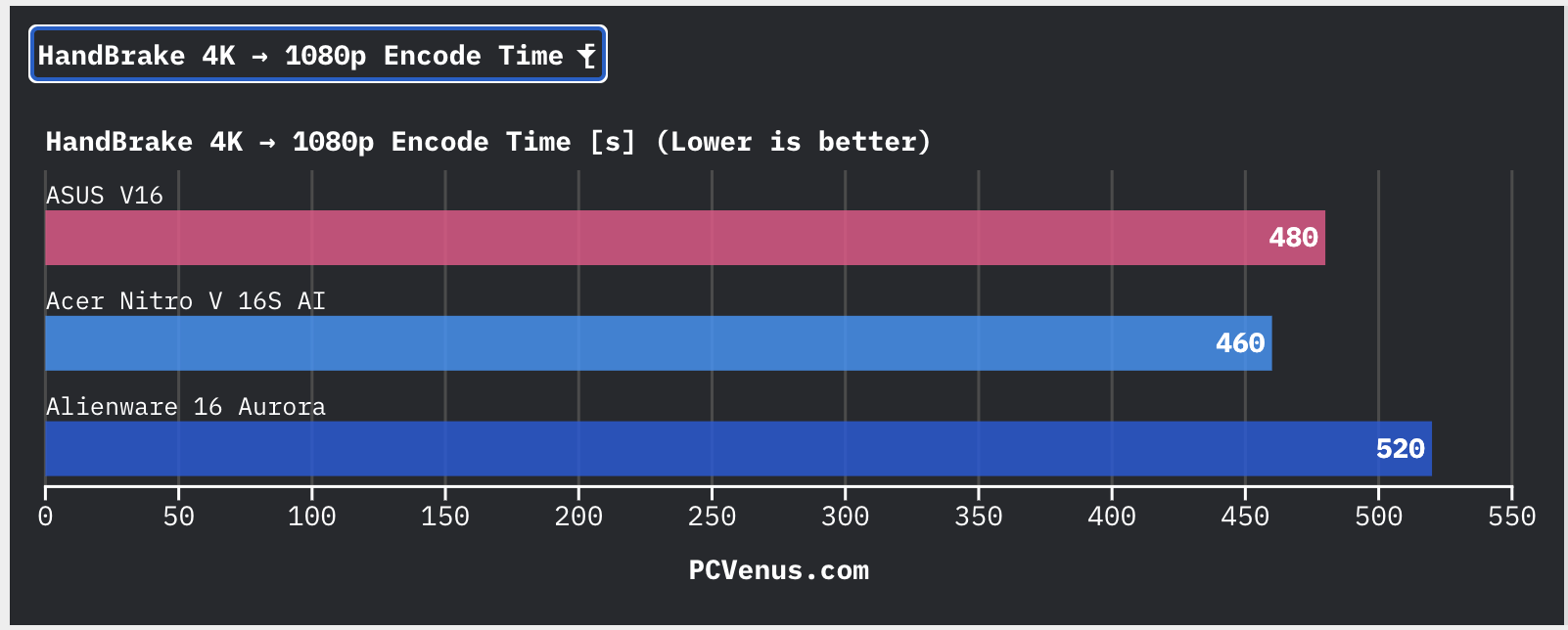
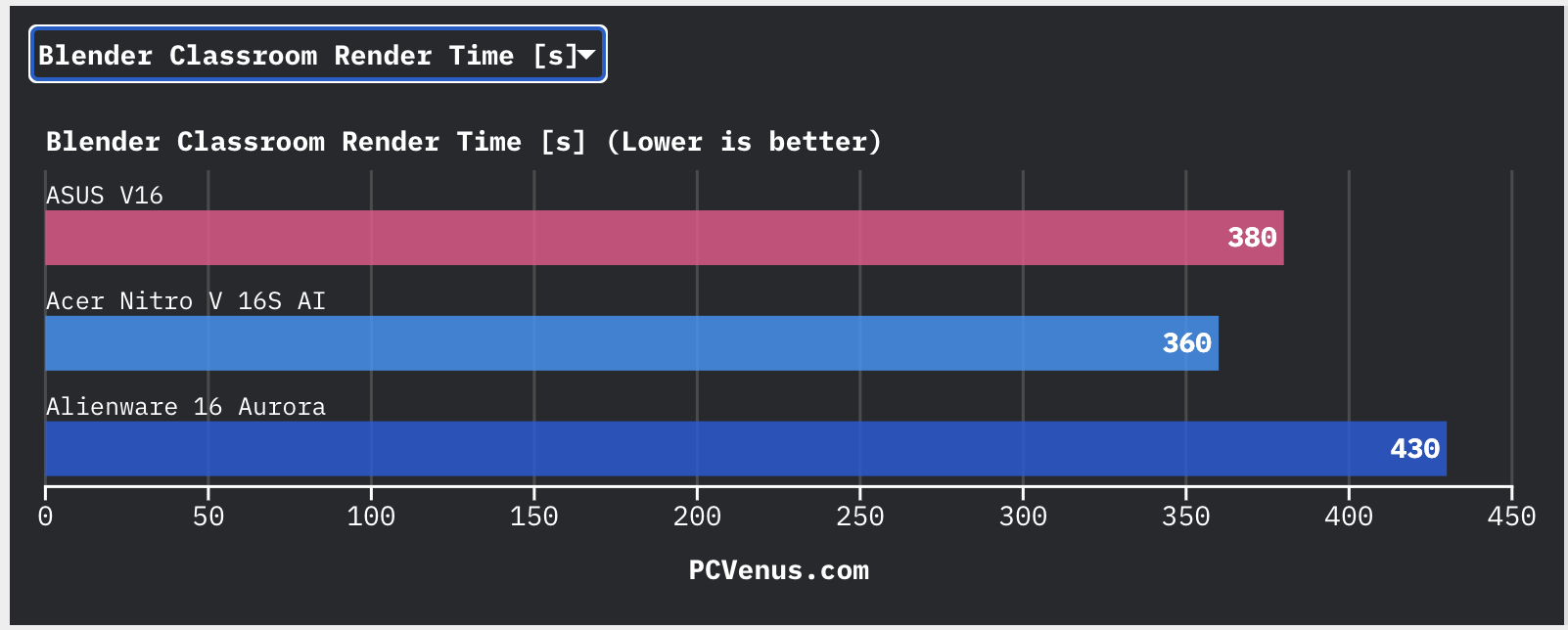
The Acer Nitro V 16S AI is mainly known as a gaming laptop, but it is also a very strong option for interior designers who need powerful performance without spending too much. It focuses on speed, graphics, and multitasking, which are important for design work like 3D modelling, rendering, and visualisation.
This laptop is powered by the AMD Ryzen 7 260 processor, which delivers fast and smooth performance for heavy workloads. Along with that, it comes with NVIDIA GeForce RTX 5060 graphics, which is a major advantage. This GPU can easily handle design software like AutoCAD, SketchUp, Blender, and other rendering tools without lag, making your workflow faster and more efficient.
It also includes 32GB DDR5 RAM and a 1TB SSD, which means you can run multiple applications at once and work on large project files without slowdown. Compared to many laptops in this price range, this combination offers excellent performance for professional work.
The laptop features a 16-inch WQXGA display with a high refresh rate. The screen is sharp and smooth, and while it is designed for gaming, it still provides a good experience for design work and content viewing.
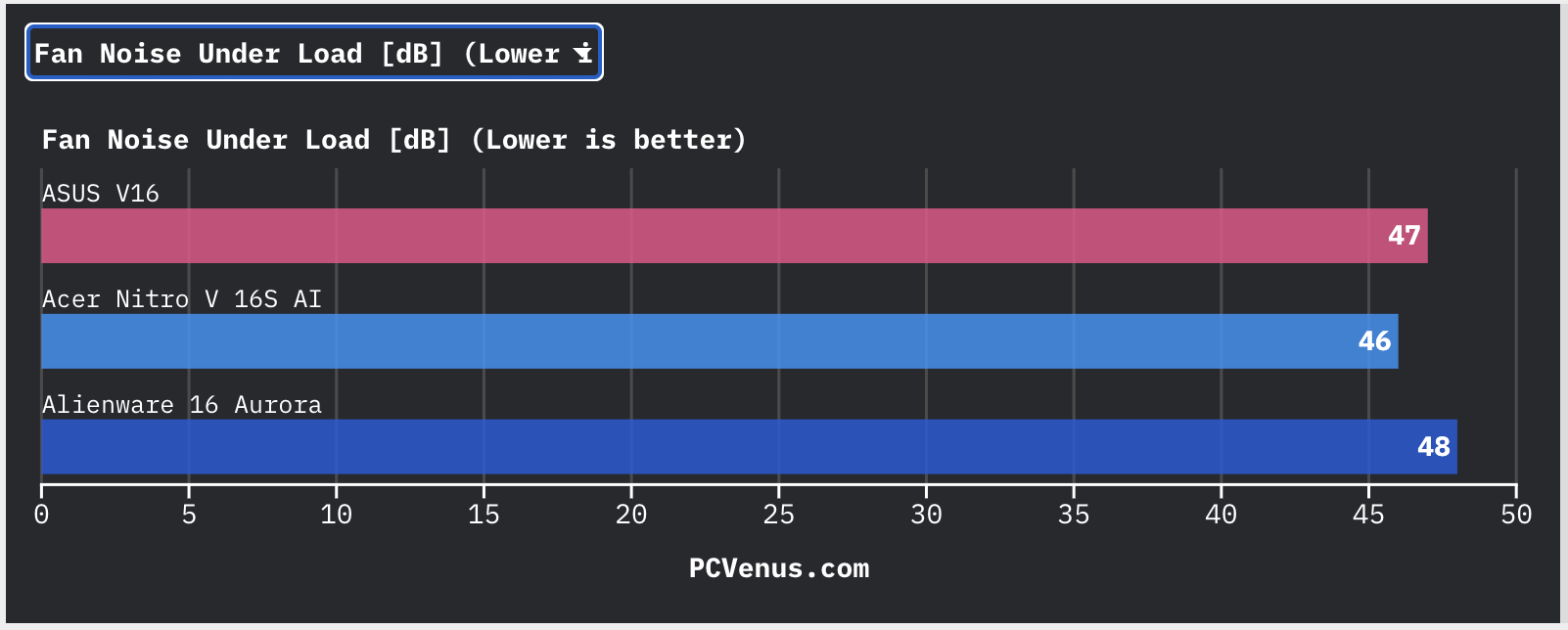
Compared to premium laptops like MacBook Pro or Dell XPS, this laptop offers better raw GPU performance at a lower price. It is especially useful for real-time rendering and heavy 3D tasks. However, those premium laptops still have advantages in build quality, display colour accuracy, and battery life.
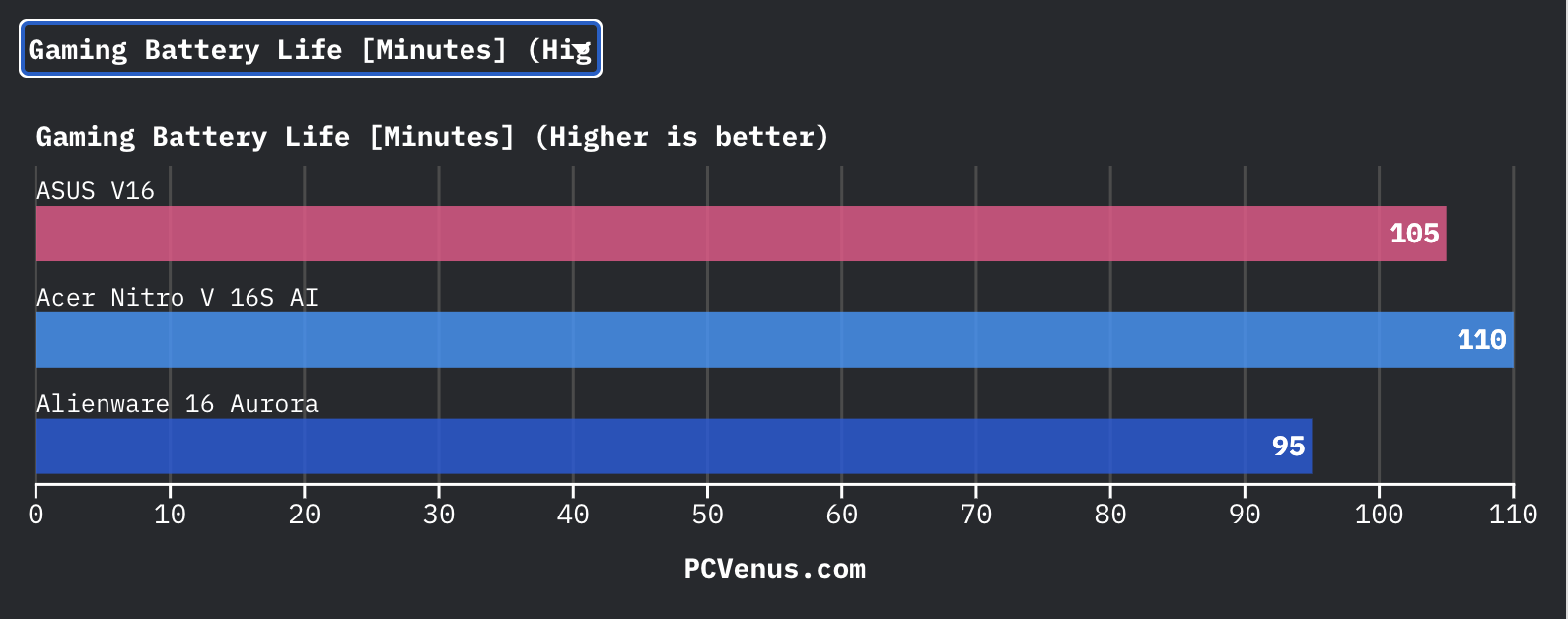
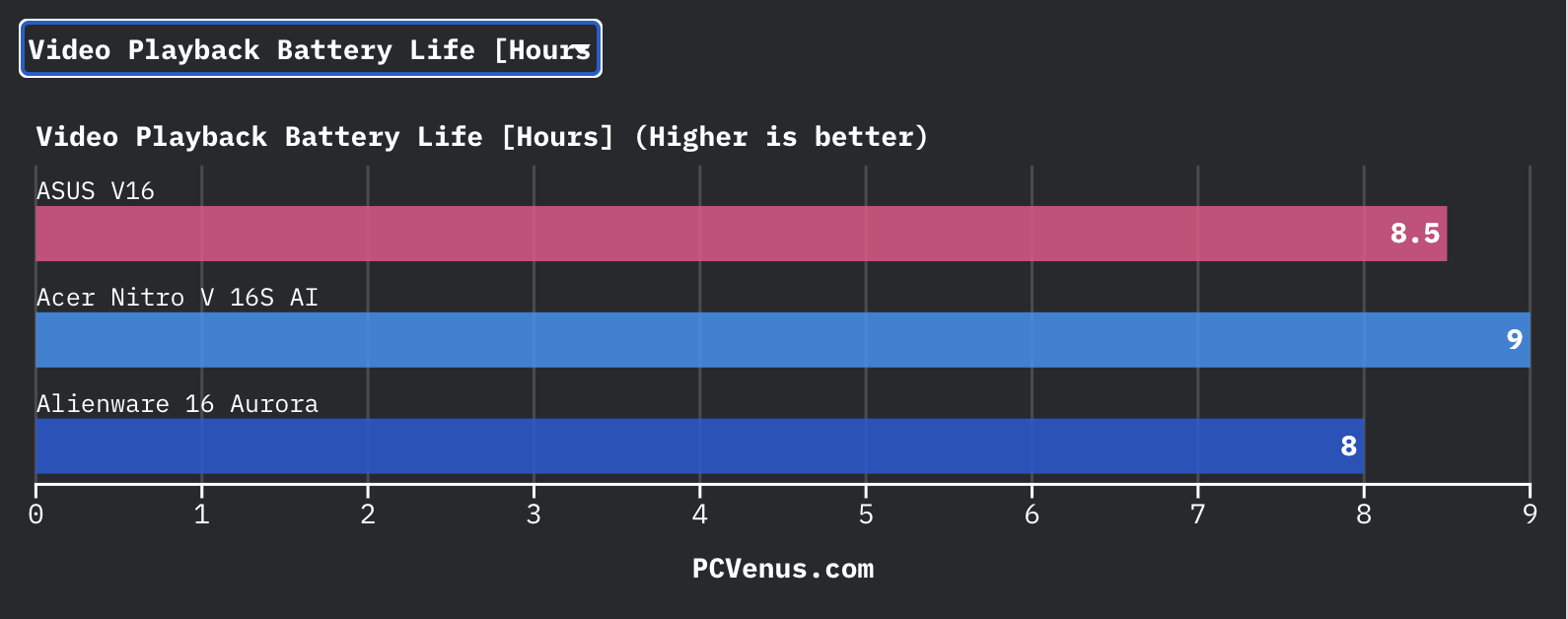
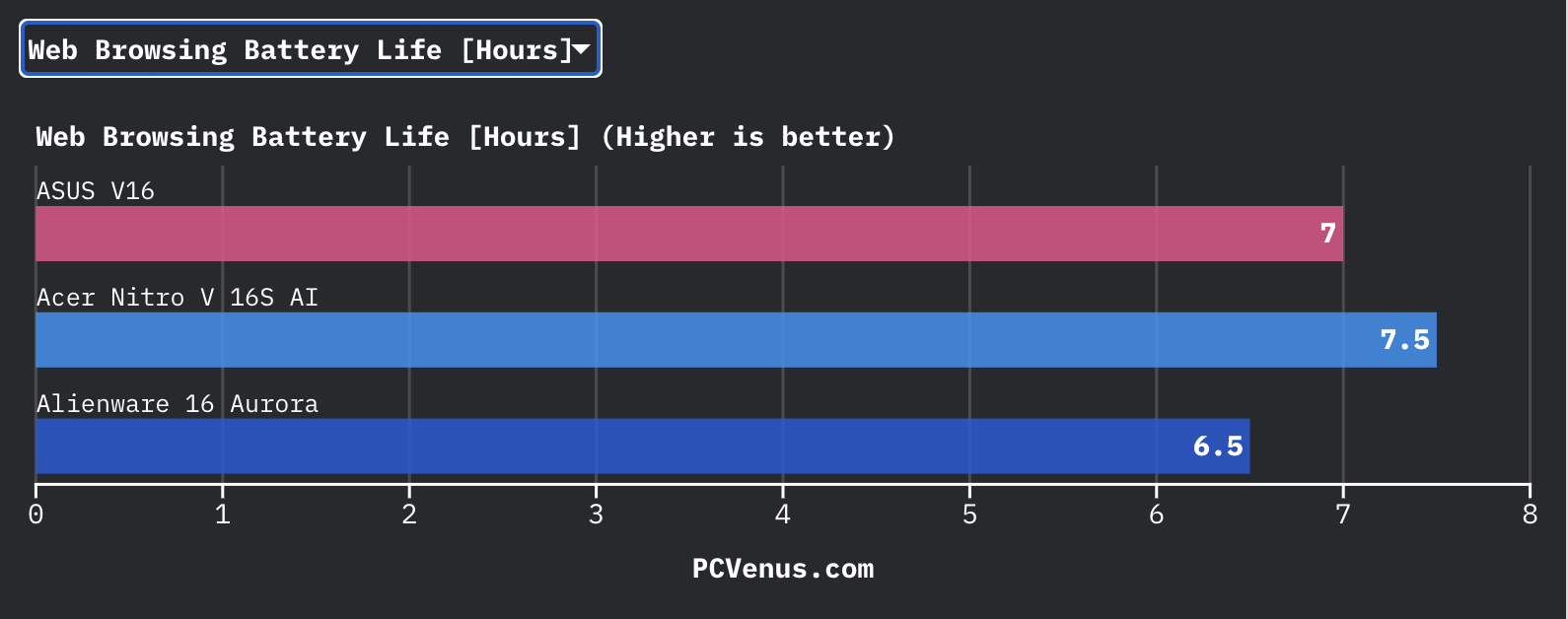
There are some disadvantages to consider. The laptop is heavier and less portable, so it may not be ideal if you travel frequently. Battery life is also average, especially during heavy usage, so you will often need to keep it plugged in. The display, while sharp, is not as colour-accurate as high-end professional displays, which can matter for precise design work.
Overall, the Acer Nitro V 16S AI is a performance-focused laptop that offers excellent value. It is a great choice for interior designers who need strong performance for 3D work and rendering but want a more budget-friendly option compared to premium laptops.
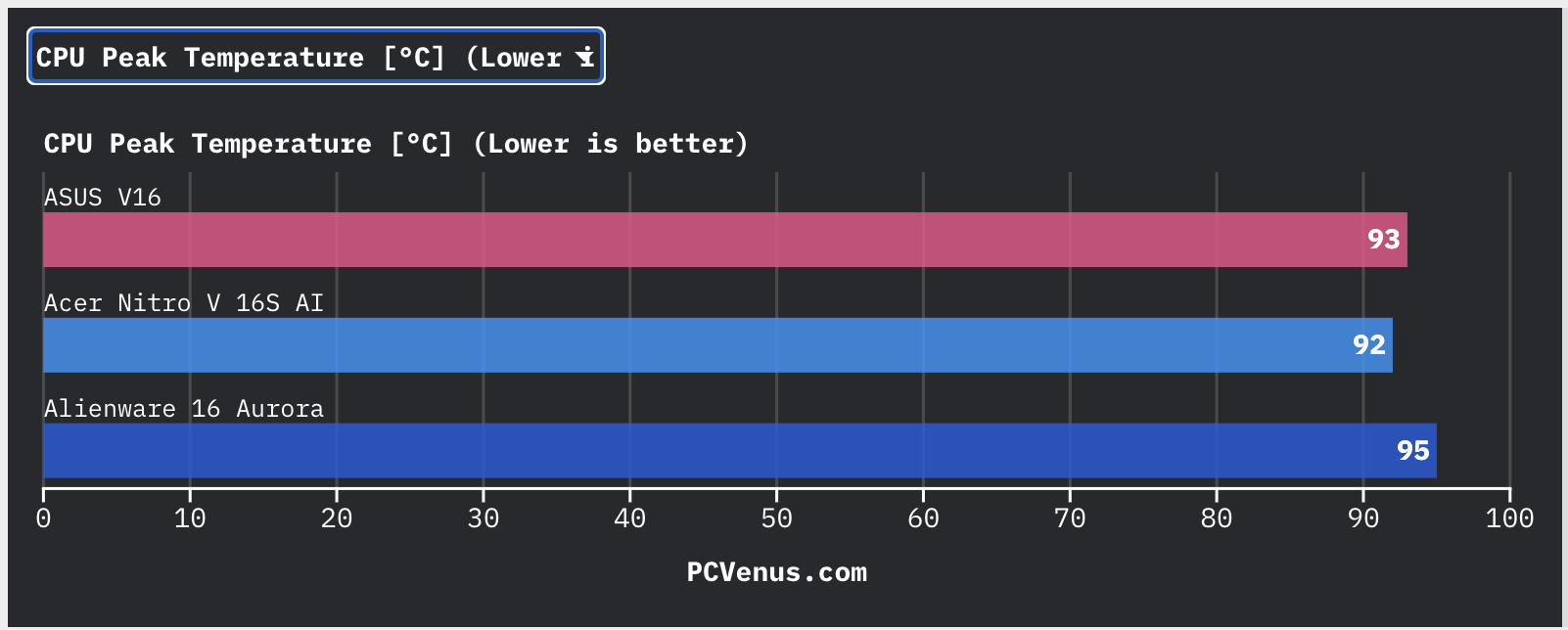
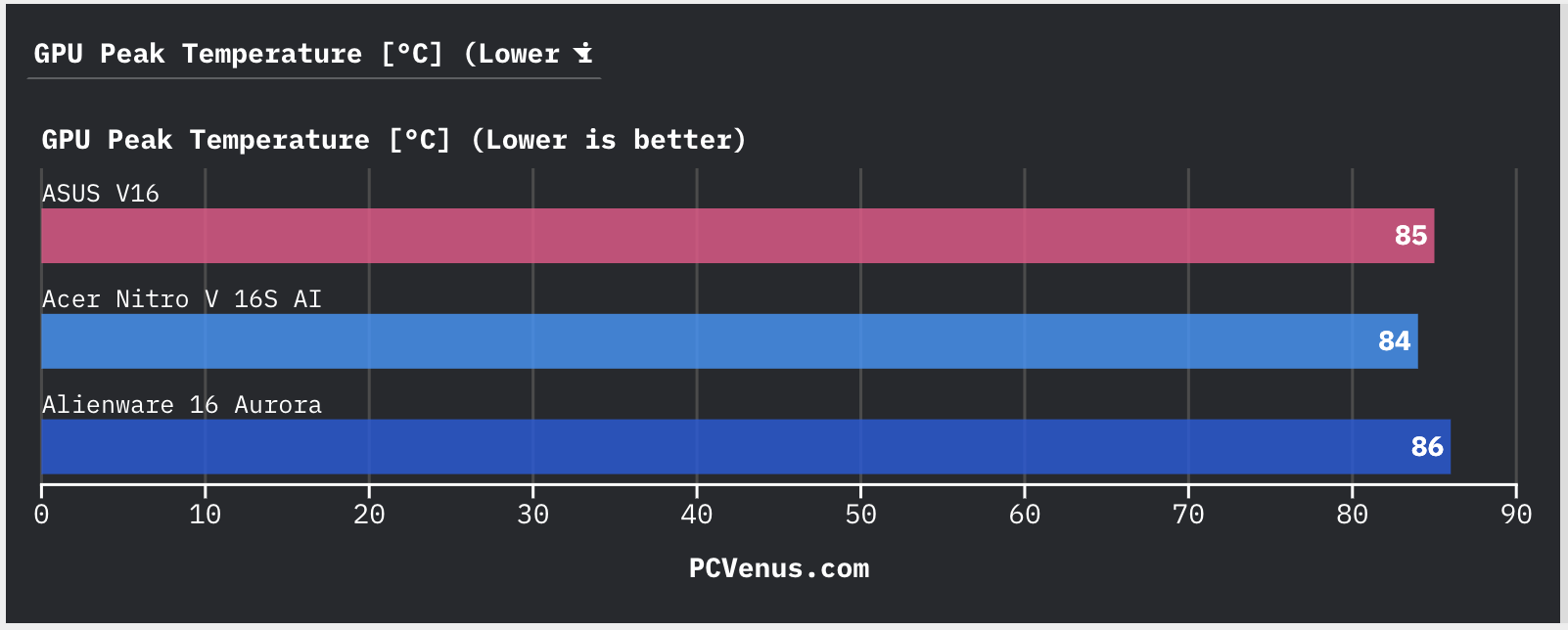
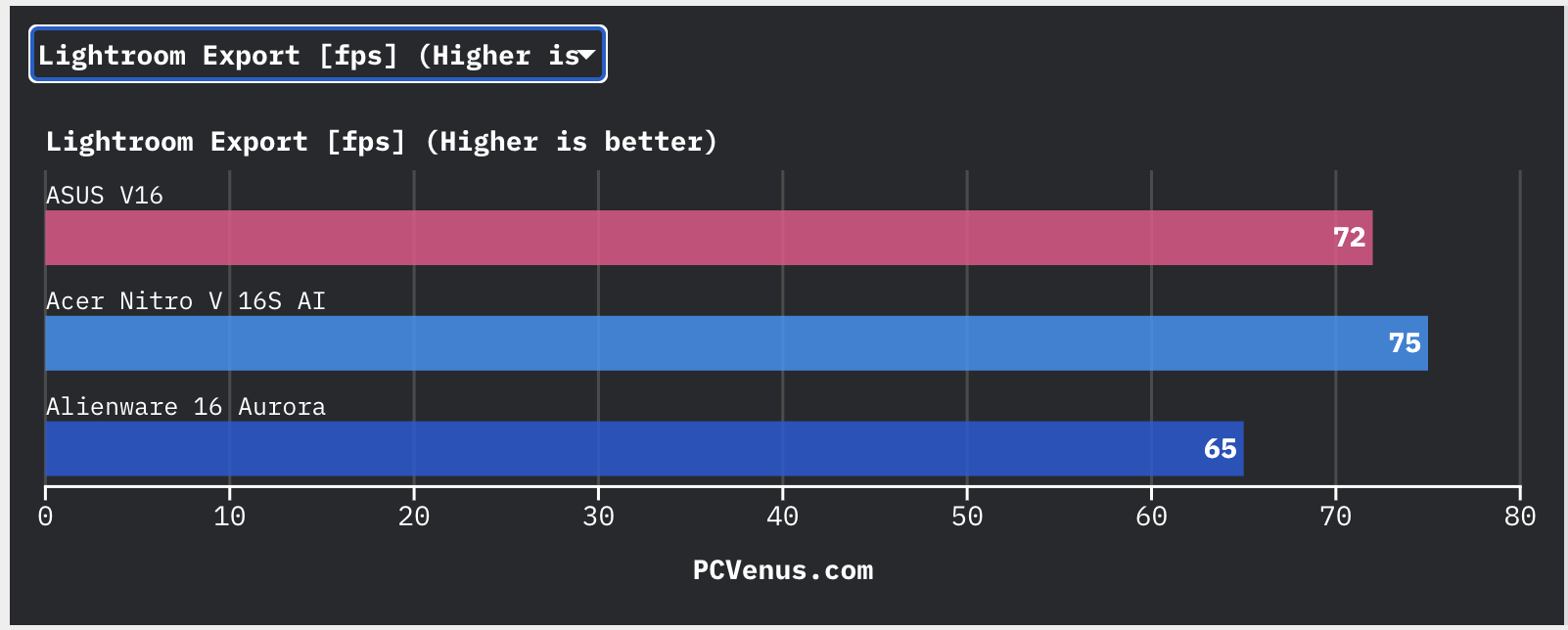
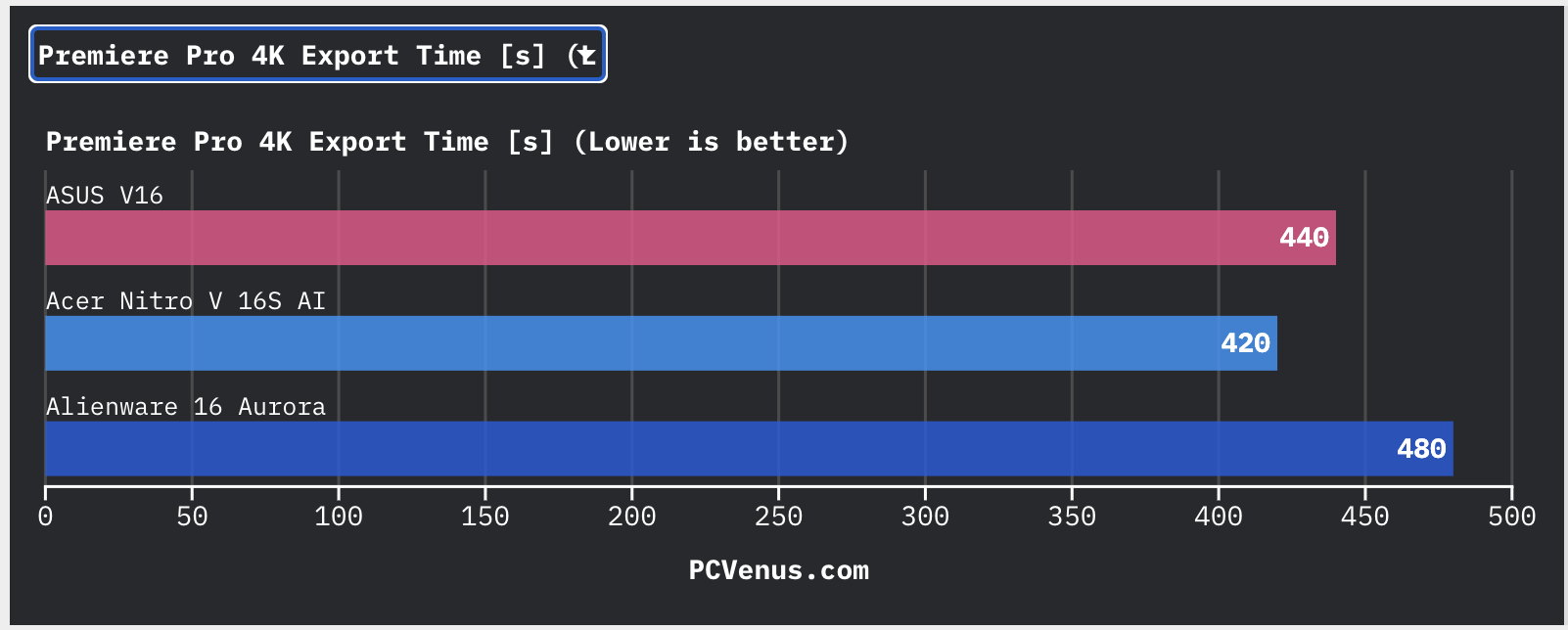
Read the Full Acer Nitro V 16S AI Review
Pros
✔ Very strong performance for 3D and rendering
✔ Handles heavy design software smoothly
✔ Good value for money
✔ Smooth and fast overall experience
✔ Large screen for better workspace
Cons
✘ Heavy to carry
✘ Battery drains quickly
✘ Display not perfect for colour-accurate work
High-performance design machine
4. ASUS ROG Strix G16
Key Specs
| Processor | Intel’s Core i7-14650HX |
| Graphics | NVIDIA’s RTX 5060 |
| Memory | 16GB DDR5 |
| Storage | 1TB SSD |
| Display | 16-inch QHD, |
| Weight | 5.84 lbs (2.65 Kg) |
Check Current Pricing
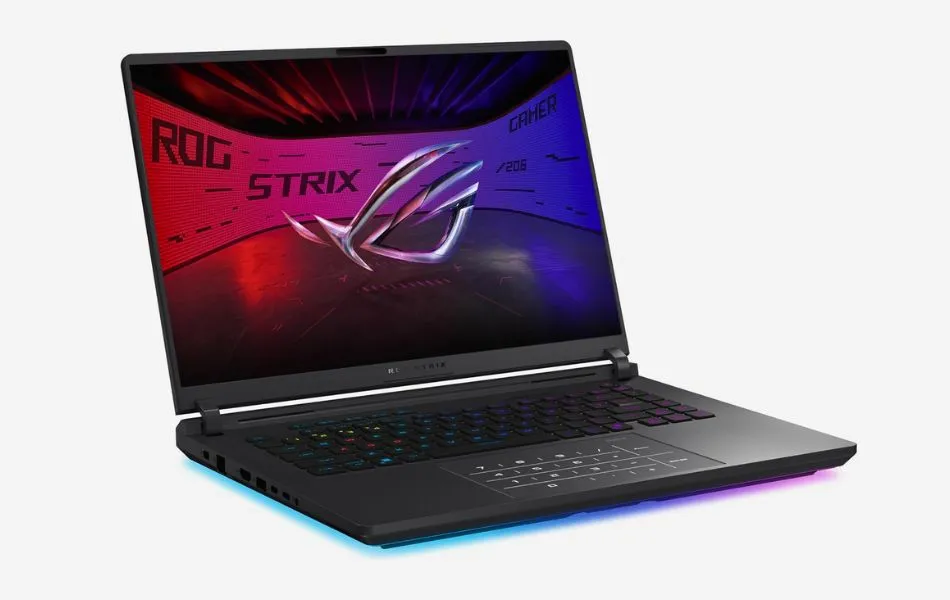
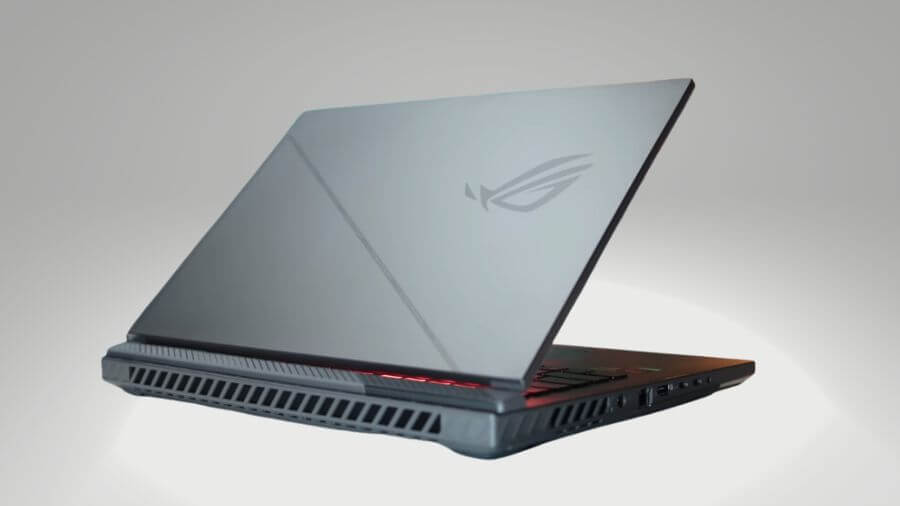
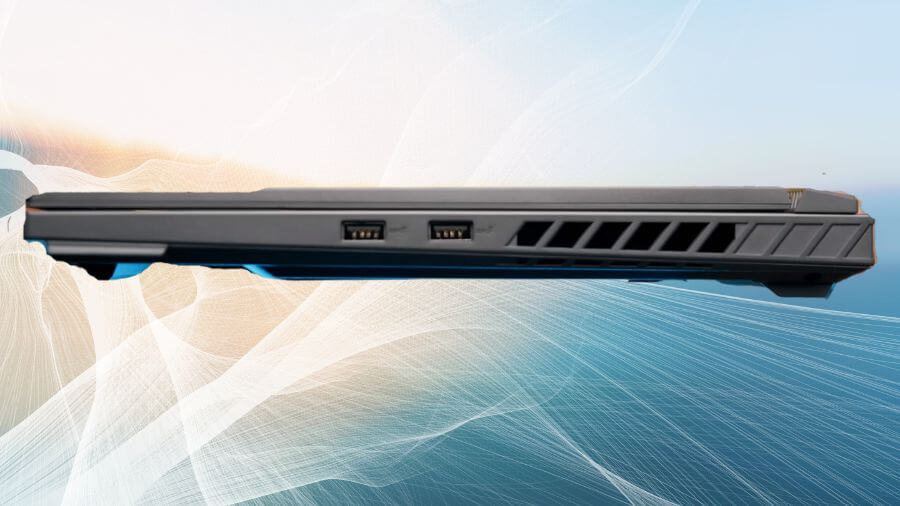
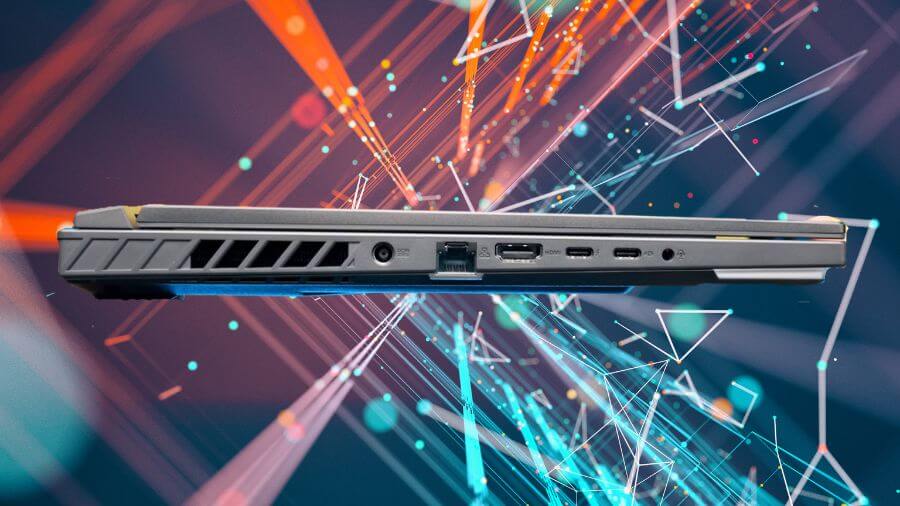
The ASUS ROG Strix G16 is mainly built as a gaming laptop, but it also works very well for interior designers who need high performance for 3D work and rendering. It focuses on power, cooling, and smooth performance, which makes it suitable for heavy design software.
This laptop comes with an Intel Core i7-14650HX processor and NVIDIA GeForce RTX 5060 GPU, which together deliver strong performance for tasks like AutoCAD, SketchUp, 3D modelling, and rendering. As shown in the product details, it also includes 16GB DDR5 RAM and a fast 1TB SSD, which helps in handling large design files and multitasking smoothly.
The 16-inch FHD+ display with a 165Hz refresh rate gives a smooth and sharp viewing experience. While it is designed for gaming, it still performs well for design work, especially for long working sessions.
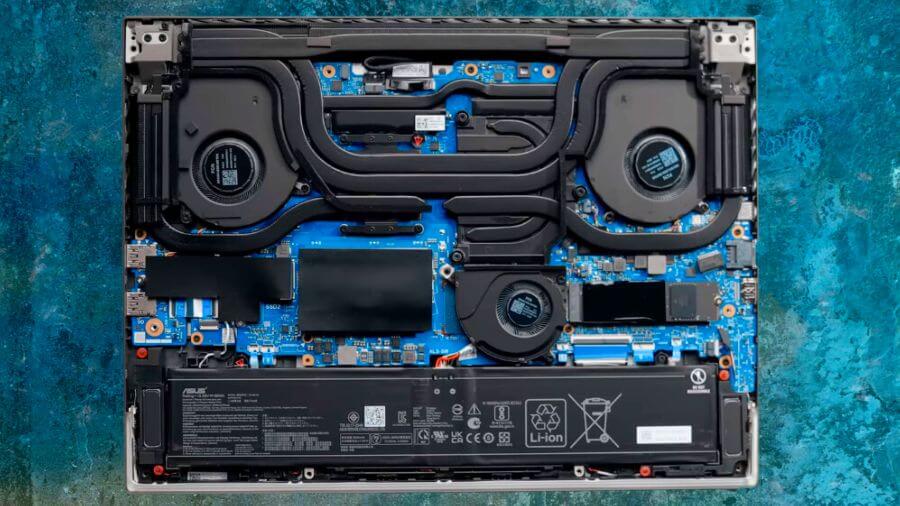
Compared to premium laptops like MacBook Pro or Dell XPS, this laptop offers much stronger GPU performance at a lower price. It is especially useful for real-time rendering and heavy projects. Also, the advanced cooling system helps maintain performance during long working hours, which is very important for designers.
However, it does have some drawbacks. The display is not as colour-accurate as professional-grade displays, which can be a limitation for precise design work. The laptop is also heavier and less portable, so it may not be ideal if you travel frequently. Battery life is average and drops quickly during heavy usage.
Overall, the ASUS ROG Strix G16 is a powerful and value-for-money laptop for interior designers who need strong performance. If your priority is speed and rendering power rather than premium design and battery life, this is a very good option.
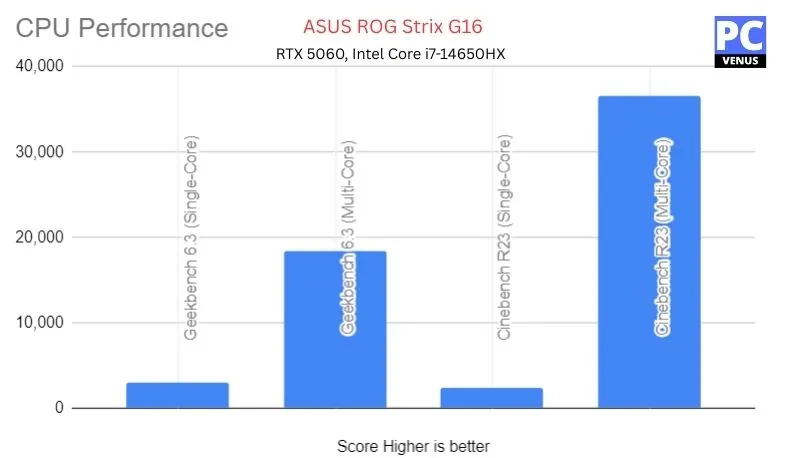
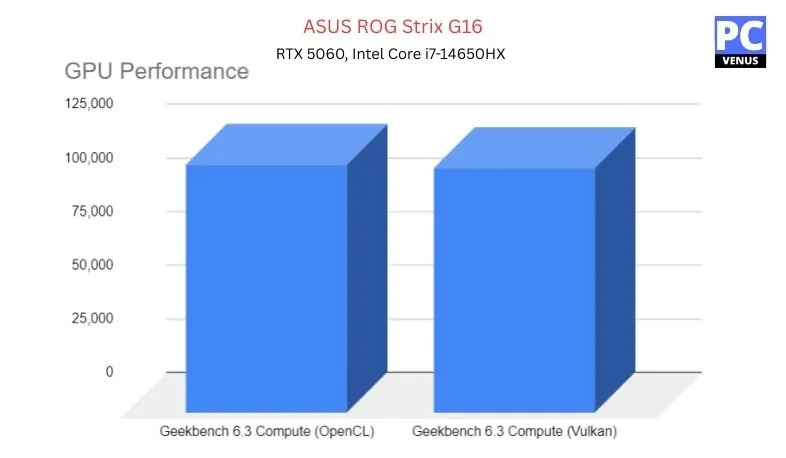
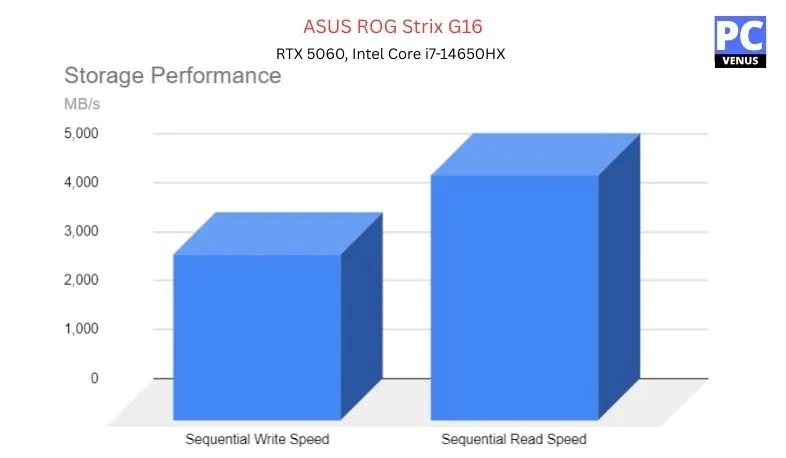
Benchmarks Test – ASUS ROG Strix G16
| Category | Test | Score/Result |
|---|---|---|
| CPU (Intel Core i7-14650HX) | Geekbench 6.3 Single-Core | 2,971 |
| Geekbench 6.3 Multi-Core | 18,470 | |
| Cinebench R23 Multi-Core | 36,577 | |
| GPU (NVIDIA RTX 5060) | Geekbench 6.3 Compute (Vulkan) | 114,377 |
| Overwatch 2 (1920×1200, Ultra) | 165 FPS | |
| Shadow of the Tomb Raider (1080p, Max) | 118 FPS | |
| Storage (1TB PCIe Gen 4 SSD) | Sequential Read | ~5,000 MB/s |
| Sequential Write | ~3,400 MB/s |
Pros
✔ Very powerful performance for 3D work and rendering
✔ Strong GPU for smooth design software usage
✔ Fast and responsive overall experience
✔ Good cooling for long working sessions
✔ Value for money compared to premium laptops
Cons
✘ Heavy and not easy to carry
✘ Battery life is average
✘ Display not ideal for colour-accurate work
Also Read: ASUS ROG Strix G16
Budget laptop for design beginners
5. HP Victus 15
Key Specs
| Processor | AMD Ryzen 7 7445HS |
| Graphics | NVIDIA RTX 4050 |
| Memory | 16GB DDR5 |
| Storage | 512GB SSD |
| Display | 15.6″ FHD, 144Hz, IPS |
| Weight | 5.06 lbs (2.29 kg) |
Check Current Pricing
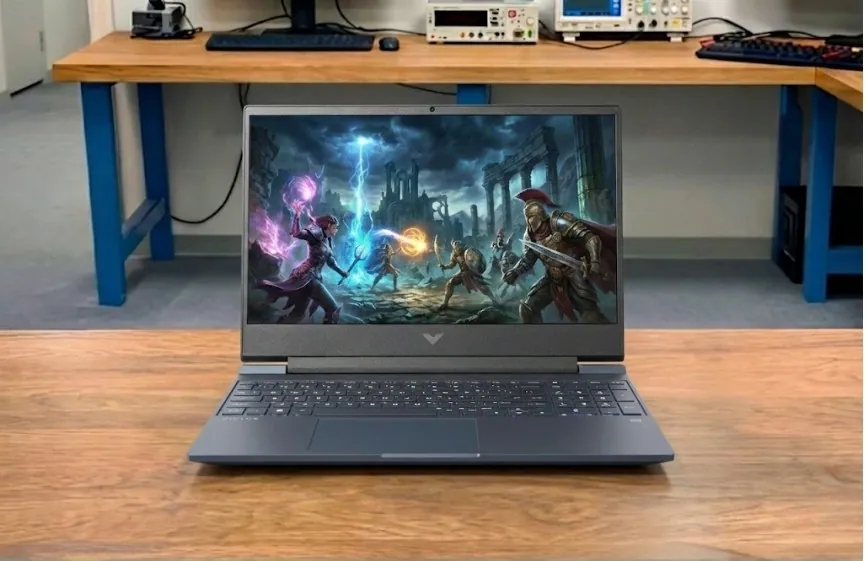
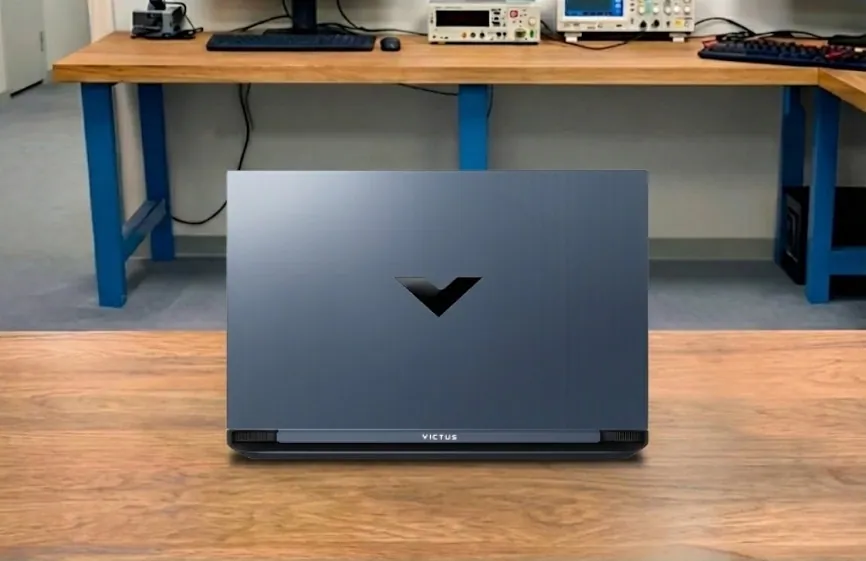
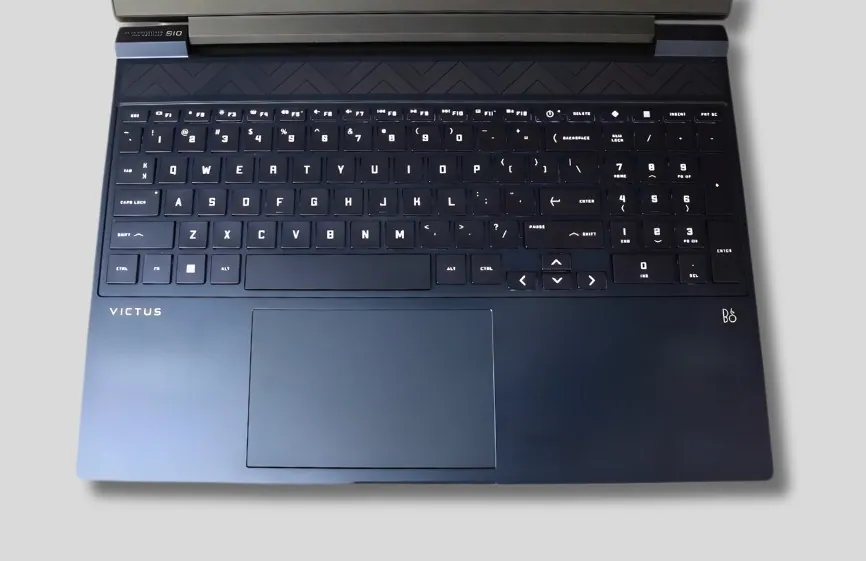
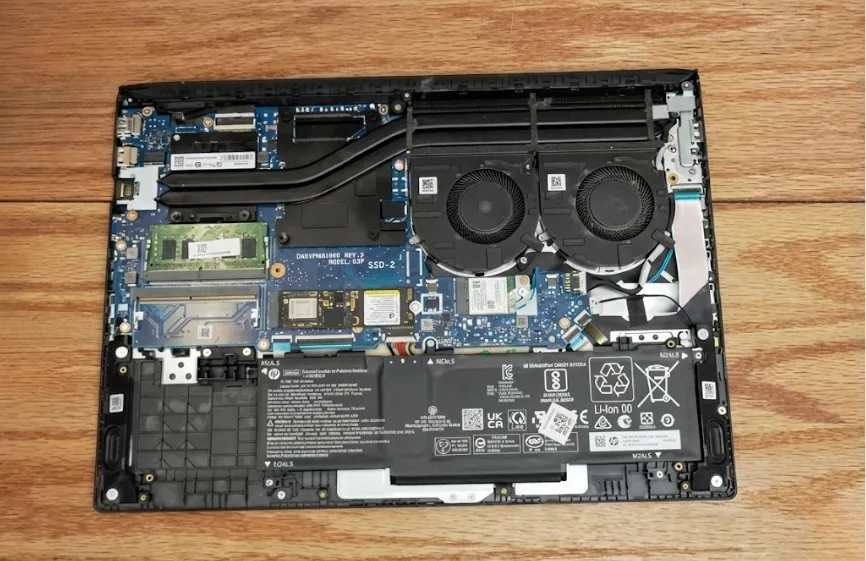
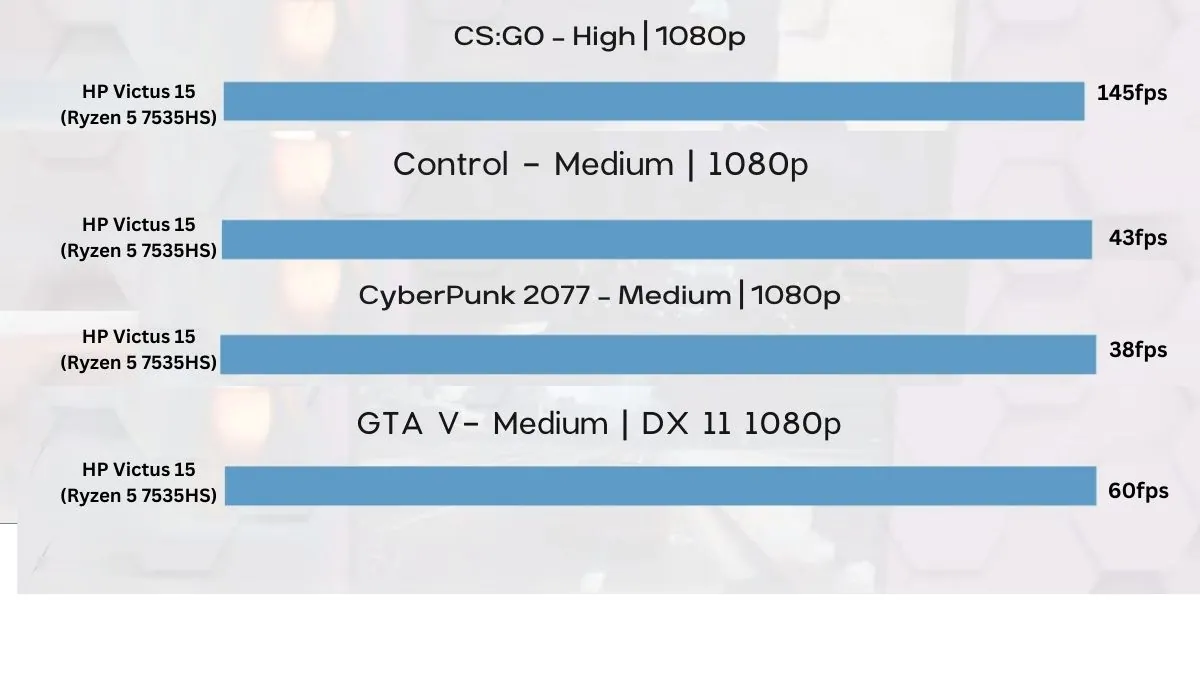
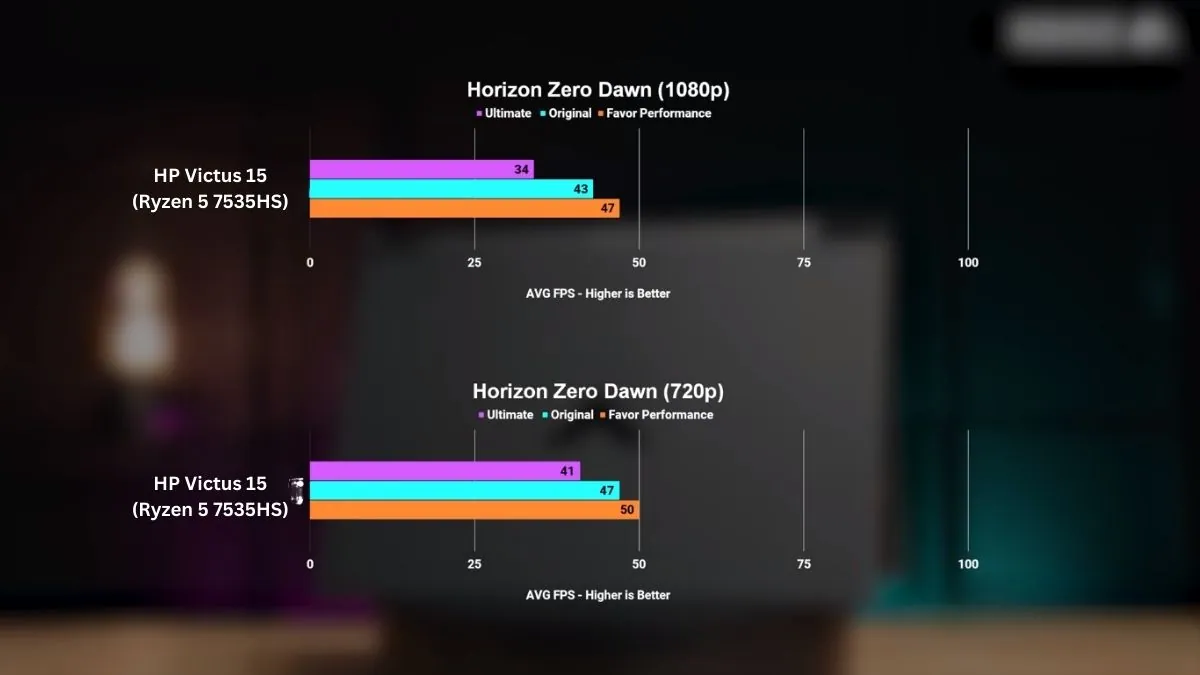
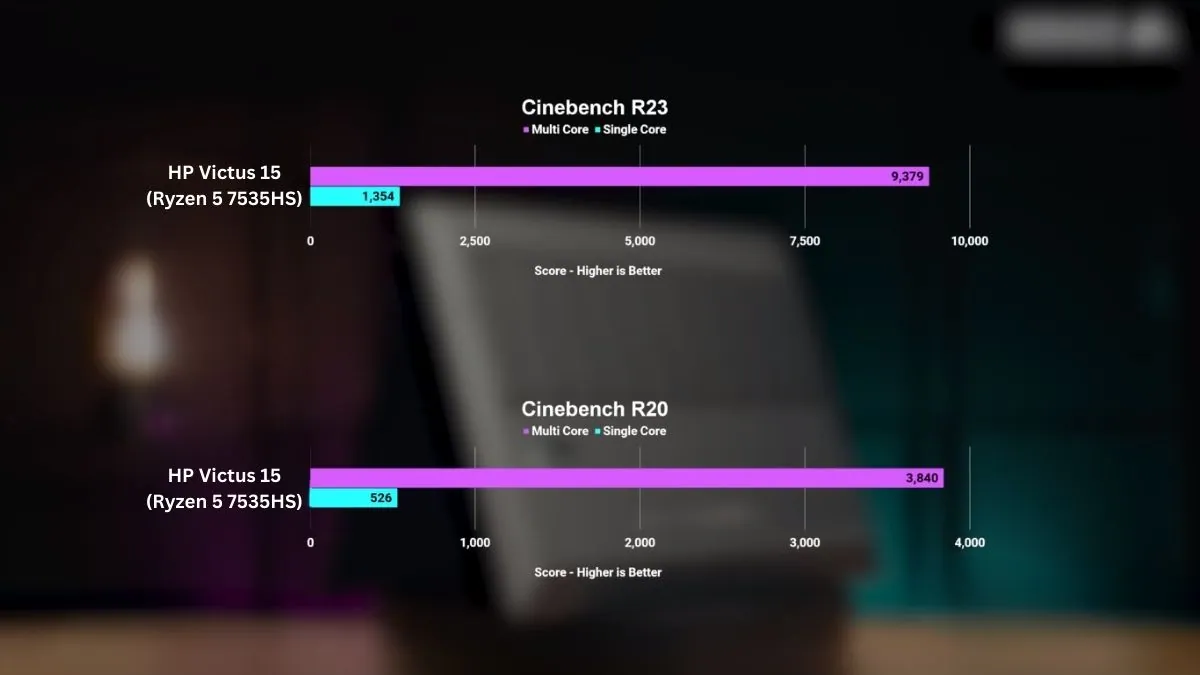
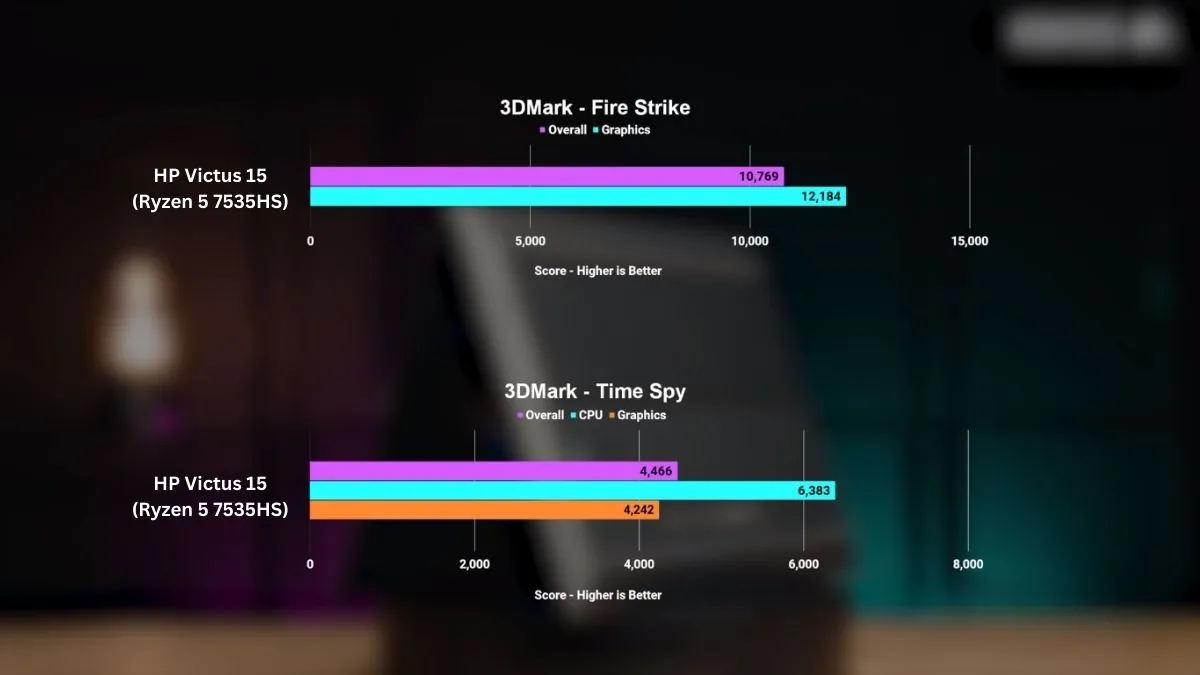
The HP Victus 15 is a budget-friendly gaming laptop that can also work well for interior designers who need decent performance for 3D work and design software. It is a good option for beginners or students who want a balance between performance and price.
This laptop comes with an AMD Ryzen 7 7445HS processor and NVIDIA GeForce RTX 4050 GPU, which provide enough power for software like AutoCAD, SketchUp, and basic rendering tasks. It also includes 16GB DDR5 RAM and 512GB SSD, which helps in multitasking and handling medium-sized design projects smoothly.
The 15.6-inch Full HD display with a 144Hz refresh rate gives a smooth experience. While it is designed for gaming, it still works well for general design work and daily usage.
Compared to premium laptops like Dell XPS or MacBook Pro, the HP Victus 15 is much more affordable while still offering good performance. It is a great entry-level choice for interior designers who are just starting or working on moderate projects.
However, there are some compromises. The display is not highly colour-accurate, which may affect professional design work. Battery life is also not very strong, especially when using heavy software. The build quality is decent but not as premium as higher-end laptops.
Overall, the HP Victus 15 is a solid budget option for interior designers who need reliable performance without spending too much. It may not be perfect for advanced professional work, but it handles everyday design tasks quite well.

Pros
✔ Good performance for beginners in design work
✔ RTX GPU helps in rendering and 3D tasks
✔ Smooth overall experience for daily use
✔ Affordable compared to premium laptops
✔ Decent multitasking capability
Cons
✘ Display not ideal for colour-accurate work
✘ Battery life is average
✘ Build quality is basic
See our full HP Victus 15 Review
Pro laptop for accurate design work
6. ASUS ProArt P16
Key Specs
| Processor | AMD Ryzen AI 9 HX 370 |
| Graphics | NVIDIA GeForce RTX 5070 |
| Memory | 32GB RAM |
| Storage | 2TB SSD |
| Display | 16-inch 3K OLED touchscreen |
| Weight | 4.0 lb (1.8 kg) |
Check Current Pricing
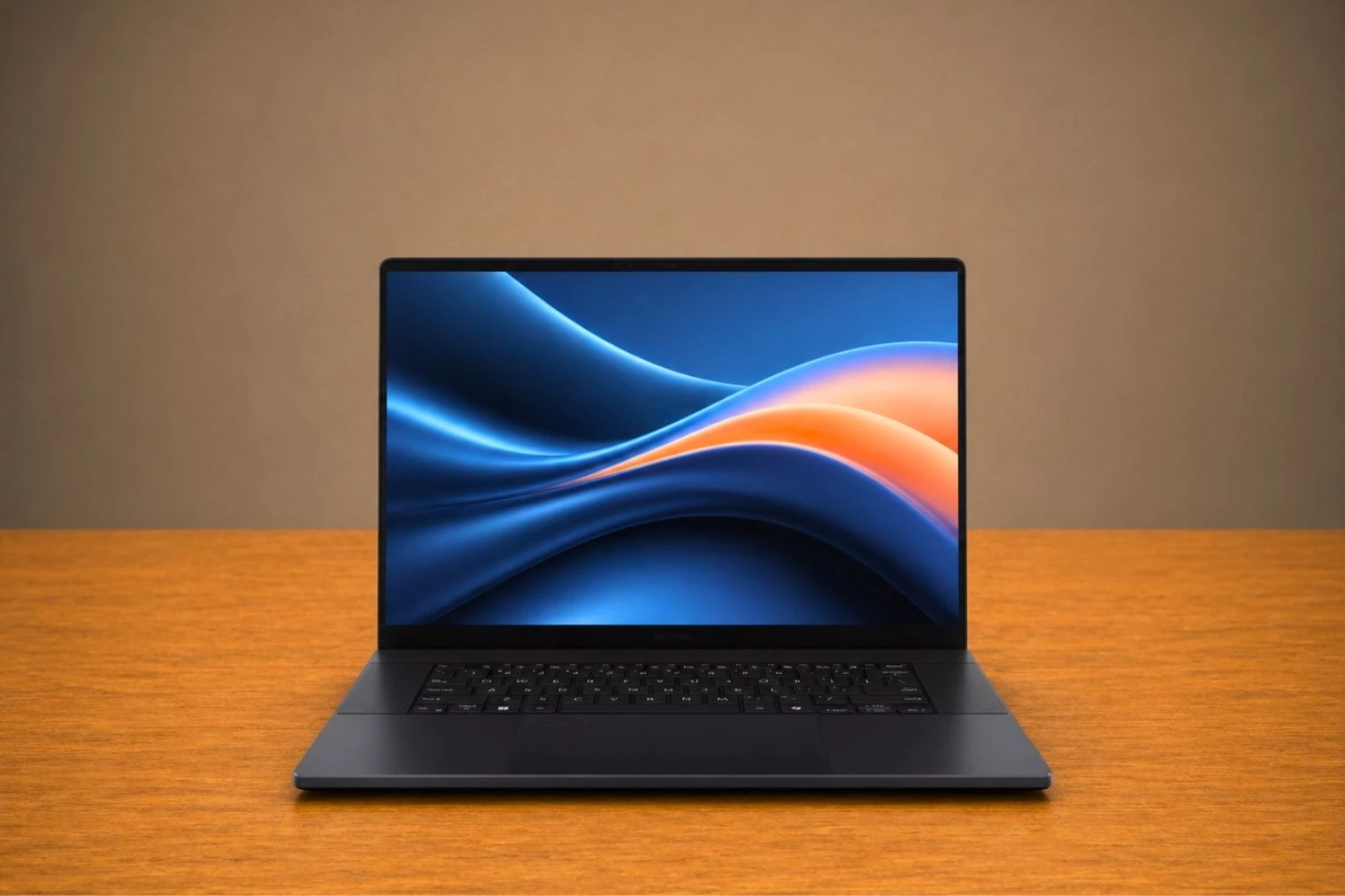
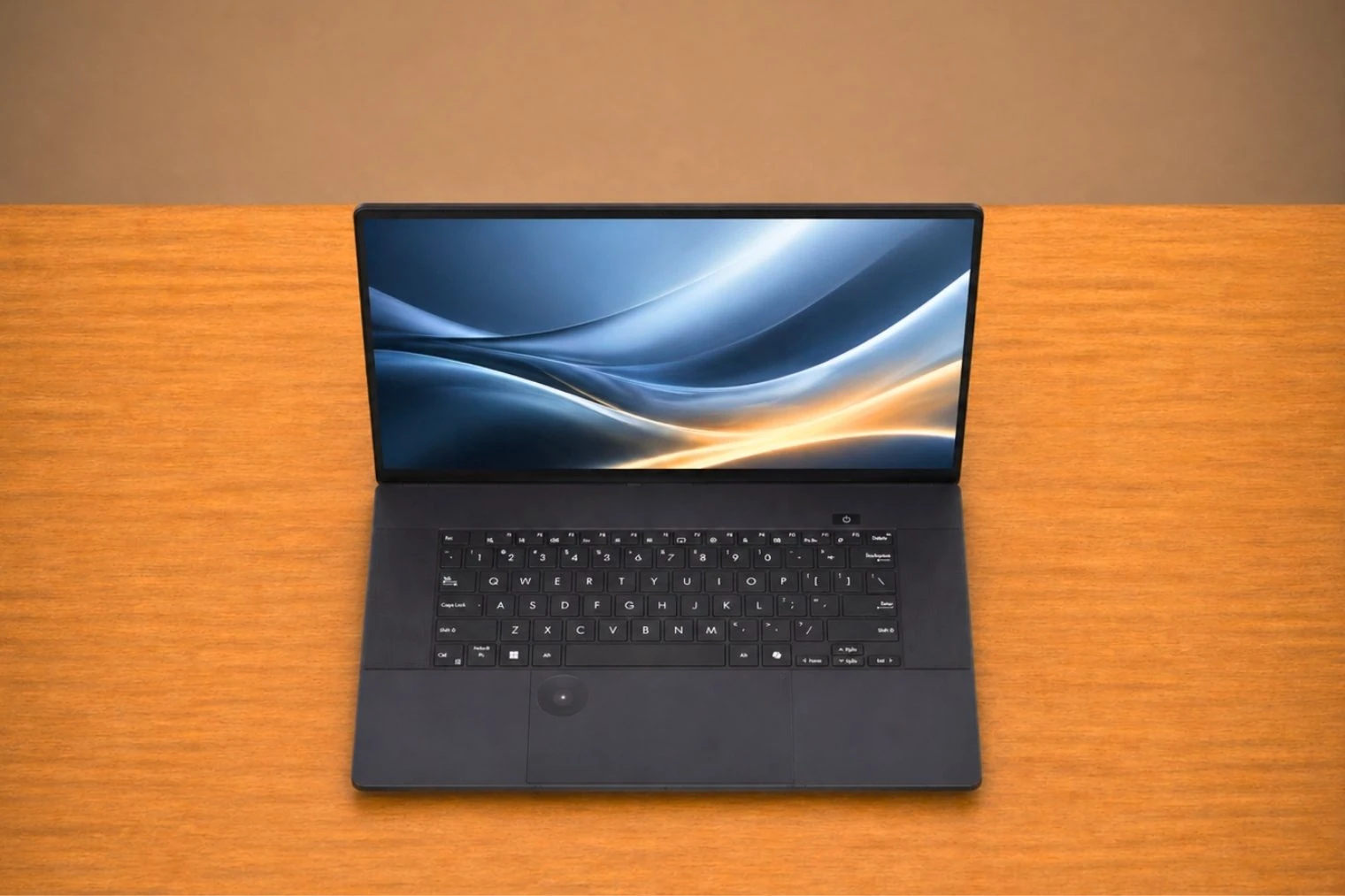
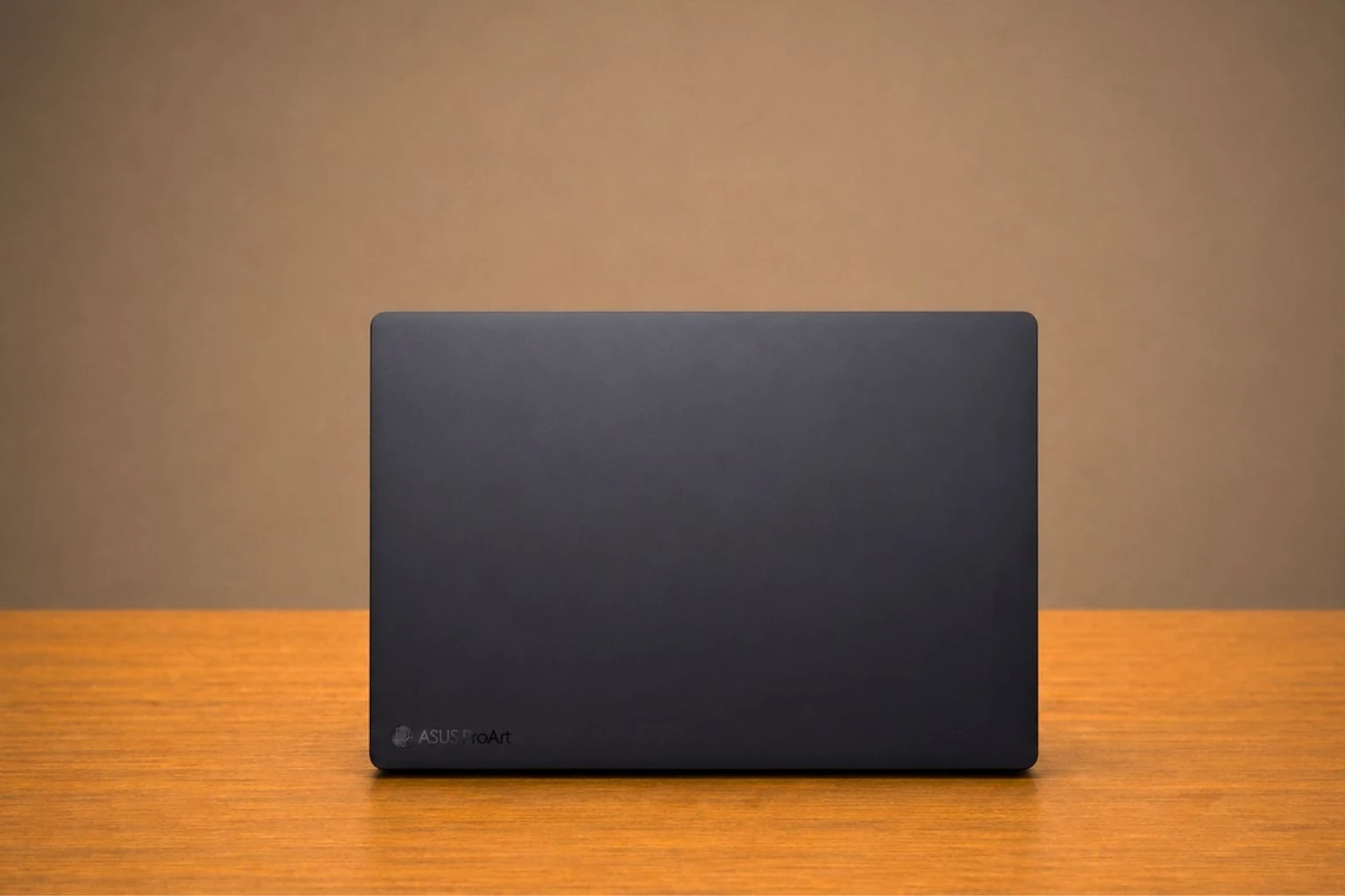
The ASUS ProArt P16 is a premium creator laptop designed specifically for professionals, making it an excellent choice for interior designers. It focuses on performance, colour accuracy, and creative tools, which are very important for design work.
This laptop is powered by the AMD Ryzen AI 9 HX 370 processor along with NVIDIA GeForce RTX 5070 graphics. This combination delivers strong performance for tasks like 3D modelling, rendering, AutoCAD, SketchUp, and other design software. It handles heavy workloads smoothly and gives fast results, which helps improve productivity.
It comes with 32GB RAM and a large 2TB SSD, so you can easily work on big projects, store large design files, and run multiple applications without any lag.
One of the biggest highlights is its 16-inch 3K OLED touchscreen display with a 120Hz refresh rate. The display offers very accurate colours, deep contrast, and sharp visuals, which are essential for interior designers who need precise and realistic outputs. The touchscreen also makes navigation and creative work more flexible.
Another useful feature is the ASUS DialPad, which helps in controlling creative tools easily. It makes tasks like editing, zooming, and adjustments faster and more efficient, especially for professionals working on detailed designs.
Compared to gaming laptops, this laptop is better suited for creative work because of its colour-accurate display and professional features. Compared to premium laptops like MacBook Pro or Dell XPS, it offers both strong GPU performance and excellent display quality, making it a well-balanced option.
However, there are some downsides. The laptop is quite expensive, which may not be ideal for beginners or budget users. It is also slightly heavy compared to thin laptops, so portability is not the best. Battery life is decent but can drop during heavy design or rendering work.
Overall, the ASUS ProArt P16 is a powerful and professional laptop that is perfect for interior designers who need high performance, accurate visuals, and advanced creative features.
Pros
✔ Excellent colour-accurate OLED display
✔ Very powerful for 3D design and rendering
✔ Handles heavy projects smoothly
✔ Useful creative tools for professionals
✔ Large storage and memory
Cons
✘ Expensive
✘ Slightly heavy
✘ Battery life average under heavy use
Powerful laptop for heavy rendering
7. MSI Katana 15 HX
Key Specs
| Processor | Intel Core i9-14900HX |
| Graphics | NVIDIA Geforce RTX 5070 |
| Memory | 32 GB DDR5 |
| Storage | 1TB SSD |
| Display | 15.6” 165Hz QHD+ |
| Weight | 4.96 lbs (2.25 kg) |
Check Current Pricing
The MSI Katana 15 HX is a performance-focused gaming laptop that can also work well for interior designers who need strong hardware for heavy design tasks. It is built for power, speed, and cooling, which makes it capable of handling demanding software like AutoCAD, SketchUp, Blender, and rendering tools.
This laptop is powered by a high-end Intel Core i9-14900HX processor along with NVIDIA GeForce RTX 5070 graphics, which deliver excellent performance for 3D modelling and rendering. It also comes with 32GB DDR5 RAM and a fast NVMe SSD, so working on large design files and multitasking feels smooth and responsive.
The 15.6-inch QHD+ display with a 165Hz refresh rate gives sharp visuals and smooth performance. While it is designed mainly for gaming, it still provides a good experience for design work, especially for long working sessions and detailed projects.
This laptop is good for interior designers mainly because of its powerful GPU and processor. It can handle heavy rendering, real-time previews, and complex 3D scenes much faster than normal laptops. Also, its cooling system helps maintain performance during long working hours, which is very important for professional use.
Compared to premium laptops like MacBook Pro or Dell XPS, the MSI Katana 15 HX offers much stronger raw performance at a lower price. It is especially useful for designers who focus more on performance than premium build or display quality.
However, there are some drawbacks. The display is not as colour-accurate as professional creator laptops, which can be a limitation for precise design work. The laptop is also bulky and heavy, so it is not very portable. Battery life is average and drops quickly during heavy usage, meaning it is better used while plugged in.
Overall, the MSI Katana 15 HX is a powerful and value-for-money laptop for interior designers who need strong performance for 3D work and rendering. It may not be the best in terms of portability or colour accuracy, but it delivers excellent power for the price.
Pros
✔ Very powerful performance for 3D and rendering
✔ Strong GPU for heavy design software
✔ Smooth multitasking with high RAM
✔ Good cooling for long working sessions
✔ Better performance value than premium laptops
Cons
✘ Display not colour-accurate for professional work
✘ Heavy and bulky
✘ Battery life is average
Top performance for advanced design
8. Lenovo Legion Pro 7i Gen 10
Key Specs
| Processor | Intel Core Ultra 9 275HX |
| Graphics | NVIDIA RTX 5070 Ti |
| Memory | 32GB DDR5 |
| Storage | 1TB SSD |
| Display | 16-inch WQXGA, 240Hz |
| Weight | 5.7 lbs (2.6 kg) |
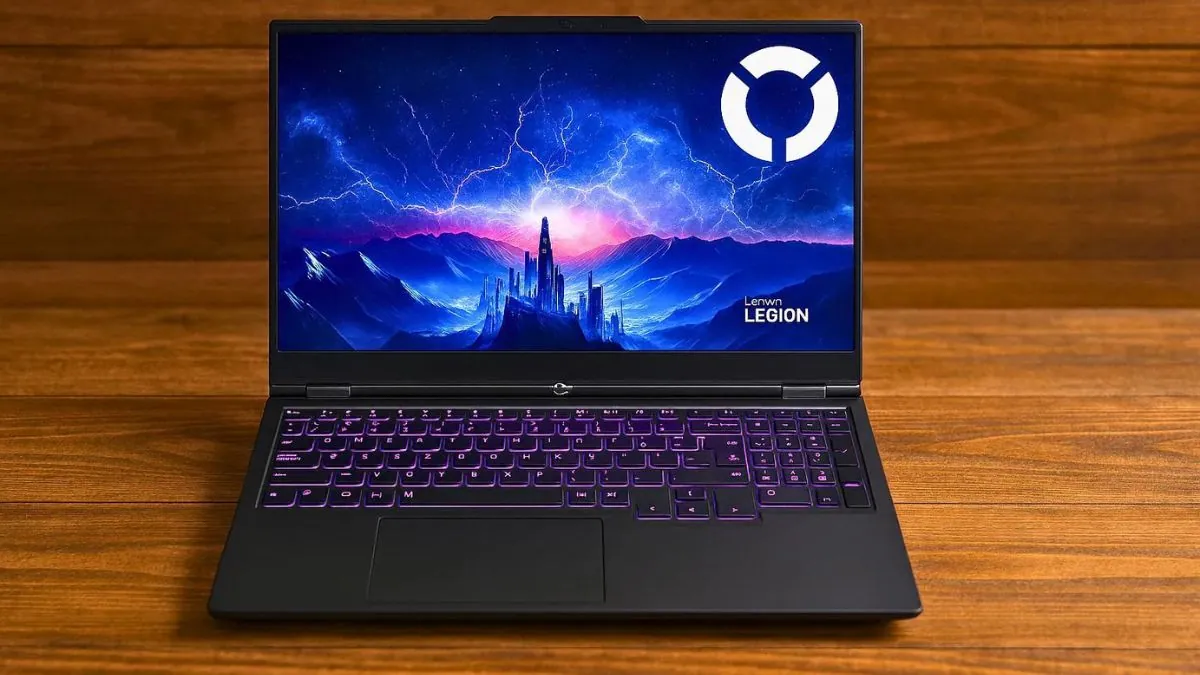
The Lenovo Legion Pro 7i Gen 10 is a high-end gaming laptop that also works extremely well for interior designers who need strong performance for heavy design and rendering work. It is built like a desktop replacement, focusing on power, display quality, and cooling.
This laptop is powered by the Intel Core Ultra 7 255HX processor and NVIDIA GeForce RTX 5070 Ti graphics, which provide excellent performance for tasks like 3D modelling, AutoCAD, SketchUp, and rendering. It also comes with 32GB RAM and 2TB SSD, so you can easily handle large projects and run multiple heavy applications without any slowdown.
One of the biggest highlights is its 16-inch OLED display with high resolution and a 240Hz refresh rate. The display offers deep contrast, sharp details, and very good colour quality, which is important for interior designers who need accurate visuals and realistic outputs.
This laptop is good for interior designers mainly because of its powerful GPU and high-end processor. It can handle complex 3D scenes, real-time rendering, and heavy multitasking very smoothly. Also, the advanced cooling system keeps performance stable during long working sessions.
Compared to laptops like MacBook Pro or Dell XPS, this laptop offers much higher raw performance, especially in GPU-intensive tasks. It is a great choice for designers who focus on speed and rendering performance.
However, there are some disadvantages. The laptop is quite heavy and bulky, so it is not ideal for portability. Battery life is average and drops quickly during heavy usage, so it is better used while plugged in. Also, while the OLED display is good, it may not be as colour-calibrated as some professional creator laptops out of the box.
Overall, the Lenovo Legion Pro 7i Gen 10 is a powerful and reliable laptop for interior designers who need strong performance for 3D work and rendering. It is best suited for users who prioritise performance over portability.
Pros
✔ Extremely powerful for 3D design and rendering
✔ High-quality OLED display with sharp visuals
✔ Smooth multitasking with large RAM
✔ Strong cooling for long sessions
✔ Great performance compared to price
Cons
✘ Heavy and less portable
✘ Battery life is average
✘ Not fully colour-calibrated for professional work
Read Lenovo Legion Pro 7i Gen 10: Full Specifications and Benchmarks
Quick Comparison: Best Laptops for Interior Designers in 2026
| Laptop | Processor (CPU) | Graphics (GPU) | RAM | Display | Battery Life | Best For |
|---|---|---|---|---|---|---|
| Apple MacBook Pro M5 | Apple M5 (10-core) | Apple 10-core GPU | 16 GB | 14.2″ Liquid Retina XDR (3024×1964, 120Hz) | Up to 20–24 hrs | Professionals, Creative Work |
| Dell XPS 16 | Intel Core Ultra 7 355 | Intel Arc Graphics | 16 GB | 16.3″ 3K (120Hz, 500 nits) | 10–12 hrs | Premium Design + Multitasking |
| Acer Nitro V 16S AI | AMD Ryzen 7 260 | NVIDIA RTX 5060 | 32 GB DDR5 | 16″ WUXGA, 165Hz | 6–8 hrs | 3D Design, Rendering |
| ASUS ROG Strix G16 | Intel Core i7-14650HX | NVIDIA RTX 5060 | 16 GB DDR5 | 16″ QHD, 165Hz | 6–7 hrs | Heavy 3D Work + Gaming |
| HP Victus 15 | AMD Ryzen 7 7445HS | NVIDIA RTX 4050 | 16 GB DDR5 | 15.6″ FHD, 144Hz | 5–7 hrs | Budget 3D Work, Students |
| ASUS ProArt P16 | AMD Ryzen AI 9 HX 370 | NVIDIA RTX 5070 | 32 GB RAM | 16″ 3K OLED Touch (120Hz) | 7–9 hrs | Professional Designers |
| MSI Katana 15 HX | Intel Core i9-14900HX | NVIDIA RTX 5070 | 32 GB DDR5 | 15.6″ QHD+, 165Hz | 5–6 hrs | High-End Rendering |
| Lenovo Legion Pro 7i Gen 10 | Intel Core Ultra 9 275HX | NVIDIA RTX 5070 Ti | 32 GB DDR5 | 16″ WQXGA, 240Hz | 6–8 hrs | Advanced 3D + AI Work |
Which Laptop Fits You Best? Let’s Break It Down.
Not every interior designer uses the same tools—or works the same way. Some are learning the ropes, others are deep into client projects, and many are balancing performance needs with a tight budget.
Here’s a down-to-earth guide to help you choose based on how you actually work.
For Students or Beginners Learning the Craft
If you’re just starting out—maybe in school or taking your first freelance gig—you don’t need top-of-the-line specs. But you do need a laptop that won’t freeze up when you open AutoCAD, SketchUp, or Photoshop.
What matters most:
- Decent battery life to last through class or studio sessions
- A lightweight design that’s easy to carry
- Enough RAM (at least 8–16 GB) to multitask smoothly
- A sharp display to work on design details comfortably
Examples: ASUS ProArt P16, HP Victus 15, Dell XPS 16
For Professionals or Full-Time Freelancers
If you’re running client projects, juggling large files, or diving into 3D rendering—performance should be your priority. A sluggish system will cost you time (and possibly your patience).
Look for:
- A fast processor (Intel i7 or Apple M-series chips)
- A dedicated graphics card (like NVIDIA RTX) to handle rendering
- At least 16 GB RAM (or even 32 GB for complex work)
- A color-accurate, high-resolution screen for reviewing your designs
Best picks: Apple MacBook Pro M5, ASUS ROG Strix G16, Acer Nitro 16S AI
For Designers on a Budget
You might not be able to afford a high-end machine—but that doesn’t mean you have to compromise too much. Many affordable laptops can run design software just fine, especially for 2D projects or early-stage 3D work.
What you need:
- A recent Intel i5 or AMD Ryzen 5 processor
- 8–16 GB RAM to handle daily tasks
- SSD storage for fast boot and load times
- A full HD screen that’s easy on the eyes
Great options: Lenovo Legion Pro 7i Gen 10, HP Pavilion 15
Mac vs Windows: Which Is Better?
This depends on the tools you use most. Here’s a quick breakdown:
- MacBooks are great for creatives using Adobe Creative Cloud. The display is top-notch, and battery life is impressive. But some design tools (like Revit) aren’t Mac-compatible.
- Windows laptops support a wider range of interior design software like Revit, Lumion, and Rhino. They also offer more options across different budgets.
Choose Mac if you're mostly using Adobe tools.
Choose Windows if you’re diving into architecture, BIM, and rendering-heavy work.
How to Choose a Laptop for Interior Designer
For interior design, laptops always require powerful processors, such as the latest generation Intel Core i5 and i7, or Ryzen 5 or Ryzen 7 with multi-core architecture.
Interior design software consumes a lot of RAM due to processing large design files. Be sure to aim for a laptop with 8GB of memory to handle final design-related files. If your laptop or computer has 16GB of RAM or more, you will be able to run multiple programs simultaneously efficiently.
Having a dedicated graphics card is a must to run 3D modeling, rendering, and other graphics-intensive tasks. An interior designer’s laptop should have at least 2GB of VRAM, such as NVIDIA GeForce GTX, RTX series AMD Radeon RX, or Intel ARC series GPU.
Choose an SSD as your laptop’s primary storage because traditional HDDs are very slow. Laptops should have at least a 256GB SSD, which can significantly increase the overall speed of interior design-related software.
If the laptop has a 512 GB or more SSD, then you can save larger interior designer files.
If you have 1 TB or more SSD storage in your laptop, you will have a few problems in the next 3 to 4 years, and If you want more, you can also add external ones.
Software Compatibility: Can These Laptops Run Interior Design Software?
When choosing a laptop for interior design, it’s not enough to look at specs—you need to ensure it can smoothly run industry-standard design software used by professionals and students alike.
Whether you’re drafting, rendering, modeling, or presenting, these laptops are built to handle demanding tools such as:
- AutoCAD – for 2D/3D drafting and architectural detailing
- SketchUp – for 3D modeling, conceptual design, and space planning
- Adobe Creative Cloud (Photoshop, Illustrator, InDesign) – for visual presentations and image editing
- Revit – for BIM modeling and structural planning
- Lumion, V-Ray, Rhino, 3ds Max – for 3D rendering and realistic visualizations
- Blender, Enscape, Twinmotion – for animation and walkthroughs
Software Compatibility Overview
| Software | Minimum Recommended Specs | Compatible Laptops |
|---|---|---|
| AutoCAD | i5/Ryzen 5, 8GB RAM, basic GPU | All laptops listed |
| SketchUp | i5/Ryzen 5, 8GB RAM, integrated/dedicated GPU | All laptops listed |
| Adobe Photoshop/Illustrator | 8–16GB RAM, Integrated/Dedicated GPU | All laptops listed |
| Revit | i7/Ryzen 7, 16GB RAM, Dedicated GPU | MacBook Pro M4, ASUS ROG Strix G16, Acer Nitro 16S AI, Pavilion 15 |
| Lumion / V-Ray | i7/Ryzen 7, RTX or High-end GPU | Acer Nitro 16S AI, ASUS ROG Strix G16 |
| Rhino / 3ds Max | i7/Ryzen 7, 16GB RAM, NVIDIA GPU | ASUS ROG Strix G16, Acer Nitro 16S AI, MacBook Pro M4 |
| Blender / Enscape | 16GB RAM, Dedicated GPU | ZenBook 14 OLED, Acer Nitro 16S AI, ASUS ROG Strix G16, MacBook Pro M4 |
???? Note: All laptops listed here (Windows and macOS) are suitable for interior designers, architects, and students working with professional design software.
Final Words
Now that you know what to look for in a laptop for interior design, what’s next? We’ve got you covered in almost everything, such as:
The interior designer wants a laptop with the best performance and storage for their budget.
Designers want a laptop with the best graphics card and storage for their budget, right?
Lastly, if your budget is limited, you can consider using an affordable laptop like the Lenovo Ideapad, or HP Pavilion.
If budget is not a concern, then opt for a premium option like the Apple MacBook or a high-performance gaming laptop such as the ASUS ROG Strix G16 and Acer Nitro 16S AI.
For students and professionals on the go, a portable and lightweight laptop would be the better choice. In our list, the ASUS ProArt P16, HP x360, and Dell XPS 16 stand out as the best notebooks for interior design students.
Have you managed to select a suitable design laptop within your budget?
If not, please share in the comment box below why you couldn’t.
I hope this article has addressed all your doubts about interior design.
Thank you for reading. If you found the article helpful, don’t forget to share it with your friends and family.
Frequently Asked Questions (FAQs)
Q1. Do I need a dedicated GPU for interior design?
Yes, for smooth performance in 3D rendering and tools like Revit, SketchUp, or Lumion, a dedicated GPU is essential.
Q2. Is Mac or Windows better for interior designers?
Both work well. MacBooks offer great displays and battery life, while Windows laptops provide more configuration flexibility.
Q3. Can I use a Chromebook for interior design?
Chromebooks aren’t ideal for running heavy design tools like AutoCAD or Revit. They’re better for basic tasks like documentation and presentations.
Q4. How much RAM is good for interior design work?
At least 8 GB RAM is recommended. For multitasking and rendering, 16, 32 GB is better.
Q5. Are touchscreen laptops helpful for interior design?
Yes, they help with sketching and precision-based tools if they support styluses or pens.