
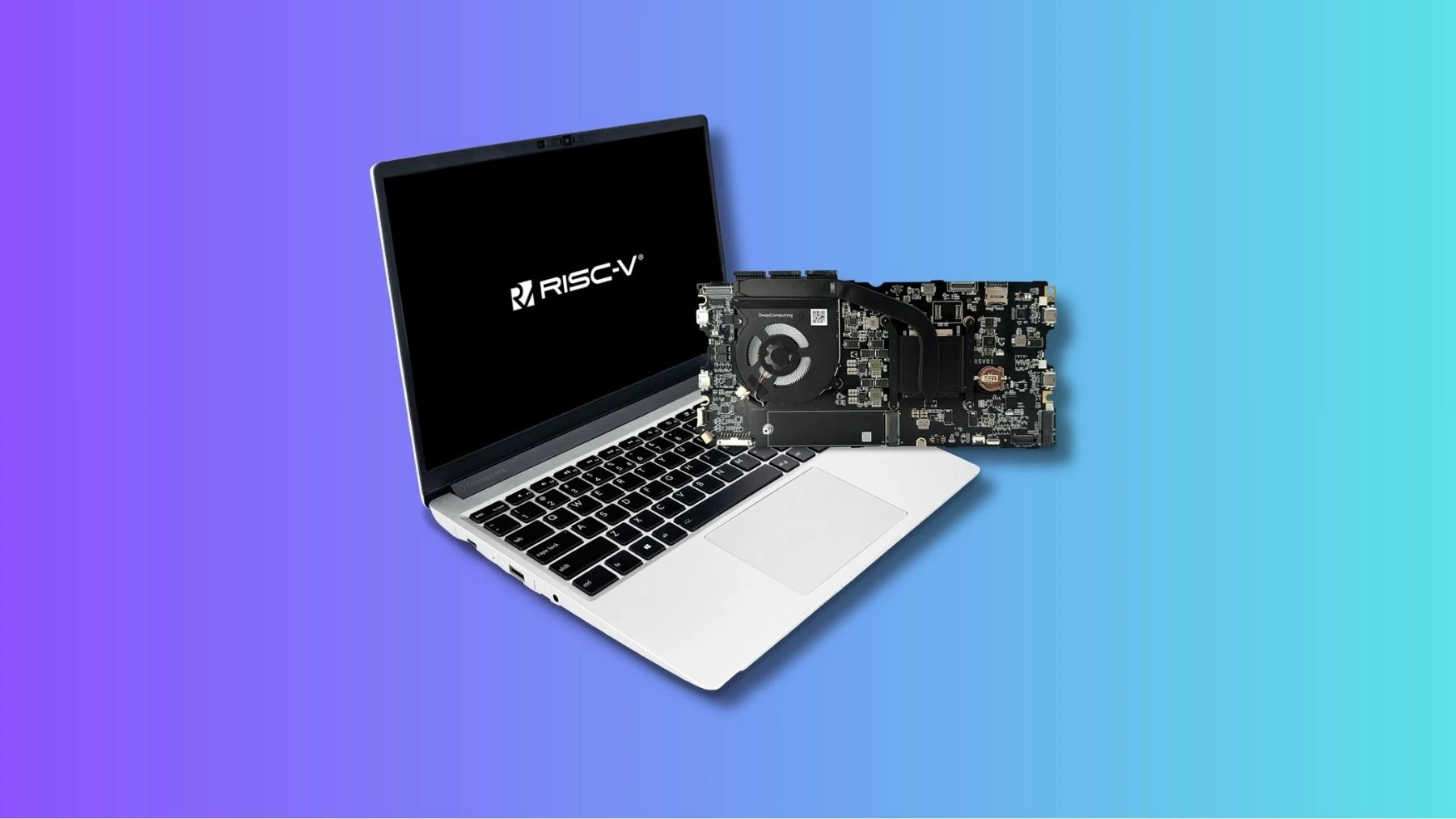
DeepComputing has opened preorders for the DC-ROMA RISC-V Mainboard III built for the Framework Laptop 13. The board pairs an 8-core SpacemiT K3 processor with up to 60 TOPS AI performance, giving developers a modular RISC-V laptop platform focused on Linux and open-source development. Pricing starts at $699 through DeepComputing’s online store.
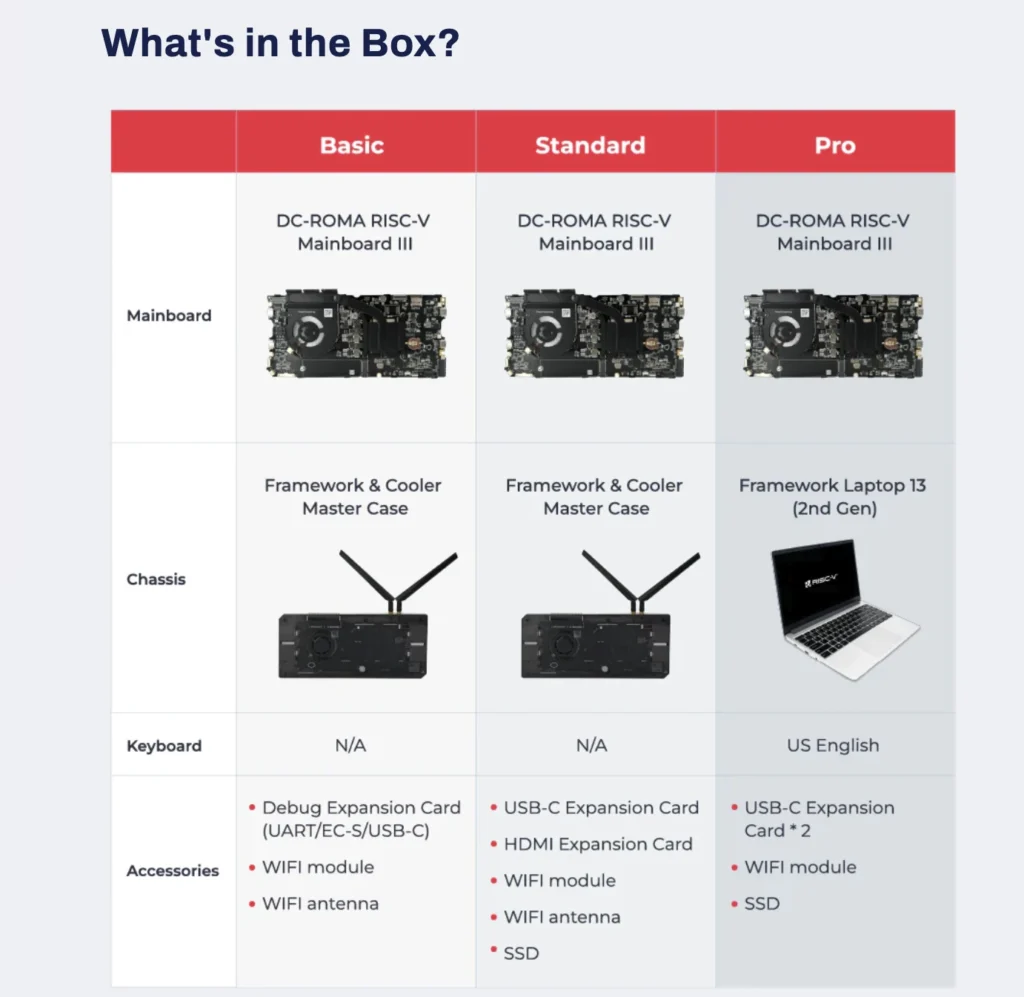
The DC-ROMA Mainboard III fits directly into the Framework Laptop 13 chassis, allowing existing Framework owners to swap from x86 hardware to RISC-V without replacing the entire laptop through the same modular approach used in the Framework Laptop 13 ecosystem. Users can keep the same display, keyboard, battery, expansion cards, ports, and outer shell while changing the mainboard itself.
Powering the board is the SpacemiT K3 AI SoC, which DeepComputing describes as the first RISC-V processor supporting the RVA23 profile standard. The chip features eight CPU cores running up to 2.5GHz together with AI acceleration hardware rated for up to 60 TOPS.
RVA23 support is an important step for RISC-V laptops because it creates a more standardized software target across Linux distributions and applications used in TUXEDO Gemini 17 Gen 4. One of the long-running problems around RISC-V hardware has been inconsistent compatibility between platforms, especially for developers working with lower-level software and drivers.
DeepComputing is targeting Linux developers, AI researchers, open-source contributors, and software engineers rather than mainstream Windows buyers. Ubuntu and Fedora support are planned first, with additional Linux-based operating systems expected later alongside devices like TUXEDO InfinityBook Max 16 Gen 10.
Framework compatibility remains one of the board’s biggest advantages. Developers can switch between traditional x86 hardware and the DC-ROMA board inside the same modular Framework Laptop 13 chassis. That flexibility keeps the repairability and upgrade options already associated with Framework laptops.
Most RISC-V hardware over the last few years has focused on compact developer boards, embedded devices, or experimental kits with limited upgrade support. Pairing the architecture with Framework hardware gives developers a much more practical laptop platform for Linux testing, software development, and AI experimentation.
DeepComputing highlighted ongoing progress around Linux support, graphics acceleration, software tooling, and AI frameworks for the broader RISC-V ecosystem. Software maturity still trails AMD, Intel, Apple, Qualcomm, and ARM laptop platforms, but developer interest around open instruction set hardware continues growing steadily.
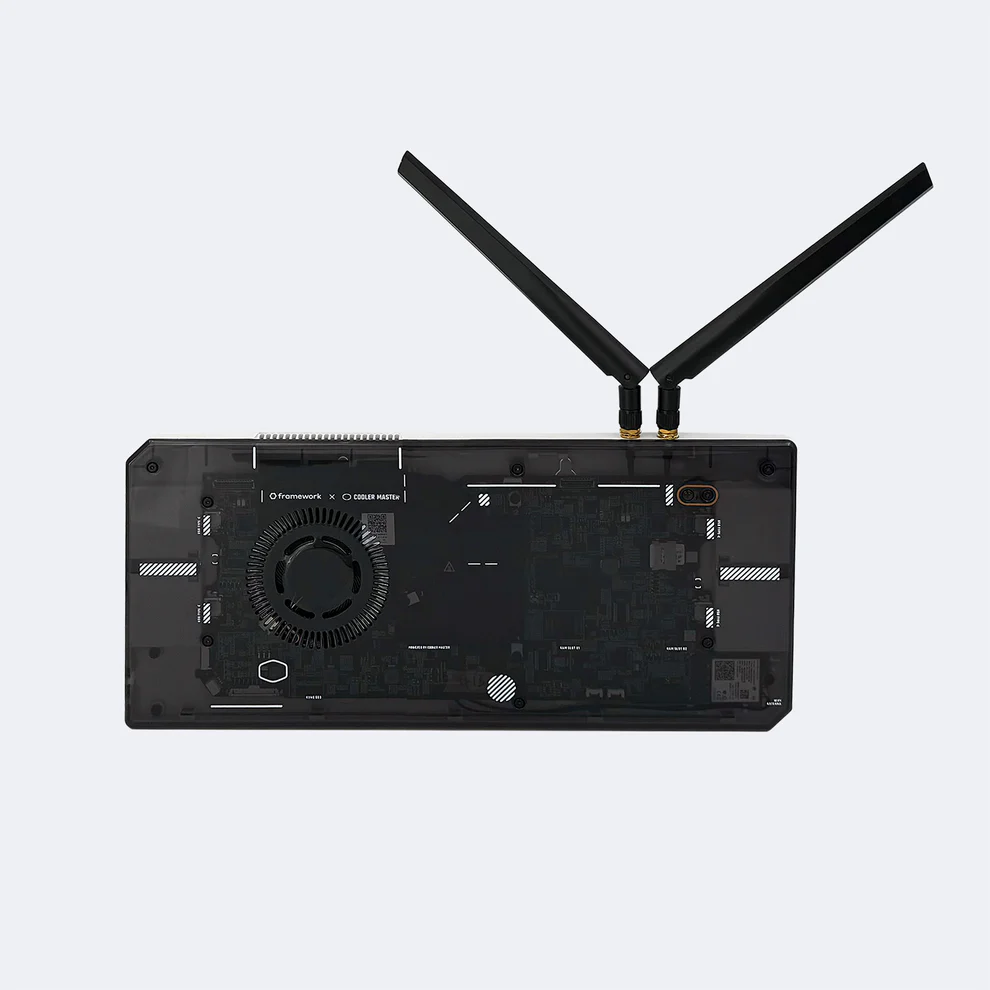
Unlike most laptop announcements centered on gaming or consumer hardware, the DC-ROMA Mainboard III focuses heavily on openness, repairability, and architecture-level development work. RISC-V itself is based on an open instruction set architecture, giving developers and hardware vendors more freedom compared to proprietary CPU platforms.
DeepComputing currently lists the DC-ROMA RISC-V Mainboard III for preorder starting at $699, though final shipping timelines have not yet been confirmed.
Sources: DeepComputing, (DeepComputing Store)