
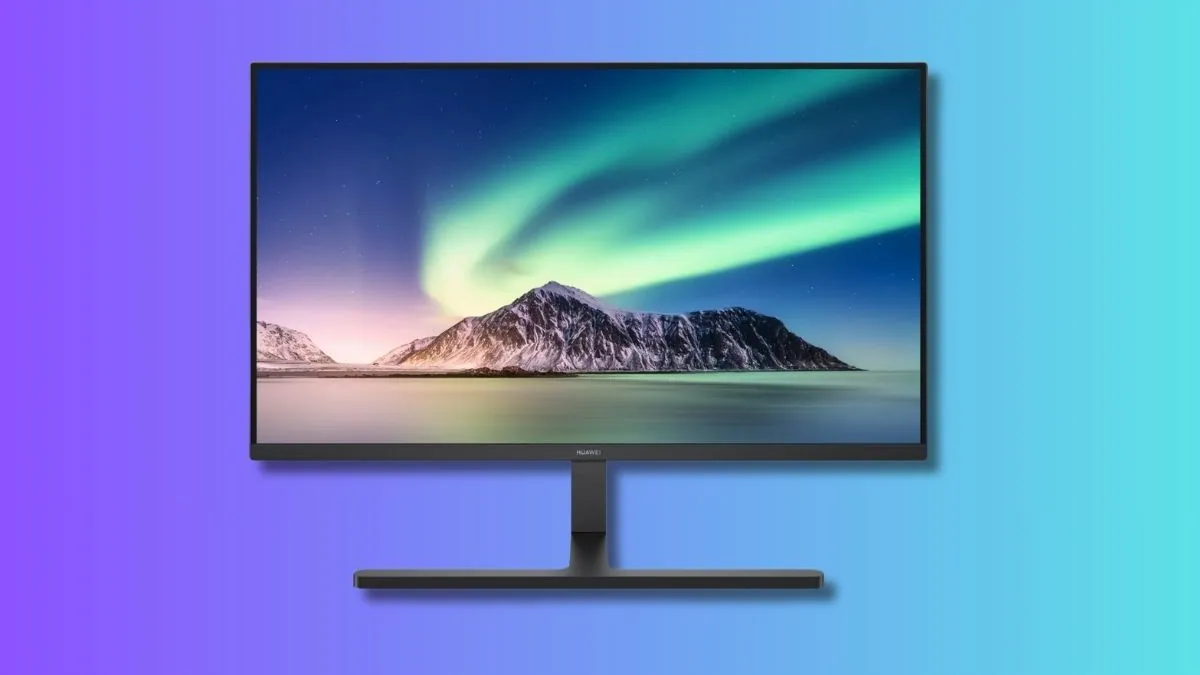
Huawei introduced the Qingyun M273U with a 27-inch 4K 160Hz IPS panel, optional Soft Light display technology, dual-mode 1080p 320Hz support, and up to 100W USB-C charging. The new monitor targets office setups, creative work, coding, and multi-device desktop environments while combining high-refresh gaming-class hardware with productivity-focused features.
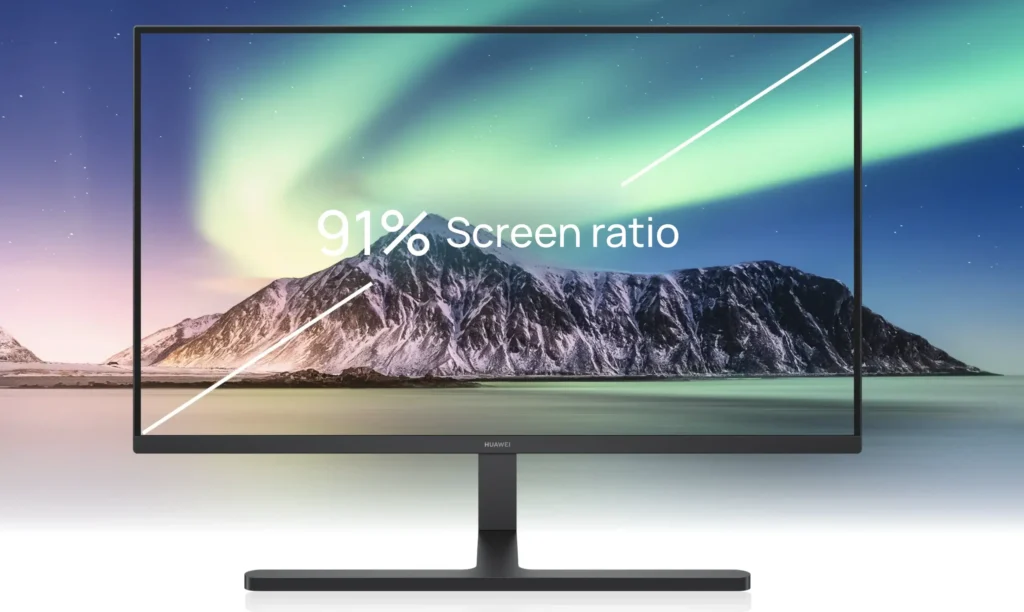
The display features a 3840 × 2160 resolution alongside a 91% screen-to-body ratio and support for HDR Vivid content, matching the direction of newer panels featured in the AOC AGON Pro AG326UZD2. Huawei rates the panel for 95% DCI-P3 coverage, full 100% sRGB coverage, Delta E<2 color accuracy, and support for 1.07 billion colors. Brightness reaches 450 nits typical, while viewing angles extend to 178 degrees.
The monitor can switch between native 4K 160Hz output and a 1920 × 1080 mode running at 320Hz directly through the OSD menu, a feature category recently expanded by the TCL CSOT 640Hz dual-mode panel. Dual-mode support like this has become increasingly popular among high-end gaming displays, though it remains uncommon in office-oriented monitors.
Huawei is offering two versions of the M273U. The higher-end Soft Light Edition adds the company’s “Cloud Clear Soft Light” screen layer designed to reduce glare and reflections from windows or office lighting while preserving image sharpness. The display already carries TÜV Rheinland certifications covering hardware-level low blue light and flicker-free operation, features increasingly present in monitors including the Philips Evnia 27M2G5800.
Huawei added upgraded reading modes aimed at long desktop sessions as well. The monitor supports both classic black-and-white e-book viewing and color picture-book modes intended to create a more paper-like reading experience.
The multitasking features are unusually extensive for this category, particularly for workflows common in setups built around the Best laptop for multiple monitors. The M273U supports split-screen layouts, picture-in-picture mode, and simultaneous dual-device display functionality. Users can show content from two separate devices on the screen at the same time, which could be useful for coding, presentations, meetings, network management, or hybrid office setups.
The Soft Light Edition receives one of the more advanced built-in audio layouts currently found in a desktop monitor. Huawei equips the display with a YueZhang-certified 4.1-channel speaker setup featuring two 5W full-range speakers, two 3W tweeters, and a dedicated 10W woofer integrated directly into the chassis.
The Soft Light Edition supports single-cable USB-C connectivity with 4K 160Hz output, data transfer, and reverse charging through one connection. Huawei rates charging support for up to 65W while the monitor remains active and up to 100W while the display stays powered off depending on charging protocol and connected hardware.
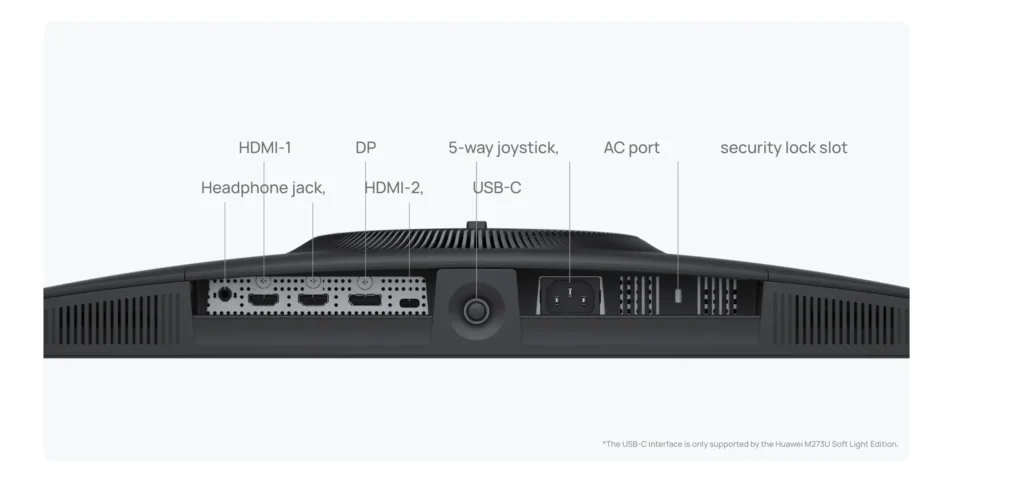
Huawei comes with the monitor with a five-way joystick for OSD navigation and quick settings adjustments. The physical design focuses heavily on desk flexibility with height adjustment up to 4.33 inches (110 mm), tilt support from -5° to 18°, and full 90-degree portrait rotation in both directions. VESA 100 × 100 mounting support and quick-release stand functionality are part of the package as well.
Connectivity differs slightly between versions, particularly with the addition of USB-C support found in displays including the BenQ MA320UG. The standard M273U carries two HDMI 2.1 ports, one DisplayPort 1.4 connection, and a headphone jack. The Soft Light Edition adds USB-C with DP 1.4 support.
Huawei notes the monitor passed multiple reliability and durability tests covering joystick endurance, interface plug cycles, electrostatic discharge protection up to 10,000V, humidity operation testing at 40°C, and long-term thermal stability validation.
The standard M273U weighs around 15.43 lbs (7.0 kg) with the stand attached, while the Soft Light Edition reaches approximately 16.97 lbs (7.7 kg).
Huawei has not confirmed pricing yet for the M273U lineup. Availability outside China remains unannounced for now.
Source: Huawei