


Which Processor is Best for MATLAB?
The processor is the brain of any laptop and the most crucial component. The more powerful the CPU, the better performance you will get. Before choosing a processor, you must understand some parts.
Some important CPU components (such as the maximum speed, Number of Cores, and CPU size) are essential.
More cores and threads mean it will provide more features. Similarly, the smaller CPU size means energy can be generated.
For basic users/programmers:
The latest generation of dual-core Intel i3 or a server equivalent to a Ryzen CPU will do. If your wallet allows, please choose a higher version.
For Experienced programmers:
The latest Intel Core i5 or AMD Ryzen 5 is still more than enough for most users.
For professional users:
We recommend using the latest quad-core Intel i5 or Ryzen 5, 7 processors, which have a clock speed of more than 3 GHz after turbocharging.
Minimum and Recommended Best Laptop Configuration for MATLAB
| Specs | Minimum | Recommended |
|---|---|---|
| Screen | Full HD (1920 x 1080) | Full HD (1920 x 1080) or more |
| CPU | 11th Gen Core i5 or equivalent AMD Ryzen 5 | 12th, 13th, or 14th Gen Core i5, i7 or equivalent AMD Ryzen 5,7 |
| Graphics | Intel Iris Xe or equivalent AMD | Dedicated Nvidia or equivalent AMD |
| Memory | 8GB | 16GB or more |
| Storage | 128GB SSD | 256GB SSD or more |
| Battery | 2 Hour | 4 hours or more |
How Much RAM do I Need for MATLAB?
In terms of Programming, especially for MATLAB, RAM is essential. To choose Memory, you should look at GHz and Versions like DDR3, DDR4, and DDR5.
For a Beginner:
The latest means more GHz 4GB DDR4 Memory would easily handle your task, but 8GB is best. Also, always try to buy a laptop with a higher version.
For advanced users:
Choose a laptop from Premium Picks or Mid-range Picks with at least 8GB DDR4 RAM. For smooth and without lag, run MATLAB; go with at least 16GB or a laptop with a free RAM slot which means you can upgrade later.
The Best Laptops for MATLAB simulations/programming
| Image | Product | Feature | Price |
|---|---|---|---|
TOP Pick
|
Apple MacBook Pro 16 |
| Check Price |
 |
Lenovo Legion Pro 7i |
| Check Price |
 |
ASUS ROG Strix G16 |
| Check Price |
 |
HP Victus 15 Gaming |
| Check Price |
 |
HP OmniBook 7 Flip |
| Check Price |
 |
Acer Nitro 5 |
| Check Price |
 |
Dell 16 |
| Check Price |
 |
Apple MacBook Air M5 |
| Check Price |
 |
Dell XPS 16 |
| Check Price |
PREMIUM PICKS
Best for Smooth MATLAB Work
1. Apple MacBook Pro M5
Key Specs
| Processor | Apple M5 Pro (up to 18-core CPU) |
| Graphics | Integrated Apple GPU (up to 20-core) |
| Memory | 24GB Unified Memory |
| Storage | 1TB SSD |
| Display | 16.2-inch Liquid Retina XDR |
| Weight | 4.7 lb (2.1 kg) |
Check Current Pricing
The Apple MacBook Pro 16 is one of those laptops that feels built for serious work, and MATLAB users will notice that almost immediately. It focuses more on efficiency and sustained performance rather than just raw numbers on paper.
This model comes with the Apple M5 Pro chip, which has a powerful multi-core CPU and GPU. For MATLAB, this matters a lot because many simulations, matrix operations, and data processing tasks rely heavily on CPU performance. The unified memory (like 24GB in this variant) also helps because MATLAB can handle large datasets without slowing down.
Another big advantage is how smoothly everything runs. Even when you’re working on large scripts, running simulations, or plotting complex graphs, the system stays stable and responsive. Unlike some high-performance Windows laptops, it doesn’t heat up quickly or throttle under long workloads.
The display is also a strong point. The 16.2-inch Liquid Retina XDR screen is very sharp and bright, which makes working on graphs, visual data, and long coding sessions more comfortable. If you spend hours looking at plots or debugging code, this actually makes a difference.
Battery life is where this laptop really stands out. You can easily get a full day of MATLAB work without worrying about charging, which is rare for high-performance laptops.
Now, compared to other laptops like gaming machines (Legion, ROG, MSI), the MacBook Pro is not about raw GPU power. Those laptops are better if your MATLAB work depends heavily on CUDA-based GPU acceleration. MacBooks don’t support NVIDIA CUDA, which is still widely used in MATLAB for GPU computing.
Another limitation is software compatibility. Most MATLAB features run perfectly on macOS, but some toolboxes or third-party integrations are still better supported on Windows. So if your workflow depends on very specific tools, you might run into small limitations.
Also, the price is quite high. You’re paying not just for performance, but for build quality, display, battery, and ecosystem. If your only goal is maximum performance per rupee, some Windows laptops will offer better value.
Overall, the MacBook Pro 16 is a great choice for MATLAB if your work is more CPU-focused, involves large datasets, coding, simulations, and long sessions. It’s especially good if you want a stable, quiet, and long-lasting machine. But if your work depends heavily on GPU acceleration or specific Windows-based tools, then other laptops might suit you better.
Pros
✔ Excellent performance for MATLAB simulations and coding
✔ Smooth and stable even under long workloads
✔ Outstanding battery life
✔ High-quality display for graphs and data work
✔ Silent and efficient compared to gaming laptops
Cons
✘ No CUDA support for GPU computing
✘ Expensive
✘ Some tool compatibility better on Windows
Best for Heavy MATLAB Tasks
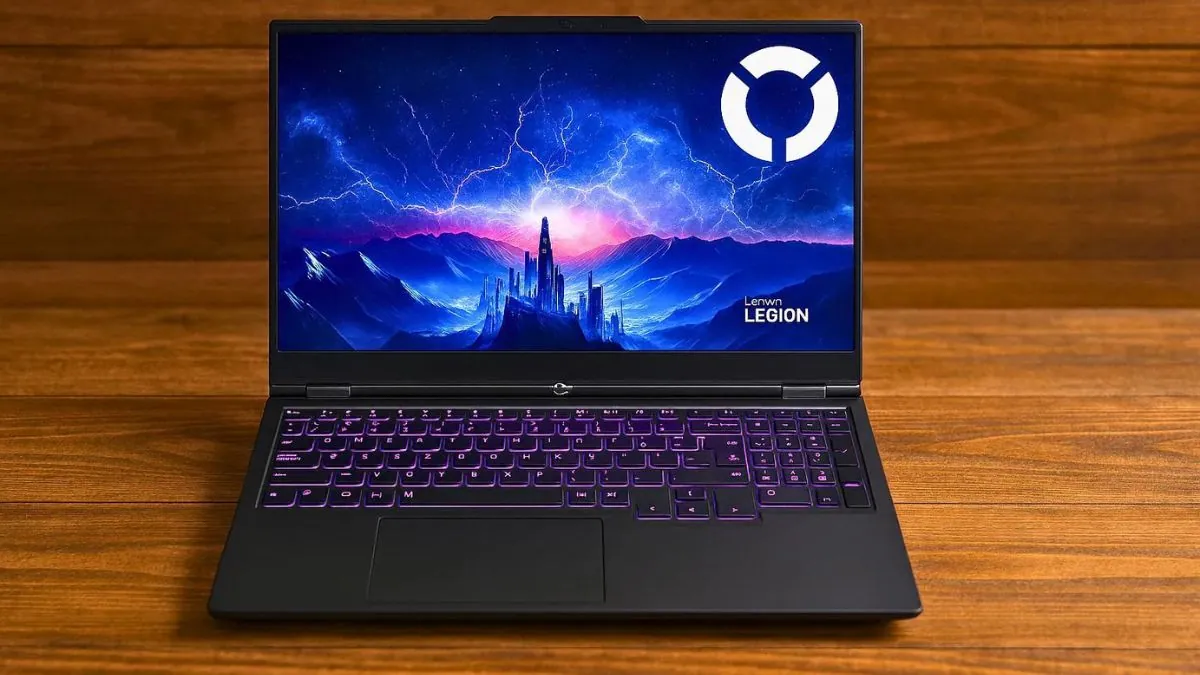
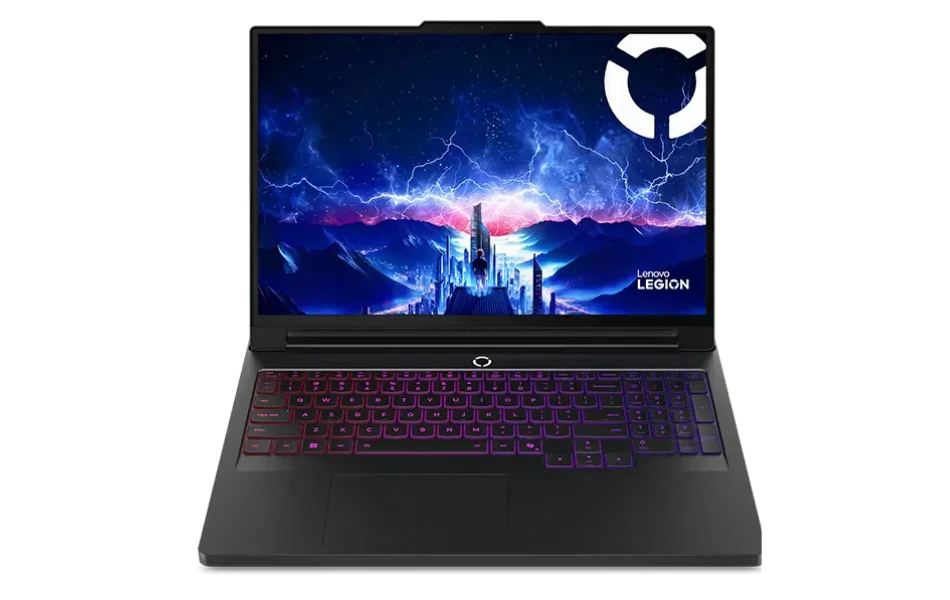
2. Lenovo Legion Pro 7i
Key Specs
| Processor | Intel Core Ultra 9 275HX |
| Graphics | NVIDIA RTX 5070 Ti |
| Memory | 32GB DDR5 |
| Storage | 1TB SSD |
| Display | 16-inch WQXGA, 240Hz |
| Weight | 5.7 lbs (2.6 kg) |
The Lenovo Legion Pro 7i is a high-performance laptop built for heavy workloads, and for MATLAB users, that kind of power makes a real difference. It is designed more like a portable workstation, so it handles complex simulations, large datasets, and long processing tasks without slowing down.
It comes with the Intel Core Ultra 7 255HX processor, which is very strong for CPU-based MATLAB tasks like numerical computing, matrix operations, and simulations. Along with that, the NVIDIA GeForce RTX 5070 Ti GPU gives a big advantage if you use MATLAB’s GPU acceleration features (CUDA). This helps in speeding up parallel computations and large-scale processing.
The 32GB RAM is another major benefit. MATLAB can easily consume a lot of memory, especially when working with large datasets or multiple scripts, and this amount of RAM ensures smooth performance. The 2TB SSD gives plenty of space for storing datasets, projects, and software.
The 16-inch OLED display with a 240Hz refresh rate offers sharp visuals and smooth interaction. While the high refresh rate is mainly useful for gaming, the OLED panel provides clear and detailed visuals, which helps when analysing graphs and plots.
Now, if we compare it with the Apple MacBook Pro 16 (M5 Pro), the difference becomes clear. The MacBook focuses more on efficiency and battery life, while the Legion Pro 7i focuses on raw power. The Legion has RTX 5070 Ti graphics with CUDA support, which the MacBook does not offer, making it much better for GPU-based MATLAB work. The Legion also comes with 32GB RAM in this setup, compared to 16GB or 24GB in many MacBook variants, which gives it an advantage in handling large datasets. However, the MacBook offers much better battery life and portability.
If we compare it with ASUS ROG Strix G16, both are powerful gaming laptops, but the Legion Pro 7i stands out with its OLED 240Hz display and higher-end GPU (RTX 5070 Ti vs usually RTX 4060/4070 in Strix G16). The Legion also offers more RAM and storage in this configuration, making it better suited for heavy MATLAB workloads. On the other hand, the Strix G16 is slightly more affordable and easier to carry.
Compared to MSI Katana 15 HX, the Legion Pro 7i again offers a more premium experience. The Katana usually comes with lower-tier GPUs and a standard IPS display, while the Legion provides a better OLED panel and stronger GPU performance. The Legion also has better build quality and cooling, which helps during long MATLAB sessions.
There are some downsides. The laptop is heavy and bulky, so it is not ideal for carrying around daily. Battery life is also average, especially when running MATLAB simulations or GPU workloads, so it is better used while plugged in. The display, although excellent, is not specifically factory-calibrated for professional colour work.
Pros
✔ Extremely powerful for MATLAB simulations and heavy workloads
✔ RTX GPU with CUDA support for faster computation
✔ 32GB RAM handles large datasets easily
✔ Fast performance even under long workloads
✔ Large storage for projects and data
Cons
✘ Heavy and not easy to carry
✘ Battery life is average under heavy use
✘ Premium price compared to mid-range laptops
Read Lenovo Legion Pro 7i Gen 10: Full Specifications and Benchmarks
Best for GPU MATLAB Performance


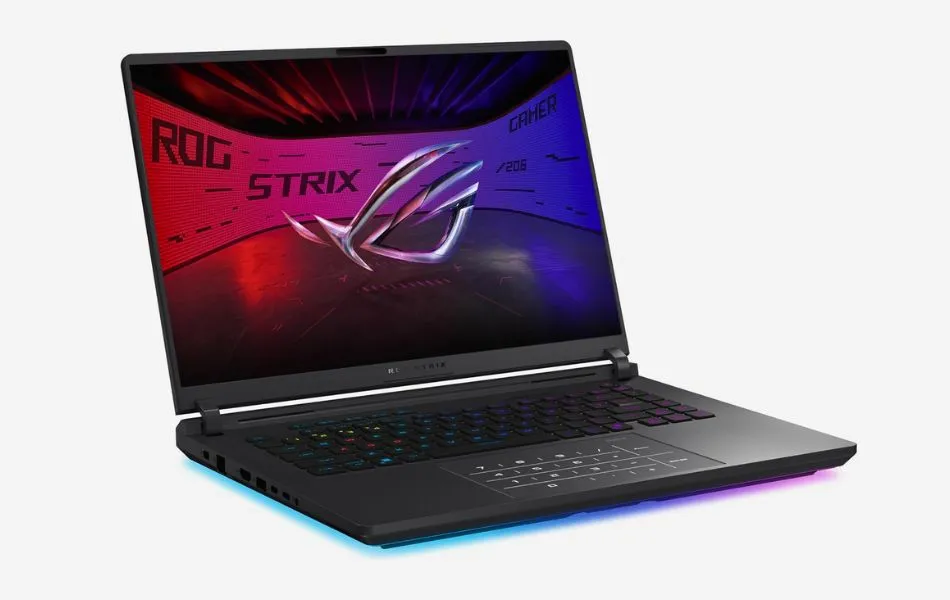
3. ASUS ROG Strix G16
Key Specs
| Processor | Intel’s Core i7-14650HX |
| Graphics | NVIDIA’s RTX 5060 |
| Memory | 16GB DDR5 |
| Storage | 1TB SSD |
| Display | 16-inch QHD |
| Weight | 5.84 lbs (2.65 Kg) |
Check Current Pricing
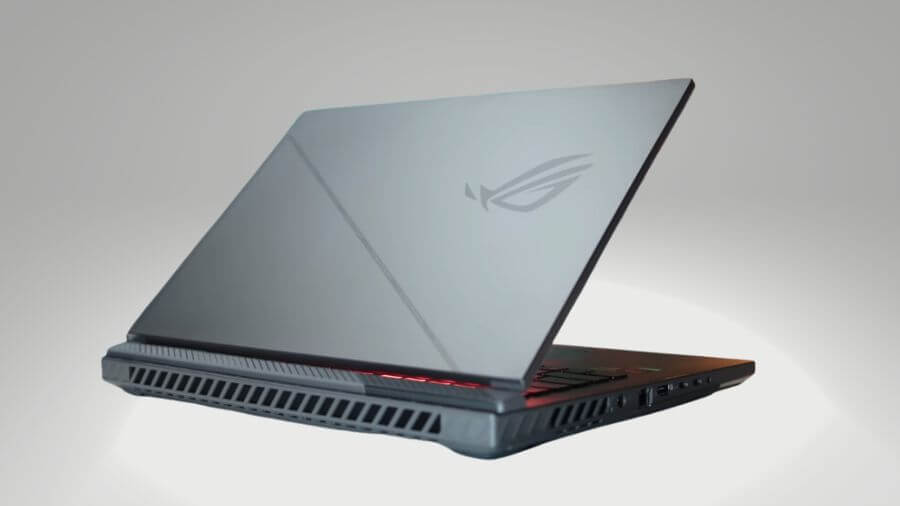
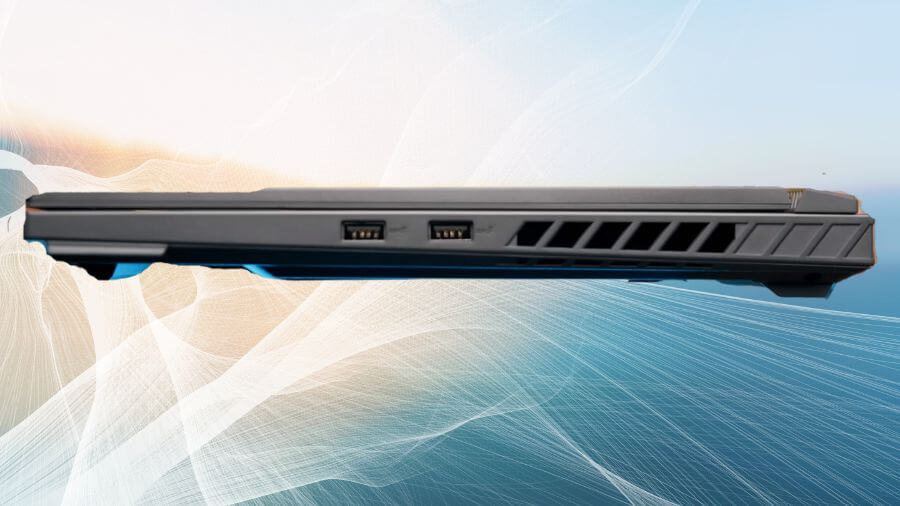
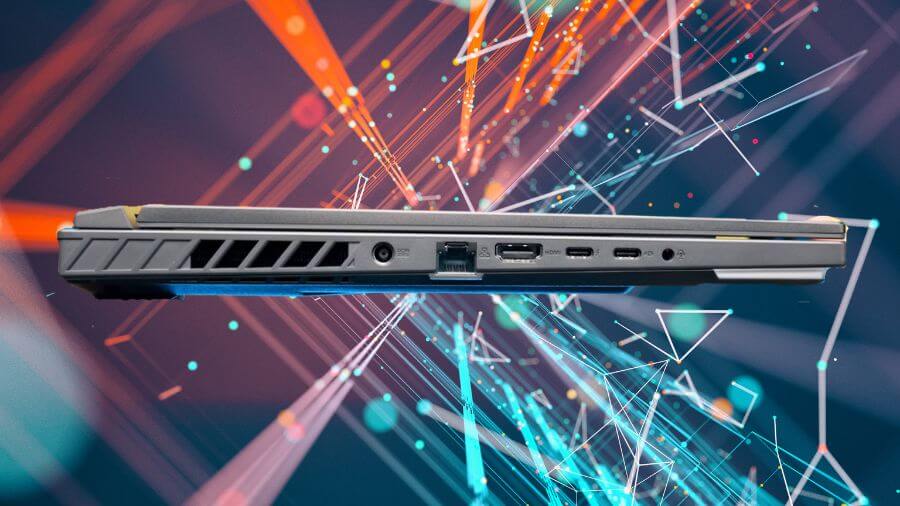
We tested the ASUS ROG Strix G16 with MATLAB, and it felt like a machine built for heavy coding and simulation. Running large scripts, handling multiple plots, and switching to other programming tools like Python and R went smoothly without any lag. During stress testing with Simulink and matrix-heavy calculations, the system responded quickly and didn’t lag even when other apps like Chrome and Excel were open in the background.
In real-world performance benchmarks, this laptop also impressed in gaming, demonstrating its GPU’s ability for parallel computing. Cyberpunk 2077 delivered around 90 frames per second on high settings, Starfield hovered around 70 frames, and Assassin’s Creed Mirage even surpassed 100 frames. For competitive games like Valorant, performance easily surpassed 200 frames. These results explain why it feels fast in MATLAB tasks that rely on GPU acceleration.
Compared to budget models like the Acer Nitro V, the Strix G16 is much more reliable during long programming and simulation sessions. Premium models like the Razer Blade 16 or Lenovo Legion Pro 7i offer better performance but cost more. The Strix G16 fits the bill, offering good power without overspending.
Battery life is average for a performance laptop. We managed about 1.5 to 2 hours during heavy MATLAB work and up to 6 hours during coding or browsing. This isn’t ideal for all-day use, but it works well for a desk setup or short sessions.
The 16-inch panel feels sharp and smooth when creating graphs and analyzing data, and the display also deserves praise. The anti-glare finish proved helpful during long sessions in bright light, making coding and debugging more comfortable.
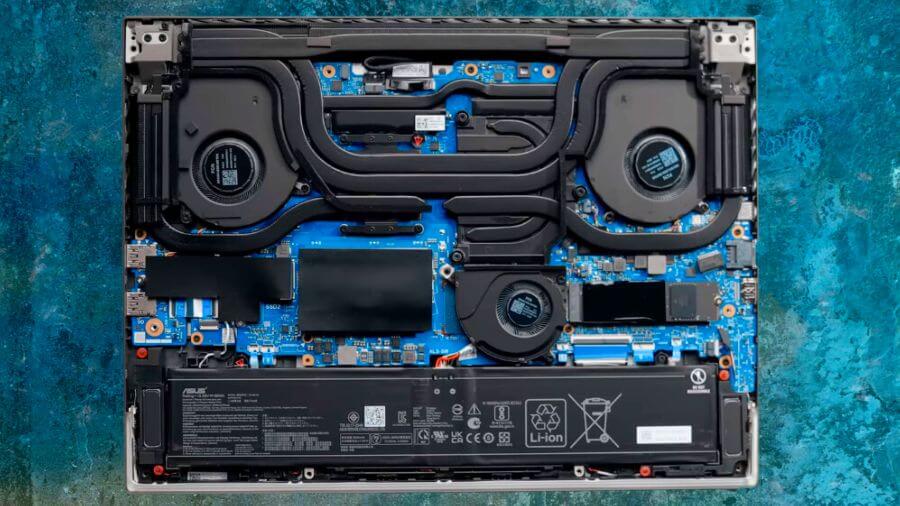
This laptop has excellent heating and cooling management. Even during continuous simulation and rendering tests, the system remained between 72 and 82 degrees C. The fans are clearly visible under load, but the laptop never throttled and performance remained stable.
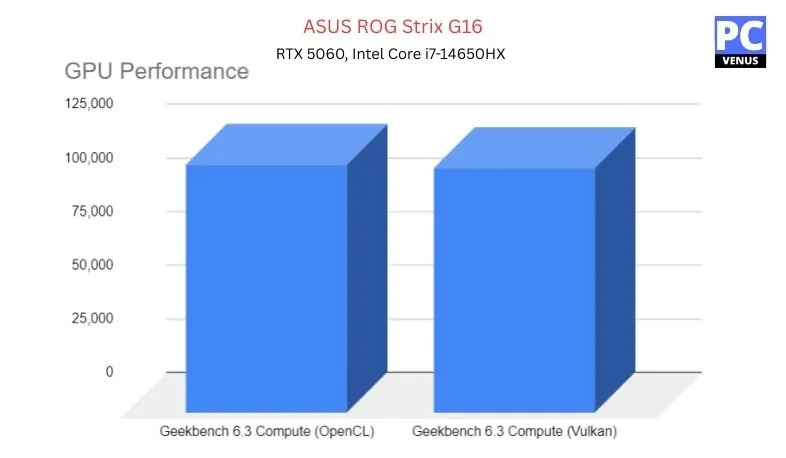
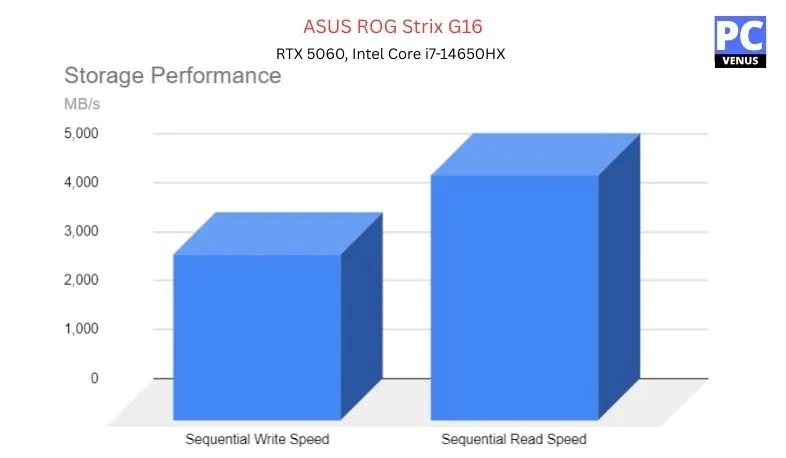
Benchmarks Test – ASUS ROG Strix G16
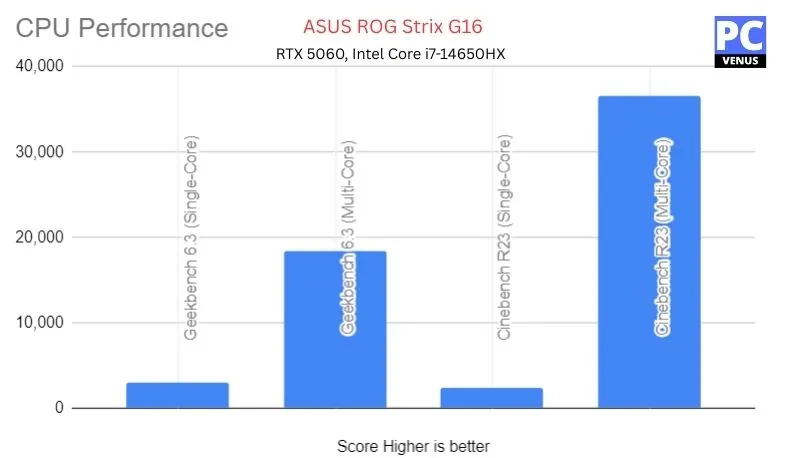
| Category | Test | Score/Result |
|---|---|---|
| CPU (Intel Core i7-14650HX) | Geekbench 6.3 Single-Core | 2,971 |
| Geekbench 6.3 Multi-Core | 18,470 | |
| Cinebench R23 Multi-Core | 36,577 | |
| GPU (NVIDIA RTX 5060) | Geekbench 6.3 Compute (Vulkan) | 114,377 |
| Overwatch 2 (1920×1200, Ultra) | 165 FPS | |
| Shadow of the Tomb Raider (1080p, Max) | 118 FPS | |
| Storage (1TB PCIe Gen 4 SSD) | Sequential Read | ~5,000 MB/s |
| Sequential Write | ~3,400 MB/s |
Pros
✔ Runs MATLAB, Simulink, and coding tools smoothly
✔ Feels stable during long programming and simulation sessions
✔ Display is smooth and easy on the eyes for data visualization
✔ Cooling system keeps performance consistent
✔ Strong balance between performance and price
Cons
✘ Battery drains quickly with heavy workloads
✘ Heavier than slim productivity laptops
✘ Fans are clearly audible under load
Also Read: ASUS ROG Strix G16: Full Specifications and Benchmarks
MID-RANGE AND BUDGET PICKS
Best Budget MATLAB Laptop
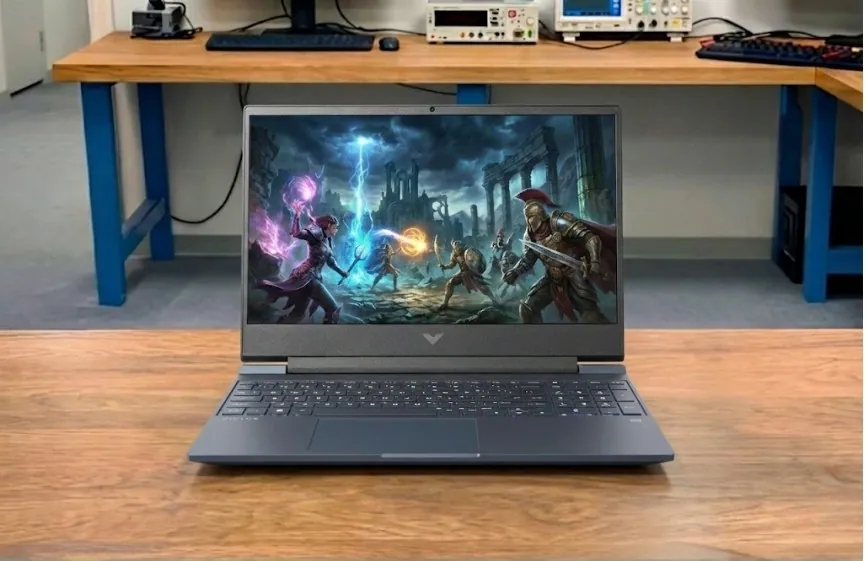
4. HP Victus 15 Gaming
Key Specs
| Processor | Intel Core i5-13420H |
| Graphics | NVIDIA GeForce RTX 3050 |
| Memory | 8 GB DDR4 |
| Storage | 512 GB SSD |
| Display | 15.6-inch diagonal, FHD (1920 x 1080), 144 Hz |
| Weight | 5.06 lbs (2.3 kg) |
Check Current Pricing
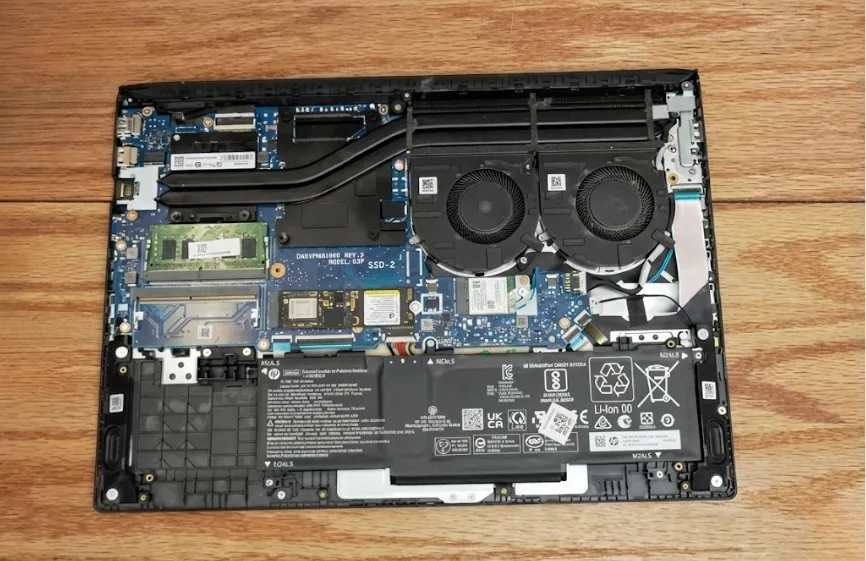
HP is a well-known brand, and its Pavilion series is specially designed for gaming. HP has agreed with some of the better-performing notebooks in this segment; HP Victus 15 Gaming is one of them.
Its processor and graphics card also left a deep impression on people, and this notebook comes on the market at a reasonable price. If you like playing games and don’t want to travel, this laptop may be your best choice.
Performance
It is powered by the world’s most advanced 13th Gen Intel Core i5-13420H processor, which is ideal for heavy gaming and any work, and it has an NVIDIA GeForce RTX 3050 graphics card that can run your laptop very smoothly during gaming.
HP Victus 15 Gaming has 8 GB DDR4 RAM, which is very suitable for multitasking but does not run fast in heavy work. In addition, it also provides 512 GB SSD storage space, and you can conveniently store all your data, applications, movies, etc.
It also comes with a lithium polymer battery to provide the best performance. After a full day of continuous use, it can provide up to 5 hours of battery life, which is sufficient for gaming laptops.
In addition to other features, it has many ports and connection options, such as Wi-Fi 6 and Bluetooth 5.2 for quick connection, two USB Type-A ports, USB Type-C ports, HDMI support, and a headphone jack.
Display and Design
This comes with a 15.6-inch full HD micro-edge display with a maximum screen resolution of up to (1920 x 1080), where you can see clear and good image quality, and its screen works well during gaming.
Other Features
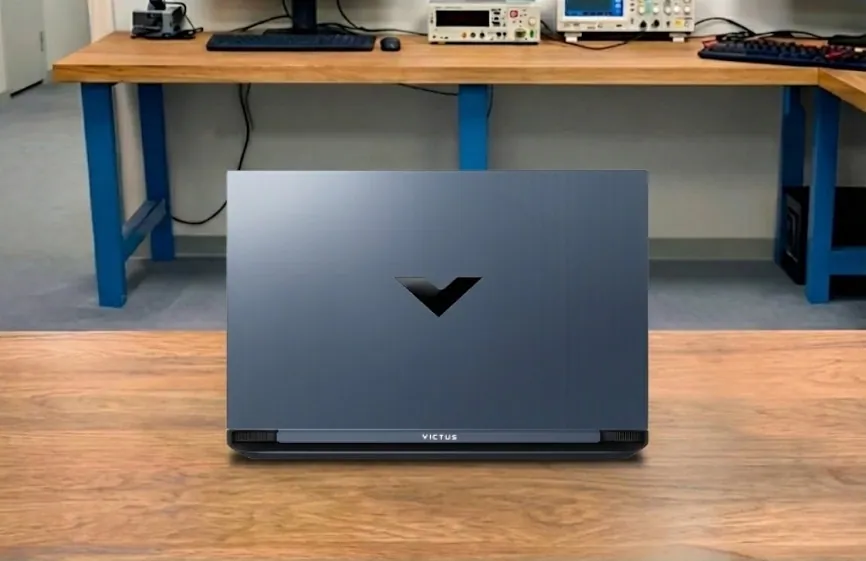
It comes with a high-quality black color design with an HP logo on the body, which looks stylish. This is a small laptop. According to the gamebook, its weight is high. If you want to go somewhere, then you may have a problem. It weighs only 5.1 lbs (2.31 kg).
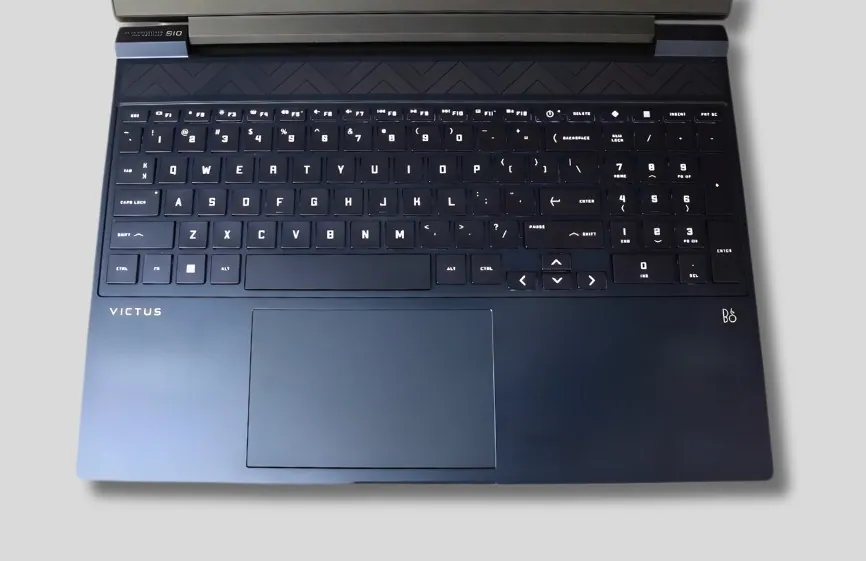
It also has an excellent backlit keyboard that can work in dark or low-light conditions.
Pros
✔ Powerful Processor
✔ Looking Stylish
✔ Dual Speaker
✔ Solid Build
✔ Stunning Screen with 144Hz refresh rate
Cons
✘ Average Battery
✘ No thunderbolt
Best Portable MATLAB Laptop
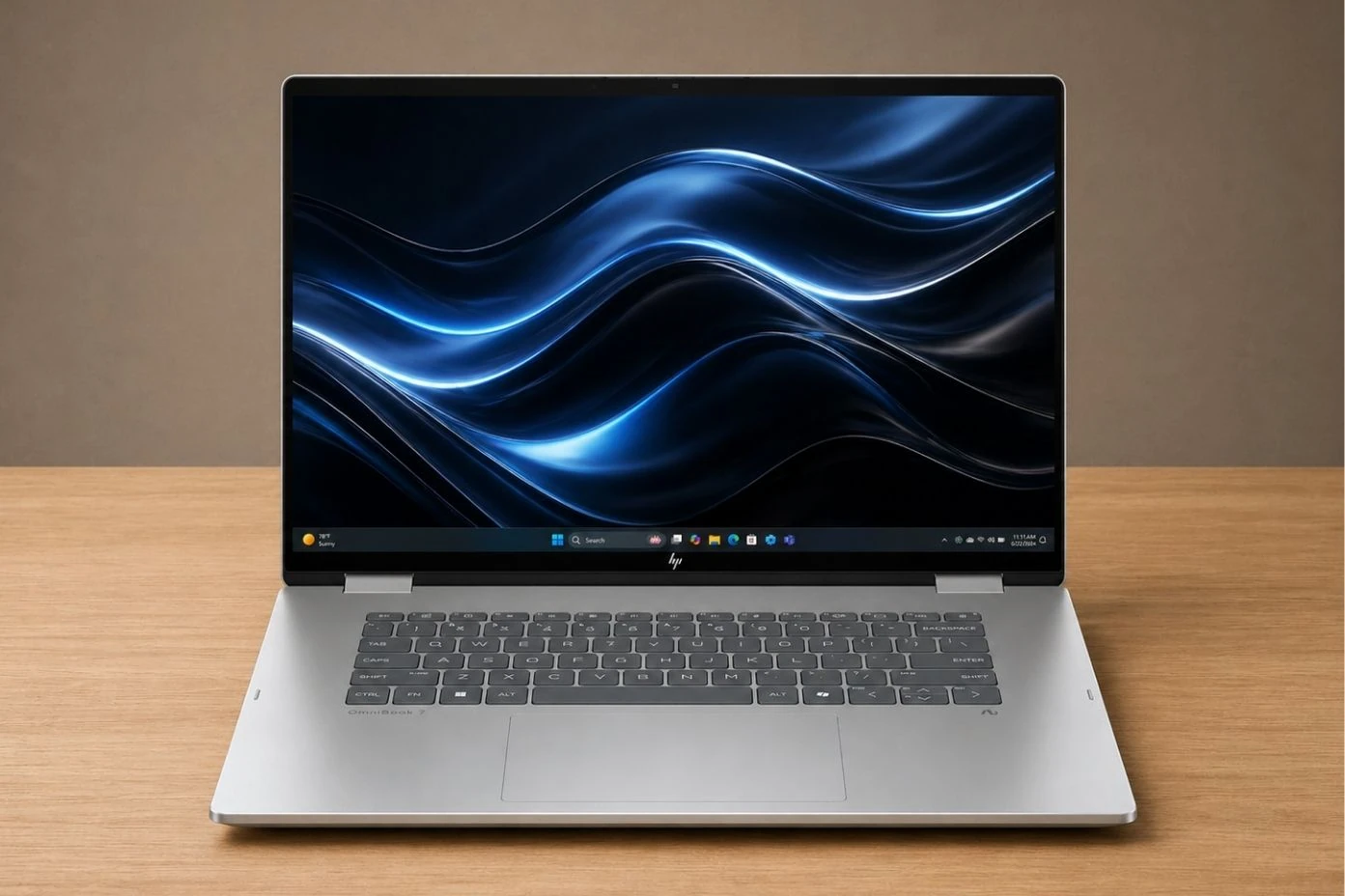
5. HP OmniBook 7 Flip
Key Specs
| Processor | Intel Ultra 7 258V |
| Graphics | Intel Arc integrated |
| Memory | 32GB |
| Storage | 1TB SSD |
| Display | 16-inch FHD+ Touchscreen |
| Weight | 3.95 lb (1.79 kg) |
Check Current Pricing
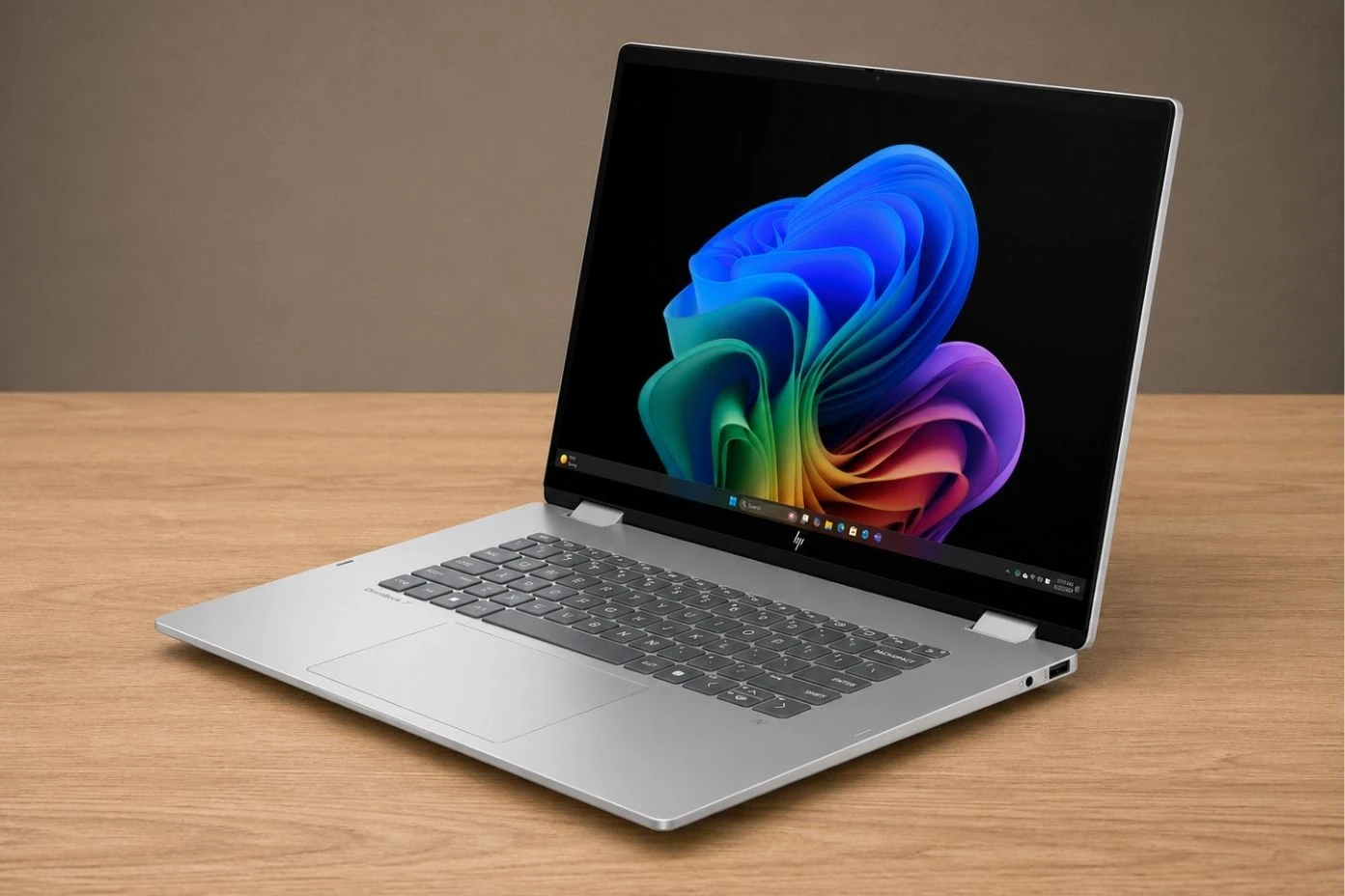
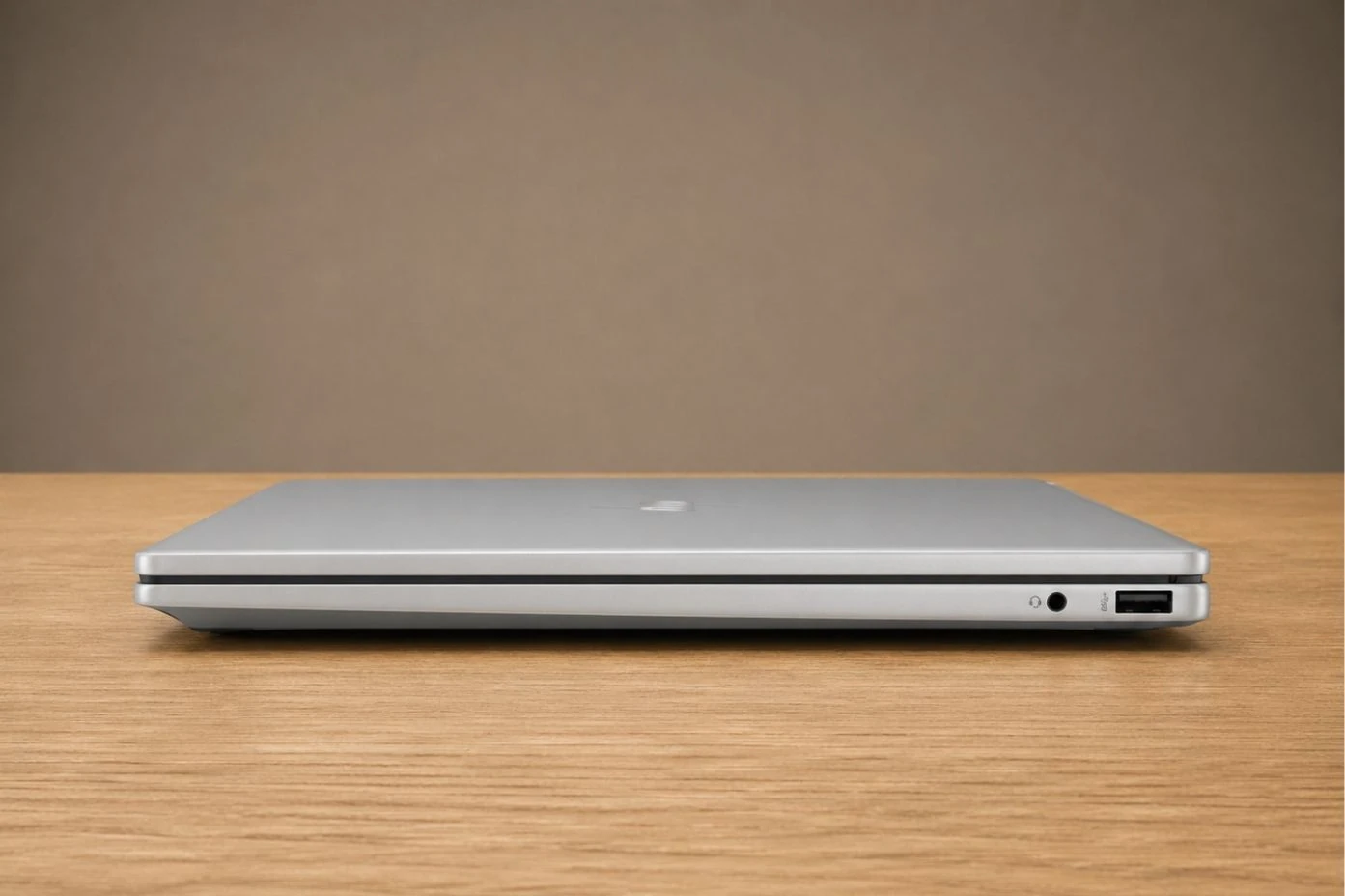
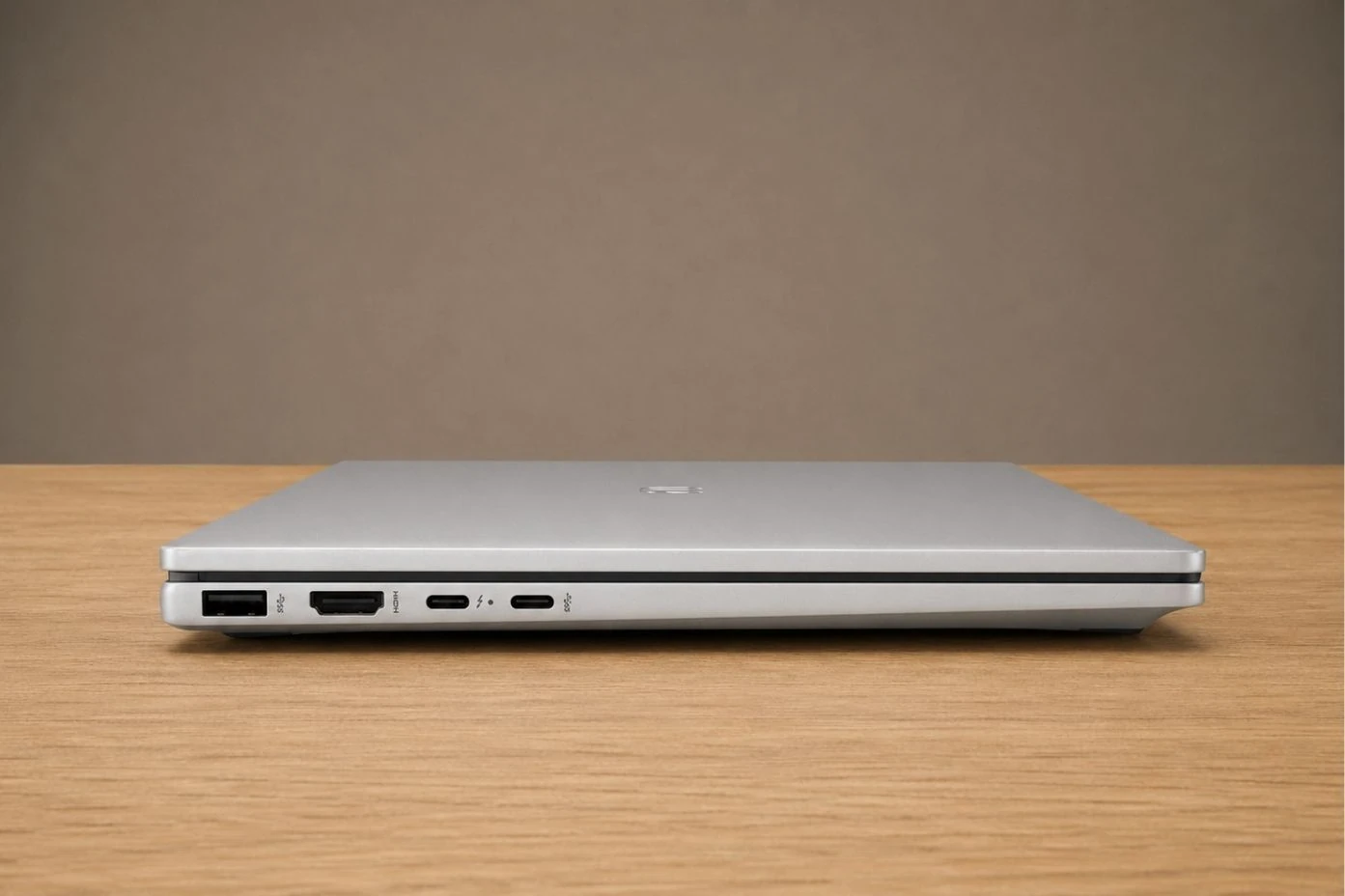
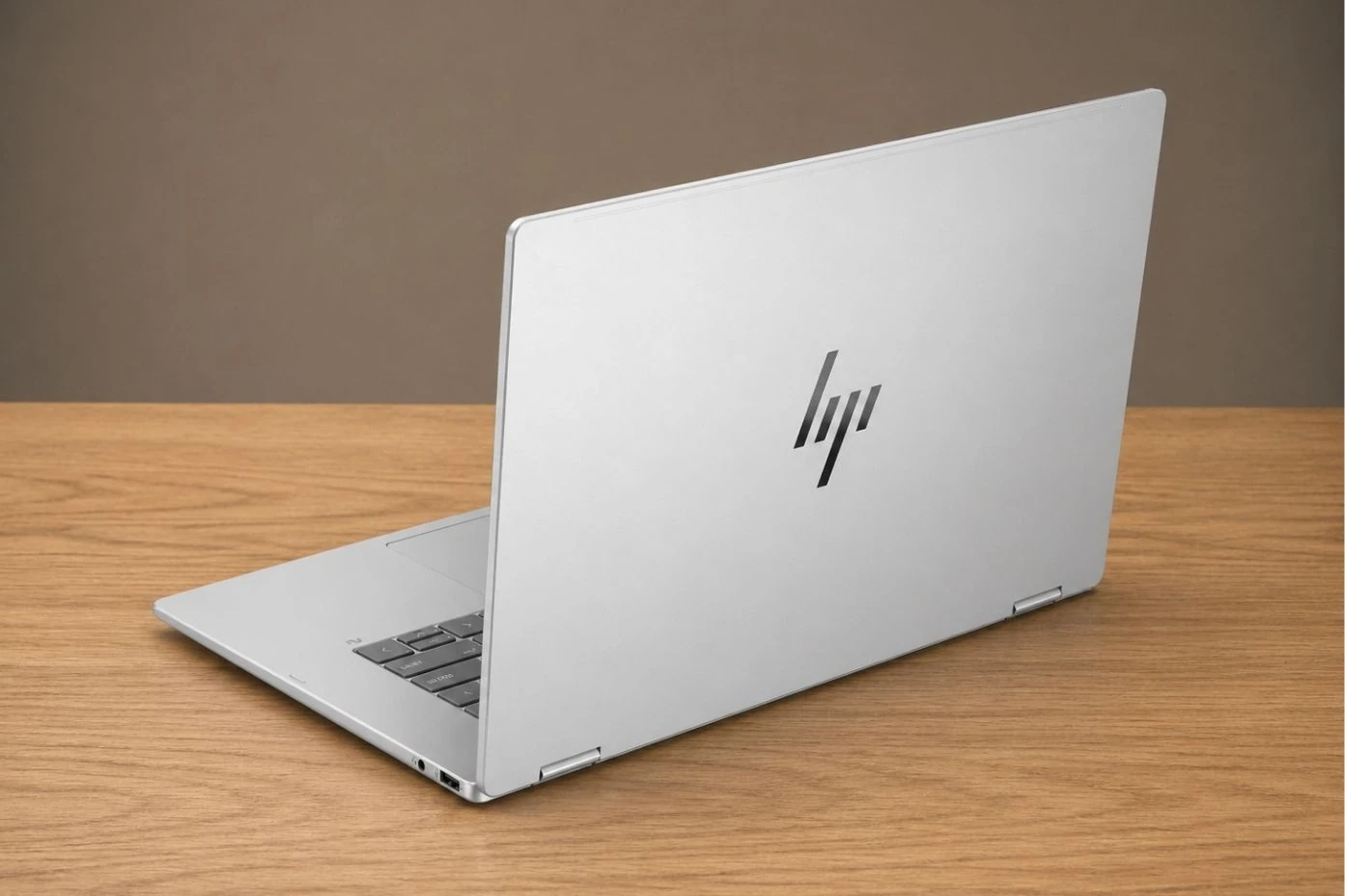
The HP OmniBook 7 Flip is a flexible 2-in-1 laptop that focuses more on portability, battery life, and everyday productivity rather than raw performance. For MATLAB users, it can work well depending on the type of work you do.
This laptop is powered by the Intel Core Ultra 7 258V processor, which is efficient and fast enough for coding, basic simulations, and data analysis. It also comes with 32GB RAM, which is a strong advantage because MATLAB benefits a lot from higher memory, especially when working with large datasets or multiple scripts. The 1TB SSD ensures fast loading and enough space for projects.
Another useful feature is its 2-in-1 design. You can use it as a laptop or tablet, which can be helpful for note-taking, reviewing graphs, or presentations. The 16-inch touchscreen display with 1920×1200 resolution and around 400 nits brightness gives a comfortable viewing experience for coding and data visualization.
Battery life is also a strong point. It can last around 10 hours, which is better than most high-performance laptops. This makes it a good option for students or professionals who need to work on MATLAB throughout the day without constantly charging.
Now, if we compare it with Lenovo Legion Pro 7i, the difference is very clear. The Legion is built for heavy performance with RTX 5070 Ti graphics and a high-power CPU, which makes it much better for large simulations and GPU-based MATLAB tasks. The OmniBook, on the other hand, uses Intel Arc integrated graphics, which is fine for basic work but not suitable for heavy computation or CUDA-based acceleration.
Compared to Apple MacBook Pro 16, the OmniBook is more affordable and flexible because of its touchscreen and convertible design. However, the MacBook offers much better sustained performance and optimisation for heavy workloads, especially for long MATLAB sessions.
When compared to ASUS ROG Strix G16, the OmniBook again focuses on portability, while the Strix offers stronger GPU performance and better cooling. The Strix is clearly better for heavy MATLAB workloads, but it is heavier and has lower battery life.
There are some clear downsides. The biggest limitation is the lack of a powerful dedicated GPU, so it is not suitable for GPU-based MATLAB tasks or very large simulations. Performance is good for moderate work but not for advanced heavy workloads. Also, while the display is decent, it is not designed for high-end visual accuracy.
Pros
✔ Good for coding, basic simulations, and data analysis
✔ 32GB RAM helps in handling large datasets
✔ Long battery life for all-day usage
✔ 2-in-1 design adds flexibility
✔ Lightweight and easy to carry
Cons
✘ No dedicated GPU for heavy MATLAB tasks
✘ Not suitable for large simulations or parallel computing
✘ Performance lower than gaming/workstation laptops
Best Value with GPU for MATLAB


6. Acer Nitro 5
Key Specs
| Processor | Intel Core i5-13420H |
| Graphics | NVIDIA GeForce RTX 4050 |
| Memory | 8GB DDR4 |
| Storage | 512GB 4 SSD |
| Display | 15.6-inch FHD IPS display,144Hz |
| Weight | 4.66 lbs (2.11 kg) |
Check Current Pricing
Acer Nitro 5 is less powerful than others, but you won’t have too much trouble carrying it. In this case, you can efficiently run low-level games, which might be a good choice. Ideal for your computer.
Acer Nitro 5 comes with a 13th Gen Intel Core i5-13420H processor with 8 cores and 16 MB cache.
With Intel i5’s powerful processors, machine intelligence, multi-tasking capabilities, and practical architecture enjoy the appearance of great performance applications and a softer gaming experience.
It also has an NVIDIA GeForce RTX 4050 graphics card, a fast 6GB GDDR6 dedicated video memory, and an excellent GPU, which can provide data for your games.
With its outstanding features, it provides high product quality.
The presence of nitrous acid helps keep the display and CPU cool. The cooling element of the notebook computer will automatically turn on when it is used more.
Dolby Audio is very suitable for mastering some excellent music knowledge. You cannot have better audio quality.
The average battery life of this laptop is 7-8 hours. This is a gaming laptop, so a 5-6 hour battery is very suitable. Its touchpad comes with multi-gesture support.
Acer ComfyView technology can reduce reflections. It has a 15.6-inch Full HD IPS technology LED-backlit display with a screen resolution of 1920 x 1080, excellent color, and clarity. If you watch movies and videos, you can provide fantastic image quality.
The company has provided some of the best design elements for this laptop: carefully designed private arrangements.
The bright red keyboard lining makes the appearance more attractive and suitable for high-end drama. If you want to enter text in the dark, you can also.
Acer Nitro 5 is a thin and light notebook laptop. This laptop is a bit bulky, but it’s a gaming laptop, and it’s a good option. It weighs only 5.66 pounds (2.11 kg).
For players, this is excellent. It has a shiny backlit keyboard, and you can quickly type and play games in the dark or low light.
Pros
✔ Affordable Price
✔ Latest and Powerful Processor
✔ Dedicated GPU
✔ Wireless Wi-Fi 6 Convenience
✔ Provides very loud sound with DTS X Ultra
Cons
✘ Little bit Heavy
✘ Noisy Fan
Read our Acer Nitro 5 Review
Best Balanced MATLAB Laptop
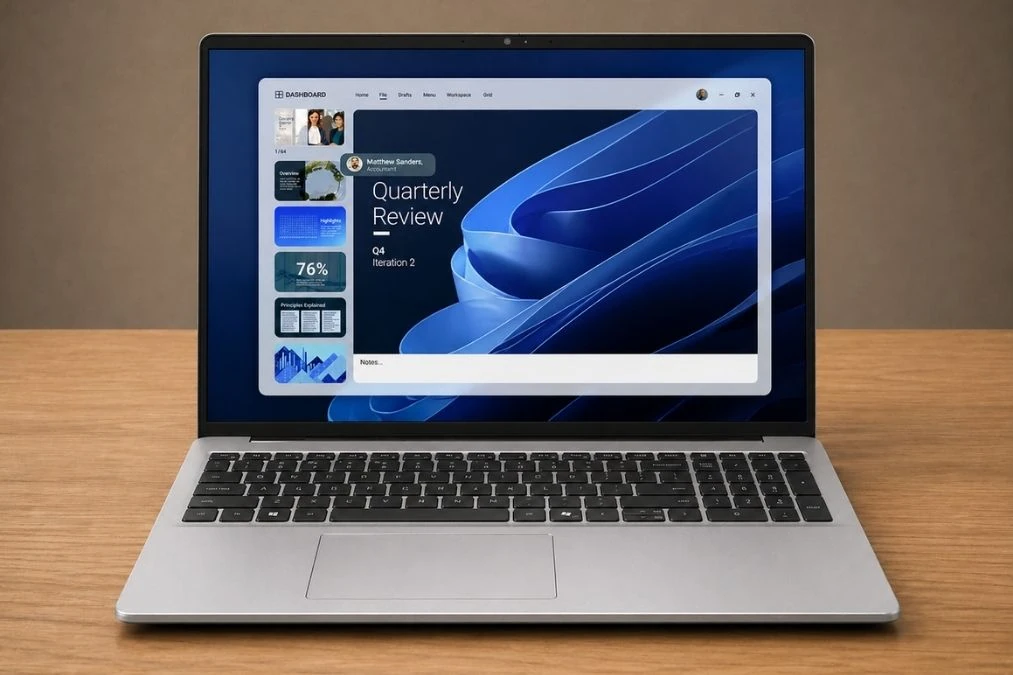
7. Dell 16
Key Specs
| Processor | AMD Ryzen AI 7 350 |
| Graphics | AMD Radeon |
| Memory | 32GB DDR5 |
| Storage | 1TB SSD |
| Display | 16.0-inch 16:10 2K Touchscreen |
| Weight | 4.24 lb (1.92 kg) |
Check Current Pricing
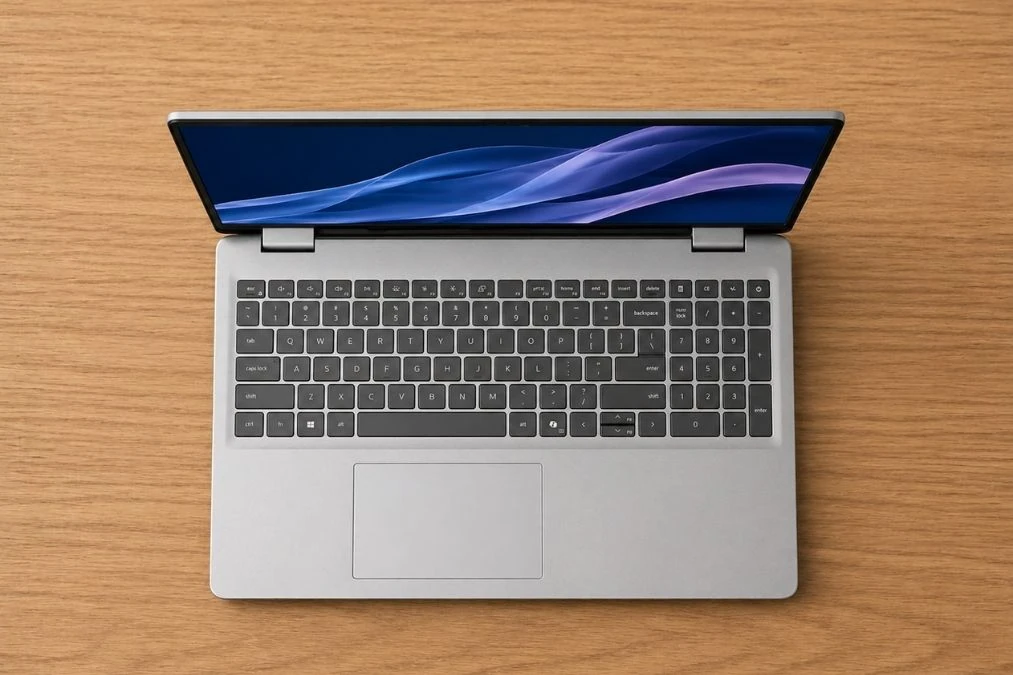
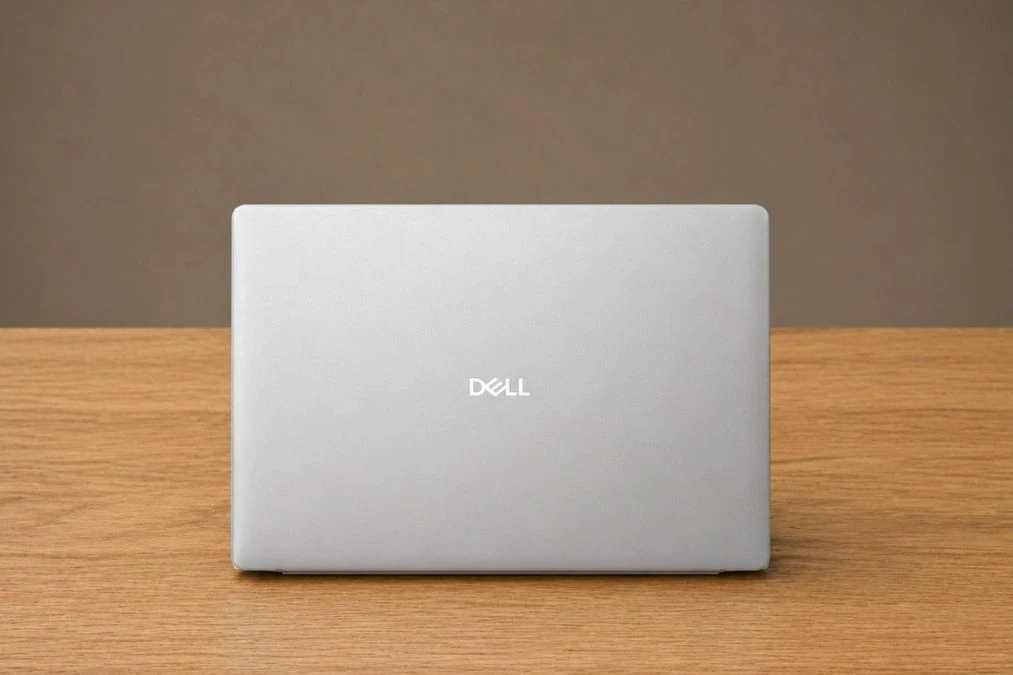
The Dell 16 is a good choice for MATLAB if your work is mostly coding, data analysis, and moderate simulations. It comes with the AMD Ryzen AI 7 350 processor and 32GB RAM, which gives it enough power to handle large datasets and multiple scripts without slowing down. For students and general users, this setup feels smooth and reliable for everyday MATLAB work.
Where this laptop fits best is in CPU-based tasks. Most MATLAB operations like matrix calculations, plotting, and algorithm testing run well on this system. The large 16-inch display also helps when working with graphs and multiple windows.
Now, if we compare it with the Lenovo Legion Pro 7i, the difference becomes clear. The Legion Pro 7i is much more powerful because it comes with an HX-series processor and RTX 5070 Ti GPU. That makes it better for heavy simulations, parallel computing, and GPU acceleration (CUDA). But not everyone needs that level of power. The Dell 16 is more efficient, quieter, and gives better battery life, which makes it more suitable for regular MATLAB use.
On the other side, if we compare it with HP OmniBook 7 Flip, that model is less suitable for MATLAB compared to the Dell 16. Even though the OmniBook also offers good RAM and a modern processor, it is designed more for portability and light productivity. Its performance is slightly lower, and it relies on integrated graphics, which limits its ability in heavier MATLAB tasks. The Dell 16 handles sustained workloads better and offers a more stable experience for longer sessions.
So, in simple terms, the Dell 16 sits in the middle. It is clearly better than thin-and-light laptops like the HP OmniBook 7 Flip for MATLAB work, but it is not as powerful as high-end machines like the Lenovo Legion Pro 7i. That makes it a balanced option for most users who want good performance without going into expensive, heavy gaming laptops.
Pros
✔ Good for coding, data analysis, and moderate simulations
✔ 32GB RAM handles large datasets easily
✔ Comfortable large display for MATLAB work
✔ Better battery life than high-performance laptops
✔ Balanced performance for most users
Cons
✘ No dedicated GPU for advanced MATLAB tasks
✘ Not ideal for heavy simulations or CUDA work
✘ Less powerful than workstation or gaming laptops
Best Lightweight for MATLAB
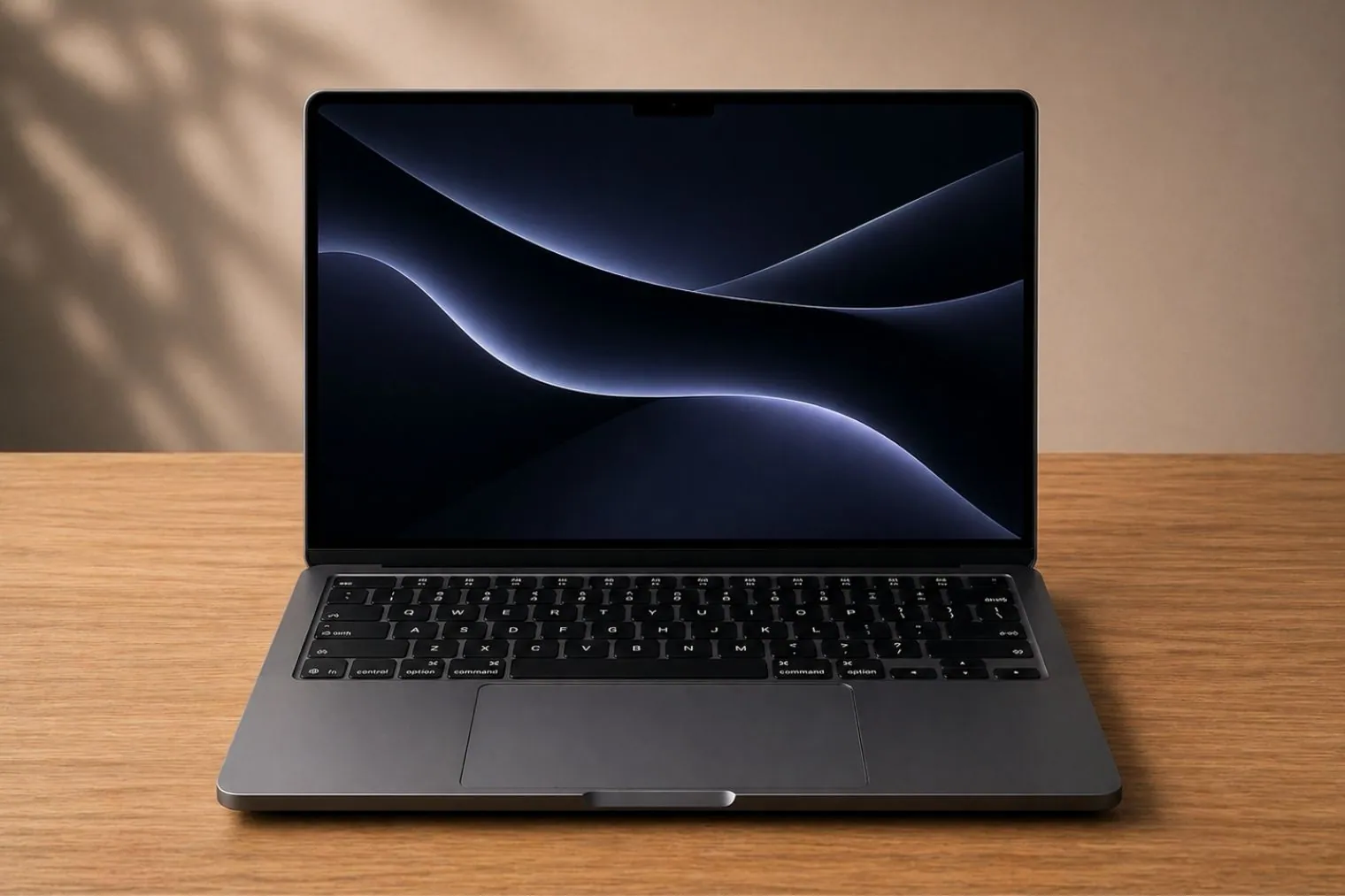
8. Apple MacBook Air M5
Key Specs
| Processor | Apple M5 |
| Graphics | Integrated |
| Memory | 16GB |
| Storage | 512GB SSD |
| Display | 13.6-inch Liquid Retina Display |
| Weight | 2.7 lb (1.24 kg) |
Check Current Pricing
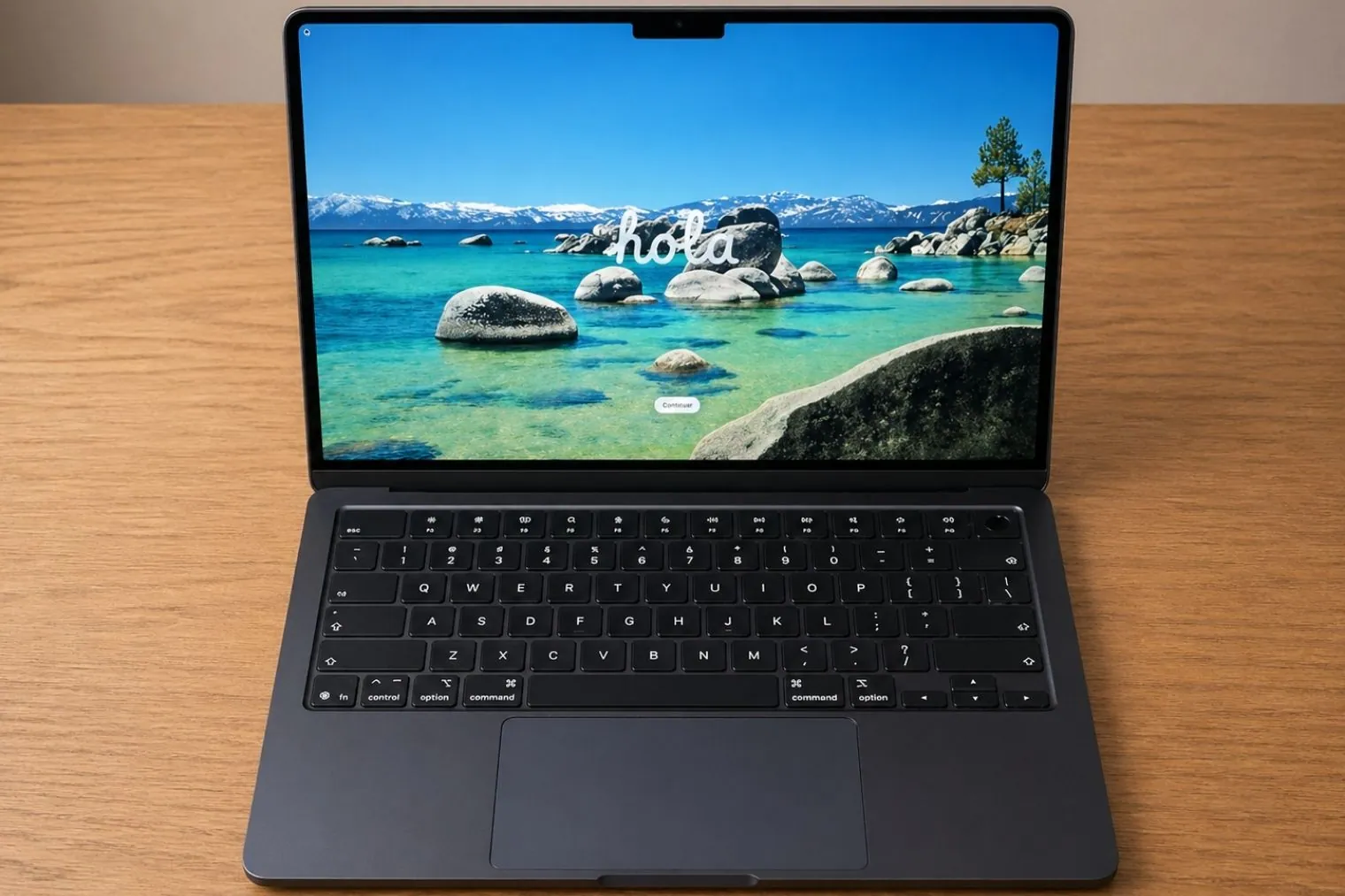
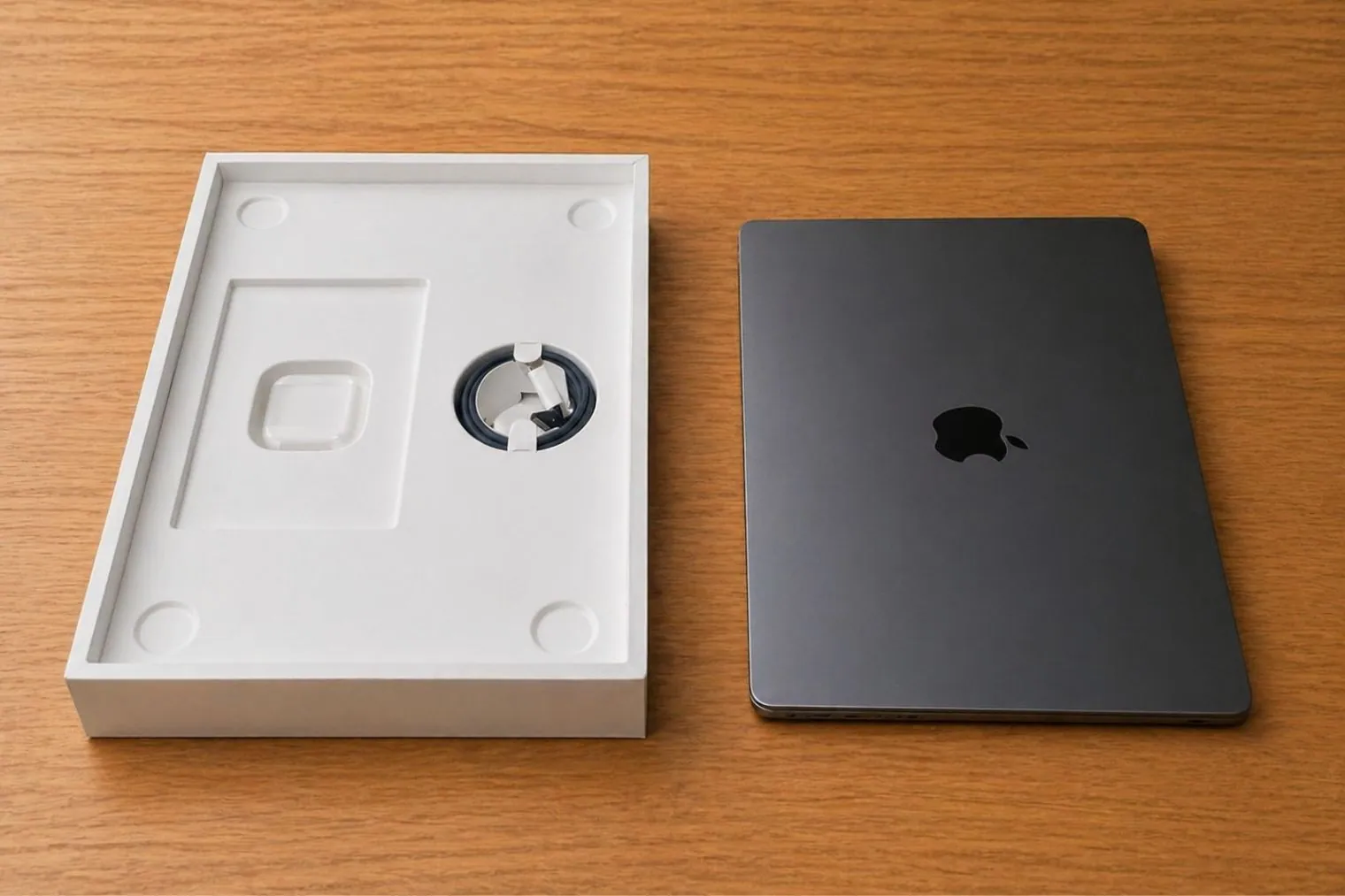
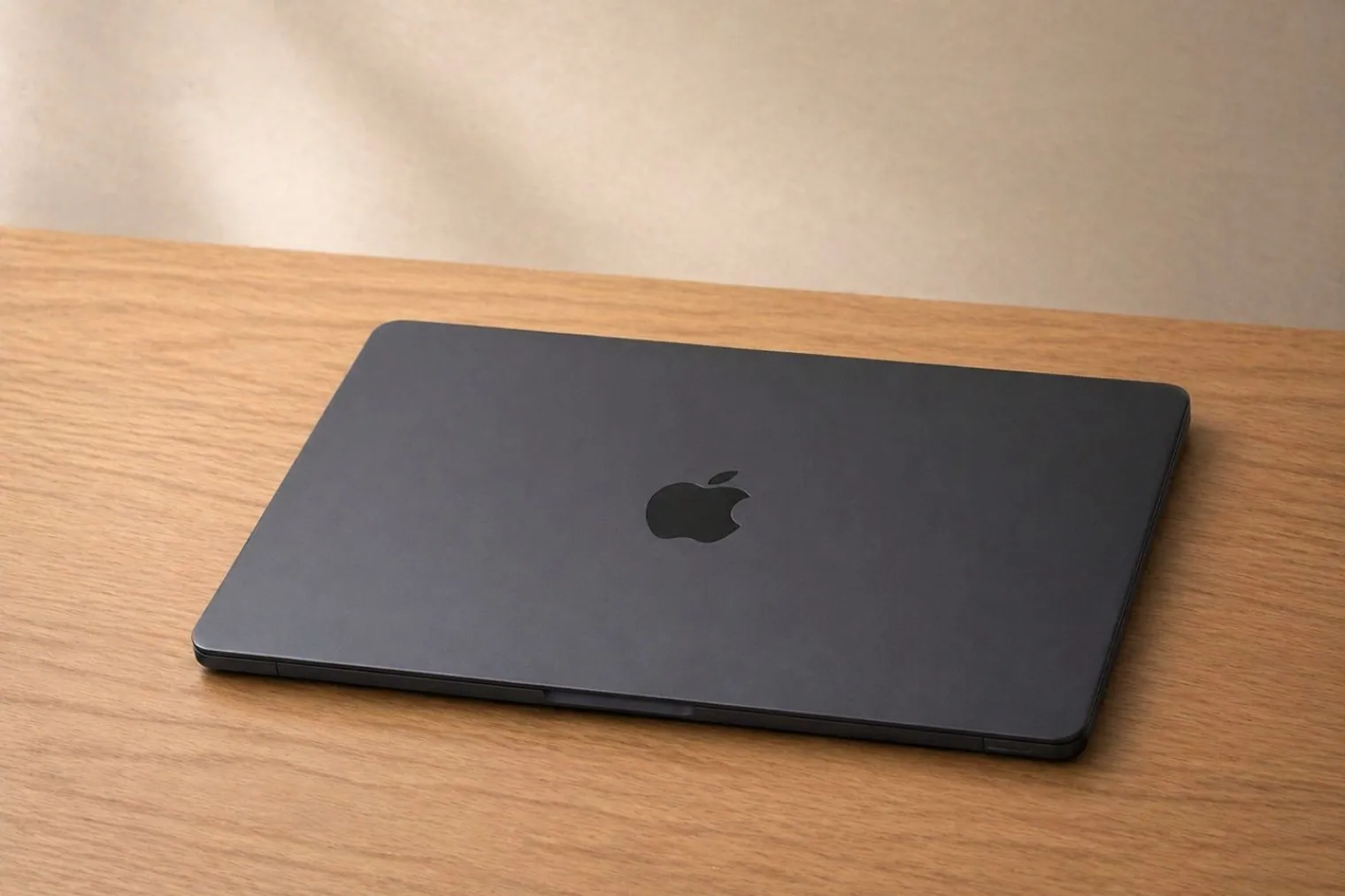
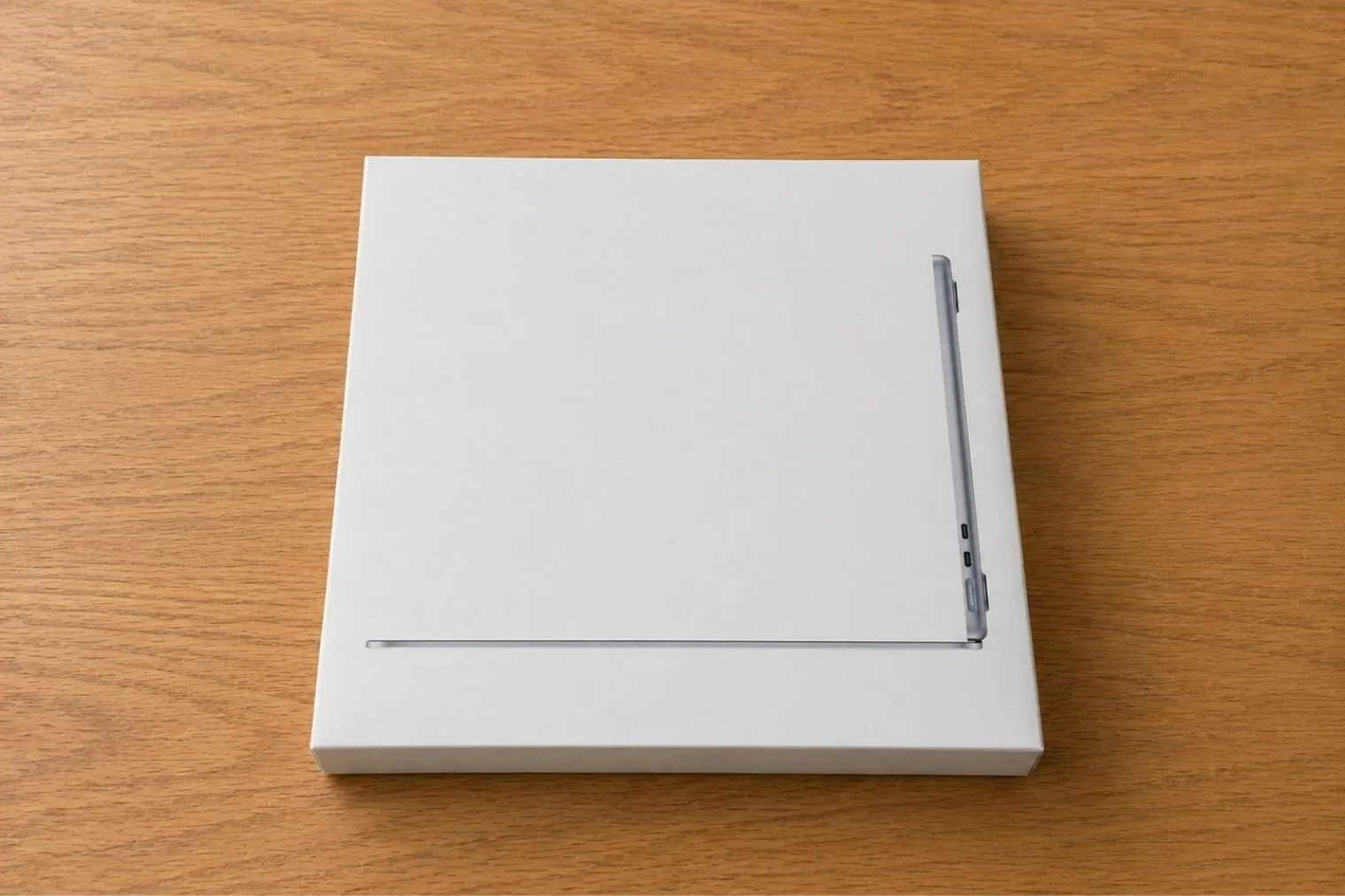
The Apple MacBook Air M5 is a lightweight and efficient laptop that works well for MATLAB users who focus on coding, data analysis, and moderate simulations. It is not built for extreme workloads, but for most students and regular users, it delivers a smooth and stable experience.
This laptop is powered by the Apple M5 chip, which offers strong single-core and multi-core performance. For MATLAB, this means faster execution of scripts, matrix operations, and general computations. It comes with 16GB unified memory and a 512GB SSD, which is enough for handling medium-sized datasets and everyday MATLAB work.
One of the biggest advantages is efficiency. The system runs very smoothly without heating up much, even during long coding sessions. Battery life is also excellent it can last up to around 18 hours, which is far better than most Windows laptops in this category.
The 13.6-inch Liquid Retina display is sharp and comfortable for long hours of coding and data visualization. While it is smaller than 16-inch laptops, the quality of the display makes up for it in clarity.
Now, if we compare it with the Dell 16, the difference comes down to performance balance. The Dell 16 offers 32GB RAM and a larger display, which makes it better for handling larger datasets and multitasking in MATLAB. It also runs Windows, which has slightly better compatibility with some MATLAB toolboxes.
On the other hand, the MacBook Air M5 is much more efficient, lighter, and offers significantly better battery life. It runs cooler and quieter, which makes it more comfortable for long study sessions. However, it does not support CUDA or dedicated GPU acceleration, so it is not suitable for GPU-based MATLAB work.
So, the MacBook Air M5 is suitable for MATLAB if your work is mostly coding, learning, and moderate-level tasks. But for heavy simulations, large-scale data processing, or GPU-based work, laptops like the Dell 16 or high-performance machines are more suitable.
Pros
✔ Smooth and stable performance for MATLAB coding
✔ Excellent battery life for long sessions
✔ Lightweight and easy to carry
✔ Runs cool and quiet
✔ High-quality display
Cons
✘ Only 16GB RAM limits very large datasets
✘ No CUDA or GPU acceleration support
✘ Not suitable for heavy simulations
Best Premium MATLAB Laptop
9. Dell XPS 16
Key Specs
| Processor | Intel Core Ultra 7 255H |
| Graphics | NVIDIA RTX 5050 |
| Memory | 32 GB LPDDR5X |
| Storage | 1TB SSD |
| Display | 16.3″, Non-Touch, 2K, 30-120Hz, 500 nits |
| Weight | 3.65 lb (1.65 kg) |
Check Current Pricing
The Dell XPS 16 is a high-performance laptop that works very well for MATLAB, especially if your work includes heavy simulations, large datasets, or GPU-based tasks. It is built for users who need both strong CPU performance and dedicated graphics in a premium design.
It comes with the Intel Core Ultra 7 255H processor, which has 16 cores and boosts up to 5.1GHz. This gives excellent performance for MATLAB tasks like numerical computing, matrix operations, and long simulations. Along with that, the 32GB LPDDR5X RAM ensures smooth multitasking and allows you to work on large datasets without slowdowns.
A major advantage is the NVIDIA RTX 5050 GPU with 8GB GDDR7 memory. This makes the laptop suitable for MATLAB GPU acceleration (CUDA), which can significantly speed up parallel computing and heavy workloads. Many thin laptops don’t offer this level of GPU support.
The 16.3-inch 2K display is large, bright (500 nits), and sharp, which helps when working with complex graphs, visual data, and multiple windows. The 99.5Wh battery is also quite large, so it provides good battery life compared to other powerful laptops.
Now, if we compare it with the ASUS ROG Strix G16, the difference is mainly in performance vs balance. The ROG Strix G16 is a gaming-focused laptop that often comes with higher-wattage GPUs like RTX 4060 or 4070, which can deliver better raw GPU performance for heavy MATLAB workloads. It also has stronger cooling, which helps in sustained performance.
However, the Dell XPS 16 offers a more balanced and premium experience. It is slimmer, more portable, and has better battery efficiency. It also comes with a higher-resolution display and a more refined design, making it better for professional use. While the GPU in the XPS 16 is slightly lower in power compared to gaming laptops, it is still more than enough for most MATLAB tasks.
So, the Dell XPS 16 is suitable for MATLAB users who want strong performance with a premium build and better portability. Compared to gaming laptops like ASUS ROG Strix G16, it may have slightly lower peak GPU power, but it offers a better overall balance of performance, battery life, and design.
Pros
✔ Strong CPU performance for MATLAB simulations
✔ RTX GPU supports GPU acceleration
✔ 32GB RAM handles large datasets smoothly
✔ Premium design with high-quality display
✔ Better battery efficiency than gaming laptops
Cons
✘ GPU power lower than high-end gaming laptops
✘ Expensive
✘ Limited ports compared to bulky laptops
Buying Guide: How To Choose a Good Laptop for MATLAB Programming?
When choosing a laptop for MATLAB programming, you should make sure it has a powerful CPU, ample RAM, fast storage, a responsive keyboard, and a good display. MATLAB is a demanding software that performs extensive calculations, simulations, and data analysis, so having the right hardware is a must.
It Should Have the Latest and Most Powerful CPU
The CPU (processor) is the most important component when choosing a laptop for MATLAB. MATLAB is CPU-intensive and benefits from high clock speeds and multiple cores, especially when working with complex scripts, simulations, or large datasets.
For the best performance, look for:
- Intel: 12th, 13th, or 14th Gen Core i5, i7, or i9
- AMD: Ryzen 5, Ryzen 7, or Ryzen 9 (Latest Series)
If you use parallel computing or Simulink, choosing a multi-core processor such as Intel Core i7/i9 or AMD Ryzen 7/9 will provide better performance. A minimum of 4 cores is required, but for smooth multitasking, 6 to 8 cores are recommended.
Need Max Speed RAM
RAM plays an important role in MATLAB’s performance. MATLAB performs better with more RAM, especially when working with large matrices, analogies, and data processing tasks.
Recommended RAM:
- Minimum: 8GB
- Recommended: 16GB
- For Advanced Users: 32GB or higher
For better processing speed and responsiveness, it’s best to use high-speed DDR4 or DDR5 RAM. If you’re doing machine learning, deep learning, or large-scale numerical computing, investing in 32GB of RAM or more will significantly improve performance.
Choose SSD Storage for Faster Loading and Booting
MATLAB requires fast storage to load scripts, process data, and open large projects quickly. SSD (Solid State Drive) is much faster than HDD (Hard Disk), ensuring faster boot times and application performance.
- Minimum Storage: 512GB SSD
- Recommended: 1TB SSD (for handling large MATLAB files and datasets)
- Optional: Additional HDD (1TB or more) for extra storage
For maximum speed, NVMe SSDs are preferred over SATA SSDs due to their superior read/write speeds.
The Keyboard Should Be Responsive
Since MATLAB involves a lot of coding and numerical computing, a comfortable full-size keyboard is essential. A good keyboard should have the following features:
- Numeric Keypad: Makes entering data and running calculations easier.
- Good Key Travel & Soft Touch: For smooth and effortless typing.
- Backlit Keyboard: Helpful for working in low-light conditions.
Avoid laptops with poorly spaced or unconventional keyboard layouts, as they may slow down coding and analysis work.
Choose a Laptop with the Correct Screen Size
Good displays can improve your productivity when coding, debugging, and visualizing MATLAB simulations. Screen size and resolution are important considerations.
- Recommended Size: 15.6 inches for the best balance between portability and screen space.
- Alternative: 14-inch for a compact, lightweight design.
- For High-End Work: 17.3-inch (if portability is not a concern).
- Resolution: Full HD (1920×1080) or higher for sharp text and visuals.
If working with 3D plots, advanced visualizations, or deep learning models, a higher resolution display (1440p or 4K) can enhance clarity.
Battery Life & Cooling System
MATLAB is a power-hungry application, so long battery life is a must for working on the go. Choose a laptop with at least 6-8 hours of battery life. Additionally, an effective cooling system is required to prevent overheating, especially during long simulation missions.
Frequently Asked Questions
Q1. What is MATLAB’s Programming Language?
MATLAB itself is a programming language designed for numerical computing, data analysis, and algorithm development. Its syntax is influenced by languages like C, C++, and Java, and is relatively easy to learn for people familiar with those languages.
Originally, MATLAB was written in FORTRAN, but later versions adopted the C language for improved performance and compatibility.
If you are a computer science expert, you can also use Python with MATLAB through built-in interfaces such as the MATLAB Engine API for Python. However, “Pal” is not a known programming language related to MATLAB.
Additionally, MATLAB supports symbolic computing through its symbolic math toolbox, allowing the use of mathematical symbols and symbolic expressions.
Q2. What computer can run MATLAB?
You can’t do any programming software on a cheap and budgeted laptop, so you must increase your budget.
If you want to program well, you want to be a successful programmer in the future; a laptop with a powerful processor, dedicated and influential GPU; at least 8GB, the model is the latest, and then you can run MATLAB.
Q3. Which processor is better for MATLAB?
But if you don’t have a tight budget, you can buy a laptop with a high configuration, because the future technology is very advanced. It has increased, and these programming languages are rapidly gaining popularity.
MATLAB is a powerful programming language; a Giant processor must function correctly.
If you are a beginner and have a small budget, you can buy a new i3, i5, or Ryzen 5 laptop, where you can run MATLAB simulations.
But if you have little budget pressure and are an experienced professional programmer, you should choose a higher version, such as i5, i7, i9, or the equivalent of AMD Ryzen 5, 7, or 9. In addition, it should have a sound graphics card and more and more RAM storage.
Q4. Is i5 good enough for MATLAB?
If the laptop has the latest generation or even a new Intel Core i5 processor, with 8,16 GB of RAM and a minimum of 256 GB of SSD, you can call it the best MATLAB programming processor.
But if your laptop has an older generation i5 processor, it will only be able to do a little because there will be a big difference in a single generation; you can now see the performance of the Geekbench score.
Our recommended processor for Matlab is 13th Gen Intel Core i7 or AMD Ryzen 7.
Q5. Which is the Best Laptop Brand for MATLAB?
You can choose from a famous brand, but it should have good performance. Some premium and popular laptop brands for MATLAB programming are Apple, Dell, Asus, Lenovo, HP, Razer Blade, etc.
Final Words
Here are the laptops for MATLAB that you can buy right now. I’ve used many programming languages, including MATLAB, to create this list. I’ve tested the programs and shared this advice based on my experience.
In this guide, we’ve picked the most powerful, portable, and stylish laptops for MATLAB.
We’ve categorized this list into three sections: premium selection, mid-range selection, and budget selection. This makes it easy for you to find the best laptop for your budget.
I’ve mentioned before that these laptops can handle MATLAB and are suitable for professional programmers and developers.
According to the recommendations from the official MathWorks website, you don’t necessarily need an extremely powerful laptop for any programming language. However, for safety, durability, and portability, you should invest in more powerful products based on your budget.
We hope this guide helps you choose the right laptop for MATLAB programming.