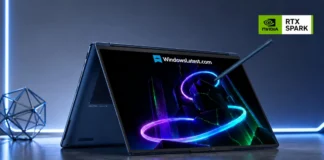

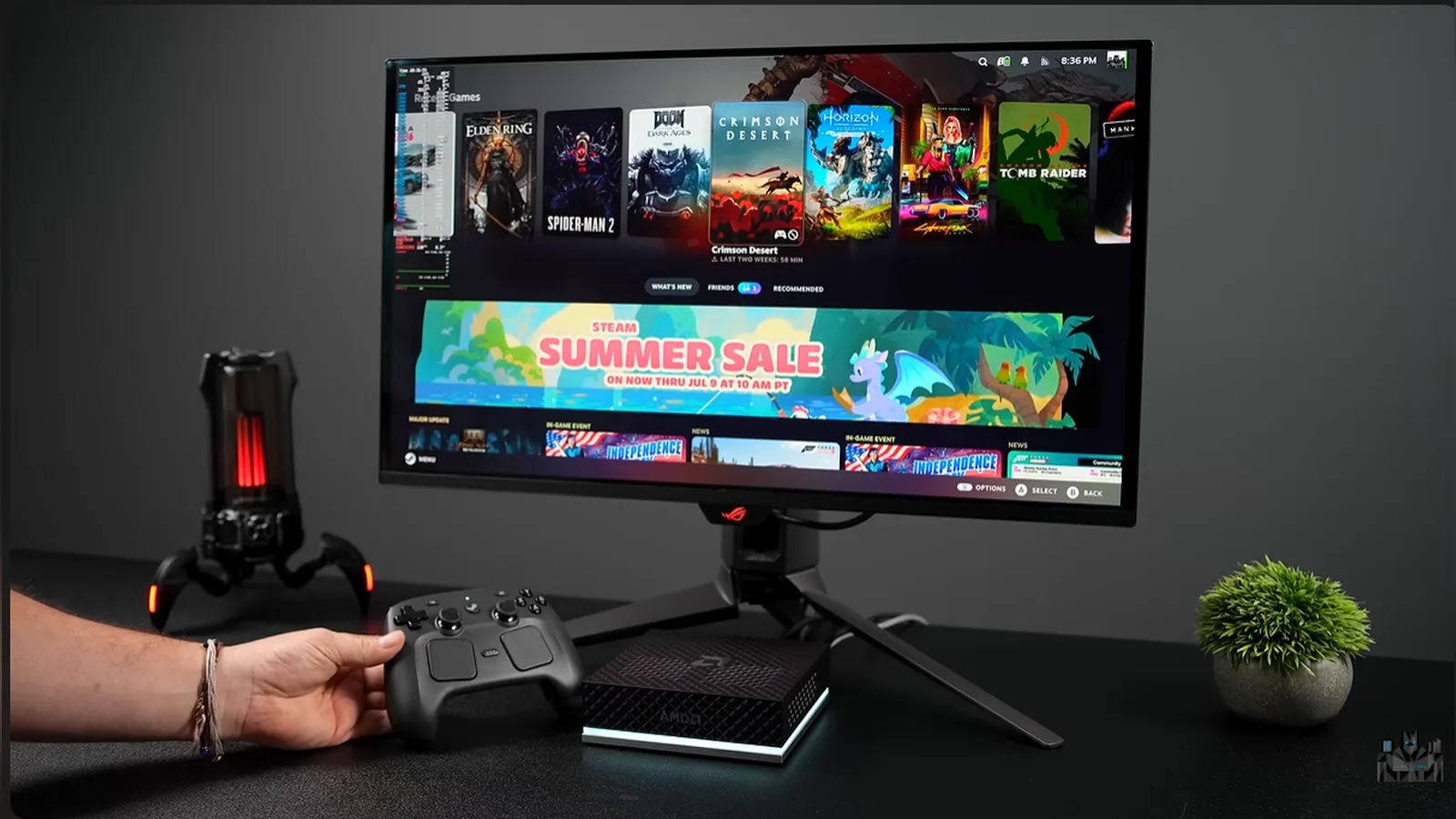
YouTuber ETA Prime has installed SteamOS on a $3,999 AMD Ryzen AI Halo MiniAI workstation to test its gaming capabilities. The one-liter (1,000 cc) mini PC uses the Ryzen AI Max+ 395 processor paired with 128GB of LPDDR5X memory. Strix Halo APUs have primarily been featured in workstation laptops like the Lenovo Yoga Pro 15 and various specialized mini PCs.
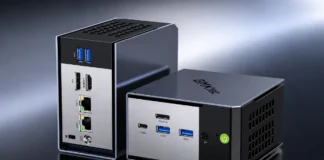
Gamers seeking more reasonable pricing on compact Ryzen hardware can find other consumer models like the GMKtec EVO-X1 Pro Mini PC. Because AMD designed the platform for commercial AI development, retail pricing remains prohibitively high for the general gaming public. However, the custom operating installation shows what a gaming-focused console from AMD could achieve.
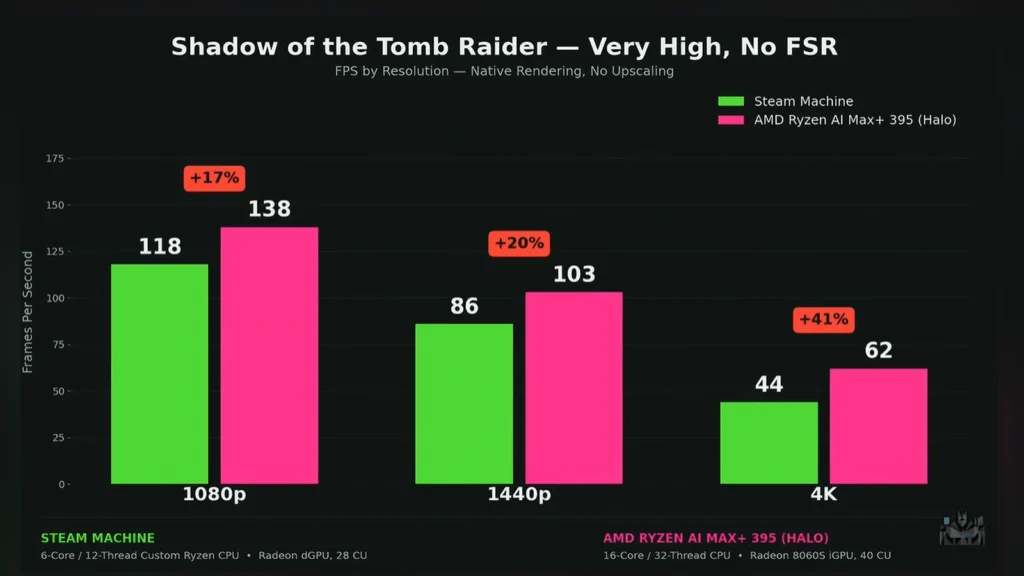
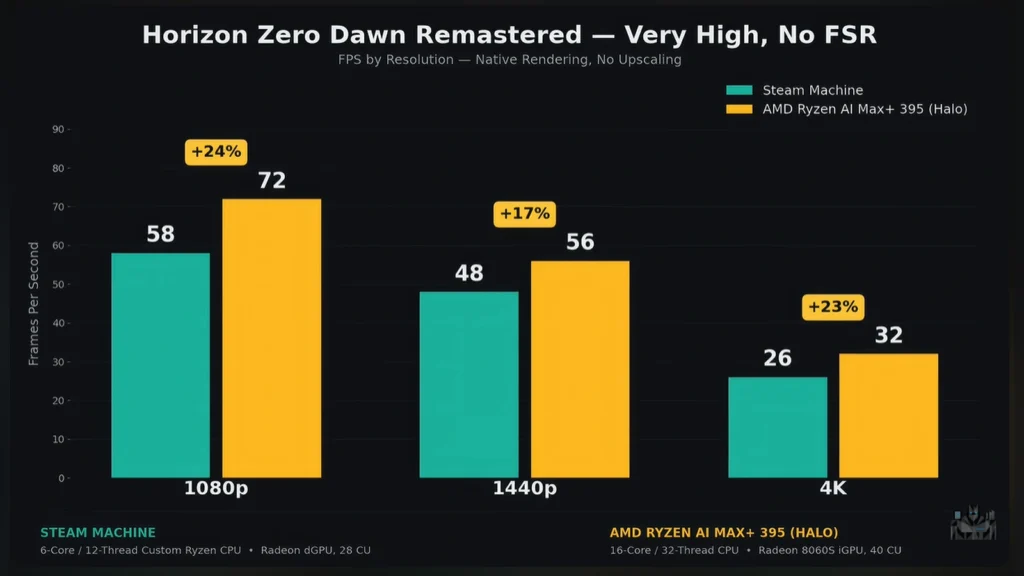
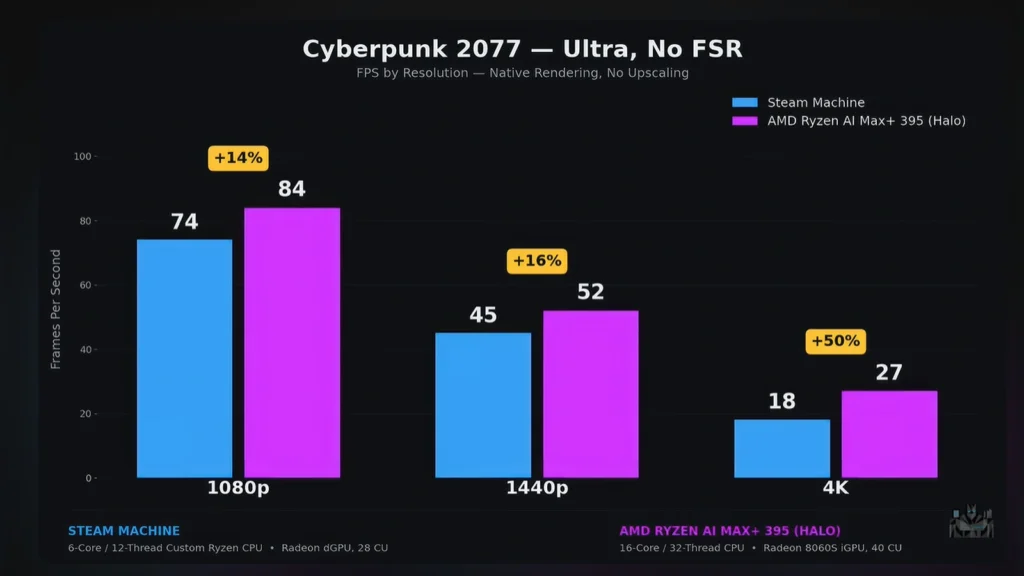
Also read: Best Gaming Laptops
The Ryzen AI Max+ 395 processor has a 16-core, 32-thread Zen 5 CPU configuration alongside a Radeon 8060S integrated graphics card. This graphics unit includes 40 RDNA 3.5 compute units to manage screen rendering workloads. During the setup process, the YouTuber allocated 96GB of the onboard memory directly to the integrated graphics card.
In comparison, Valve’s official console hardware uses a custom six-core Ryzen processor and 16GB of unified memory. The official device is priced between $1,049 and $1,349, making the Ryzen AI Halo unit roughly $2,650 more expensive. This price difference makes the workstation configuration impractical as a consumer console alternative.
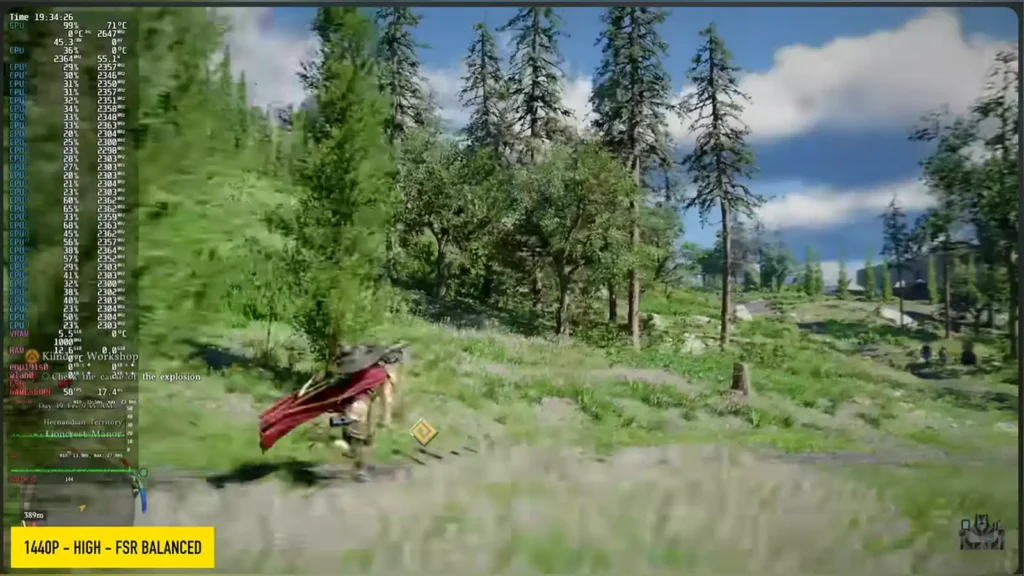
In gaming tests at 1080p resolution, the Radeon 8060S was between 14% and 24% faster than Valve’s hardware. The benchmark suite included *Cyberpunk 2077*, *Shadow of the Tomb Raider*, and *Horizon Zero Dawn Remastered*. At native 4K resolution, the performance lead increased up to 50%, with the Ryzen AI Halo workstation reaching 62 frames per second in *Shadow of the Tomb Raider*.
The demonstration shows that AMD possesses the hardware needed to build an extremely capable gaming console. Adjusting the memory capacity and optimizing the firmware could allow the brand to release a competitive product at a lower price point. PC builders will need to watch if AMD eventually introduces Strix Halo chips to consumer gaming desktops.
Source: ETA Prime on YouTube