
AMD has expanded its Ryzen 200 and Ryzen 100 series processor lineups by adding eleven new Hawk Point configurations to its official database. The new chips use Zen 4 or hybrid Zen 4 and Zen 4c core designs with RDNA 3 integrated graphics. AMD’s product website lists June 2, 2026 as the launch date for the consumer models.
Mixing different processor designs under similar product names creates a complex hardware catalog for customers. Attentive buyers will need to read database specifications carefully to distinguish between Zen 3+ and Zen 4 architectures. Some of the higher-end Ryzen 200 parts are already appearing in gaming configurations, such as the Lenovo LOQ 15 Gen 11 laptop.
Also read: Best Gaming Laptops
The Ryzen 200 family adds seven new consumer-focused processors to its desktop and laptop lineups. These include the Ryzen 7 253, Ryzen 7 249, Ryzen 5 225, Ryzen 5 224, Ryzen 7 217, Ryzen 5 216, and Ryzen 3 205. The Ryzen 3 205 model stands out with an unusual layout that includes six cores (two Zen 4 and four Zen 4c) but supports only eight threads.
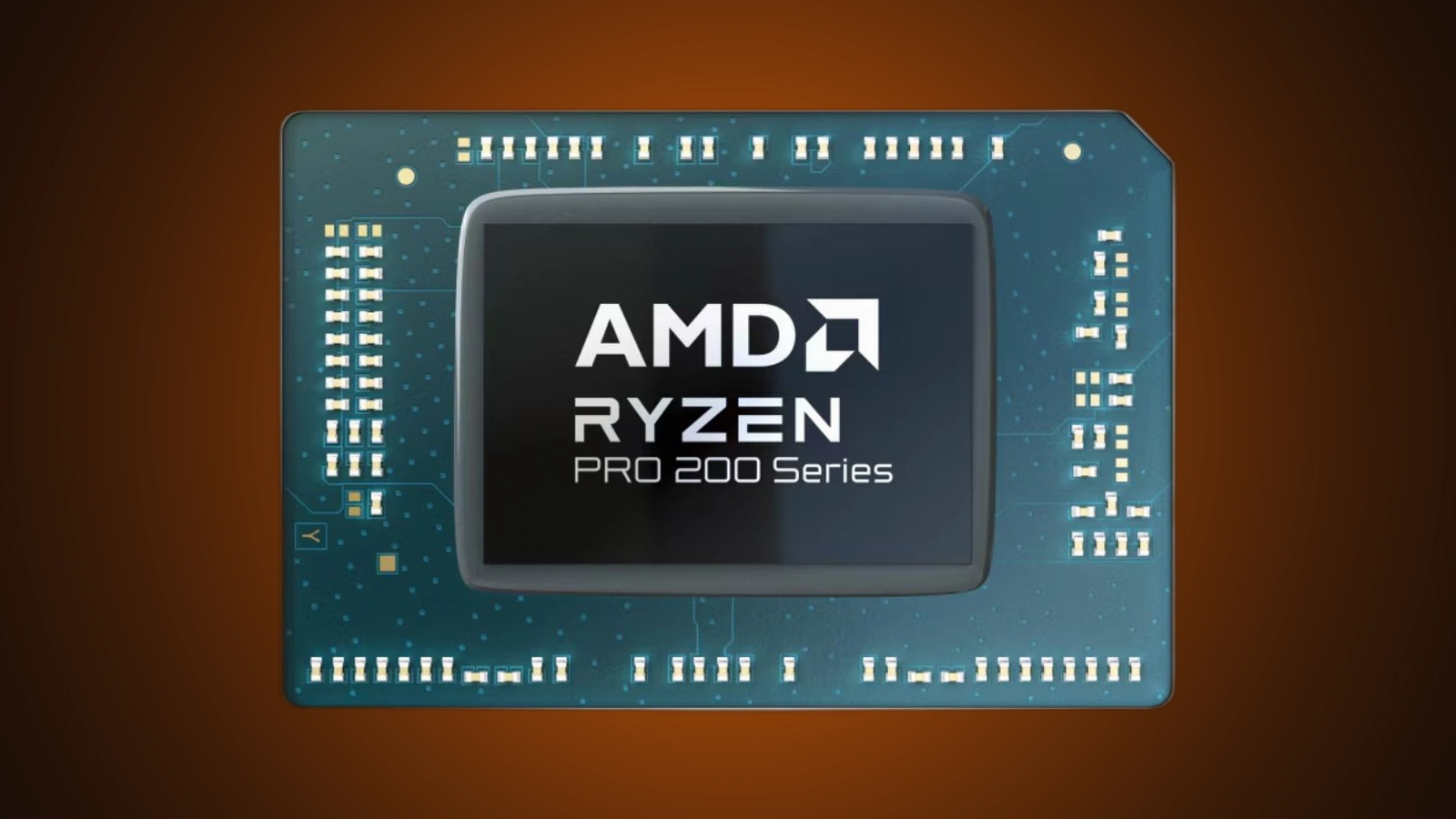
In addition to the consumer models, AMD introduces the business-oriented Ryzen PRO 200 lineup. This separate business family contains the Ryzen 7 PRO 250, Ryzen 5 PRO 230, Ryzen 5 PRO 220, and Ryzen 3 PRO 210. These commercial chips will likely target office laptops and compact desktop computers later this year.
The entry-level Ryzen 100 family adds the Ryzen 9 180, Ryzen 7 165, Ryzen 7 155, and Ryzen 5 125. While the original Ryzen 100 models are 6nm Rembrandt chips with Zen 3+ cores and RDNA 2 graphics, these four new additions use 4nm Hawk Point silicon. Meanwhile, older Rembrandt-based models have seen success in budget laptops like the Lenovo Lecoo 14, which targets cost-conscious shoppers.
Currently, AMD’s specifications database incorrectly labels these four new models as using the Zen 3+ architecture. However, the database details confirm that they are 4nm processors with RDNA 3 graphics, which corresponds to the Zen 4 architecture. The updated firmware versions required to run these APUs are already rolling out to hardware manufacturers.
Source: AMD