
AMD’s Radeon RX 9000 graphics cards could become more expensive during the second half of 2026, according to a new supply-chain rumor. Industry sources claim AMD is considering a 10% to 15% increase in GPU and memory bundle pricing for Board Channels, with the adjustment reportedly planned for the third quarter of the year.
The report originates from discussions shared through Board Channels. While AMD has not confirmed the information, the rumor points to rising graphics memory costs as the primary factor behind the proposed increase.
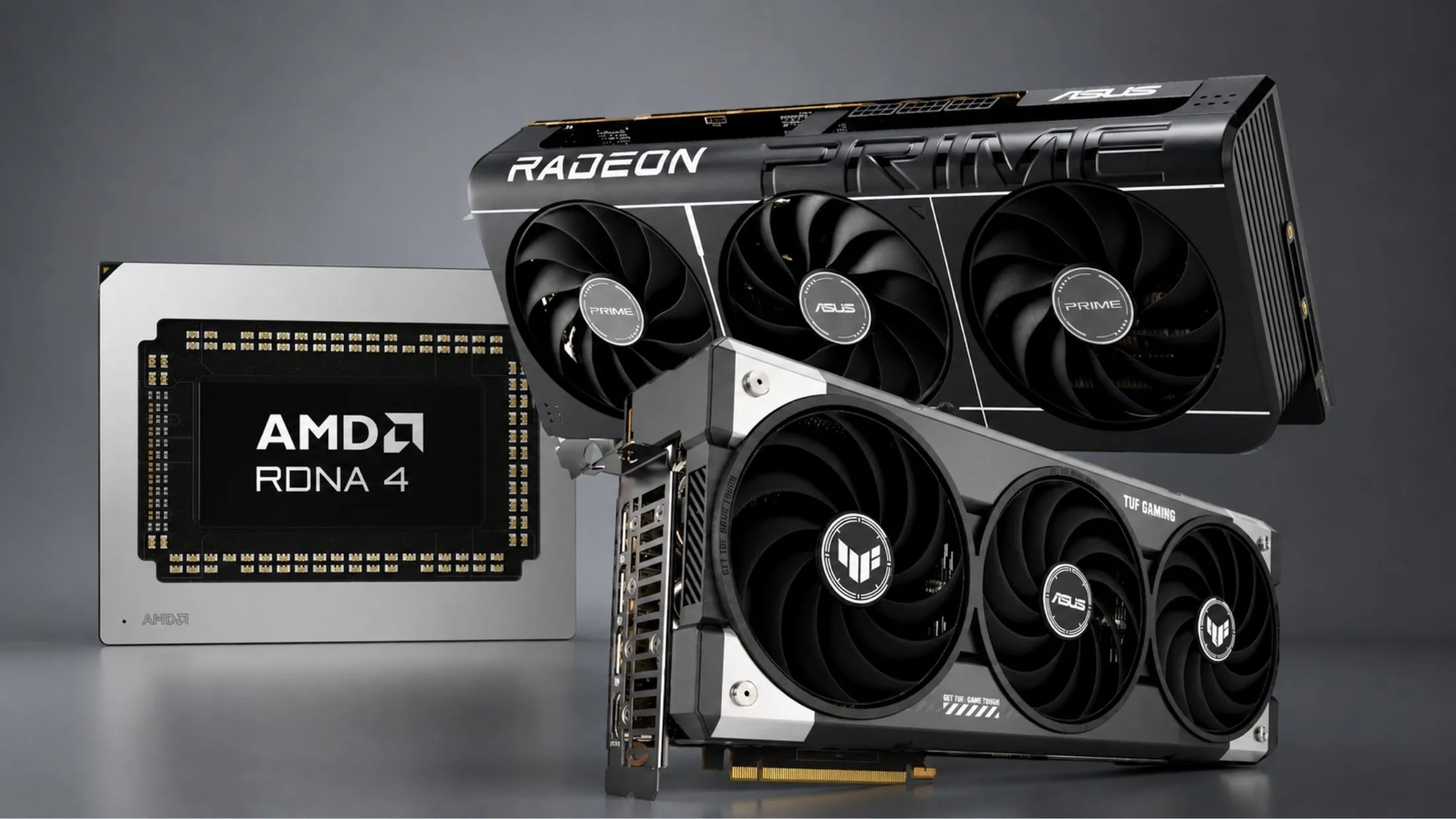
The potential adjustment would affect AMD’s current RDNA 4 lineup, including the Radeon RX 9070 XT and Radeon RX 9070. These cards compete directly with NVIDIA’s GeForce RTX 5070 Ti and RTX 5070 in the upper-midrange gaming segment.
AMD reportedly supplies partners with bundled GPU and memory packages. When memory procurement costs increase, Board Channels often face higher production expenses before cards reach retailers.
Memory pricing has remained elevated throughout 2026. Demand from data centers, enterprise infrastructure, and high-performance computing hardware continues to consume large volumes of DRAM supply, creating pressure across multiple hardware categories.
A 10% to 15% increase at the supplier level would not automatically result in the same increase at retail. Final pricing still depends on Board Channels, distributors, inventory levels, regional demand, and retailer margins.
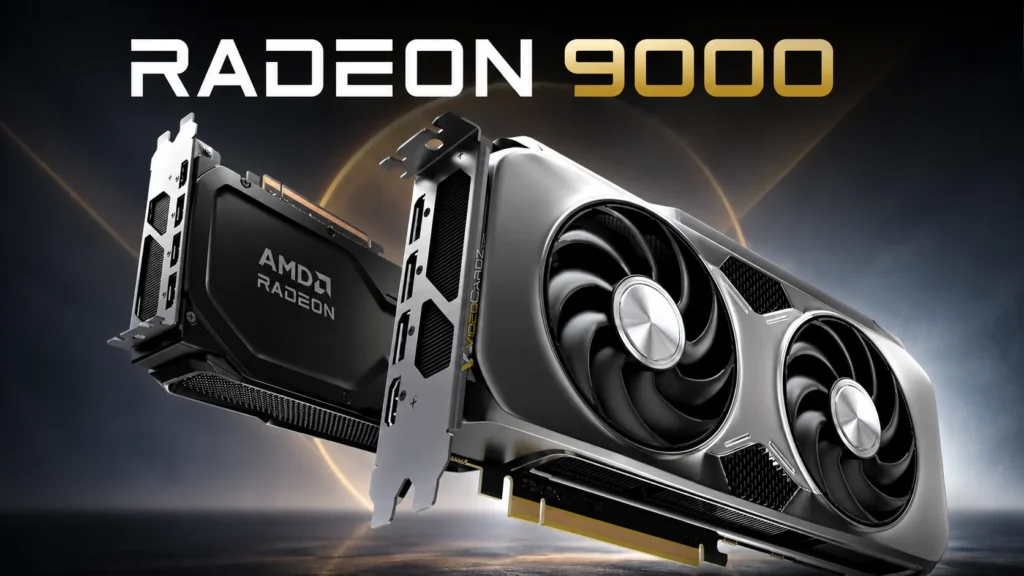
Cards with larger memory capacities could see a greater impact because memory accounts for a larger share of manufacturing costs. Premium Radeon models generally feel memory price fluctuations more quickly than entry-level products.
The report arrives while many RX 9000-series graphics cards continue selling above MSRP in several markets. Although availability has improved compared to launch periods, retail pricing has not always aligned with AMD’s original targets.
The RX 9070 XT competes against NVIDIA’s RTX 5070 Ti, while the RX 9070 faces the RTX 5070. A higher retail price could narrow the gap between Radeon RX 9000 cards and competing GeForce RTX 50-series products.
The same supply-chain discussion indicates NVIDIA partners have not received notice of a similar adjustment. No comparable increase has reportedly been communicated to GeForce Board Channels at the time of writing.
Industry analysts expect memory pricing pressure to continue through the remainder of 2026. If current trends persist, graphics cards may not be the only products affected, as SSDs, laptops, and other memory-dependent hardware categories could face similar cost increases.
AMD has not publicly commented on the report, and Board Channels have not announced any upcoming pricing changes. Until official confirmation emerges, the reported 10% to 15% increase remains an industry rumor.
Source: Board Channels