
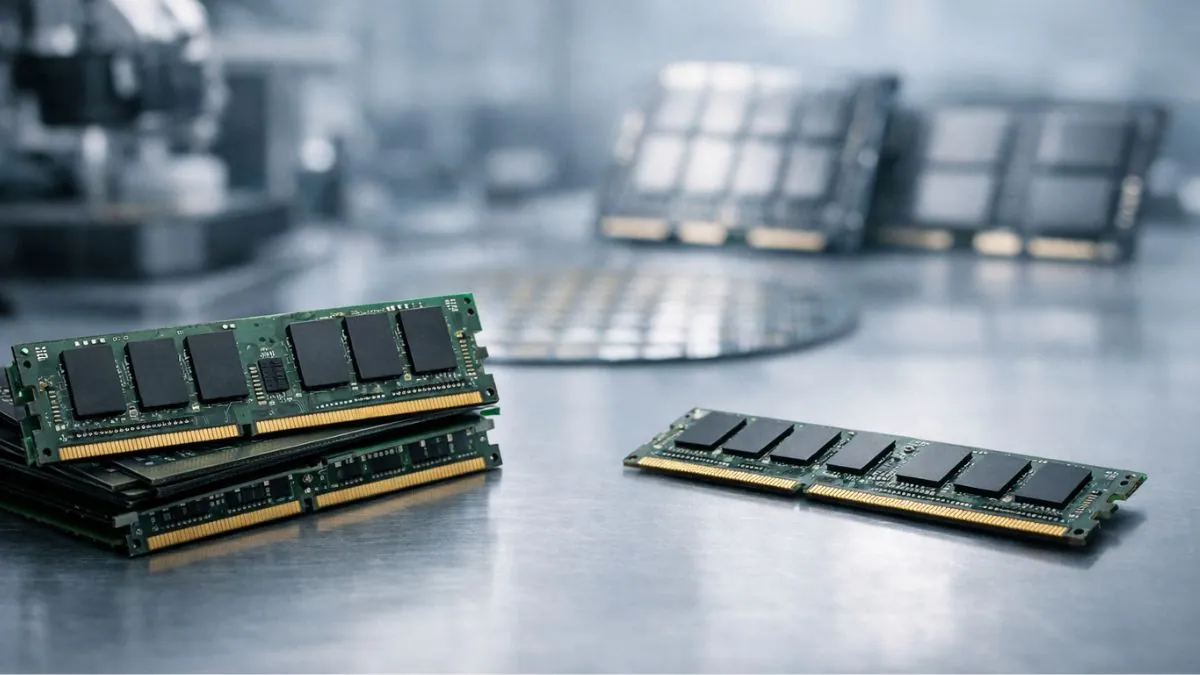
Samsung will continue producing DDR4 memory chips until 2026, even as the industry shifts towards the newer DDR5 technology. This decision comes at a time when memory prices remain elevated, and many PC users find DDR5 RAM too expensive for regular upgrades.
In recent months, DDR5 prices have surged due to increased demand from AI data centers and limited manufacturing capacity. As a result, many PC buyers, including gamers, small businesses, and enterprises, have reverted to DDR4. While DDR4 is also becoming more expensive, it remains cheaper than DDR5, making it a more practical option for budget and mid-range systems.
Industry supply-chain sources indicate that demand for DDR4 remains higher than expected, particularly from enterprise and server customers who purchase memory in large volumes. To meet this demand and mitigate potential market risks, Samsung has decided to keep its existing DDR4 production lines active instead of shutting them down as previously planned.
However, this decision is unlikely to translate into price relief or improved availability for average consumers. According to reports, Samsung has signed at least one non-cancellable, non-returnable supply agreement with a major customer. Under such contracts, both the price and order quantity are fixed, and the buyer cannot cancel or return the products. This protects Samsung’s revenue but prevents additional DDR4 supply from reaching the open retail market.
Samsung is also not increasing its total DDR4 output. Instead, existing production is being carefully allocated to select high-volume customers, primarily in the enterprise and server segments. As a result, the shortage of DDR4 is expected to continue, and despite ongoing production, prices for gamers and home PC users are likely to remain high.
Also Read: Best PC Games to Play
Another major memory manufacturer, SK Hynix, is also expected to continue producing DDR4 chips. However, analysts warn that this alone will not be enough to significantly alleviate supply pressures, as most of the industry’s manufacturing capacity is focused on higher-margin DDR5 and AI-related memory products.
For PC builders, this situation creates a small but useful window of opportunity. Many 12th, 13th, and 14th generation Intel processors still support DDR4 motherboards, allowing users to build or upgrade systems without having to switch to the more expensive DDR5 platform. Some motherboard manufacturers have even introduced boards that support both DDR4 and DDR5, offering buyers greater flexibility during this transition period.
Despite the current shortage, some industry experts believe that memory prices won’t remain high indefinitely. They suggest that if demand patterns shift and supply conditions improve slightly, prices could begin to stabilize within the next six months. Until then, consumers are advised to avoid panic buying and plan their upgrades carefully, especially if their current systems are still performing well.
Also Read: Best Laptops with 16GB RAM
Samsung’s decision highlights just how unusual the current memory market has become. The demand for older technologies like DDR4 isn’t driven by performance advantages, but rather because the newer alternatives have become prohibitively expensive. While DDR4 isn’t going away anytime soon, buyers shouldn’t expect significant price drops in the near future.
Sources: Digitimes (Chinese) Via Notebookcheck