
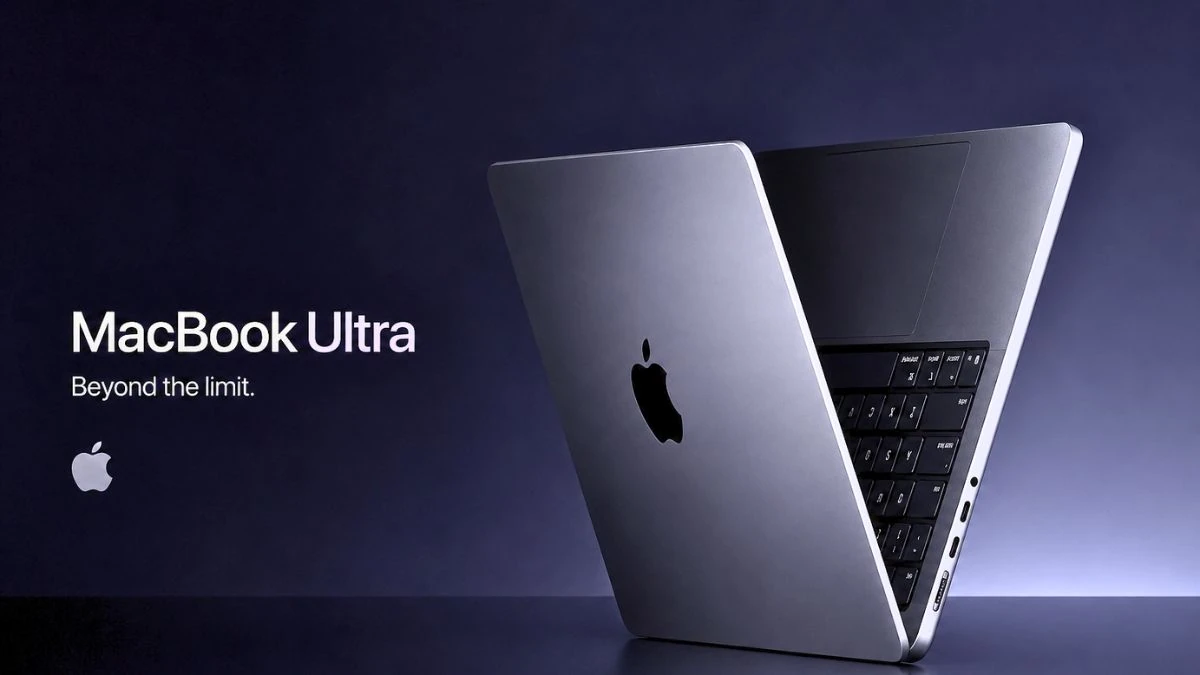
Apple’s long-rumored OLED touchscreen MacBook has reportedly been pushed back to 2027, and the device may launch under a new name: ‘MacBook Ultra’. The change in timeline and branding points to a major shift in Apple’s laptop strategy, with the company preparing something that goes beyond a typical MacBook Pro upgrade.
Recent reports indicate that Apple plans to expand its Ultra branding across more product categories. The name has already appeared on the Apple Watch Ultra and high-end Apple silicon, and it is also expected to be used for a foldable iPhone. Bringing the Ultra label to a MacBook suggests a new top-tier category rather than a refresh of the existing Pro lineup.
The biggest change is expected to be the display, following Apple’s ongoing OLED panel development efforts. Apple is said to be working on an OLED panel with touch input, something the company has avoided for years. While touchscreen laptops are common in the Windows space, Apple has consistently kept macOS focused on keyboard and trackpad use. This device would mark the first time macOS appears on a touchscreen laptop.
OLED technology would also bring visible upgrades. Compared to current MacBook displays, OLED panels offer deeper blacks, higher contrast, and better power efficiency. These improvements could lead to thinner designs or improved battery life, depending on how Apple balances performance and brightness.
The MacBook Ultra is not expected to replace the MacBook Pro, which continues to evolve with new Apple silicon generations. Instead, it would sit above it, offering new hardware features and a higher price point. Apple appears to be keeping the Pro line as the more accessible option, while the Ultra model targets users looking for the most advanced design and features.
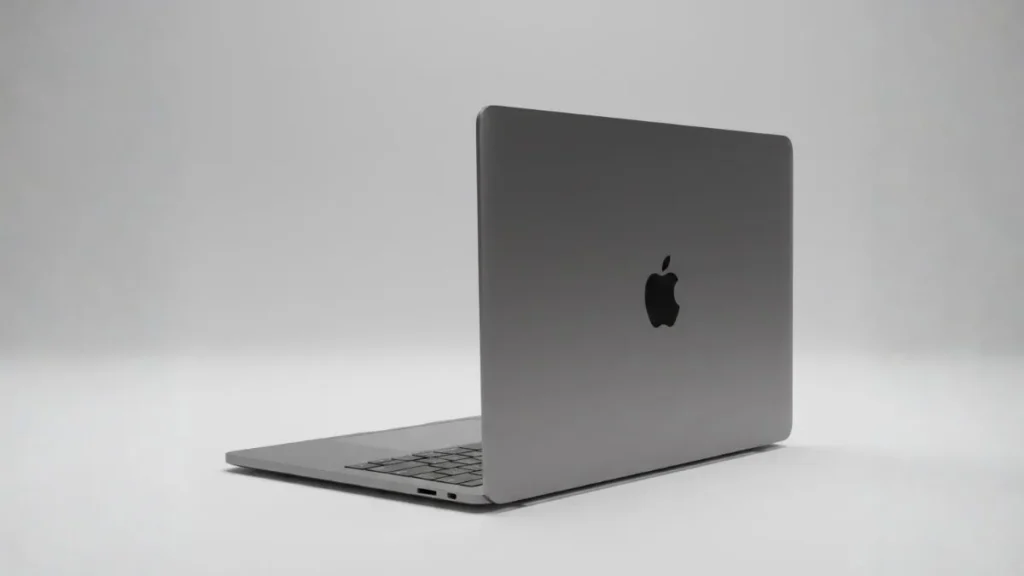
The delay to 2027 is linked to ongoing supply chain challenges, particularly around memory components such as DRAM, which aligns with recent reports on rising memory costs. Earlier expectations pointed to a 2026 launch, but recent updates suggest Apple needs more time before bringing the new design to market. Initial availability could also be limited, especially if Apple introduces new display technology at scale.
There are still many unknowns. Apple has not confirmed details about the chip, memory options, or battery size. Another key question is how macOS will adapt to touch input, since the current interface is not built around finger interaction. Any shift in input method would likely require changes in software design or new interaction features.
The broader strategy shows Apple building an Ultra tier across its lineup. With a foldable iPhone also expected to carry the Ultra name, the company appears to be reserving this branding for products that introduce major hardware changes and sit above existing flagship models.
If the 2027 timeline holds, the MacBook Ultra could become one of the most significant changes to the MacBook lineup in years, combining OLED display technology, touch input, and a new position at the top of Apple’s laptop range.
Source: Macworld