
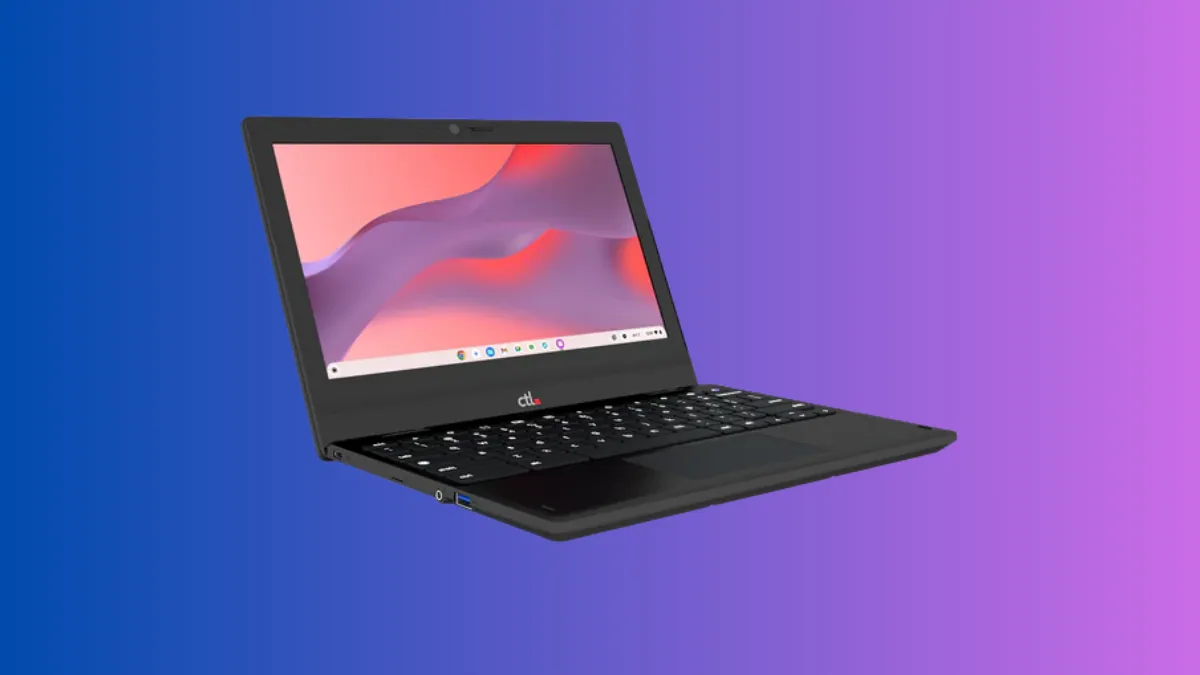
CTL has introduced the PX112C Chromebook Series, a new education-focused Chromebook with built-in 5G, 4G LTE, and CBRS connectivity, aimed at solving one of the biggest challenges in modern learning: reliable internet access. The CTL PX112C Chromebook is designed to provide students with consistent connectivity without relying on home Wi-Fi or external hotspots.
Most Chromebooks still depend on Wi-Fi or a phone hotspot to get online, which isn’t always reliable. The PX112C changes that by adding built-in cellular connectivity, so students can stay connected even when they’re outside school or home networks. For schools trying to support remote classes or digital learning, this can make a real difference in day-to-day use.
CTL says the device is still going through certification with major U.S. carriers like Verizon. More carrier support is expected once those approvals are cleared, so wider connectivity options should follow soon.
The timing of this launch actually matters as many schools and government programs across the United States are still trying to close the digital divide, and it’s far from solved. A lot of students, especially those in rural areas or lower-income households, still deal with unreliable internet, which can make it harder for them to keep up with online classes.
The PX112C Series tackles this problem in a more practical way by building connectivity directly into the Chromebook. Instead of relying on external hotspots, which can be hard to manage and not always reliable, the device keeps students connected more consistently without the extra hassle.
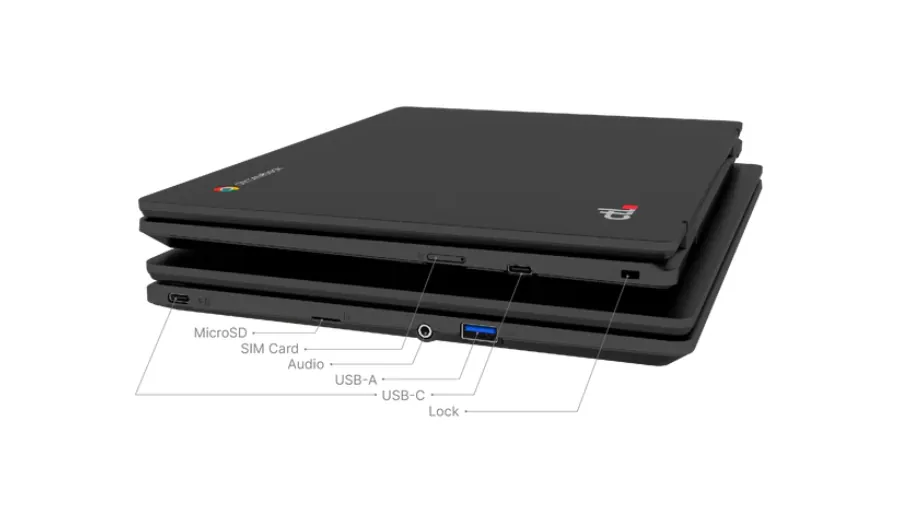
It supports a range of network options, including public 5G and 4G LTE, along with CBRS private wireless networks. This gives school districts the flexibility to choose what works best for them, whether that means partnering with a commercial carrier or setting up their own private network.
For IT teams, built-in connectivity just makes easier to do task, especially when managing large device fleets across schools under 500. Hotspot setups usually mean extra devices, more setup, and more things to keep track of. With the PX112C, everything is handled in one place using tools like the Google Admin Console, so managing a large number of devices becomes much simpler.
Hotspots can introduce risks, particularly in shared or unmanaged environments. By embedding connectivity directly into the device, schools can maintain tighter control over network access and better protect student data.
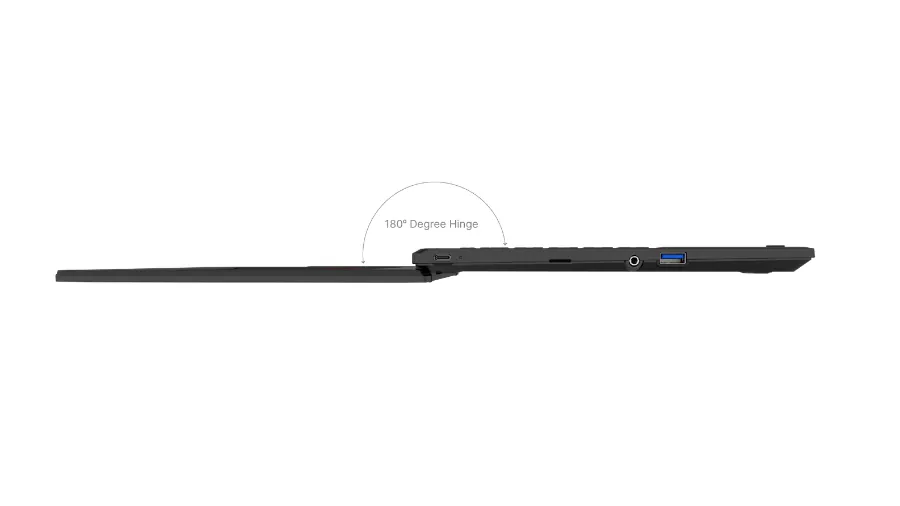
CTL has clearly designed this Chromebook with classrooms in mind. It comes with a rugged build that can handle everyday use, a 180 degree hinge for more flexible positioning, and options for both touchscreen and non-touch versions.
The device is powered by either MediaTek Kompanio or Intel N150 processors, paired with 4GB or 8GB of LPDDR5 memory, reflecting newer memory standards in modern laptops. It also come with 32GB or 64GB of eMMC storage, based on official specifications, part of Intel’s latest low-power CPU lineup.
CTL has confirmed that the PX112C Chromebook Series will be available in the 2nd quarter of 2026, targeting school districts, government programs, and institutional buyers. As carrier certifications expand, wider deployment across the U.S. is expected.
With built-in 5G, LTE, and CBRS support, the CTL PX112C Chromebook offers a simple way to keep students connected without extra setup. It could also shape how schools think about rolling out devices in the coming years.
CTL PX112C Chromebook: Key Specifications
| Connectivity | Built-in 5G, 4G LTE, CBRS |
| Display | 11.6-inch HD (Touch and Non-touch) |
| Processor | MediaTek Kompanio or Intel N150 |
| RAM | 4GB or 8GB LPDDR5 |
| 180-degree flat hinge | 32GB or 64GB eMMC |
| Build | Rugged classroom-ready design |
| Hinge | 180 degree flat hinge |
| Operating System | ChromeOS |
| Management | Google Admin Console |
| Security | Integrated connectivity, no hotspot dependency |
| Battery | All-day usage optimized |
| Sustainability | Recycled materials, eco-friendly packaging |
| Availability | Q2 2026 |
Source: CTL