
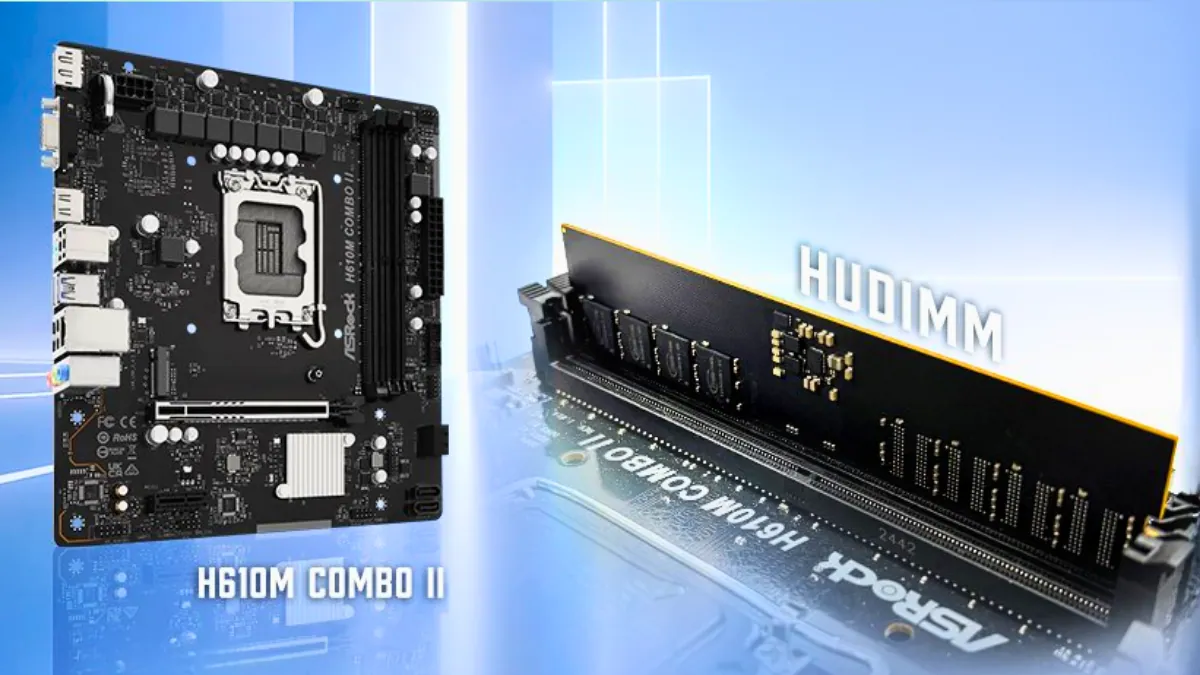
SRock has introduced support for a new DDR5 memory format called HUDIMM across its Intel 600, 700, and 800 series motherboards, expanding options for users following recent MSI MAG B850M Gaming Pro Max WiFi motherboard launches, a move that could help bring down DDR5 prices and make next-generation memory more accessible for everyday PC users.
HUDIMM takes a different approach to memory design. Instead of the standard dual 32-bit sub-channel layout used in DDR5, it uses a single 32-bit sub-channel, often referred to as a “one sub-channel” setup. By reducing the number of memory chips by nearly half, it aims to offer a more affordable DDR5 option at a time when DRAM prices are still unpredictable, following trends seen in the recent Biostar budget DDR5 16GB RAM launch
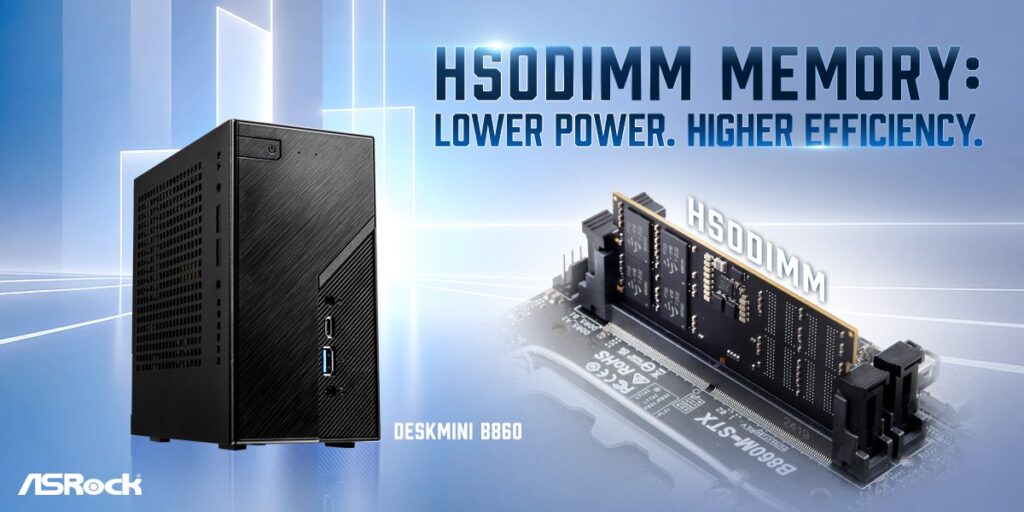
SRock says support will come through BIOS updates on compatible Intel motherboards, similar to recent platform fixes like the ASRock AM5 no boot BIOS update fix, so users won’t need new hardware to try this memory format. The company is also bringing support to compact DeskMini systems that use HSODIMM DDR5 modules, a move that aligns with demand in the best mini PCs and compact systems segment, suggesting a wider rollout across different types of PCs.
Industry sources suggest the technology is being developed alongside Intel and memory partners like TeamGroup, with the aim of making DDR5 more accessible in price-sensitive segments. It also supports mixed memory setups, giving users more flexibility compared to traditional configurations.
Early tests suggest that mixing different module types, like an 8GB single sub-channel stick with a 16GB dual sub-channel module, can sometimes deliver better bandwidth and lower latency than a typical 24GB dual-channel setup. That means HUDIMM isn’t just about cutting costs it could also be a practical option for more flexible memory configurations.
With memory prices still fluctuating and supply not always stable, manufacturers are clearly trying to find a better balance between performance and cost. HUDIMM looks like one of those attempts, offering a more affordable approach while still working with existing DDR5 systems.
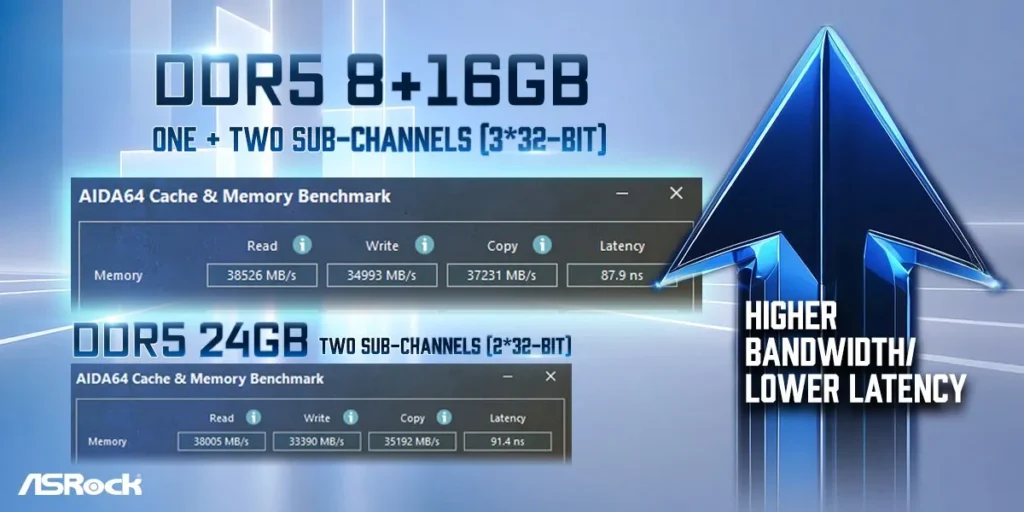
There are some trade-offs, though, especially when compared with premium enthusiast platforms like the Gigabyte Z890 Tachyon Duo X Ice DDR5-10400 board Since it uses a single sub-channel design, HUDIMM can’t match the peak bandwidth of standard dual sub-channel DDR5 in more demanding workloads. Because of that, it’s better suited for entry-level systems, office PCs, and budget builds rather than high-end gaming rigs or professional setups.
ASRock is among the first motherboard makers to bring this kind of DDR5 design to consumers. If the expected cost savings actually show up in retail pricing, HUDIMM could influence how future DDR5 systems are put together, especially for users who care more about value than maximum performance.
The company hasn’t shared pricing or availability yet, and wider adoption will really come down to how quickly memory makers can scale production and whether those cost savings actually show up in retail prices.
Source: ASRock