
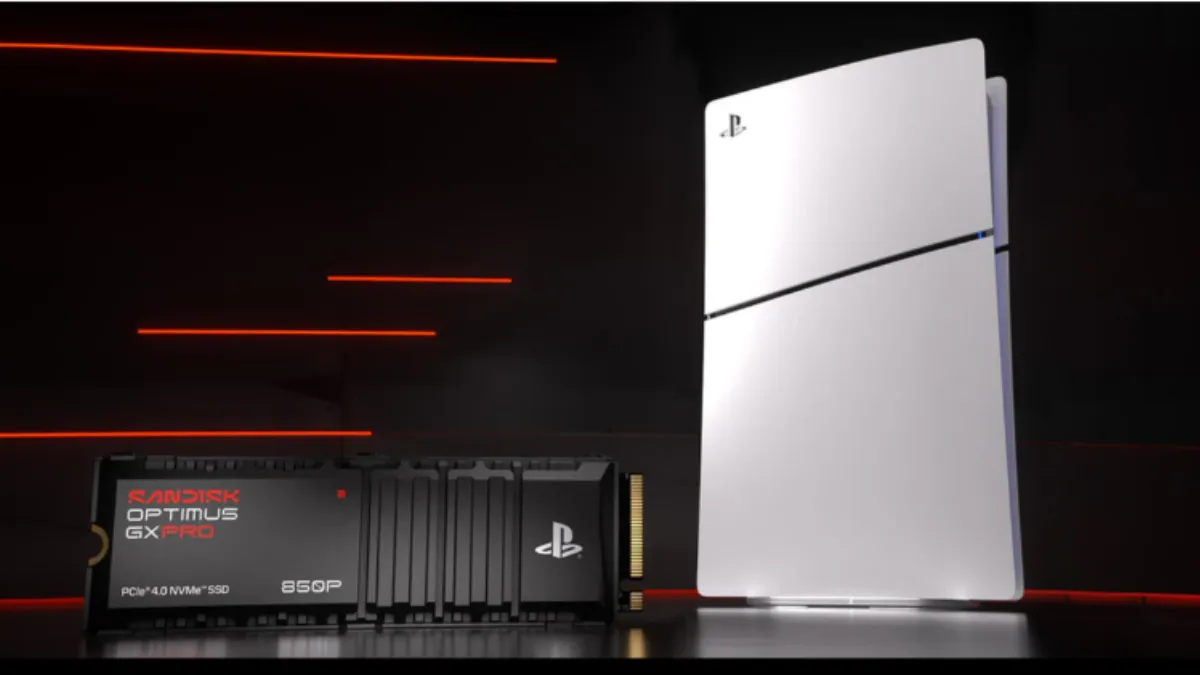
SanDisk has launched a new 8TB SSD for the PlayStation 5 and PlayStation 5 Pro, but its price may be the first thing most gamers notice. The officially licensed Optimus GX PRO 850P costs nearly $3,000, making it one of the most expensive storage upgrades currently available for Sony’s gaming consoles.
The flagship 8TB model is listed at $2,959.99, a price that exceeds the combined cost of multiple PS5 consoles. For comparison, Sony’s PlayStation 5 Pro carries a retail price of $699.99, meaning buyers could purchase more than four consoles for roughly the same amount of money as the SSD alone.
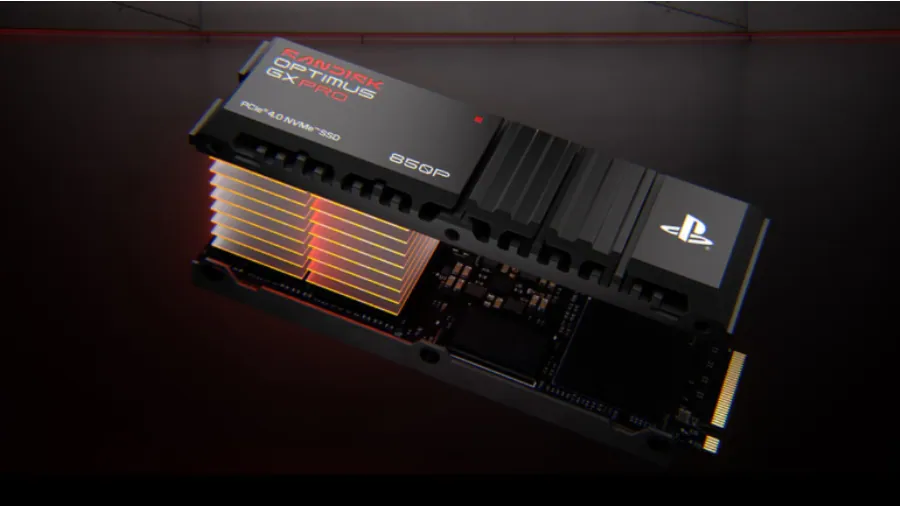
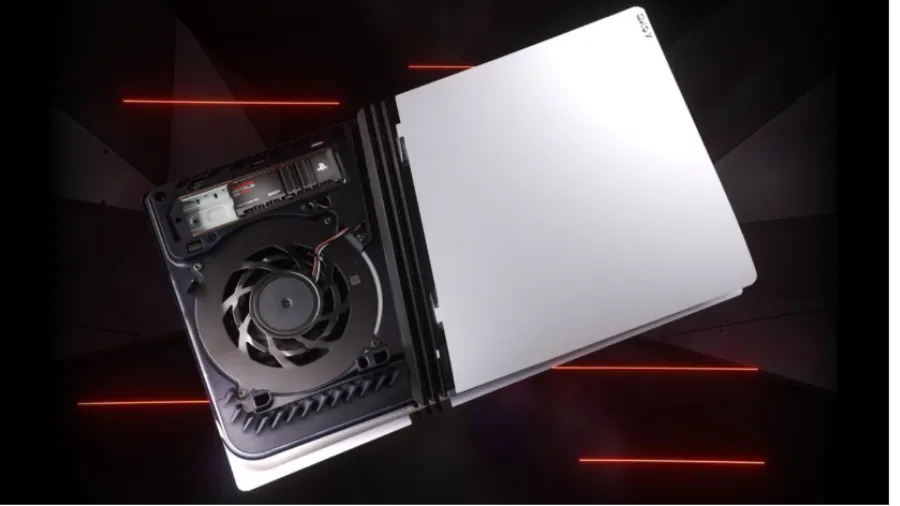
The Optimus GX PRO 850P is made for gamers that want as much storage as possible without sacrificing performance, despite the sticker shock. The drive was created especially for the PS5’s M.2 expansion slot and has an official license from PlayStation. Users upgrading their console storage may also want to check our guide on PS5 Error Code CE-107622-8, which covers common storage and installation-related issues. It is made to satisfy Sony’s thermal specifications and has a personalized heatsink with PlayStation logo.
SSD can reach sequential read speeds of up to 7,200 MB/s and write speeds of up to 6,600 MB/s. It also delivers up to 1.2 million random read and write IOPS, helping reduce load times and keep games running smoothly when installed on the expanded storage drive.
The Optimus GX PRO 850P is available in 1TB, 2TB, 4TB, and 8TB versions. SanDisk says the 8TB model can hold up to 200 games, based on an average game size of 36GB. With many modern games taking up more storage than ever, larger SSDs are becoming increasingly useful for players with extensive digital game libraries.
Launch pricing highlights just how expensive high-capacity flash storage remains. The 1TB model starts at $379.99, while the 2TB version costs $759.99. The 4TB model is priced at $1,499.99, and the flagship 8TB version reaches $2,959.99. SanDisk currently lists these as promotional launch prices, with original prices set even higher.
The pricing is especially striking because the 8TB SSD costs more than many high-end gaming PCs. It also highlights how expensive ultra-high-capacity NVMe storage remains. For readers comparing different storage technologies, our guide on Cloud Storage explains how local SSD storage differs from cloud-based solutions. While storage prices have generally fallen over the years, large-capacity SSDs like this still carry a significant premium compared to more mainstream options.
The drive supports immediate game installation and gameplay, and it comes with a five-year limited warranty. Instead of transferring games between storage devices to spare up space, players can run games straight from the SSD.
The increasing need for larger storage options is also reflected in the launch. As more players move away from physical discs, digital game libraries continue to grow, and Modern games often approach 100GB, which is one reason many players are paying closer attention to HDD vs SSD storage options when managing large game libraries. Storage capacity is becoming more important than ever for gamers who want to install dozens or even hundreds of games at once.
Lower-capacity SSDs will continue to be the more sensible option for the majority of PlayStation owners. For those who desire the biggest legally licensed storage increase currently offered for the PS5 and PS5 Pro, the Optimus GX PRO 850P presents a fresh choice.
The Optimus GX PRO 850P offers ample storage with up to 8TB of capacity. Readers unfamiliar with storage specifications can also learn more about eMMC vs SSD storage technologies and how different storage types affect performance., full PlayStation certification, PCIe 4.0 performance, and support for up to 200 games. For many players, the most important consideration is whether the convenience justifies the cost of a whole gaming setup.
Source: SanDisk