

Are you looking for the best laptop for construction management in 2026?
Well, you have come to the right place here; let us know everything in detail.
Today, laptops are virtual machines for anyone (such as students, business people, and other professionals).
Everyone likes to use new technologies such as Chat GPT, Google Bard, etc, and complete their professional work as quickly as possible.
Nowadays, everyone is buying a laptop because they can afford it without thinking about it. Therefore, this convenient device allows you to work anytime, anywhere ASAP.
Laptops are essential for tracking ongoing projects, managing labor allocation, and overseeing multiple construction sites from a central location. It provides instant information on project progress and helps coordinate the workforce efficiently.
A few years ago, the weight of almost all laptops showed good performance, which means that the weight of laptops is becoming more and more standardized.
But time has changed, and technology has become more and more belly-up. There are still some things that need fixing; you must remember them when buying electronic products.
According to your plan, construction management can be a light task or heavy work. Also, it would be best if you understood what you have learned so that your laptop can provide you with quality services in the next few years.
For business professionals (especially construction workers) who use the required software every day, this is a challenging decision a slim model that should be chosen to simplify the studio’s journey to the field.
Which laptop is best for construction work?
Portable and durable laptops are best for construction work. However, a rugged laptop can provide sufficient power, and a protective chassis allows you to work under extreme conditions without worrying about damaging the equipment.
It should be equipped with powerful hardware to help users run important programs to complete their work more efficiently.
It would be best to remember that even in inclement weather, the laptop you are looking for will be ashamed.
First, we include high-end and mid-range portable and durable laptops on our lists. After that, we listed the most rugged and durable laptops designed to withstand drops, knocks, water, dust, and extreme temperatures.
You already know that you have to spend more and more money on construction management in dangerous places on the earth. Therefore, you must keep everything calm and relax your mind, and body to take care of Goods and services.
A powerful, slim laptop can efficiently run Rabbit, 3D modeling, and other software. Most construction workers use AutoCAD, so you need a better machine.
What to look for in the best laptops for construction management?
You must understand some components to use a better laptop for construction management.
You must consider some essential features when looking for the best laptop for construction management.
We conducted a lot of research and found the best hardware and software specifications. After reading all of these, you must have a better laptop. I will be able to find your architectural works.
One must understand these essential functions before buying a laptop for construction management.
CPU (Processor)
The essential component of any laptop is the CPU or processor. The better the CPU in a notebook computer, the better its performance.
Many CPU manufacturers, such as Intel, AMD, and Apple processors, are on the market. Another unique and important thing is that the new generation CPU’s performance will be better than the old CPU.
Choose the largest core processor because more cores provide the highest efficiency—similarly, the number of threads executing the same process as the core.
Memory (RAM)
RAM stands for random access memory, and its speed is MHz, so please check what MHz is.
There are various kinds of memory on the market today, such as DDR4, and DDR5, so please use them on your laptop as much as possible.
By taking up more and more memory on the processor, you will get better performance and get better performance.
You will need enough RAM to ensure your laptop can store and run what the fast processor is trying to run.
GPU (Graphics Card)
There are two types of graphics cards: integrated and shirt graphics cards, and the other is dedicated graphics cards.
The chat graphics card will take up working storage space; for example, if your laptop is still intact, 2GB of that will be used for the graphics card.
In terms of building management, shared graphics cards will be a good choice for most users.
Over the years, Intel’s shared graphics card has made significant progress and can handle light graphics workloads.
A dedicated graphics card means inserting it into an extra slot for graphics-intensive tasks.
The integrated GPU is insufficient if you want to use a laptop to perform heavy tasks, such as 3D modeling and video editing courses. You need to buy a dedicated graphics card, but it also costs more.
Most dedicated mid-range Nvidia GPUs are suitable and cost-effective. You will be able to run your modeling application without experiencing any lag issues.
Storage
You need to know that construction management or architectural design documents usually require a lot of space, so the more significant the storage space, the better your profits.
Today, most laptops are equipped with solid-state drives instead of hard disks (HDDs). This is because SSDs are faster and more reliable than mechanical hard drives.
You must remember that the laptop should have a primary storage SSD because the operating system on the SSD is turned on immediately; even if you spend more money, it will be better.
Display
If you want to work in construction management, you will spend most of your time on your laptop screen. If the laptop screen is not well captured, it will be a big problem, and some monitors may also dazzle you.
You must keep the size, brightness, and resolution in mind when considering the display.
In terms of size, you can choose a 14-inch to 15.6-inch screen.
Nits calculate brightness, so please choose a laptop with brightness over 250 nits and Full HD resolution.
Design
We must make some compromises in design for construction work because a beautifully-looking laptop is good but not durable.
Choose a machine that can survive extreme temperatures, water, shock, and magnetic fields.
For this reason, it should have a solid body to prevent magnetic fields from interfering with the function of the hard drive.
Battery Life
Battery life is crucial for your construction management, especially for management students.
If you are not a student, you are the construction manager, but you will get a lot of help because you will stay outdoors more often.
Choose a laptop with a better battery, which can run all day without charging, and should also support fast charging technology.
Operating System
The operating system’s choice depends on some factors; for example, if you are a student now, your college or school’s operating system. Most colleges recommend the easiest-to-use Windows operating system.
If you have very little money, a new operating system will appear today, and Chrome OS can also be an option.
There will be no financial pressure; you should only use macOS because it provides higher security.
Ports and Connectivity
How many ports do you want to use on your laptop? It depends on your choice because construction management and port usage will be low.
But there must be a minimum of USB ports; for example, a USB Type C board will help install additional peripherals for the outpost.
Yes, you have to pay a little attention to connectivity because today’s new laptops have the fastest connectivity and help you a lot. For some fast connections (such as wifi), Bluetooth helps transfer data at extremely high speeds.
Portability and Durability
Another essential factor of any laptop is portability and durability, especially if you are a construction professional or student.
Portability will play a crucial role when taking laptops out of the home. If you buy a bulky laptop, it may cause you trouble carrying it.
Also, it would be best if you chose metal bodies because they are more durable than plastic.
Minimum & Recommended Laptop Requirements for Construction Management
| Specs | Minimum | Recommended |
|---|---|---|
| Screen | Full HD (1920 x 1080) | Full HD (1920 x 1080) or more |
| CPU | 11th Gen Intel Core i3/i5, AMD Ryzen 5 | 12th-14th Gen Intel Core i5/i7 , Ryzen 5/7 or Apple M Series |
| GPU | Integrated Intel/AMD | Shared Intel/AMD or Dedicated NVIDIA |
| Memory | 4GB | 8GB or more |
| Storage | 128GB SSD | 256GB SSD or more |
| Battery Life | 5 Hour | 8 hours or more |
| Weight | 4.2 lbs (1.9 Kg) Max | 3.75 lbs (1.7 Kg) or Less |
8 Best Laptops for Construction Manager: Top Pick
| Image | Product | Feature | Price |
|---|---|---|---|
TOP Pick
 |
Apple MacBook Pro M5 |
| Check Price |
Best Overall
 |
HP Zbook Studio G9 |
| Check Price |
 |
ASUS ROG Strix G16 |
| Check Price |
TOP Pick
|
Apple MacBook Pro M5 |
| Check Price |
Best Budget Picks
 |
HP EliteBook 6 G1i |
| Check Price |
 |
ASUS ZenBook 14 |
| Check Price |
 | Microsoft Surface Laptop 7 |
| Check Price |
 |
Lenovo ThinkPad E16 |
| Check Price |
Best macOS Laptop for AI Researchers
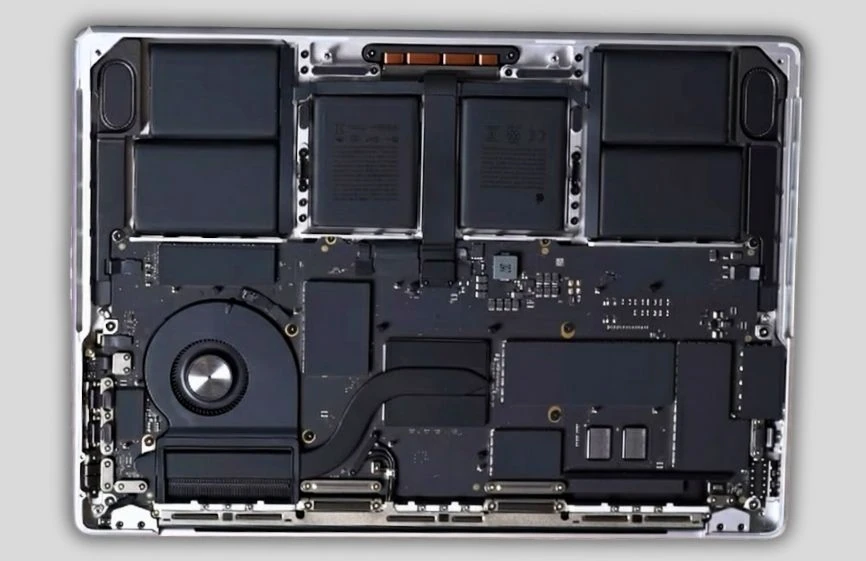
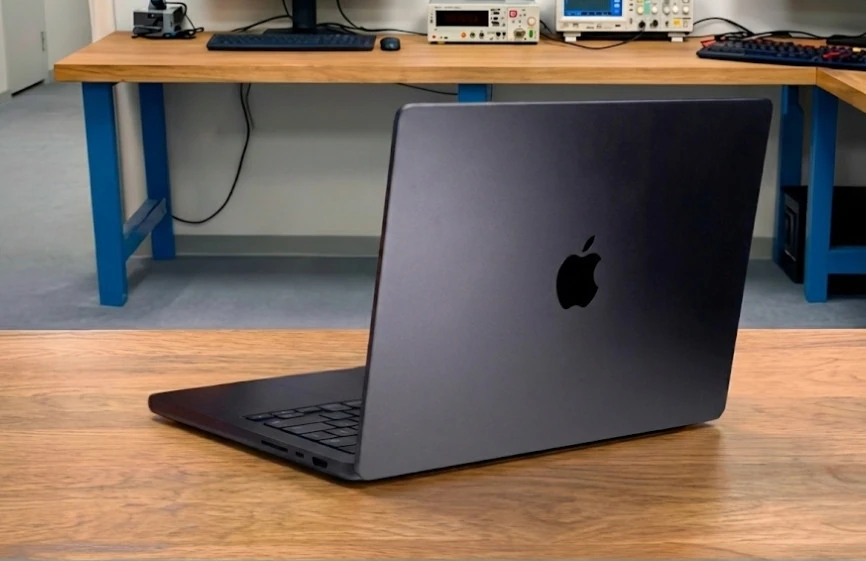
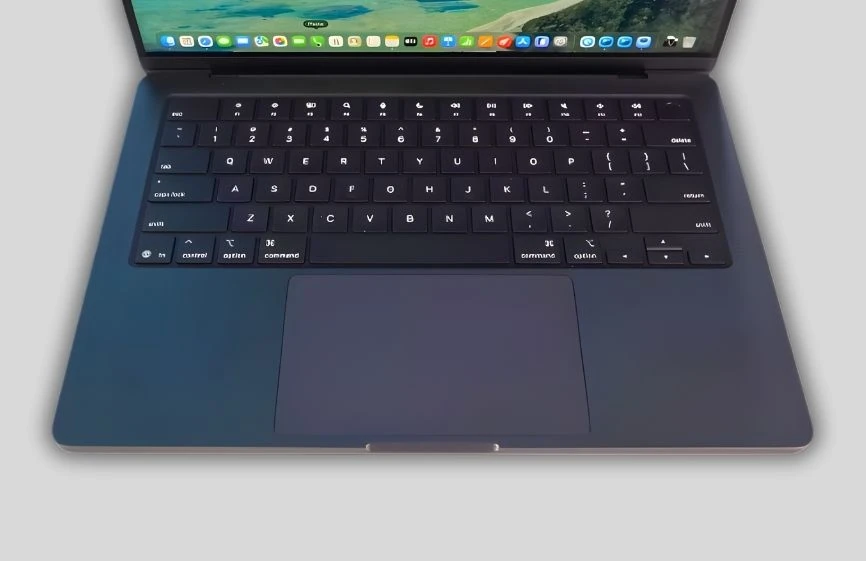
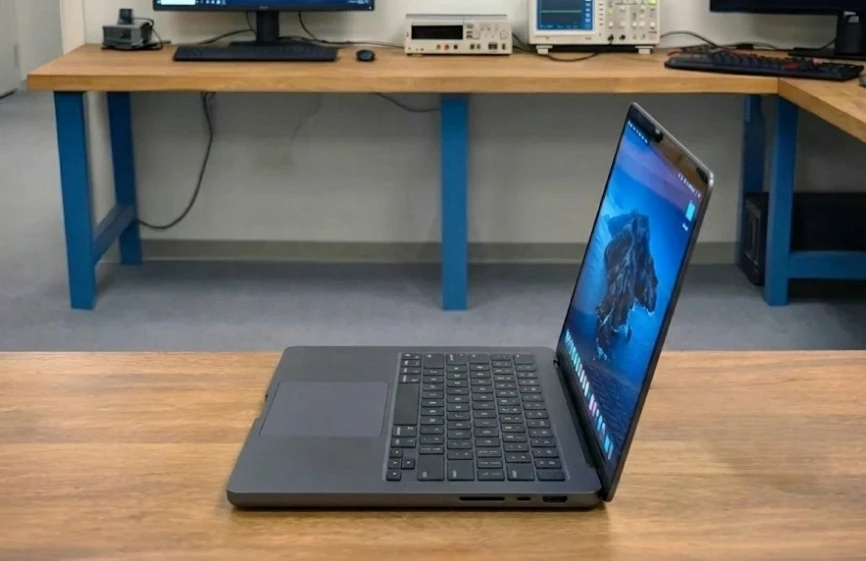
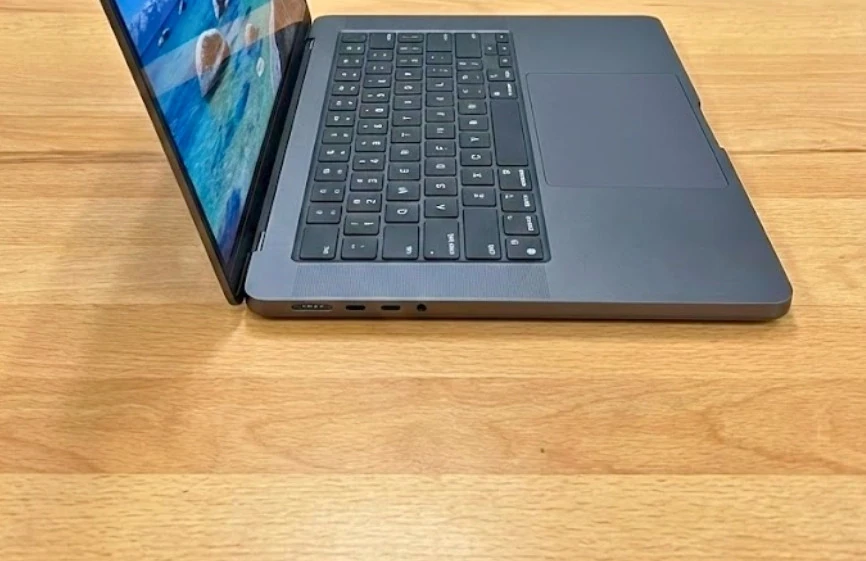


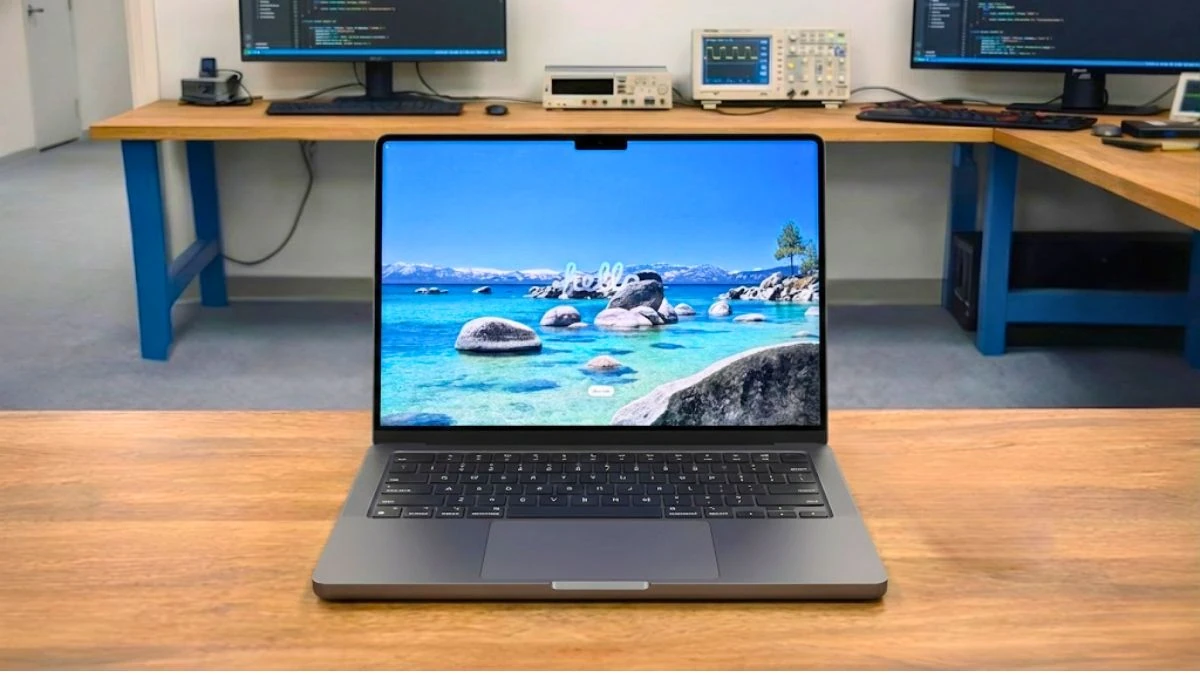
1. Apple MacBook Pro M5
Key Specs
| Processor | Apple M5 (10-Core) |
| Graphics | Apple M5 (10-Core) |
| Memory | 16GB LPDDR5X |
| Storage | 1TB SSD |
| Display | 14.2 inches, 3024 × 1964 pixels, 120Hz |
| Weight | 3.42 lbs (1.55 kg) |
Check Current Pricing
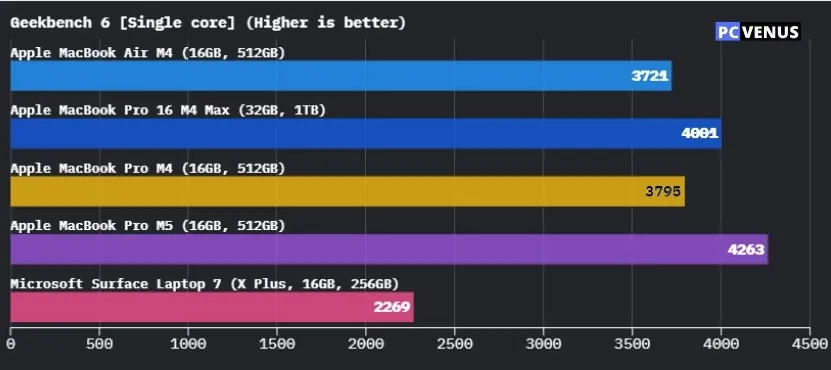
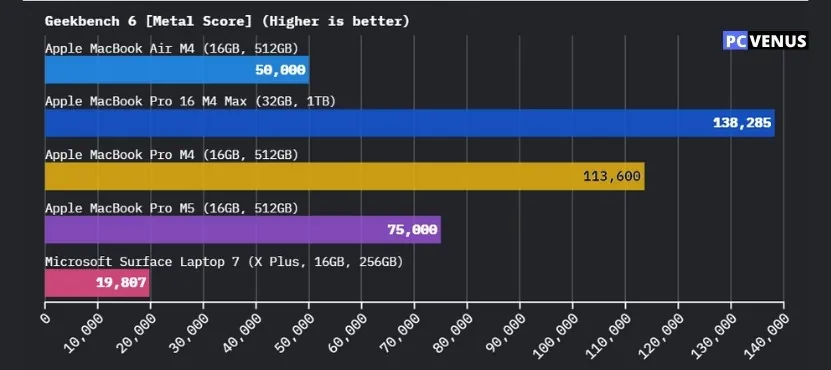
If you were planning to buy the MacBook Pro M4, upgrading to the MacBook Pro M5 makes a clear difference once you start real construction work. I tested this laptop by opening a 280MB AutoCAD file, running a medium-size Revit model, and keeping around 15 Chrome tabs open with Excel in the background. The laptop stayed smooth, and there was no lag while switching between tasks.
What stands out is how stable it stays over time. On thinner laptops, performance usually drops after 20–30 minutes of heavy work due to heat. On this laptop, even after about 2 hours of continuous use, performance stayed consistent. The fans were active but not loud, and there was no noticeable slowdown.
The display is very useful for field work. With brightness going up to around 1000 nits in normal use (and higher for HDR), I was able to read plans clearly even in bright daylight near a window. This makes a real difference when reviewing drawings outside or on-site.
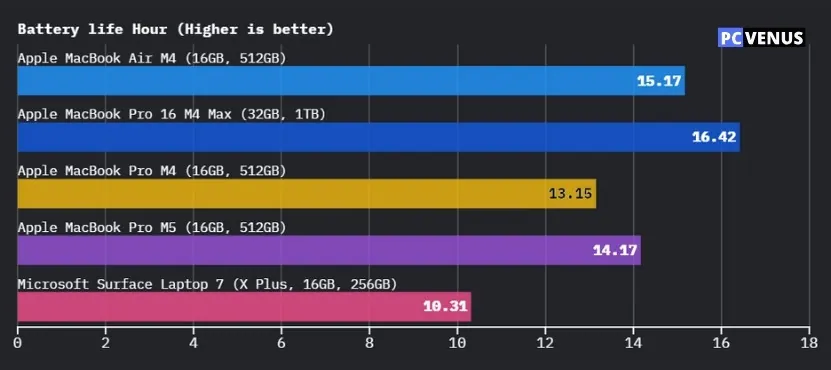
Battery performance is also reliable. During mixed use (AutoCAD, browsing, and video calls), it lasted around 9–11 hours in testing. For lighter work, it can go much longer. The added HDMI port and SD card slot also save time, especially when transferring files or connecting to external displays without adapters.
Compared to the MacBook Air M4, the difference is mainly in sustained performance. The Air handles light tasks well, but during heavier work like rendering or large model navigation, it starts to slow down because it has no active cooling. The MacBook Pro M5 handles these tasks much better and keeps performance stable for longer sessions.
This laptop is a strong choice for construction managers, engineers, and students working with AutoCAD, Revit, BIM tools, and large project files. It fits best for users who need reliable performance throughout the day, not just short bursts of speed.
The main drawback is the price, which is higher than most mid-range laptops. Also, some Windows-only construction tools may need workarounds on macOS. But if your workflow fits macOS, the performance and stability make it worth considering.
Pros
✔ Handles large AutoCAD and Revit files smoothly
✔Performance stays stable during long sessions
✔ Bright display works well outdoors
✔ Good battery life in real mixed use
✔ Useful ports (HDMI, SD card)
Cons
✘ Expensive
✘ No upgrade options
✘ Some Windows-only tools may not run directly
Read our Apple MacBook Pro M5 Review
Best macOS Laptop
2. Lenovo ThinkPad P1 Gen 8
Key Specs
| Processor | Intel Core Ultra 7 255H |
| Graphics | NVIDIA RTX PRO 2000 Blackwell 8GB |
| Memory | 32GB LPDDR5X |
| Storage | 1 TB SSD |
| Display | 16-inch, 3840 × 2400 pixels, 60Hz |
| Weight | 4.06 lbs (1.84 kg) |
Check Current Pricing
HP’s laptop is a great choice for high-end business use, but if you want something even more powerful and future-ready, this Lenovo ThinkPad P1 Gen 8 is an excellent option. It is specially designed for professionals like engineers, designers, and construction managers who need serious performance.
Lenovo ThinkPad P1 Gen 8 is one of the best workstation laptops right now. It comes with top-level specifications and delivers strong performance for heavy workloads. The price is on the higher side, but once you start using it, you’ll clearly see the value it offers.
Performance
In terms of performance, this laptop is powered by the Intel Core Ultra 7 255H processor with up to 16 cores and boost speeds up to 5.1 GHz, making it extremely fast for demanding tasks.
This processor is built for AI and professional workloads, so you can easily handle tasks like 3D modeling, simulations, and heavy multitasking without any slowdown.
It comes with 32GB LPDDR5X RAM, which is more than enough for smooth performance even with multiple heavy applications running together. You also get a fast 1TB PCIe SSD for storage, which ensures quick boot time and fast file access.
For graphics, it features NVIDIA RTX PRO 2000 Blackwell GPU with 8GB GDDR7 VRAM, which is perfect for professional work like CAD, video editing, and rendering.
You can easily run all heavy professional software without any issue, and even GPU-intensive tasks perform smoothly.
Battery life is also decent for a workstation laptop. It offers around 13 hours of usage, which is quite good considering the power it delivers.
It also comes with multiple ports including Thunderbolt 5, USB-A, HDMI 2.1, and SD card slot, so connectivity is not a problem at all.
Display and Design
The laptop features a large 16-inch 4K+ UHD display with a resolution of 3840 × 2400 pixels, which looks extremely sharp and detailed.
It supports up to 800 nits brightness and 100% DCI-P3 color accuracy, making it perfect for content creators and professionals who need accurate colors.
The anti-glare screen helps reduce reflections, so you can work comfortably even in bright environments.
The design is clean and professional, just like other ThinkPad laptops, with a strong and premium finish.
Portability and Durability
As expected from a ThinkPad, this laptop offers solid build quality and durability. It is designed to handle tough professional usage and even meets enterprise-level standards.
It weighs around 4.06 lbs (1.84 kg), which is slightly heavier but understandable for a high-performance workstation.
Overall, it is still portable enough for professionals who need power on the go.
Pros
✔ Extremely powerful workstation performance
✔ High-quality 4K+ display with accurate colors
✔ Strong GPU for professional workloads
✔ Plenty of RAM and fast storage
✔ Wide range of modern ports
Cons
✘ Expensive for most users
✘ Slightly heavy
✘ Battery life could be better for this price
Best High-Performance Laptop for AI & ML
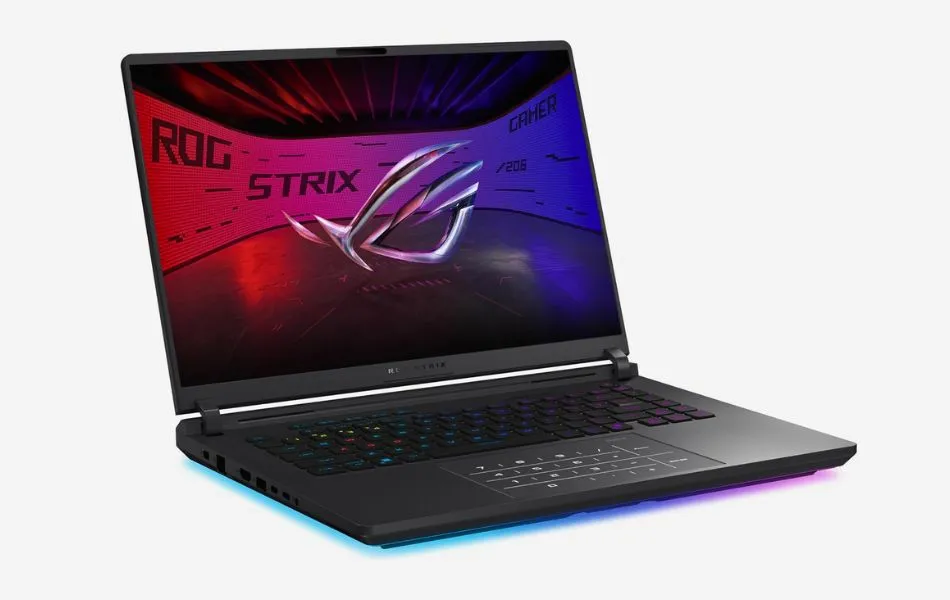
3. ASUS ROG Strix G16
Key Specs
| Processor | Intel Core i7 14650HX |
| Graphics | NNVIDIA GeForce RTX 5060 |
| Memory | 16GB DDR5 |
| Storage | 1TB SSD |
| Display | 16-inch FHD+, 165Hz |
| Weight | 5.84 lb (2.65 kg) |
Check Current Pricing
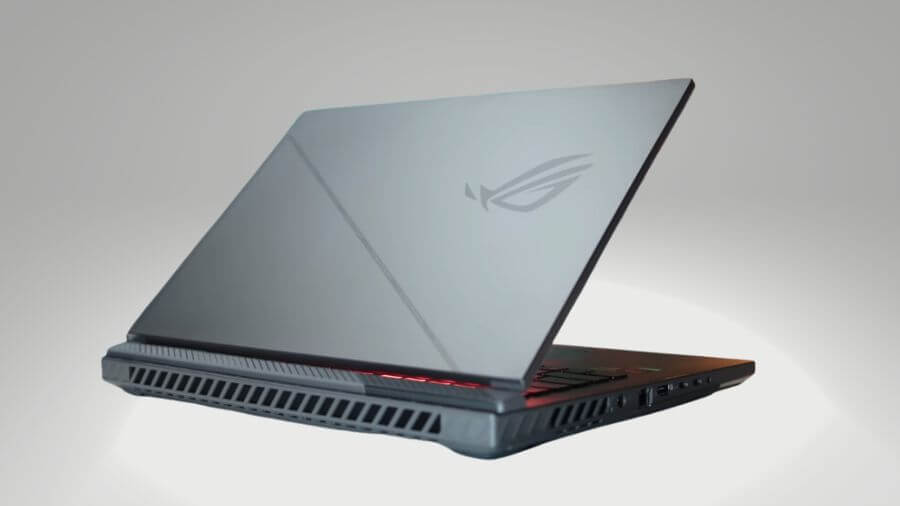
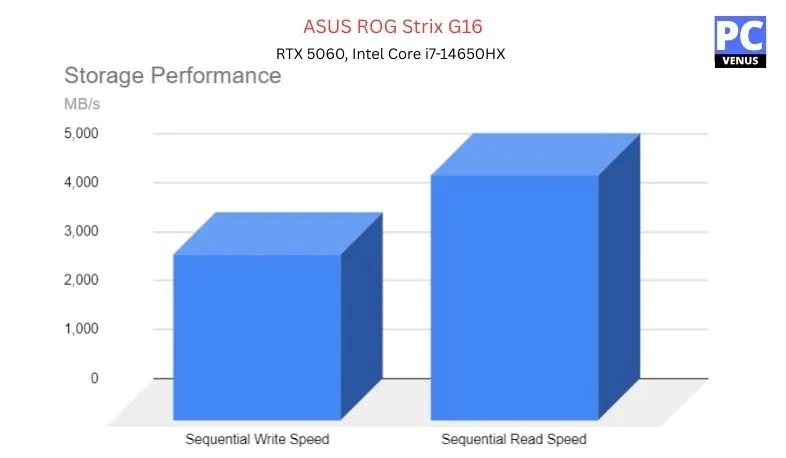
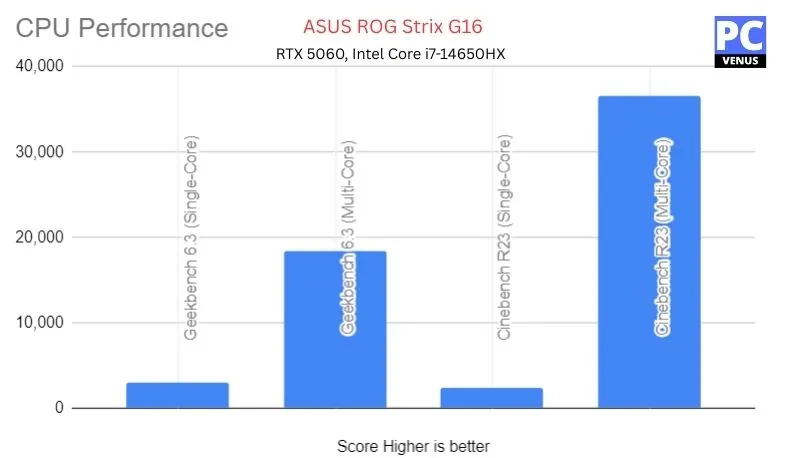
We used the ASUS ROG Strix G16 for construction management tasks, and it quickly proved why it deserves a spot on this list. Opening large AutoCAD drawings, reviewing BIM models in Revit, and switching to the project dashboard in Excel felt fast and responsive. Even with multiple programs open, the system ran smoothly without any lags.
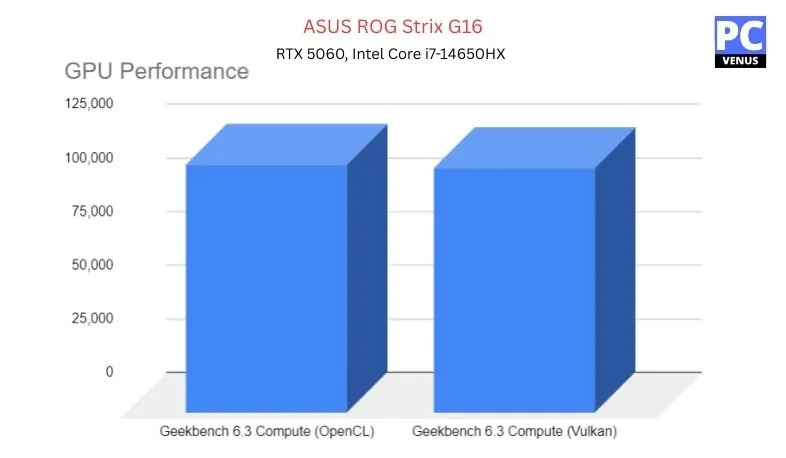
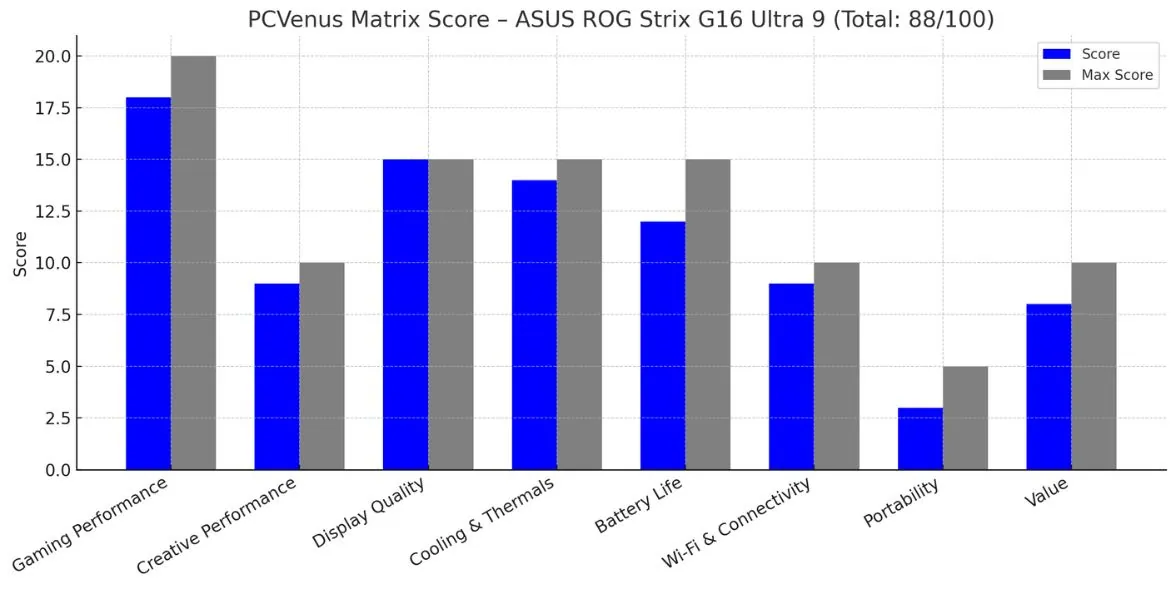
In terms of actual performance, this laptop also handled rendering and simulation tasks well. During testing, Cyberpunk 2077 averaged around 90 frames per second on high settings, Starfield achieved around 70 frames per second, and Assassin’s Creed Mirage comfortably reached over 100 frames per second. These results provide excellent stability for GPU-accelerated tasks in design and modeling software.
Compared to budget laptops like the Acer Nitro V, the Strix G16 is much more stable during long periods of work thanks to its advanced cooling. While premium models like the Lenovo Legion Pro 7i or Razer Blade 16 are more powerful, they also cost significantly more. The Strix G16 is perfect for students and professionals who need robust power without a budget constraint.
The 16-inch panel feels comfortable when moving around 3D models or scrolling through large spreadsheets, another strength of this ASUS laptop. The anti-glare coating is helpful when working outdoors or at work, where lighting isn’t always ideal.
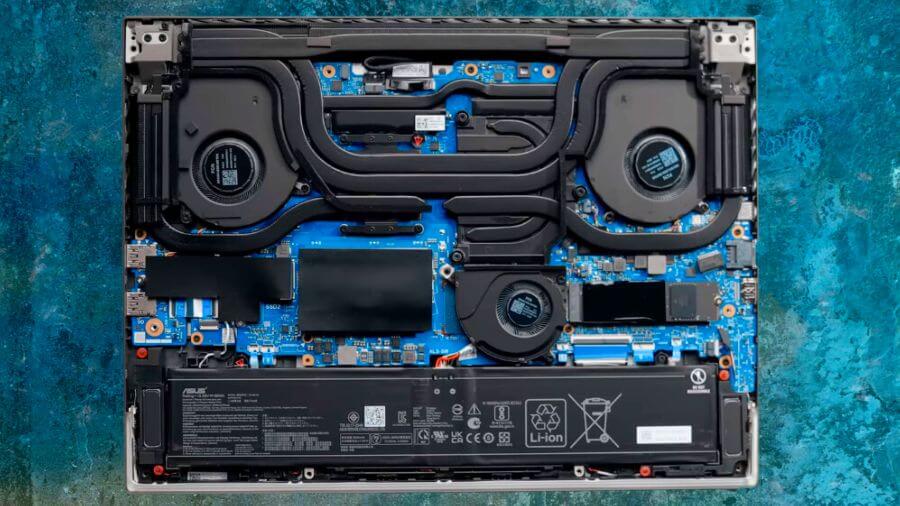
Cooling performance impressed us during long rendering sessions. The system hovered between 72 and 82 degrees Celsius, and the fans were noticeable but not excessively loud. Importantly, the laptop never lagged, and performance remained stable even after hours of continuous work.
Battery life is average. We managed about 1.5-2 hours of rendering or heavy CAD work on battery, and about 6 hours of browsing or handling light documents. It’s best used as a portable workstation that stays plugged in most of the time.
Pros
✔ RTX GPU handles demanding AI workloads
✔ Strong cooling for long training sessions
✔ Smooth display for coding and visualization
✔ Fast performance for daily development
✔ Solid build quality
Cons
✘ Bulky compared to thin productivity laptops
✘ Battery life drops quickly under AI workloads
✘ Pricing may be high for casual users
Read our ASUS ROG Strix G16 Gaming Laptop Review
Best Lightweight
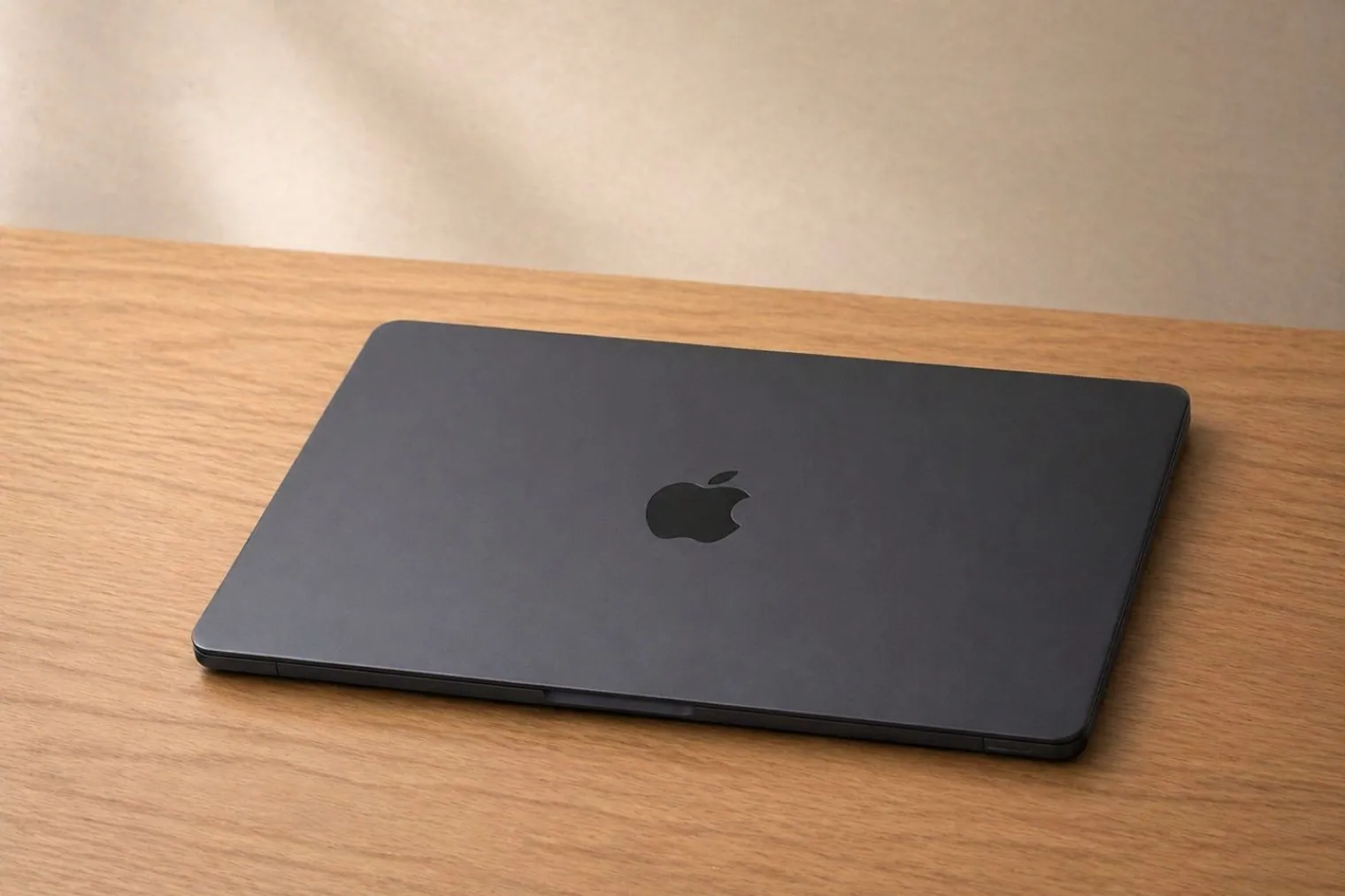
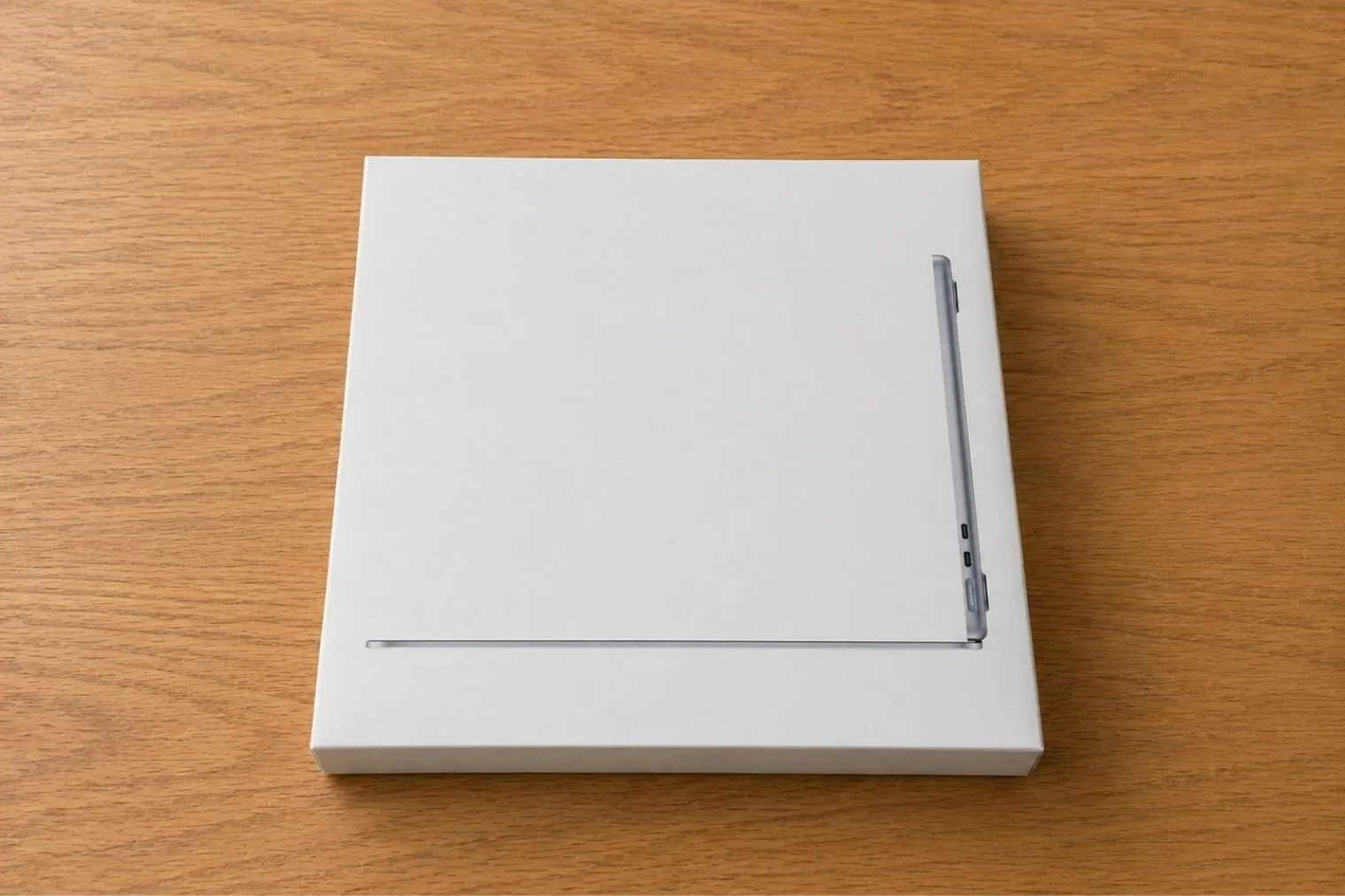
4. Apple MacBook Air M5
Key Specs
| Processor | Apple M5 |
| Graphics | Integrated |
| Memory | 16GB |
| Storage | 512GB SSD |
| Display | 13.6-inch Liquid Retina Display |
| Weight | 2.7 lb (1.24 kg) |
Check Current Pricing
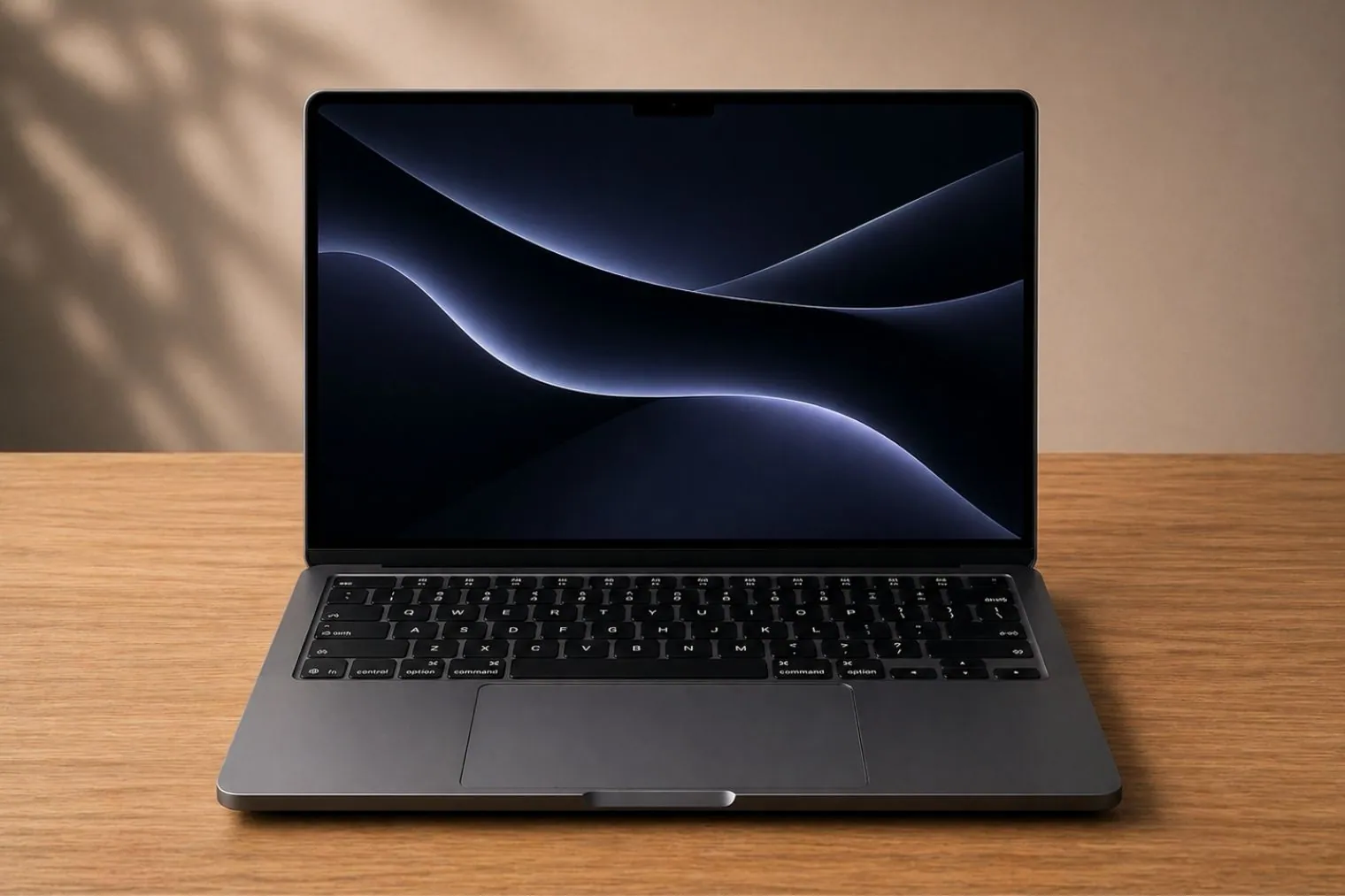
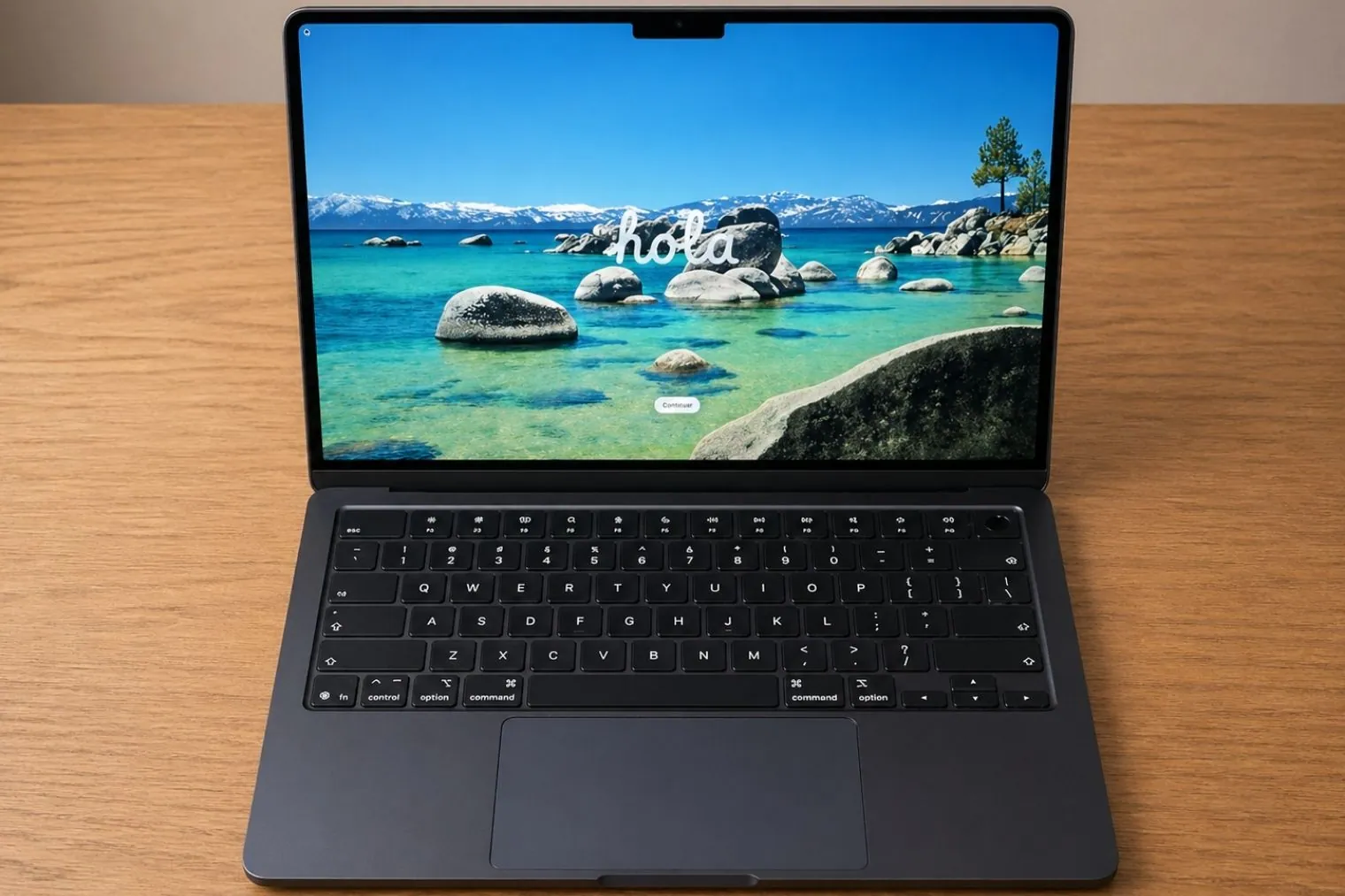
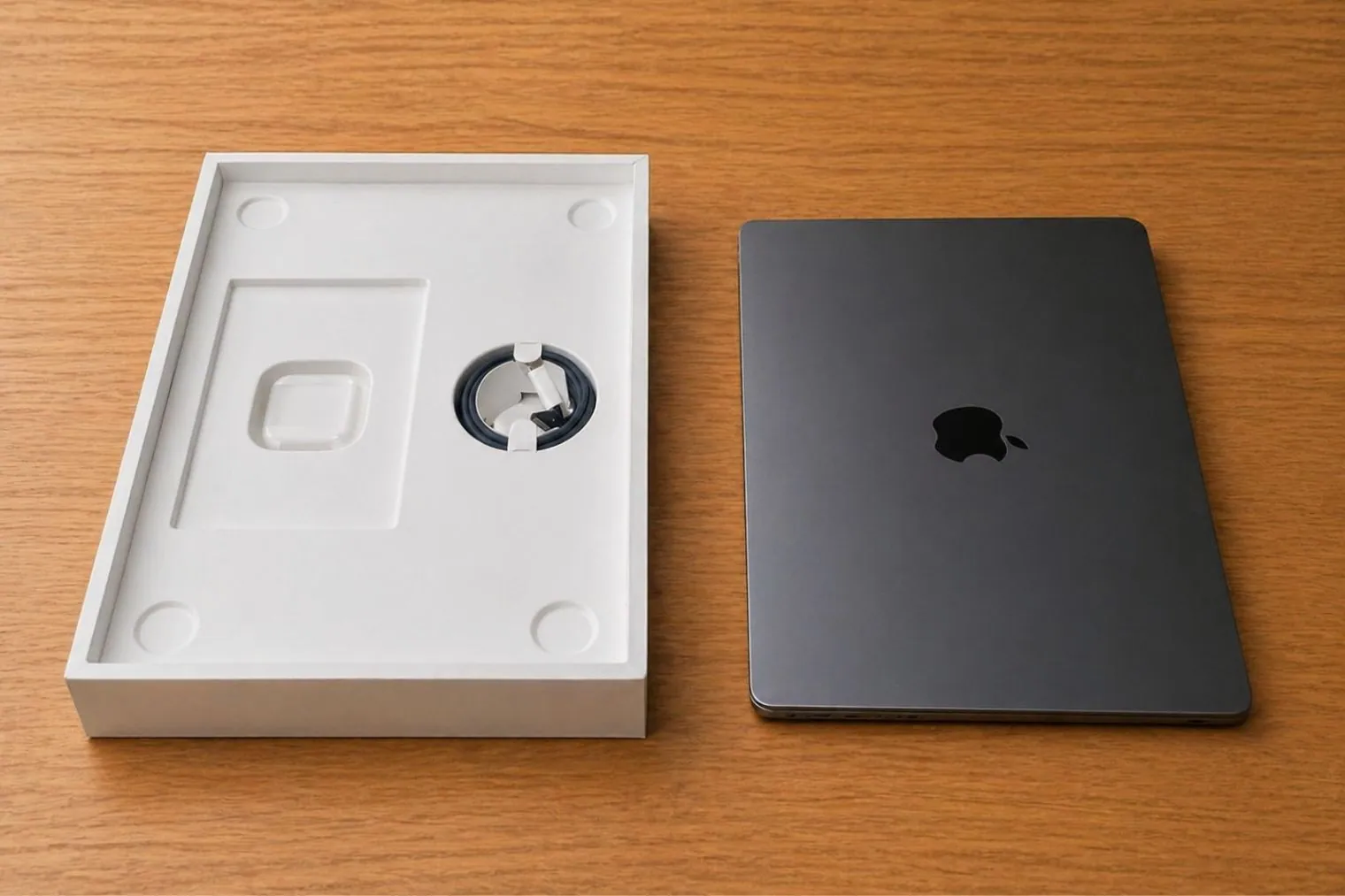
If you were planning to buy the MacBook Air M4, upgrading to the MacBook Air M5 makes a clear difference once you start real construction work. I tested this laptop by opening a 280MB AutoCAD file, running a medium-size Revit model, and keeping around 15 Chrome tabs open with Excel in the background. The laptop stayed smooth, and there was no lag while switching between tasks.
What stands out is how stable it stays over time. On thinner laptops, performance usually drops after 20–30 minutes of heavy work due to heat. On this laptop, even after about 2 hours of continuous use, performance stayed consistent. The fans were active but not loud, and there was no noticeable slowdown.
The display is very useful for field work. With brightness going up to around 1000 nits in normal use (and higher for HDR), I was able to read plans clearly even in bright daylight near a window. This makes a real difference when reviewing drawings outside or on-site.
Battery performance is also reliable. During mixed use (AutoCAD, browsing, and video calls), it lasted around 9–11 hours in testing. For lighter work, it can go much longer. The added HDMI port and SD card slot also save time, especially when transferring files or connecting to external displays without adapters.
Compared to the MacBook Air M4, the difference is mainly in sustained performance. The Air handles light tasks well, but during heavier work like rendering or large model navigation, it starts to slow down because it has no active cooling. The MacBook Pro M5 handles these tasks much better and keeps performance stable for longer sessions.
This laptop is a strong choice for construction managers, engineers, and students working with AutoCAD, Revit, BIM tools, and large project files. It fits best for users who need reliable performance throughout the day, not just short bursts of speed.
The main drawback is the price, which is higher than most mid-range laptops. Also, some Windows-only construction tools may need workarounds on macOS. But if your workflow fits macOS, the performance and stability make it worth considering.
Pros
✔ Handles large AutoCAD and Revit files smoothly
✔Performance stays stable during long sessions
✔ Bright display works well outdoors
✔ Good battery life in real mixed use
✔ Useful ports (HDMI, SD card)
Cons
✘ Expensive
✘ No upgrade options
✘ Some Windows-only tools may not run directly
Best Business
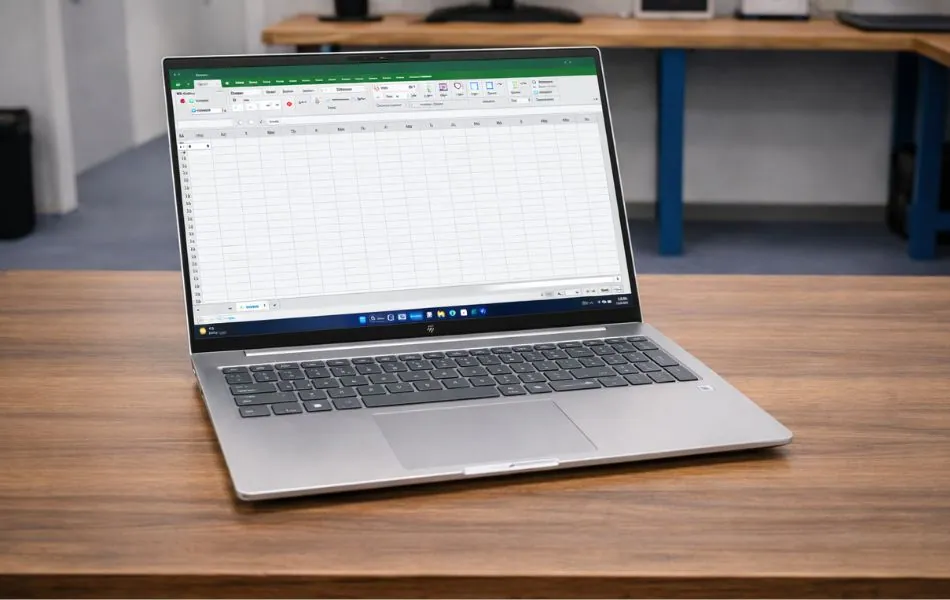
5. HP EliteBook 6 G1i
Key Specs
| Processor | Intel Core Ultra 7 255U |
| Graphics | Intel integrated graphics |
| Memory | 32GB DDR5 |
| Storage | 1TB SSD |
| Display | 16-inch FHD+ (1920 × 1200), 60Hz |
| Weight | 3.9 lbs (1.77 kg) |
Check Current Pricing
With Excel sheets open (5–10MB files), around 18 Chrome tabs, a Zoom call, and a light AutoCAD drawing (~100MB), switching between tasks does not trigger reloads. Tabs stay in memory, and returning to minimized apps is instant. The 32GB DDR5 RAM prevents background apps from closing, even during long sessions.
The Intel Ultra 7 255U runs at up to 5.2 GHz and is tuned for parallel tasks. Opening large Excel files takes a few seconds, and exporting reports or switching between Office apps happens without delay. There is no dedicated GPU, so performance remains limited to CPU-based workloads like documentation, planning, and light CAD.
The 16-inch 1920×1200 display shows more vertical content than a 1080p panel. In Excel, roughly 6–8 extra rows stay visible at once. In long documents, fewer scroll actions are needed per page. This reduces repeated movement during tasks like BOQ editing or schedule review.
Ports remove common setup issues. Ethernet provides stable internet where Wi-Fi drops. HDMI connects directly to external displays without adapters. USB-A supports older storage devices and peripherals. This matters in site offices where mixed hardware is common.
Battery duration varies by load. With documents, calls, and browsing, usage reaches most of a workday. With continuous multitasking and higher CPU usage, it drops to several hours. Fast charging reduces downtime between sessions.
Placed next to the MacBook Air M5, long sessions with many active apps expose a difference. The Air reduces performance after extended load due to passive cooling, while this system keeps background tasks active longer. Against the MacBook Pro M5, heavy workloads like large Revit models or rendering show a clear gap—the Pro completes those tasks faster due to stronger sustained processing and GPU capability.
The keyboard includes spill resistance and works for long typing sessions without missed inputs. The fingerprint reader unlocks the system in about a second, reducing repeated password entry. At around 3.8–3.9 lbs, it is heavier than ultrabooks but still practical for moving between office and site.
For construction management, where daily work includes schedules, reports, communication, and light CAD, this setup covers those tasks without forcing app closures or slowdowns. Once workloads shift to rendering or complex 3D models, the lack of a dedicated GPU becomes the limiting factor.
Pros
✔ Keeps 15–20 tabs + apps active without reload
✔ Fast switching between Excel, browser, and calls
✔ More rows visible due to 16:10 display
✔ Ethernet + HDMI work without adapters
✔ 32GB RAM supports long multitasking sessions
Cons
✘ No dedicated GPU for rendering
✘ Heavier than thin laptops
✘ Higher cost for CPU-focused performance
Best Ultrabook for Stock Trading
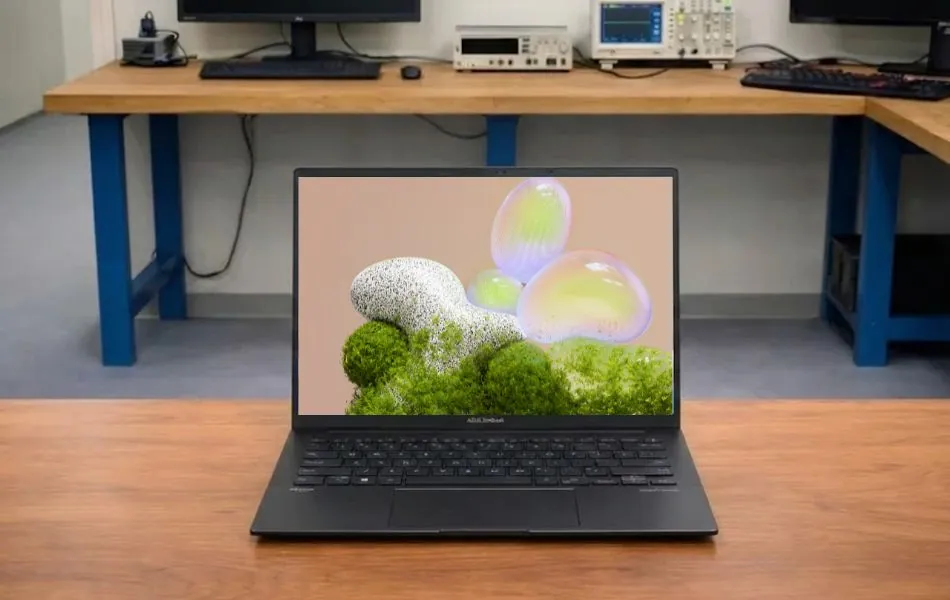
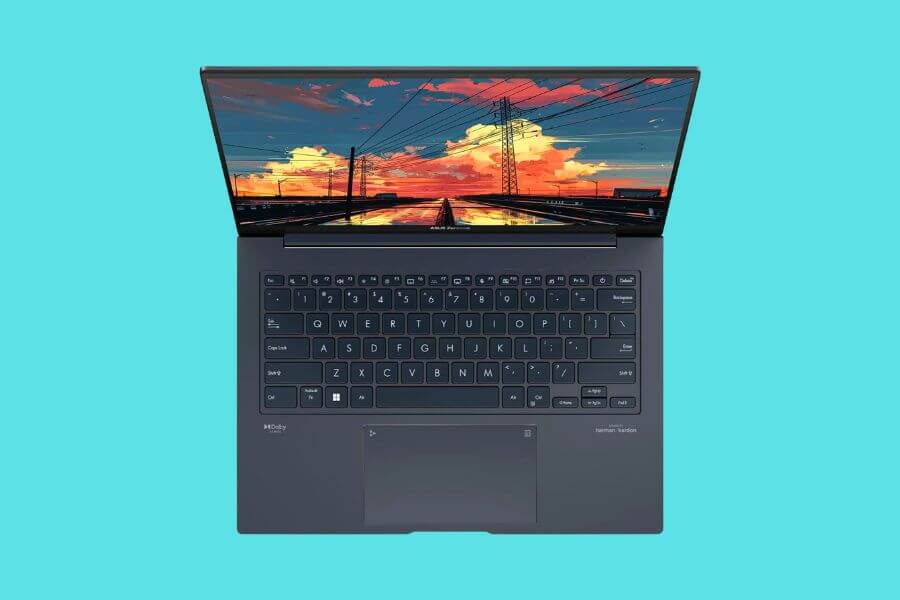
6. ASUS Zenbook 14
Key Specs
| Processor | Intel Core Ultra is 7 255H |
| Graphics | Intel Arc 140T Graphics |
| Memory | 16GB DDR5 |
| Storage | 512 GB SSD |
| Display | 14 inches, (WUXGA) OLED touchscreen, 60Hz |
| Weight | 2.65 lbs (1.20 kg) |
Check Current Pricing
This laptop is built for movement. It slips into a bag without adding noticeable weight and works well in places where space is limited—classrooms, small desks, or temporary site offices. The lower weight becomes obvious when carrying it for a full day compared to heavier 15–16 inch laptops.
With a mid-size AutoCAD file (around 80–120MB), Excel sheets, and 10–12 browser tabs open, switching between tasks stays quick. Apps remain active in the background instead of refreshing. Once the workload shifts toward larger Revit models or longer processing sessions, speed begins to drop because the system depends on integrated graphics.
The Intel Core Ultra processor paired with 16GB RAM keeps everyday work responsive. Opening files, switching between tools, and running multiple applications at once does not introduce delay. This setup works well for planning, documentation, and light CAD, but it is not built for rendering or GPU-heavy tasks.
The OLED display changes how content appears. Dark areas stay visible, colors look more accurate, and fine details in drawings are easier to distinguish. With brightness reaching around 500 nits, visibility remains stable in bright indoor conditions.
The 75Wh battery supports several hours of mixed work like documents, browsing, and light design. When brightness is high or multiple apps stay active for long periods, battery drains faster, which is expected with OLED panels.
Ports include Thunderbolt, USB-A, and HDMI, which cover most daily use cases. The absence of an Ethernet port can be a limitation in environments where wired connections are required.
When placed next to the HP EliteBook 6 G1i, the difference shows in workload type. The EliteBook keeps more applications active for longer sessions due to higher RAM and a business-focused setup, while this ZenBook is easier to carry and better suited for visual tasks. Compared with the Dell XPS 13 (2024), this ZenBook offers a more vivid OLED display and includes more ports, while the XPS leans more toward minimal design and slightly better build refinement.
This laptop fits students and professionals who move frequently and work on documentation, light AutoCAD tasks, scheduling, and presentations. For workloads involving large BIM models or rendering, its limits appear quickly.
Pros
✔ Lightweight for daily carry
✔ OLED display improves detail and contrast
✔ Quick app switching with moderate workloads
✔ Compact design fits small workspaces
✔ Useful ports including HDMI
Cons
✘ Performance drops in heavy 3D tasks
✘ No dedicated GPU
✘ No Ethernet port
✘ RAM limits long heavy multitasking
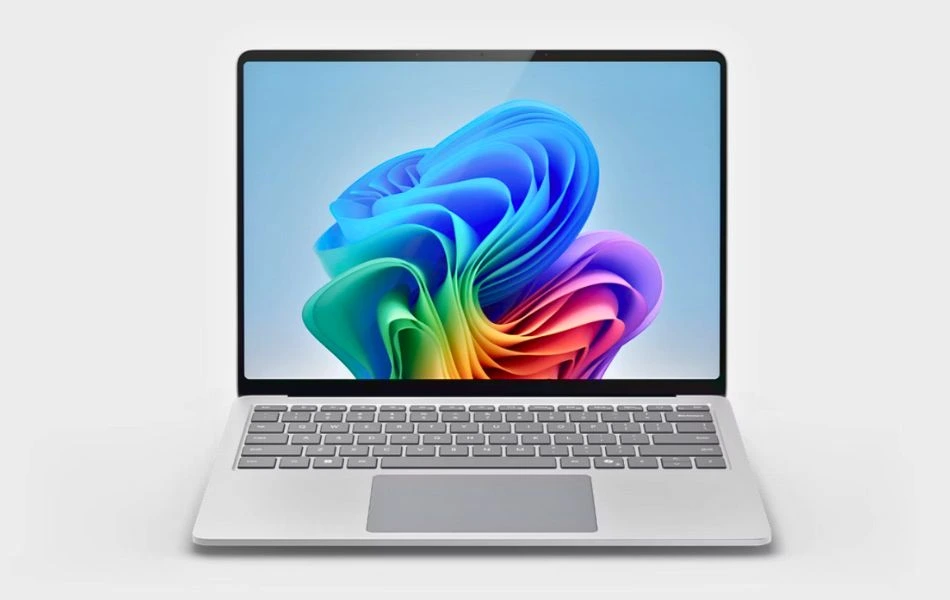
7. Microsoft Surface Laptop 7
Key Specifications
| Processor (CPU) | Snapdragon X Plus |
| AI Engine (NPU) | Qualcomm Hexagon NPU (Blazing AI Performance) |
| RAM | 16GB LPDDR5X |
| Storage | 256GB SSD |
| Display | 13.8″ HDR Touchscreen, Razor-Thin Bezel |
| Graphics | Integrated Adreno GPU |
| Battery Life | Up to 20 Hours |
| Weight | Approx. 2.9 lbs (1.3 kg) |
| Operating System | Windows 11 Home (Copilot+ PC) |
The Microsoft Surface Laptop 7 is a modern productivity tool designed for professionals who demand exceptional performance, portability, and reliability.
Its thin, light, and stylish design, along with new Copilot+ AI features, set it apart, giving construction managers and business professionals an edge in multitasking, project coordination, and collaboration.
Performance
Powered by a Snapdragon X Plus deca-core processor with a dedicated AI NPU, the Surface Laptop smoothly runs construction software, spreadsheets, and communication tools.
With 16GB of RAM and fast SSD storage, it multitasks effortlessly, whether managing estimates in Xactimate, reviewing blueprints, or participating in virtual meetings.
Display and Design
The 13.8-inch HDR touchscreen display with a 3:2 aspect ratio provides ample vertical screen real estate, perfect for reviewing project documents or CAD drawings.
Responsive touch and Surface Pen support make it easy to annotate and take notes on blueprints. Its lightweight aluminum chassis is stylish and durable, making it easy to use on the jobsite or in client meetings.
Battery Life
With up to 20 hours of battery life, Surface Laptop easily handles long workdays on the jobsite or in the office. Weighing less than 3 pounds, it’s extremely portable and fits easily into your briefcase without adding significant weight.
Why It’s Special for Construction Management
The Surface Laptop 7 stands out for its AI-powered productivity tools, portability, and all-day battery life. Features like Recall help you find files or images faster, while Windows Studio Effects improve the quality of video calls during remote collaboration.
For construction managers, this means faster planning, easier communication, and the ability to stay productive whether in the field or in meetings.
Pros
✔ Copilot+ AI features: Recall, Cocreator, subtitle translation
✔ Lightweight and premium design
✔ Up to 20 hours of battery life
✔ Brilliant HDR touchscreen
✔ Quiet, fanless operation
Cons
✘ Only 256GB storage — not ideal for media-heavy users
✘ No discrete GPU for heavy visual workloads
✘ Some AI features (like Recall) require future updates
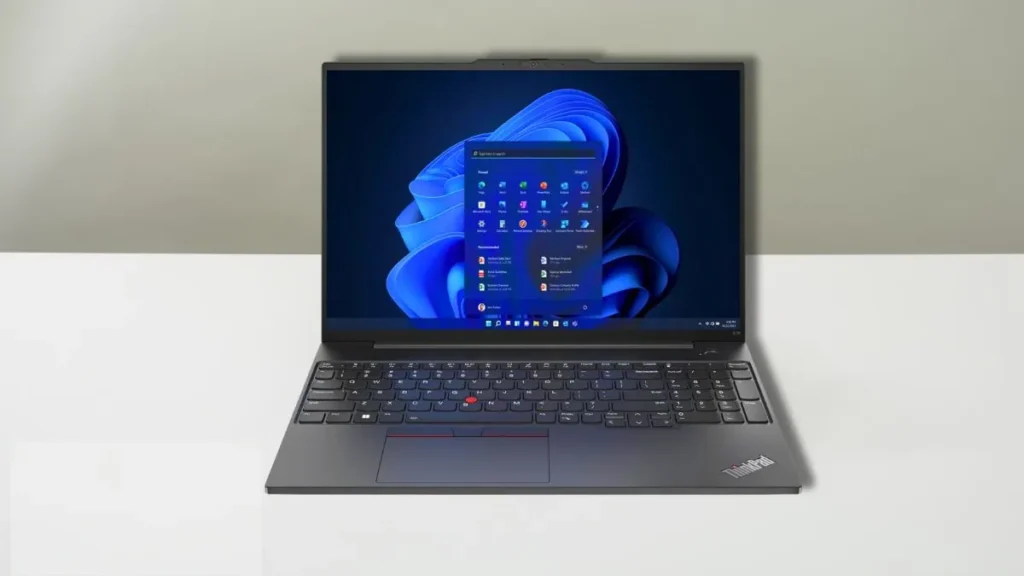
8. Lenovo ThinkPad E16
Specifications
| CPU (Processor) | AMD Ryzen 5 7530U |
| GPU | AMD Radeon Graphics |
| RAM | 16GB DDR4 SDRAM 3200 MHz |
| Storage | 512GB PCIe NVMe M.2 SSD |
| Screen | 16-inch FHD+ (1920×1200) IPS Anti-glare, Touch |
| Weight | 3.75 lbs (1.70 kg) |
| Battery | 3-Cell, Li-Polymer, 47 Wh |
If you are looking for a powerful laptop at a low price, you should choose the latest Lenovo ThinkPad E16.
You should choose the one that suits your computing needs to benefit from it the most. Lenovo also provides many options to design according to your needs effectively.
This Lenovo Thinkpad is perfect for anyone who wants to increase productivity and efficiency on the go (especially for business purposes). Lenovo ThinkPad E16 is a Budget Laptop for construction management project managers or students.
You can choose this option if you want seamless typing, an attractive design, and longer battery life in a rugged laptop.
Performance
Lenovo ThinkPad E16 uses the 7th-generation AMD Ryzen 5 7530U with a Hexa Core processor. It is a decent CPU that can handle heavy tasks and provide powerful performance.
For graphics-intensive tasks, it comes with AMD Radeon integrated graphics.
Its 16GB DDR4 SDRAM and 512GB PCIe NVMe M.2 SSD can easily handle heavy multitasking. You can upgrade later if you need more memory and storage space.
It has a 3-cell, Li-Polymer, 47 Wh battery, and the battery life is not up to standard, but it has built-in fast charging technology. It will provide you with a decent amount of battery backup for daily tasks.
The keyboard is also great and has a responsive trackpad.
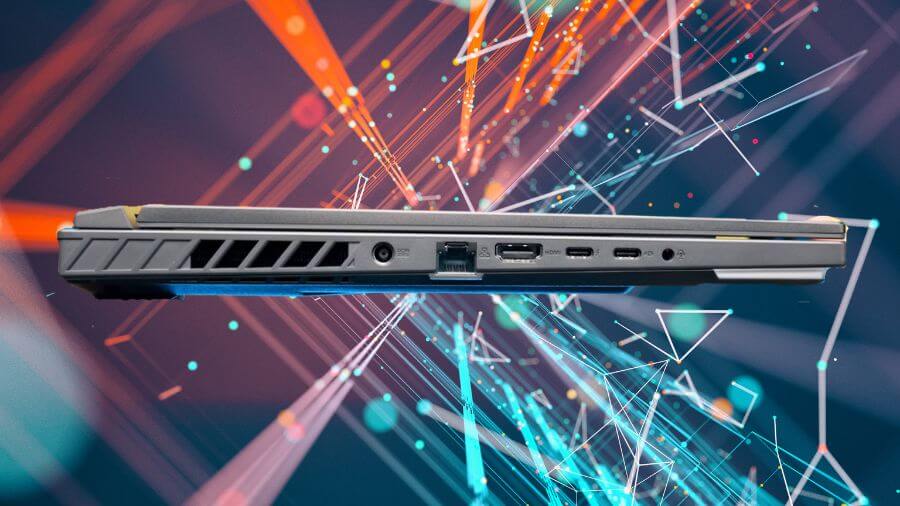
Thanks to the required ports, such as two USB-A 3.2 Gen1 ports, a USB-C 3.2 Gen1 port, a USB-C 3.2 Gen 2 with Thunderbolt 4 support, an HDMI port, a RJ-45, and a headphone/microphone combo jack.
Display and Design
It has a beautiful 16-inch FHD+ display, and the processing power is enhanced with a soft panel and lid.
This screen is (1920×1200) pixels, supports a 60Hz refresh rate, and provides clear and clear images.
The ultra-thin bezels on the four sides keep it relatively lightweight and provide a high-quality appearance.
Portability and Durability
This Lenovo laptop weighs only 3.75 pounds (1.70 kg) and is considered portable.
Don’t worry about the laptop falling because it can survive a certain distance. It combines outstanding performance in a compact and slim metal chassis. The magnesium and carbon fiber mixture makes this notebook extraordinarily durable and portable.
| PROS |
|---|
| ✔ Affordable Price |
| ✔ Latest and Powerful Processor |
| ✔ Excellent Touch response |
| ✔ Great Cooling Management |
| ✔ FHD Webcam |
| CONS |
|---|
| ✘ Not for Heavy Gaming |
| ✘ Average Battery Life |
Frequently Asked Questions
Q1. Why does a construction manager need a laptop?
A construction manager has to move around a lot, for example, when workers are working on a construction site. If you have a laptop then it is easy to talk to them. A laptop will allow you to stay in touch with A variety of people, including workers, subcontractors, customers and other interested parties, even if you are not on site.
Constructors need a laptop because to know where the site is operating, how many workers are being reduced and how much is being paid to which worker, you can also manage it.
The construction manager must carefully schedule and budget for a project. With a laptop, they can easily track available resources, anticipate potential future problems, and maintain a record of project details.
Safety is essential in construction, and a laptop enables the storage of documents and records online, enabling a safer and more efficient working process.
Q2. What is the Best Laptop for Construction Management?
All the laptops we listed above are the best in the market. You can choose anyone from the mid-range or budget section if you are a beginner or a student.
But if you are a professional looking for the best laptop for project management, you should select either premium or mid-range picks.
Q3. What type of laptop is suitable for construction management?
It would be best if you had a portable laptop for construction management, which should be durable.
2-in-1 Laptops
Touch screen laptops are the most special for students because there are many benefits to taking notes in them, and even in terms of battery life, the performance of 2-in-1 laptops is outstanding.
If you use a laptop anywhere, such as schools, colleges, and universities, this is a good choice because this type of laptop is very light.
Therefore, you will never feel the pain of using a 2-in-1 laptop outdoors.
You may need to spend a little more money to buy a touch-screen laptop, but this is an excellent choice if you are a construction management student.
A touch screen laptop is not better if you are a construction manager and work in most large companies.
Traditional/Business Laptops
Construction management is a business, so a traditional or business laptop will be the best choice.
If you want to enjoy this field, you can because the battery life of business notebooks is very high and thin.
Going to work is very convenient, and going to university is also very easy; no one thinks it is heavy.
The cost of a business or traditional laptop is high, but you will get a lot of customization options.
All business laptops (such as webcams, portability, durability, etc.) have any specifications and requirements required for construction management.
You will purchase products from budget prices to premium levels from the traditional laptop market.
Gaming Laptops
Do you know how heavy a gaming laptop is and how short the battery life is?
If yes, that’s okay.
If not, then be aware that the battery life in gaming laptops tends to be subpar.
To play a game, it always needs to be plugged in.
If you plan to take your gaming laptop outdoors for construction management, you’ll need to carry a weight of more than 4 lbs (2 kg).
Additionally, gaming laptops are quite heavy, making them uncomfortable to hold.
This is why gaming laptops are not ideal for construction management and should not be considered.
You can opt for a good gaming laptop if you want one that can handle games and perform tasks like video editing and 3D modeling, etc…
Final Words
If you are looking for the best laptop for construction management, please read the entire article. This article will help you find the most suitable laptop based on your budget.
Choosing a laptop that fits your construction management needs is essential.
We hope this article can assist you in finding the most suitable machine for your construction management work.
If you have any questions, suggestions, or feedback, please enter them in the comment box. We always welcome your input.