

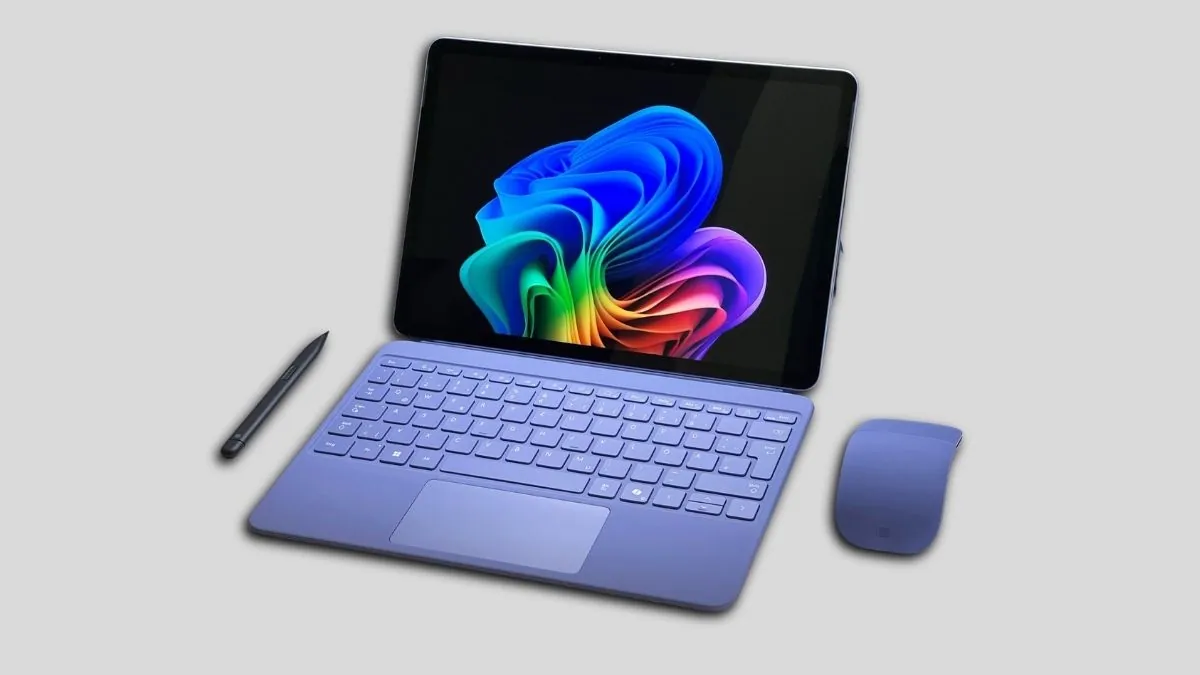
New retailer listings have revealed early details about Microsoft’s next Surface lineup for 2026. The information points to a clear change in strategy, with a strong split between ARM-powered consumer devices and Intel-based models for business users. The upcoming devices include the Microsoft Surface Pro 12 and Microsoft Surface Laptop 8, and if the listings are accurate, the lineup will be simpler, more focused, and likely more expensive.
The leak shows that Microsoft is continuing its move toward ARM chips, but in a more controlled way. Instead of using ARM across many models, the company appears to be limiting it to consumer devices. These models are expected to use Qualcomm Snapdragon X2 Plus and Snapdragon X2 Elite processors. The chips are listed with 10-core and 12-core CPU options and are designed to improve battery life and support AI features like on-device Copilot tasks.
The configuration details are more specific than before. The Surface Laptop 8 with ARM is expected to come with 16GB or 24GB RAM and storage options of 512GB or 1TB. The Surface Pro 12 with ARM is listed with 16GB, 24GB, or 32GB RAM and storage options of 256GB or 512GB. Color options include Platinum and Black.
Prime Day Laptop Deals
Prime Day is live, and these are some of the best laptop discounts we found today.
- Best Gaming Laptop - ASUS ROG Strix G16 Check Deal
- Best Budget AI Laptop - HP OmniBook 3 Check Deal
- Best AI Gaming Laptop - Acer Nitro V 16S AI Check Deal
- Best Chromebook - ASUS Chromebook Flip CX1 Check Deal
- Budget Students Laptop - ASUS Vivobook Go 15 Check Deal
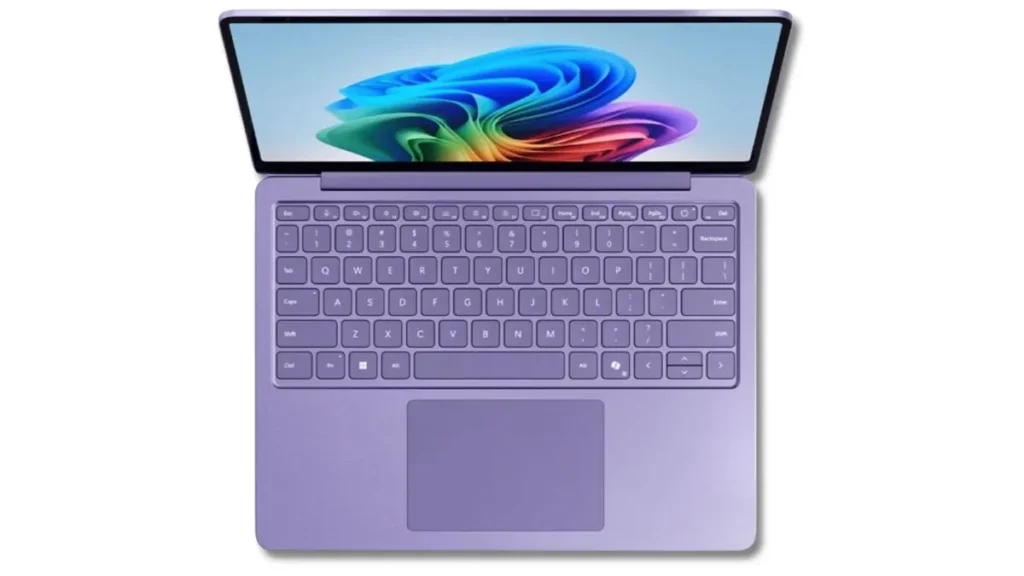
One important change is the reduction in model variety. The listings suggest that ARM devices will be available in only one size each. The larger 15-inch Surface Laptop with ARM may not return in 2026. Instead, ARM models will focus on smaller devices, likely around the 13-inch range. This shows that Microsoft is trying to keep ARM devices in designs where heat and battery performance can be managed more easily.
At the same time, Intel models are still a major part of the lineup. These devices are expected to target business and professional users. They will use Intel’s upcoming Panther Lake processors, likely under Core Ultra 5 and Core Ultra 7 branding.
The Intel-based Surface Laptop 8 is expected to come in 13.8-inch and 15-inch sizes with OLED display options. The Surface Pro 12 with Intel will likely feature a 13-inch display with a choice between LCD and OLED panels. Memory options range from 16GB up to 64GB, and storage options include 256GB, 512GB, and 1TB. Some Surface Pro models may also include optional 5G connectivity.
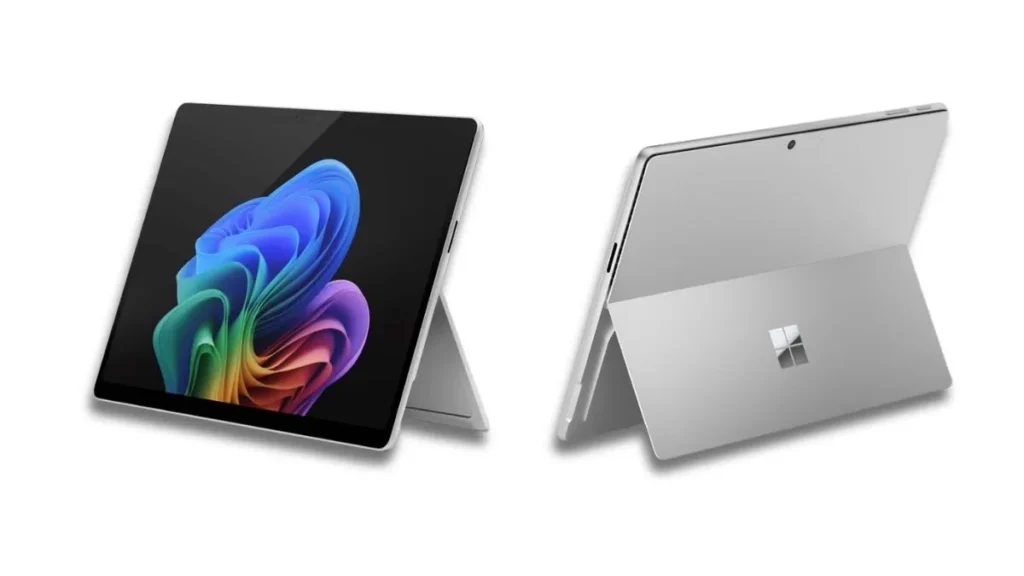
Another detail from the listings suggests that the overall design of these devices will remain mostly unchanged. This means Microsoft is focusing more on internal upgrades rather than changing the look and build of the devices.
The difference between ARM and Intel models is clear in how they are positioned. ARM devices are built for better battery life, quiet performance, and AI features. They are best suited for everyday tasks like browsing, office work, and cloud-based apps. However, running older Windows software on ARM can still cause performance issues in some cases.
Also Read: Best Laptops for Data Science: Real Workflow Tested
Intel devices focus on stability and compatibility. They can run all Windows programs natively and support higher memory, which is important for tasks like coding, design work, and heavy multitasking. While Intel chips usually use more power, the new generation is expected to improve efficiency.
Prime Day is Live — Shop the Biggest Deals Now
Get ready for exclusive Prime Day savings.
Ages 18–24 can get a 6-month Prime trial for $0.
Claim Your 6-month Prime Trial →The pricing trend is also important. Microsoft has already increased prices on current Surface models by around €200 to €300. Early signals suggest that the 2026 lineup will continue this trend. With fewer configurations and higher base specifications, the average price of these devices is expected to go up.
The overall shift in the lineup can be understood more clearly in the table below:
| Aspect | Previous Surface Lineup | 2026 Leak Direction |
|---|---|---|
| Platform Strategy | ARM and Intel mixed across devices | Clear ARM for consumers and Intel for business |
| ARM Laptop Sizes | Multiple sizes including 15-inch | Likely only one smaller size |
| ARM Laptop 15-inch | Available | Likely removed |
| RAM Limit | Usually up to 32GB | Up to 64GB on Intel models |
| Product Variety | Many overlapping options | Fewer and simpler models |
| Pricing | Premium with flexibility | Higher and more fixed |
For buyers, this change makes the choice simpler but also more important. Those who want long battery life and basic everyday performance may prefer ARM devices. Those who need full software support and higher performance should choose Intel models.
There are still some unknowns. Performance results for Snapdragon X2 are not available yet. Details about Intel Panther Lake are also limited. Battery life comparisons between the two platforms will be important. Pricing for different regions is also not confirmed.
This leak shows that Microsoft is changing how it builds and sells Surface devices. The company is reducing confusion by separating ARM and Intel into different categories. This could make it easier for buyers to choose the right device, but it also means fewer options than before.
The final decision for most users will depend on performance, price, and how well each platform handles real-world tasks. Until official announcements and reviews arrive, it is best to wait and see how these devices perform after launch.
Source: Winfuture